


British Artist Oil Portrait
A british artist oil portrait captures character and likeness through pigment applied directly to canvas, board, or wood.
British Artist Oil Portrait
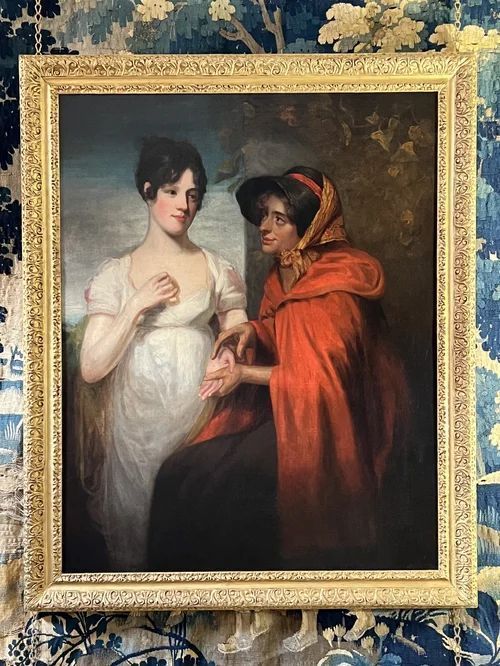
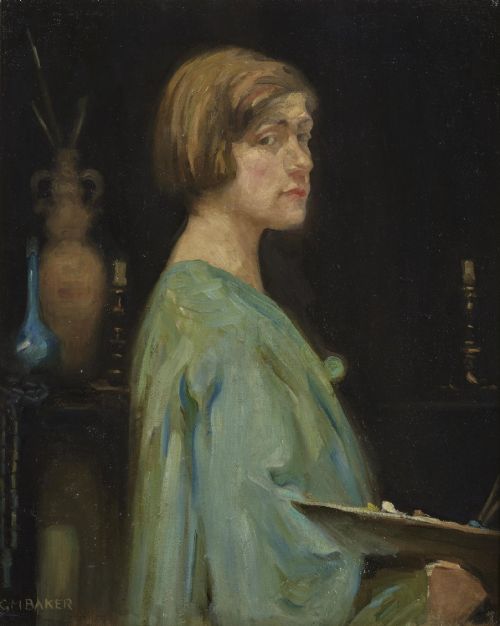
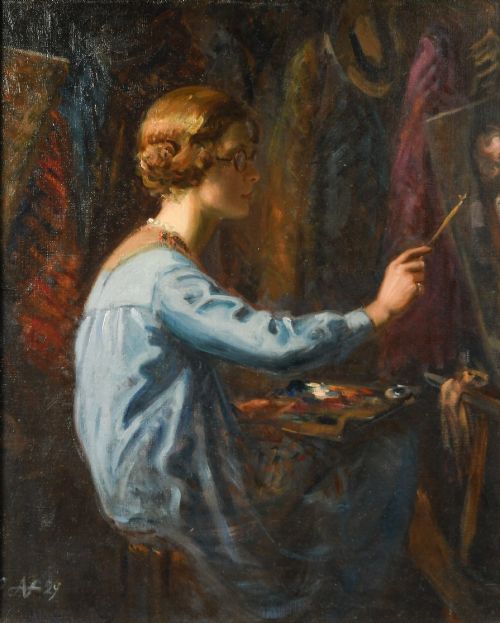
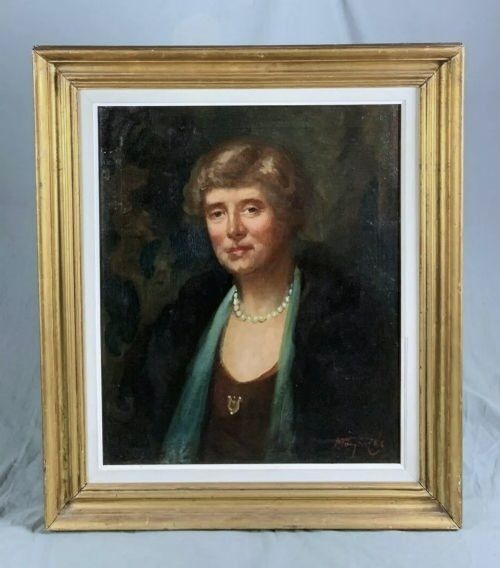
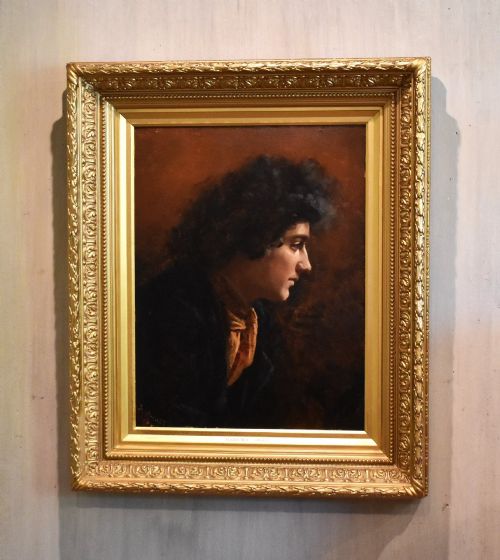
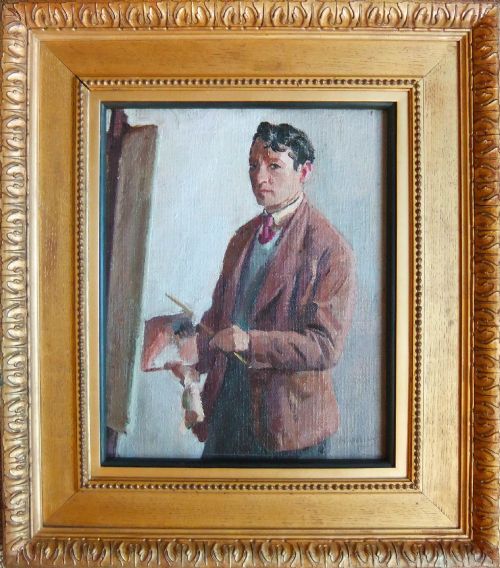
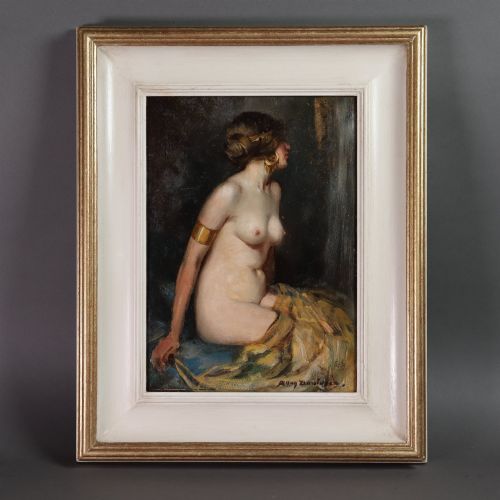
A british artist oil portrait presents the likeness of sitters ranging from children and political figures to artists themselves, rendered in paint across several centuries. You encounter works spanning the eighteenth century through to the post-war decades, reflecting shifting approaches to representation over time.
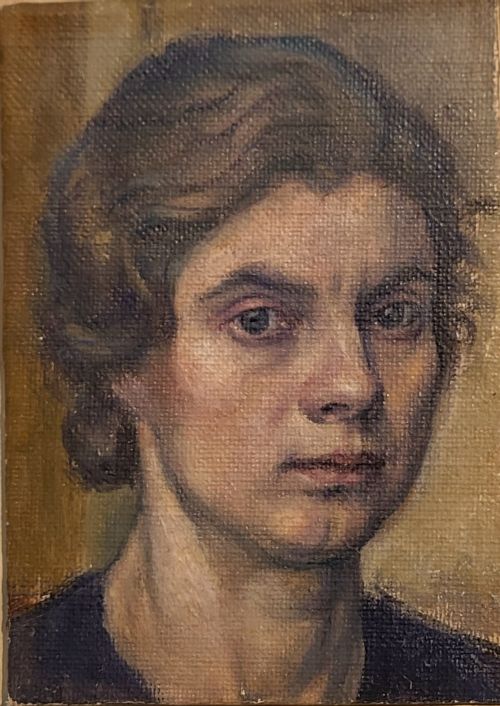
The selection here encompasses formal academic studies alongside spontaneous self-portraits and studio interiors. Canvases vary from intimate head studies to large-scale compositions featuring elaborate dress or studio settings.
Materials and methods
Artists built these images primarily using oil paint applied to stretched canvas, wooden panels, or prepared boards. Pigments were manipulated with brushes to achieve tonal depth, texture, and fine detail across the skin, fabric, and background.
Many historical examples retain their original surrounds, incorporating carved giltwood frames that complement the painting. The combination of durable oil media on stable grounds ensures the longevity of these likenesses.
Listings span the eighteenth, nineteenth, and twentieth centuries, utilising oil on canvas, board, and wood.
Assessing quality
Quality rests upon the artist's handling of light, anatomical proportion, and psychological depth in capturing the sitter. A superior painting demonstrates confident brushwork and precise draughtsmanship, bringing vitality to the face and hands.
The degree of finish and the sophistication of the composition distinguish notable academic works from simpler anonymous school pieces. Preservation of the original paint surface without extensive repainting also determines the integrity of the piece.
John Opie·Gladys Marguerite Baker·Charles James McCall·Florence Small·Philip Naviasky·Allan Douglas Davidson·Ronald Ossory Dunlop·Roland Batchelor·Florence Mabel Hollams·Jane Maria Bowkett·Philip Eustace Stretton·Arthur Spooner·Thomas Robson·William Owen·Geoffrey Robert Russell·William Woodhouse·Lucy Kemp Welch·Edward Bird·Cowan Dobson·Edward Bainbridge Copnall
The British Artist Oil Portrait Glossary
- Oil on canvas
- A painting technique where pigmented oil is applied to a woven fabric support stretched over a wooden frame. This combination allows for rich blending of colours and textured application.
- Academic realism
- A style of painting taught in official art academies that emphasises precise anatomical accuracy, careful observation, and smooth finish. Works in this mode follow traditional rules of composition and lighting.
- Genre painting
- A depiction of everyday subjects and scenes from ordinary life rather than formal portraiture or historical events. These works often capture domestic interiors or informal moments.
- Giltwood
- Wood that has been coated with a thin layer of gold leaf or gilt paint, commonly used for decorative picture frames. This framing material adds brightness and a formal border to the artwork.
British Artist Oil Portrait: Frequently Asked Questions
How do I date a british artist oil portrait?
Dating relies upon the clothing style, hairstyle, and framing materials visible in the work. Clues often appear in the artist's documented working dates or stylistic markers associated with specific decades.
Paintings from the eighteenth century display distinct collar shapes and powdered hair, while twentieth-century examples show modern dress and looser brushwork. Comparing the canvas preparation and stretcher construction provides additional chronological evidence.
Where should I hang an oil portrait?
Select a wall away from direct sunlight and fluctuating heat sources to protect the canvas and oil pigments from fading or cracking. Stable indoor conditions preserve both the paint surface and the wooden support over time.
Position the work at eye level in a room with gentle ambient lighting to appreciate the fine details of the brushwork. Proper clearance from radiators prevents the wood and canvas from drying out.
What is the difference between canvas and board?
Canvas consists of woven fabric stretched over a wooden frame, providing a slightly flexible surface that absorbs paint evenly. Board offers a rigid, flat support made from compressed wood pulp or timber.
Artists often chose board for smaller, spontaneous studies executed quickly in the studio or outdoors. Canvas was typically reserved for more finished, formal commissions intended for long-term display.
Why do some portraits include animals or objects?
Objects and animals included in a composition often symbolise the sitter's profession, interests, or social standing. For example, books indicate scholarship, while specific pets reflect domestic life or hobbies.
These additions provide narrative context and reveal personal details about the individual portrayed. Artists arranged these elements to tell a fuller story of the subject's life.