



Original Miniature Painting
An original miniature painting condenses portraiture, landscape and still life into a portable scale through delicate brushwork.
Original Miniature Painting
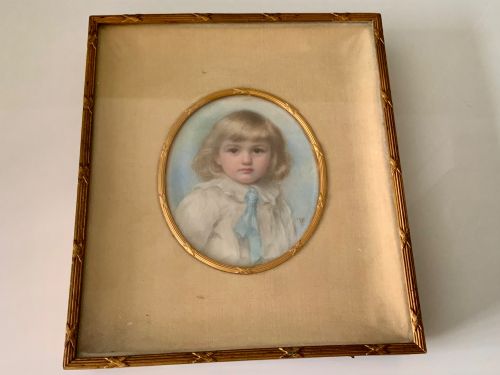
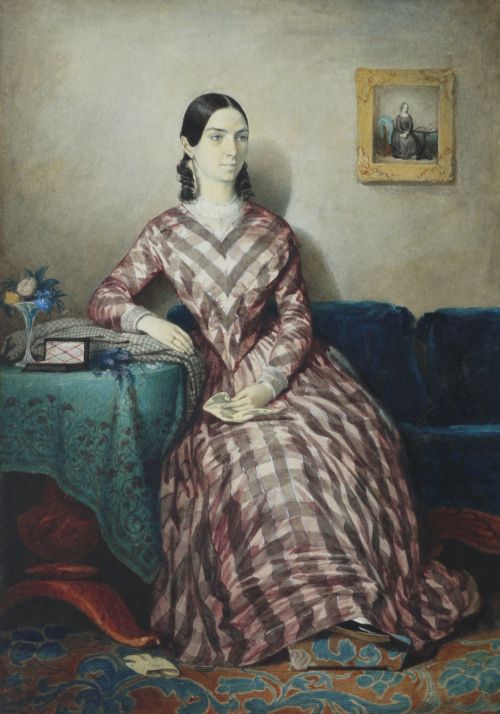
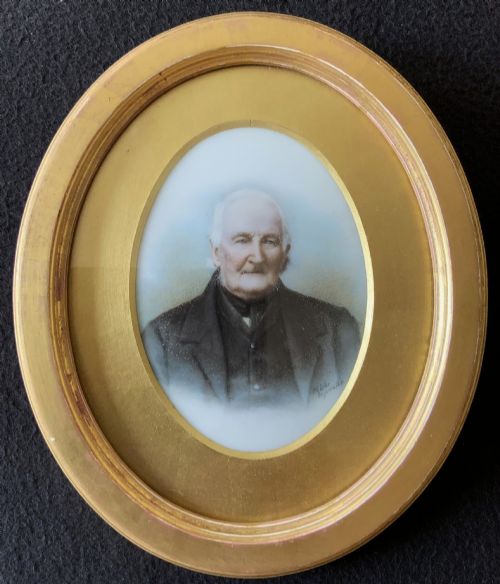
An original miniature painting represents centuries of intimate scale artwork, encompassing portrait miniatures, seascapes and courtly scenes. When exploring this selection, a buyer encounters works spanning the eighteenth century through the mid-twentieth century, with a strong representation of nineteenth-century pieces.
The subjects range from portraits of children, young women and historical figures like Queen Victoria to Mughal school gouache paintings of lovers. These pieces frequently appear in their period frames, including ebonised wood, maple, gilt wood and cruciform designs.
Works originate from various cultural contexts, including British, Italian and Mughal traditions. Portrait miniatures dominate the selection, often rendered in watercolour or oil on paper, glass, wood panel or ivory.
Distinguishing quality
The preservation of the original support, the retention of the original frame and the clarity of the signature or attribution contribute significantly to the standing of a piece.
Original Miniature Painting Retail Price Guide 2026
Typical asking prices for original miniature painting among the pieces listed under this phrase on Sellingantiques today, from the lower quarter to the upper quarter. They describe what is for sale here now, not the wider market.
One tiny painted silhouette captures a child circa 1820, proving big charm fits in the smallest frame.
Alessandro Cittadini·Fernando Del Basso·Thomas Woolnoth·Edward Smyth·Diana Hill·Alexander Melville
The Original Miniature Painting Glossary
- Gouache
- An opaque watercolour paint consisting of pigment, water, and a binding agent such as gum arabic. It produces a dense, matte surface often seen in Mughal school works.
- Ebonised wood
- Timber treated with a finish to imitate ebony wood. This dark, polished framing material appears frequently on nineteenth-century portrait pieces.
- Cruciform frame
- A cross-shaped framing structure designed to house specific devotional or narrative paintings. It offers a distinct architectural presentation for miniature artworks.
- Portrait miniature
- A small-scale portrait painting produced on materials like ivory, vellum or paper. They were frequently carried as personal mementoes or kept in leather cases.
Original Miniature Painting: Frequently Asked Questions
What materials support these miniature paintings?
Artists painted these small works on paper, glass, wood panels and ivory surfaces. These substrates provided the smooth texture necessary for intricate detail work.
Watercolour, gouache and oil paints served as the primary mediums applied to these delicate supports.
How were portrait miniatures displayed originally?
Owners displayed these small portraits in dedicated frames made of ebonised wood, maple or gilt designs. Some pieces also came with tooled leather carrying cases for travel.
Their compact size allowed individuals to carry them personally or keep them closely displayed in domestic interiors.
Which periods do these paintings represent?
The selection spans from the eighteenth century through the Edwardian era and into the mid-twentieth century. Nineteenth-century pieces form a substantial portion of the available works.
Earlier examples include Georgian portrait miniatures and eighteenth-century still life compositions.
What subjects appear in miniature paintings?
Common subjects include individual portraits of children, young women and historical figures such as Queen Victoria. Other works depict Italian seascapes with boats and Mughal school courtly scenes with lovers in landscapes.
Still life compositions and painted silhouettes also form part of the varied artistic output.