

Small Portraits
Small antique portraits are intimate works on paper, canvas, and glass that capture individual likenesses from past centuries in miniature.
Small Portraits
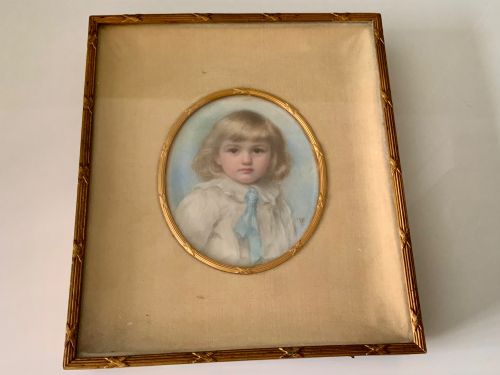
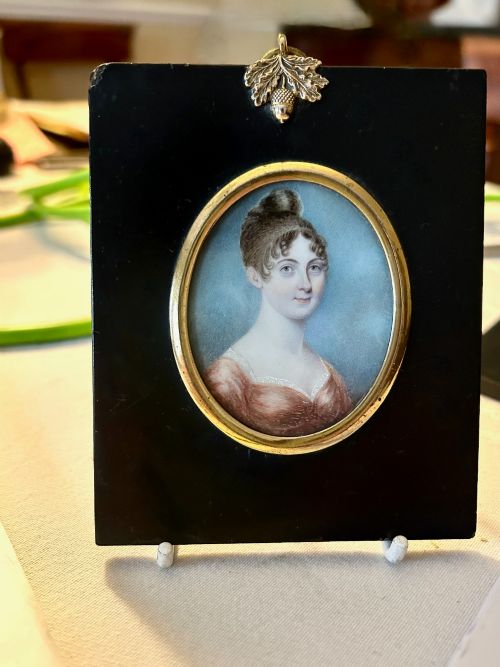
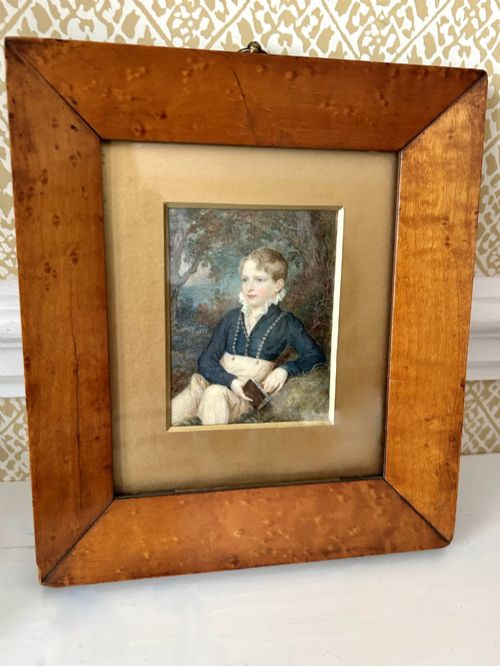
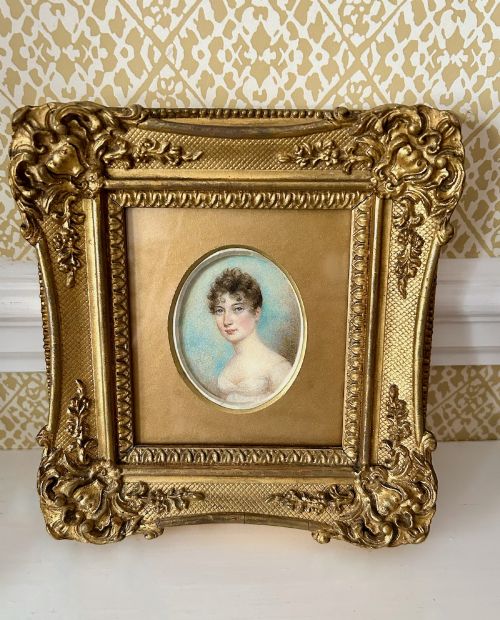
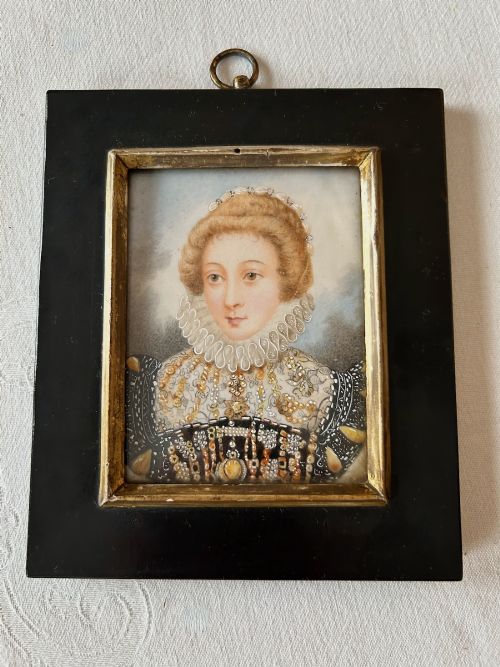
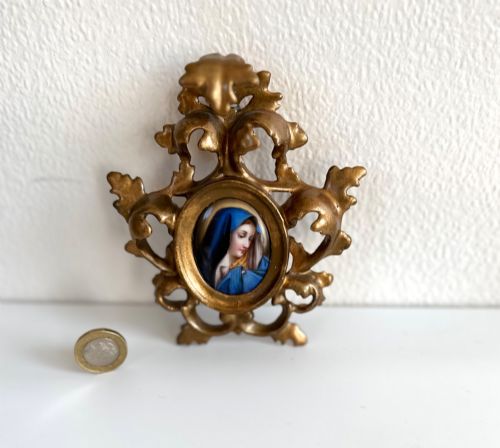
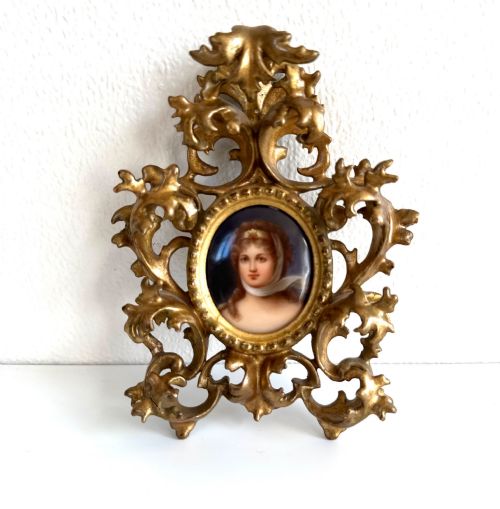
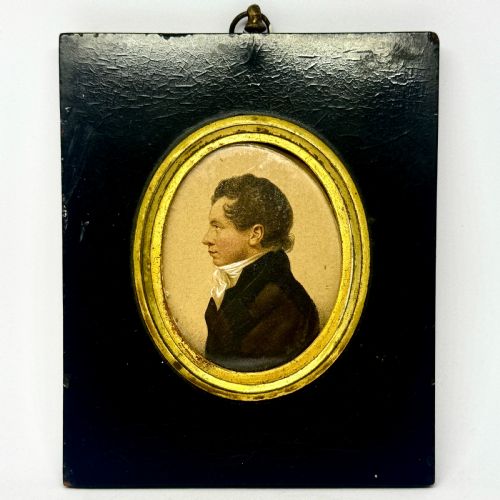
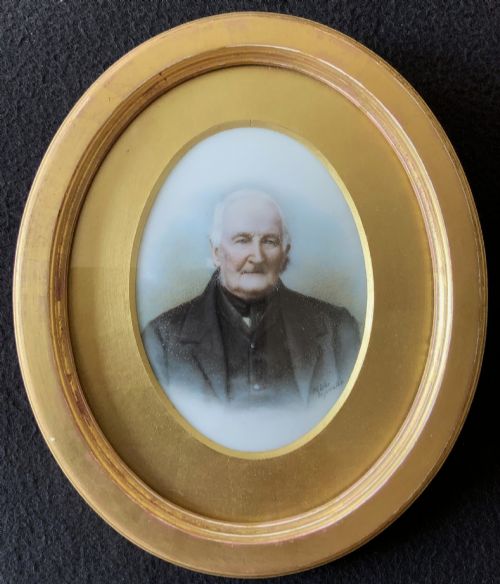
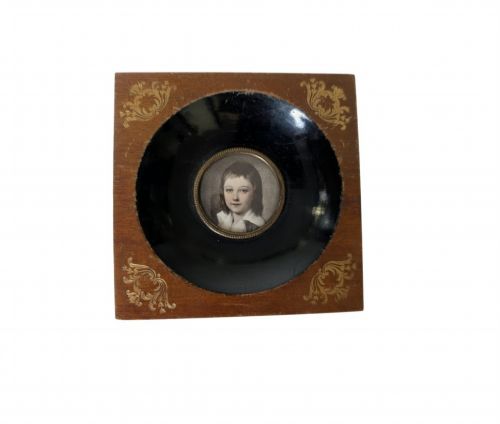
Small antique portraits encompass delicate watercolour studies, oil paintings, and miniature portraits produced across the 17th, 18th, 19th, and early 20th centuries. These pieces frequently feature subjects depicted within oval formats, often housed in period ebonised wood or gilt metal frames.
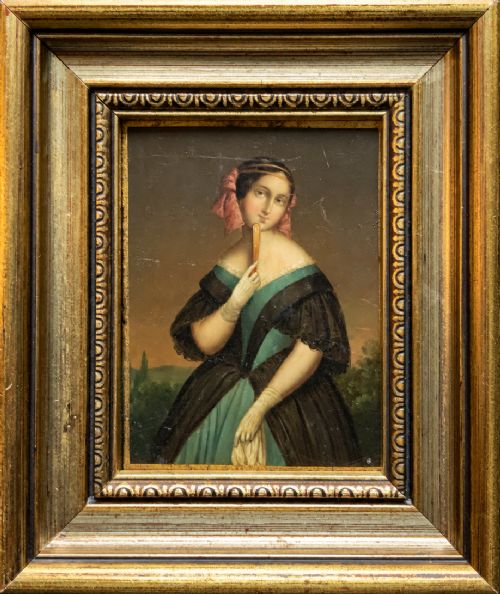
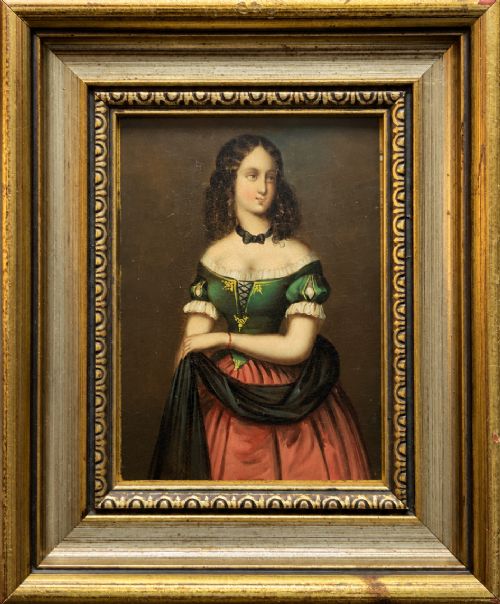
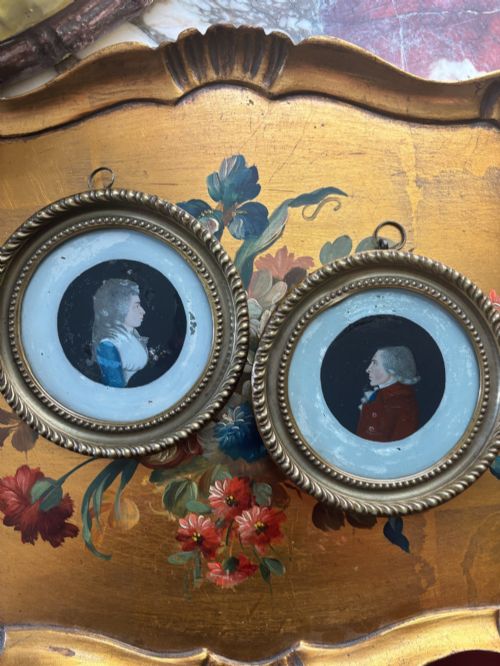
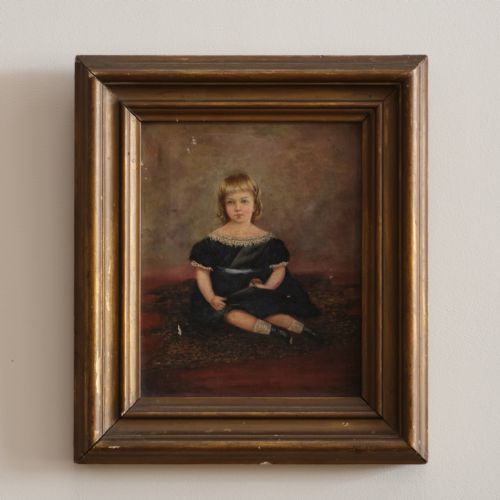
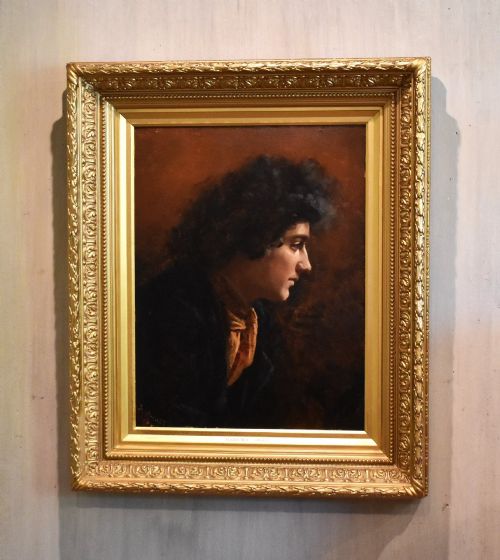
Collectors encounter works spanning the Georgian, Regency, and Victorian eras, ranging from professional depictions of named sitters to naive oil paintings on canvas and board. Companion pairs and framed studies of historical figures or family members recur throughout the selection.
The prevalent forms include miniature paintings on paper and glass, alongside small oil works capturing gentlemen, ladies, children, and animals. Each piece reflects the prevailing portraiture conventions of its specific decade.
Materials and Techniques
Makers utilised watercolour, gouache, and pastel applied to paper or prepared surfaces, alongside oil paints on canvas, board, and glass. Delicate brushwork achieved fine facial details and costume textures within restricted dimensions.
Frames play an integral structural role, constructed from ebonised wood, brass, gilt metal, and giltwood with gesso ornamentation. Glazing protected fragile pigment layers from atmospheric moisture and dust.
Small Portraits Retail Price Guide 2026
Typical asking prices for small portraits among the pieces listed under this phrase on Sellingantiques today, from the lower quarter to the upper quarter. They describe what is for sale here now, not the wider market.
Listings feature works spanning the 17th, 18th, 19th, and early 20th centuries, executed in watercolour, oil, and pastel.
Evaluating Quality
Quality rests upon the precision of the draughtsmanship and the psychological depth captured in the sitter's expression. Superior examples display assured brush control, accurate anatomical proportions, and careful rendering of textiles and light.
The integrity of the original housing influences the desirability of a piece. Well-preserved period frames matching the era of the painting retain the historical context of the object.
Henri Fradelle·Richard Cosway·Florence Small·George Hargreaves·Emma Kendrick
The Small Portraits Glossary
- Portrait Miniature
- A small-scale painting designed for private contemplation, often executed on ivory, vellum, card, or copper.
- Ebonised Wood
- Timber treated with a dark stain or finish to imitate the appearance of ebony, frequently used for Victorian and Georgian frames.
- Gilt Metal
- Base metal treated with a gold-coloured finish or plating, commonly utilised for ornamental portrait surrounds and stands.
- Gouache
- An opaque water-based medium that provides solid blocks of colour and highlights in miniature works on paper.
Small Portraits: Frequently Asked Questions
How were small antique portraits displayed?
Owners typically hung these compact works in private rooms, such as bedchambers or intimate studies, where visitors could view them closely. Many were also designed to rest on surfaces using attached metal stands or kept in protective cases.
Some examples functioned as personal tokens exchanged between family members or close acquaintances. Their modest dimensions allowed individuals to carry them during travel or store them securely in cabinets.
What subjects appear in these portraits?
Sitters include named historical figures, nobility, local gentry, and anonymous family members recorded by contemporary artists. Painters also captured children, pets, and notable public personalities of the period.
Religious subjects, such as depictions of the Madonna, also occur alongside literary and theatrical figures. Commissioned pieces often recorded weddings, coming-of-age events, or family lineages.
How do I date a small portrait?
Clothing styles, hairstyles, and framing conventions provide the primary indicators for dating an antique portrait. High collars, specific bonnet shapes, and coat cuts correspond directly to Georgian, Regency, or Victorian fashions.
Backings, inscriptions, and artist signatures further clarify the period of production. Comparing the framing materials, such as early ebonised wood or later gilt gesso, assists in confirming the era.
How should I care for these items?
Protection from direct sunlight prevents the fading of delicate watercolours and gouache pigments on paper. Maintaining stable indoor humidity levels safeguards both the painted surface and the wooden or metal frames.
Cleaning requires gentle dusting with a soft dry cloth, avoiding liquid solvents on painted areas. Keeping pieces away from damp environments prevents mould growth behind the glass.