


Original Ink Illustration
Original ink illustration works bring direct draughtsmanship into your home, capturing the immediacy of the artist's hand across centuries of varied subjects.
Original Ink Illustration
An original ink illustration is a direct work on paper created by an artist, ranging from rapid compositional sketches to finished book illustrations and detailed architectural drawings. When you search for original ink illustration, you encounter works spanning the eighteenth century through to the mid-twentieth century, encompassing genres like portraiture, landscape, and theatrical studies.
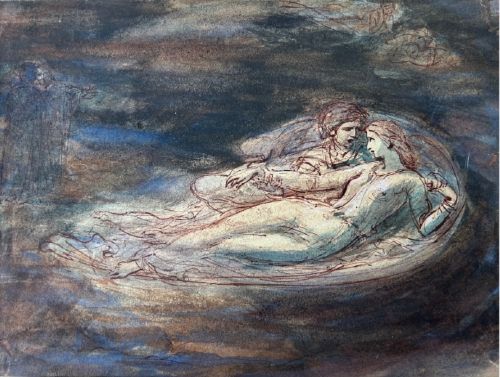
The selections available here frequently combine pen and ink with washes, watercolours, or gouache on paper substrates. Many pieces function as standalone artworks, while others originated as published book plates, magazine illustrations, or preparatory studies for larger paintings.
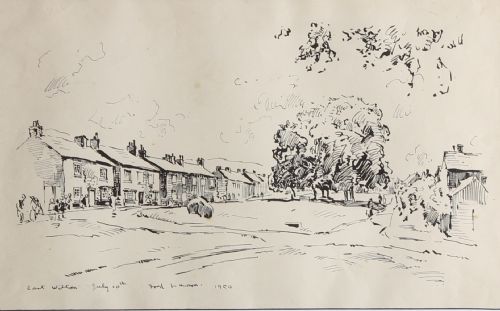
Historical examples bridge multiple stylistic movements, including Pre-Raphaelite, Georgian, Victorian, Edwardian, and Modernist British schools. Buyers find both intimate figure studies and expansive topographical townscapes reflecting these diverse aesthetic periods.
How they were made
Makers utilised iron gall or carbon inks applied with nibs, quills, or brushes directly onto handmade or wood-pulp papers. These precise linear foundations were frequently augmented with subtle grey, sepia, or coloured washes to establish depth and shadow.
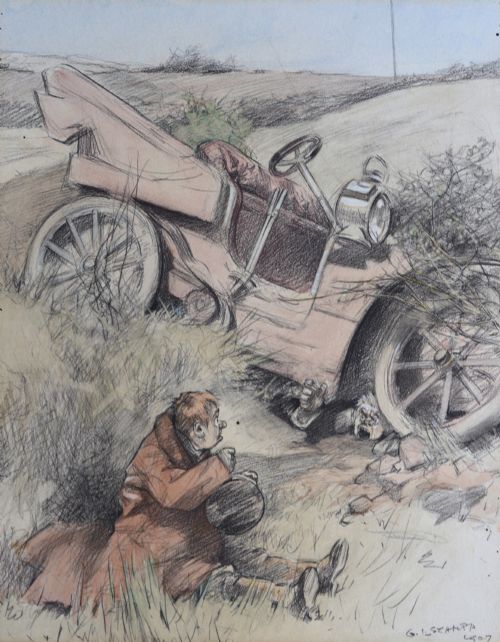
Artists often incorporated pencil underdrawing to map compositions before committing definitive ink lines to the sheet. When colour is present, watercolour and gouache pigments were layered over or beside the ink work to create finished illustrative plates.
Original Ink Illustration Retail Price Guide 2026
Typical asking prices for original ink illustration among the pieces listed under this phrase on Sellingantiques today, from the lower quarter to the upper quarter. They describe what is for sale here now, not the wider market.
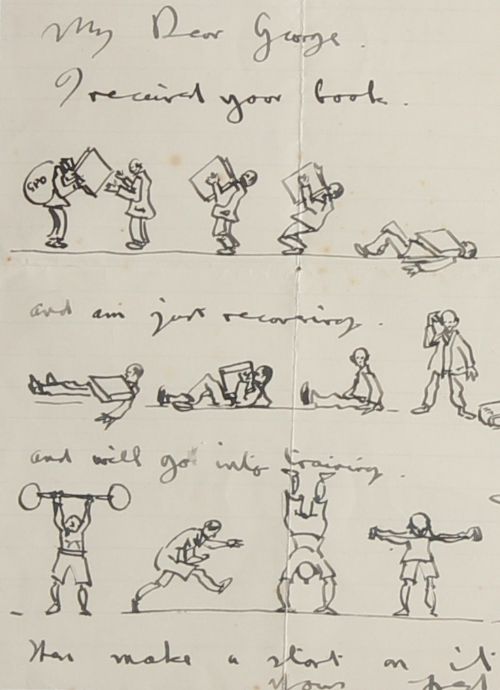
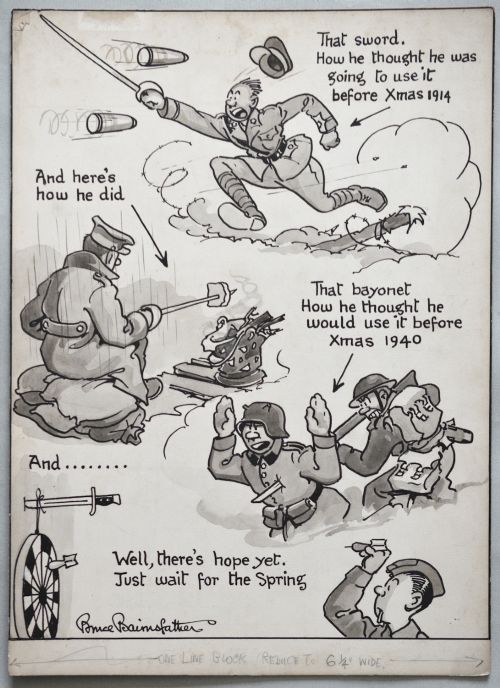
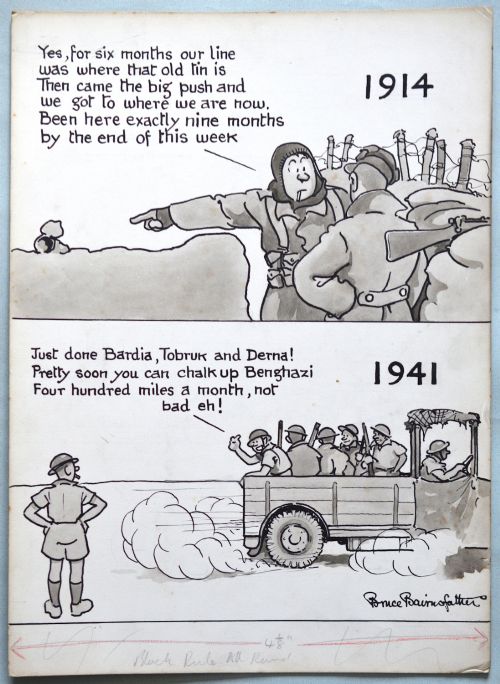
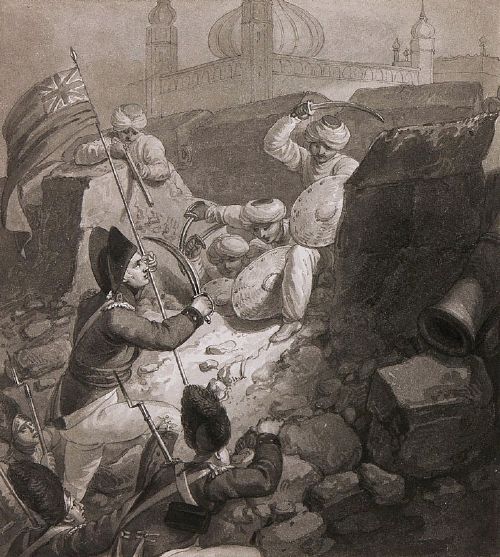
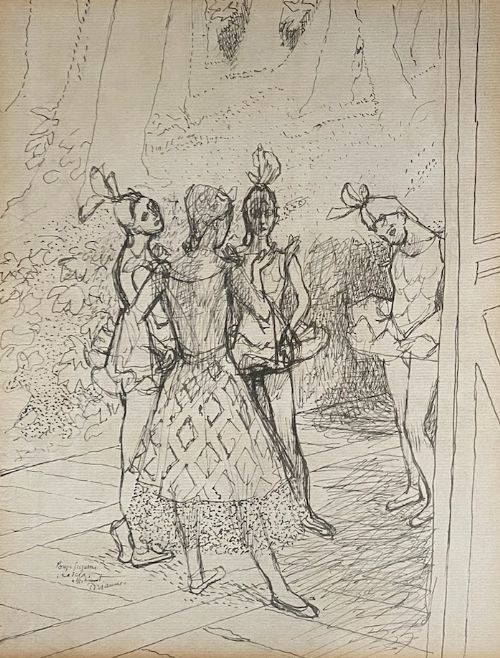
Cats, clowns, and battle scenes share portfolio space with austere architectural elevations and theatrical sketches.
What varies in quality
The surety of the line and the economy of the mark separate masterly execution from hesitant draughtsmanship. Confident pen work demonstrates the artist's complete command over perspective, anatomy, or architectural form without relying on excessive corrections.
The preservation of the paper and the stability of the ink significantly influence the visual impact of a sheet. Superior examples retain crisp ink tones and clean paper grounds free from excessive foxing or heavy fading.
Fred Lawson·George Lorain Stampa·Bruce Bairnsfather·William Marshall Craig·Maurice Brianchon·Cecil Beaton·Herbert Dicksee·Edward Dayes·Louis Wain·Lucien Freud·Thomas Rowlandson·Dame Laura Knight·John Duncan Fergusson·Kees van Dongen·Joseph Hansom·Arthur E Gonne·Jacques Callot·Charles Edmund Brock
The Original Ink Illustration Glossary
- Wash
- A thin, transparent layer of diluted ink or watercolour applied with a brush to create tonal gradations and shadows. It frequently accompanies fine pen lines to establish atmospheric depth.
- Gouache
- An opaque watercolour medium composed of pigment, water, and a binding agent such as gum arabic, often containing chalk. Artists use it to add brilliant highlights over dark ink drawings.
- Foxing
- Brown spots and discolouration that develop on older paper due to chemical reactions involving iron impurities or damp storage conditions over many decades.
- Topographical
- A genre of art focused on the accurate depiction of specific places, buildings, or landscapes rather than imaginary or purely allegorical scenes.
Original Ink Illustration: Frequently Asked Questions
What is an original ink illustration?
An original ink illustration is a unique, one-off drawing created directly on paper using pen and ink, rather than a mechanical reproduction or print. Artists use these works for preliminary studies, finished book plates, and independent artistic compositions.
These pieces showcase the unmediated hand of the creator, often featuring visible pencil underdrawings, corrections, and expressive ink strokes that reveal the creative process.
How do I date an antique ink drawing?
Dating relies upon a combination of stylistic markers, watermarks in the paper, inscriptions, signatures, and documentation regarding the artist's active period. Clues like clothing styles, architectural elements, and framing also help narrow the timeline.
Many sheets carry direct signatures, dates, or titles inscribed by the artist's hand, while others connect securely to known publication dates of books or magazines they illustrated.
Were these drawings meant to be framed?
Many historical ink works began their lives inside artist sketchbooks, dealers' portfolios, or publishers' offices rather than on exhibition walls. Book illustrations and preparatory sketches were created as working tools before finding their way into collections.
Contemporary framing allows these intimate historical objects to be safely displayed and enjoyed as finished visual artworks within a domestic interior.