
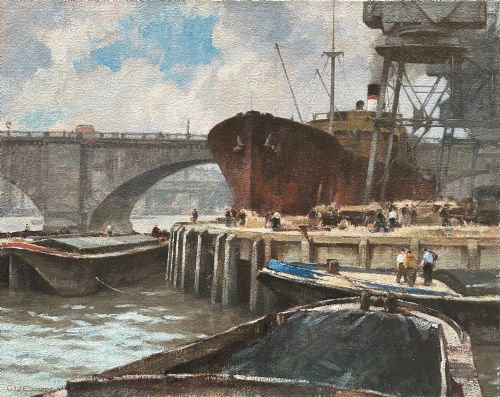
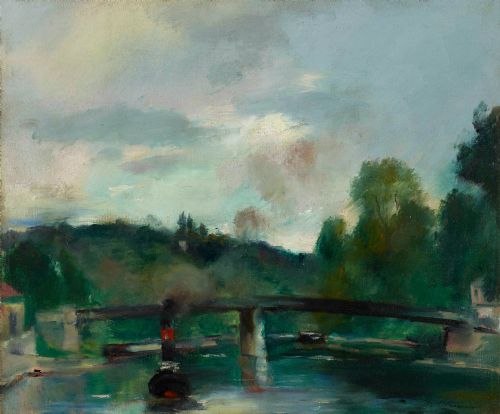
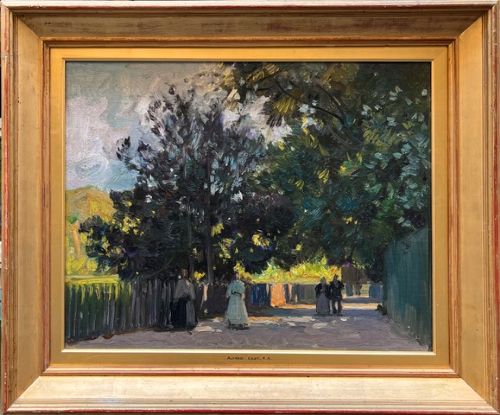
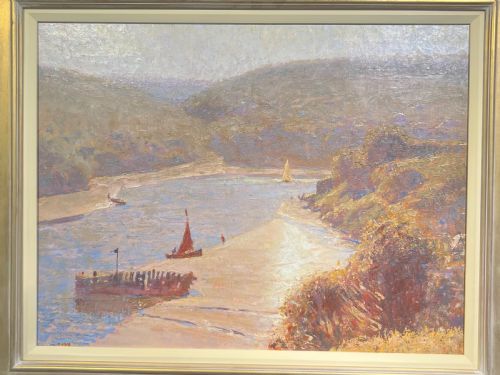
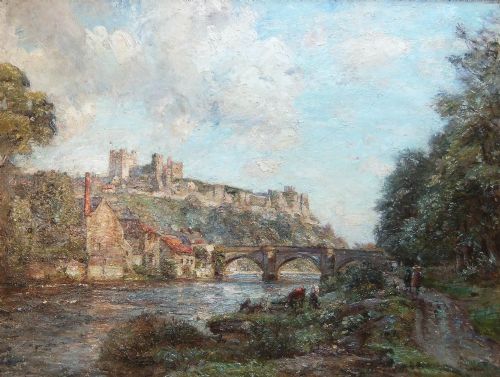


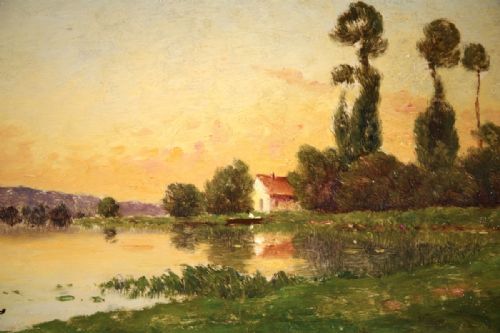
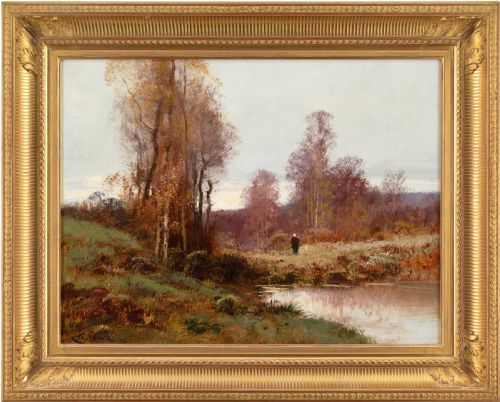
Original Impressionist River Artwork
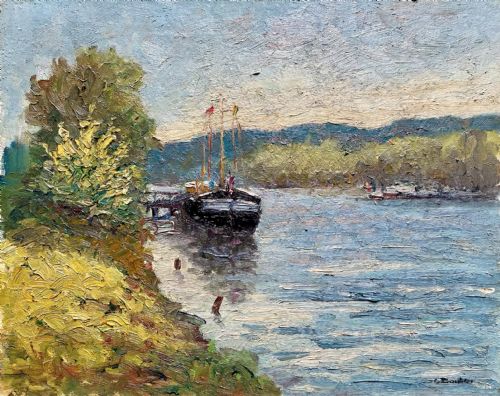
Original impressionist river artwork captures light and water across canvas, bringing quiet nineteenth and twentieth century landscapes directly into your home.
Original Impressionist River Artwork
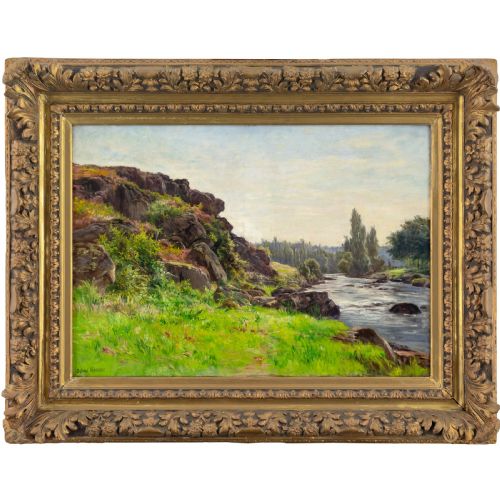
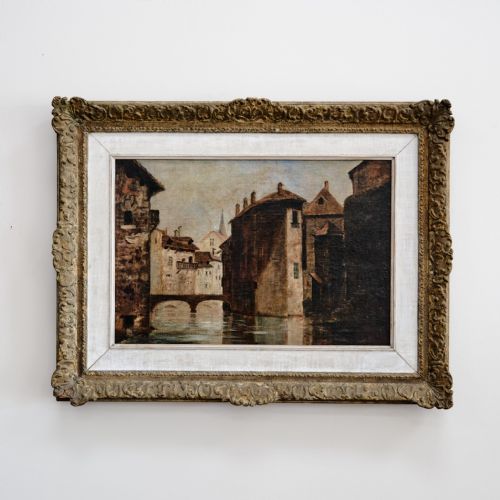
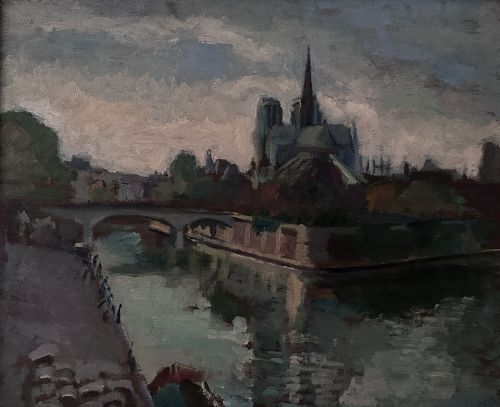
When you search for original impressionist river artwork, you encounter oil paintings and watercolours depicting pastoral waterways, bustling bridges, and quiet rural banks. The pieces span from the nineteenth century through the mid twentieth century, originating from British, French, and Flemish traditions.
Most examples you meet here utilise canvas, wood panels, or paper supports. These works capture atmospheric conditions through loose brushwork, prioritising natural light and shifting reflections on water over rigid academic detail.
The subjects range from French scenes near the Seine to British river paths in Yorkshire and London. You will find both signed compositions by named painters and anonymous rural views from the Victorian era onward.
Materials and technique
Painters relied primarily on oil paint applied to stretched canvas or wooden panels, though some works employ watercolour on paper. Oil pigments allowed artists to build thick impasto textures that catch the light, defining ripples and foliage with immediate gestural strokes.
Gesso often served as a preparatory ground for the wooden panels and canvases, creating a stable luminous base underneath the oils. Artists worked en plein air or in studios, building up colour through layered brushstrokes rather than smooth, blended glazes.
Current listings feature pieces spanning the nineteenth century to the 1960s, executed in oil and watercolour on canvas, wood, and paper.
Distinctions in execution
Quality rests upon the confidence of the brushwork and the artist's ability to render the play of light on water. Superior pieces demonstrate a sure command of tone and perspective, where loose dabs of colour coalesce into a convincing atmospheric space.
The harmony of the palette and the preservation of the original surface condition also distinguish finer works. Stronger compositions maintain structural integrity in their supporting wood or canvas while retaining vibrant pigment without excessive darkening.
Gabriel Mathieu·Cyril Walduck Edwards·Henri Ottmann·Sir Alfred East·Herbert Royle·John Horace Hooper·Hubert Wellington·Honore Cavaroc·Archibald Kay·Charles Clair·Henri Jaques Delpy·Sir David Murray·Arthur Reginald Smith·Mario Pinetti·Arthur Herbert Rigg·Ron Folland·Owen Bowen·David Watts·Maud Raphael Jones·Fred Stead·Berthe des Clayes·Armand Guillaumin·William Tatton Winter
The Original Impressionist River Artwork Glossary
- Impressionism
- A nineteenth century painting style focused on capturing transient visual impressions through small, thin brushstrokes and an emphasis on accurate depiction of light.
- Impasto
- Paint applied thickly to a canvas or panel, standing out in relief from the surface so that brush or palette knife marks remain visible.
- Barbizon School
- A nineteenth century French art movement toward realism in landscape painting, heavily influencing subsequent impressionist approaches to nature.
- Gesso
- A white paint mixture consisting of a binder mixed with chalk, gypsum, or pigment, used to prepare a substrate for painting.
Original Impressionist River Artwork: Frequently Asked Questions
What periods do these river paintings cover?
The selections span from the nineteenth century through the mid twentieth century, encompassing Victorian creations alongside post impressionist and mid century works.
You will find specific dates and eras noted across the titles, reflecting shifts in European landscape painting over several decades.
Where were these river artworks created?
The pieces originate from various European settings, including French locations like Normandy and the Seine alongside British rivers in Yorkshire and London.
Continental schools, including Flemish and French traditions, sit alongside domestic British views to offer diverse regional perspectives.
How should I display an antique oil painting?
These works suit traditional and contemporary wall spaces, provided they hang away from direct sunlight and excessive moisture.
Ensuring stable room temperatures protects the canvas, wood panels, and original gesso foundations from environmental stress.
What is the difference between oil and watercolour river art?
Oil paintings utilise heavy pigments on canvas or wood, often featuring textured impasto brushwork that gives a tangible depth to the water and foliage.
Watercolours on paper offer a lighter, more translucent quality, capturing atmospheric river mists with delicate washes.