



Antique Fine Art Wall
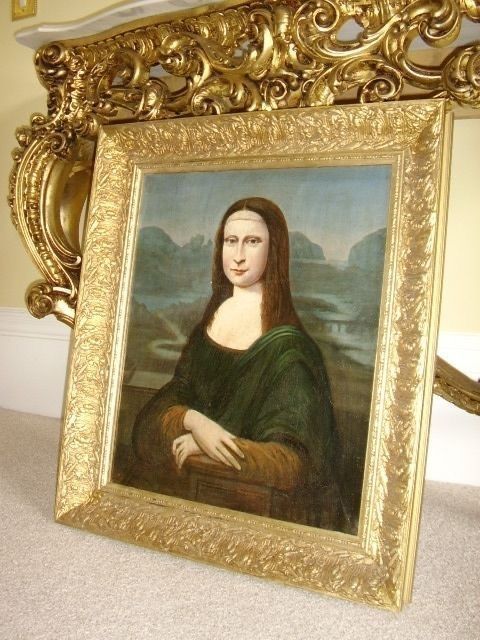
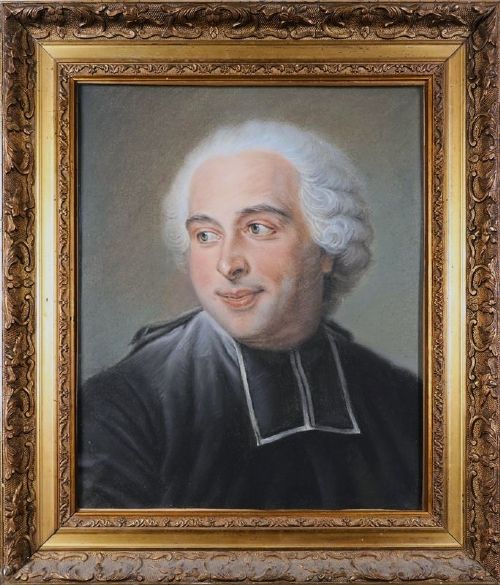
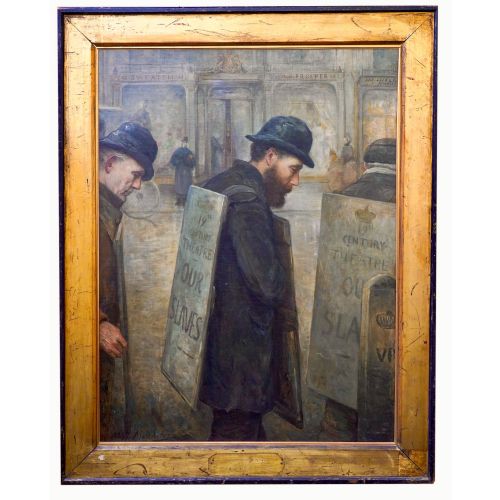
When you search for antique fine art wall pieces, you encounter centuries of portraiture and landscape rendered in oils on canvas and wood panel.
Antique Fine Art Wall
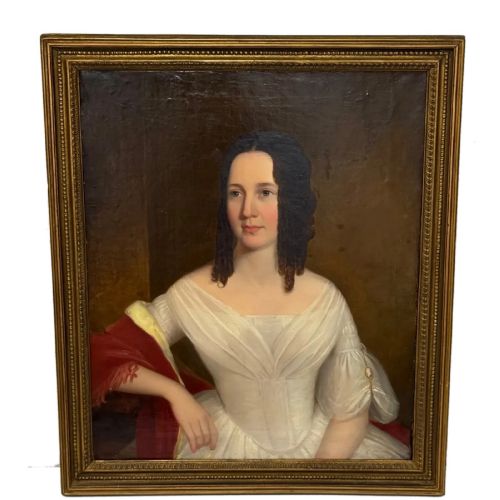
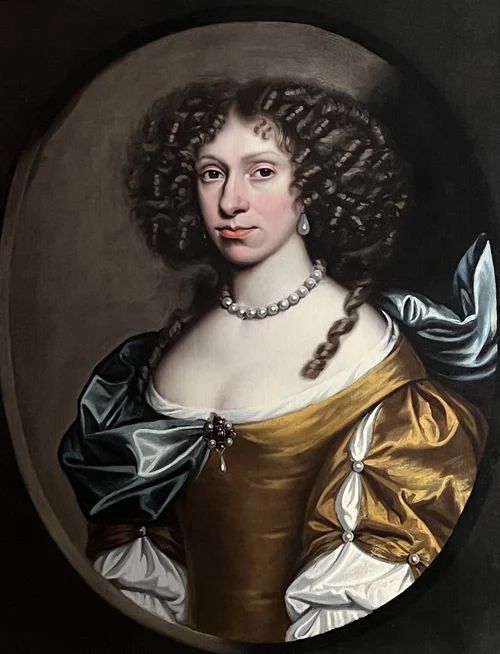
When exploring antique fine art wall pieces, collectors encounter centuries of portraiture, landscape, and historical scenes executed primarily in oil paint. These works span from the seventeenth century through the Victorian era and into the early twentieth century, reflecting shifting aesthetic ideals across British and European schools.
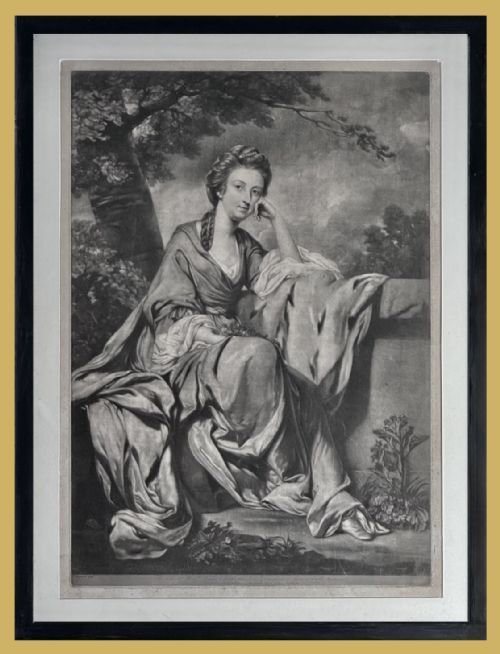
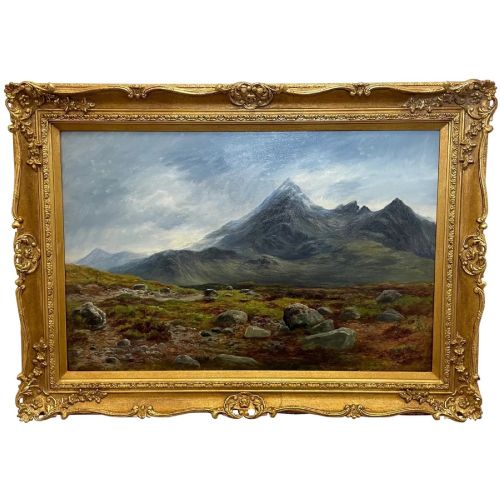
The selections most commonly met on this page include oil paintings on canvas or wood panel, alongside framed mezzotints and occasional textile works. Portraits of nobility, military officers, and notable figures dominate the earlier periods, while landscapes and pastoral scenes become prominent in the nineteenth and twentieth centuries.
Materials and construction methods
The physical construction of these works relies heavily on oil paint applied to stretched canvas, wooden panels, or paper supports. Artists built depth through successive layers of pigment and medium, capturing light and texture with remarkable precision.
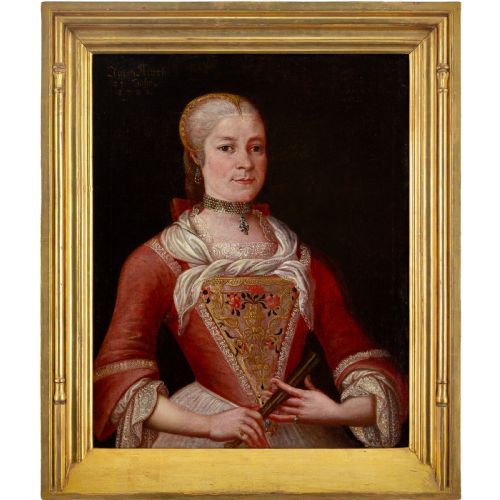
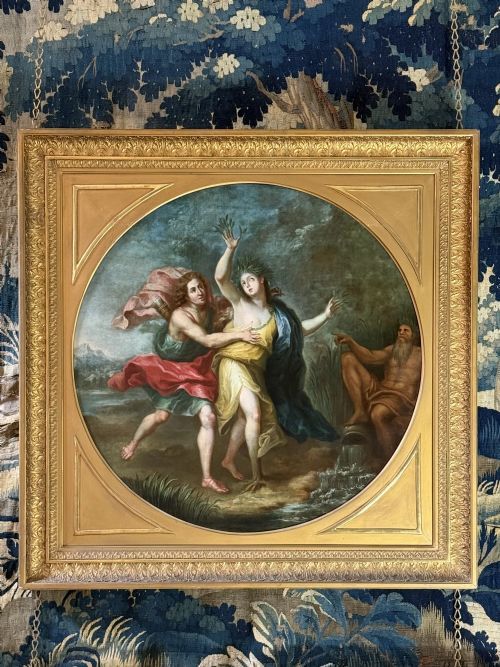
Framing forms an integral component of these pieces, utilising carved giltwood and gold leaf to complement and protect the artwork. Reverse glass mezzotints and woven wool textiles demonstrate alternative methods of creating visual impact for interior display.
Even a knitted garment gets immortalised when John Maler Collier paints Lady Laing wearing her own handiwork.
Factors determining quality and execution
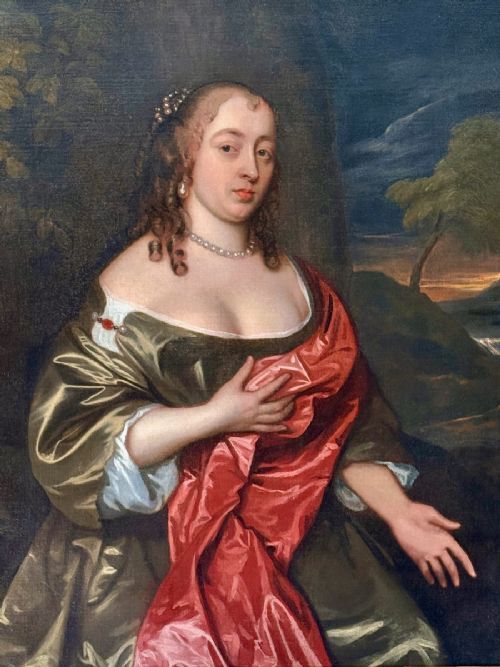
Quality in these works rests upon the precision of brushwork, the anatomical accuracy of portrait subjects, and the handling of light within landscapes. Master painters achieve subtlety in skin tones and fabric folds that lesser hands render stiffly.
The integrity of the original support, the retention of pigment vibrancy, and the appropriateness of the surrounding giltwood frame also distinguish finer examples from standard decorative items.
JOHN HAYLS·CHARLES-ANTOINE COYPEL·EDWARD FISHER·JOSEPH CLOVER·DAVID SCOUGALL·WILLIAM BEATTIE BROWN·MAURICE QUENTIN DE LA TOUR·FELIX STONE MOSCHELES·SEBASTIAAN VRANCX·TOM CAMPBELL·JOHN MALER COLLIER·GEORGE WILLISON·FRANCOIS BOUCHER·JOHN HORACE HOOPER·HENDRIK WILLEM SCHWEICKHARDT·FRANCISCO JOSE DE GOYA·SIR JOSHUA REYNOLDS·BENEDETTO LUTI·KERSHAW SCHOFIELD·GEORGE HOUSTON·HERBERT ROYLE·EDOUARD PINGRET
The Antique Fine Art Wall Glossary
- Mezzotint
- A printmaking process of the printmaker's art that achieves tonal gradation through roughening a copper plate. This technique allows for rich, velvety darks and subtle mid-tones.
- Giltwood
- Wood that has been coated with a thin layer of gold leaf or powder. It provides ornate, reflective framing for significant paintings.
- Wood Panel
- A rigid support surface used by artists before stretched canvas became dominant. These panels offer stability and fine grain for detailed portraiture.
- Oil on Canvas
- Pigment mixed with drying oil applied to a woven fabric support. This combination remains the standard medium for durable, luminous paintings.
Antique Fine Art Wall: Frequently Asked Questions
How do I identify seventeenth-century portraits?
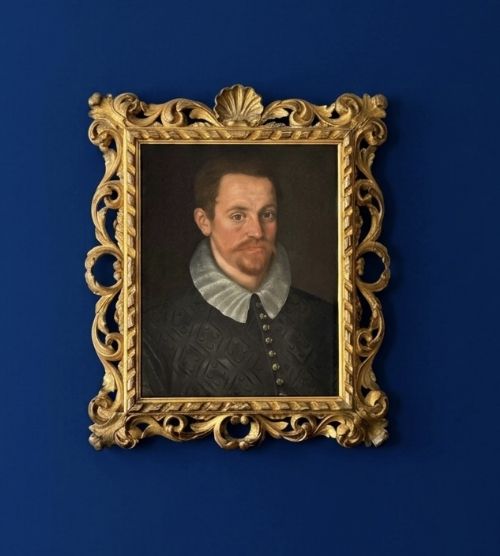
Seventeenth-century portraits typically feature stiff collars, elaborate lace, dark backgrounds, and formal postures that reflect the aristocracy of the period. The canvas preparation and pigment composition also offer clues to their age.
Examining the stretcher bars, nails, and canvas texture helps confirm the historical context of the piece.
What is the difference between oil on canvas and oil on panel?
Oil on canvas involves pigment applied to a woven textile stretched over a wooden frame, allowing for large-scale works with flexible surfaces. Oil on panel utilises a rigid wooden board as the foundation.
Panel paintings often date to earlier periods and provide a smooth, stable surface for minute detail.
How should I hang antique wall art?
Antique fine art requires stable environments away from direct sunlight, excessive moisture, and rapid temperature fluctuations. Proper picture hooks and wires secured to wall studs ensure safe weight distribution.
Heavier giltwood frames demand robust hardware to support their substantial mass securely.
Can I mix different centuries of art on one wall?
Mixing periods creates visual depth and reflects the historical accumulation typical of traditional interiors. Pairing a seventeenth-century portrait with a nineteenth-century landscape often highlights the contrast in artistic technique.
Coordinating frame styles or colour palettes helps unify disparate eras within a single display space.