



Original Dutch Painting
Selecting an original dutch painting brings centuries of maritime scenes, winter landscapes and quiet interiors directly to your walls.
Original Dutch Painting
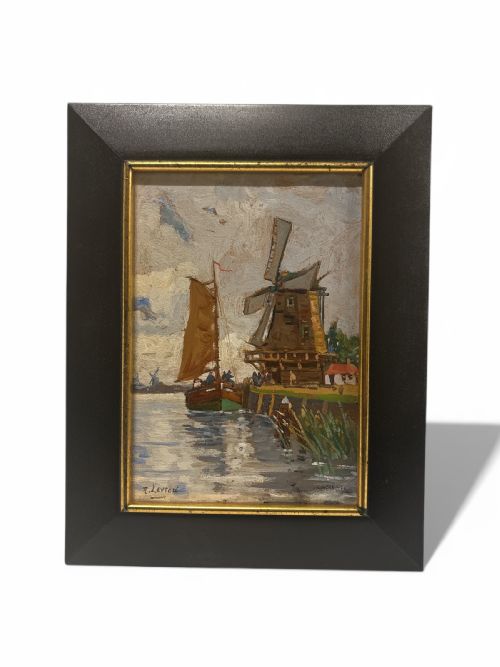
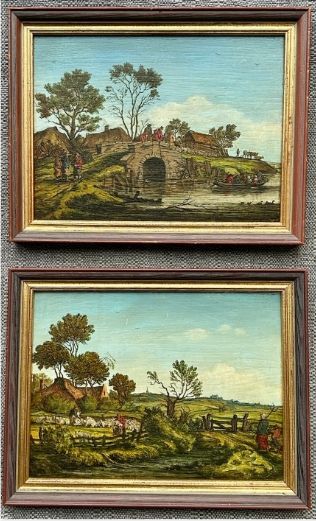
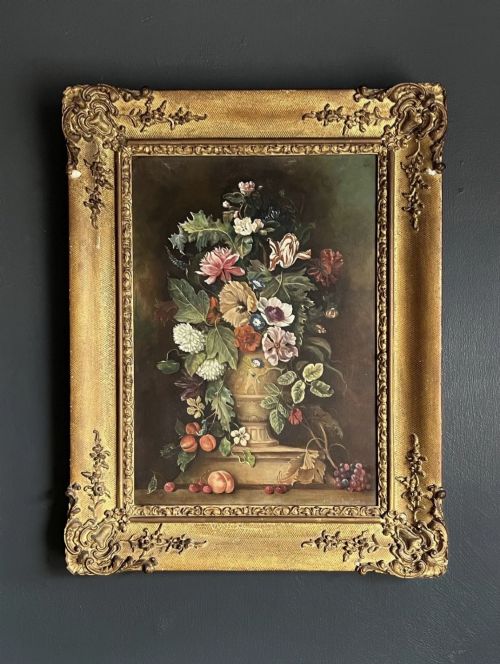
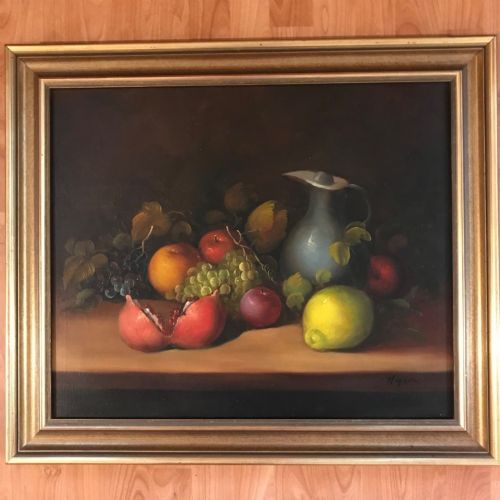
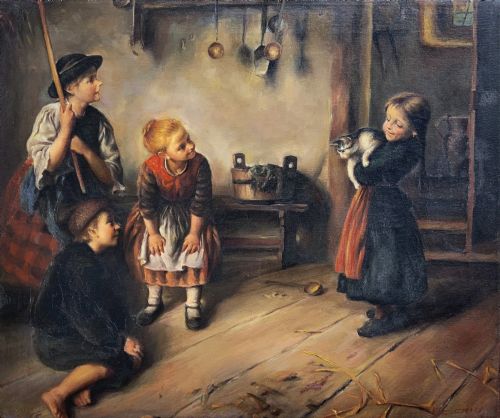
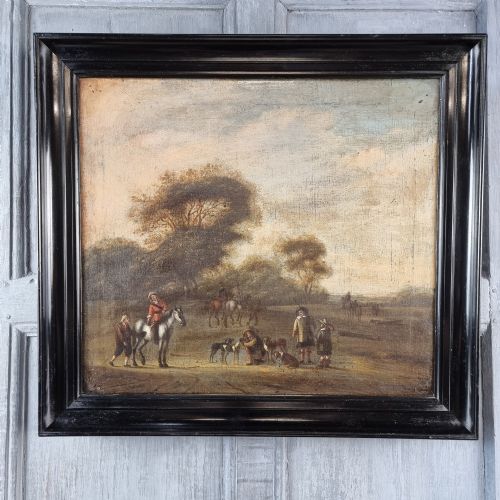
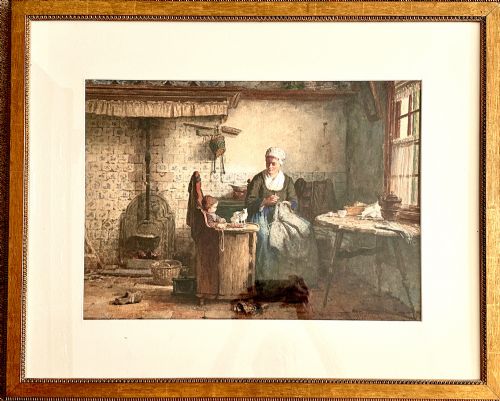
An original dutch painting encompasses historic artworks originating from the Netherlands or created within recognised traditions of the Dutch school. Buyers seek these pieces for their rich depiction of domestic life, landscapes with windmills, and detailed still lifes of flowers and fruit. The inventory spans centuries, featuring everything from seventeenth-century merchant portraits to twentieth-century impressionist river views.
The selection ranges from early works attributed to the Dutch Golden Age down to mid-century modernist interpretations. Most examples encountered here date from the nineteenth century onward, capturing harbours, towns, and rustic interiors with traditional realism. Works on canvas, wood panels, and paper carry the distinct atmospheric light characteristic of these regional schools.
How They Were Made
Artists painted primarily with oil paint on prepared canvas, wood panels, copper, tin, or paper supports. Ground layers were applied to rigid boards or woven textiles before the application of pigments mixed with drying oils. Watercolour was also frequently employed on paper for landscapes and coastal scenes.
Finished works were typically housed in decorative wooden frames, often enriched with giltwood, gold leaf, or moulded gesso. Metal panels provided a smooth surface for minute detail, while canvas and heavy wood accommodated looser brushwork found in later impressionist variations.
Listings feature canvases, wood panels, and paper supports spanning the seventeenth century to the twentieth century.
What Varies in Quality
Quality rests on the precision of brushwork, the depth of composition, and the handling of natural light and shadow. Master works demonstrate subtle tonal gradation and lifelike textures in textiles, foliage, and skin, whereas lesser examples rely on formulaic repetition.
The preservation of the pigment layer and the originality of the mounting frame heavily influence the integrity of the piece. Historic canvases retained on their original stretching frames with minimal retouching command greater regard than heavily restored surfaces.
Nicolaes Maes·Hendrik Valkenberg·David Teniers The Younger·Abraham Hulk I·Cornelis Van Poelenburgh·Cornelis Christian Dommersen·William Raymond Dommersen·Paul Jean Clays·Fred Mayor·Andreas Schelfhout·Christoffel Bisschop·Louis Smets
The Original Dutch Painting Glossary
- Oil paint
- A slow-drying medium consisting of pigments suspended in a drying oil, typically linseed. This allowed artists to blend colours smoothly and build luminous glazes.
- Giltwood
- Wood carved and coated with gold leaf or metallic powder to create a lustrous decorative finish. Frames finished this way frequently accompany classical landscape and portrait subjects.
- Gesso
- A paint mixture consisting of a neutral binder mixed with chalk, gypsum, or pigment. It served as a prepared base layer for wood panels and canvas before painting.
- Still life
- An artwork depicting inanimate subject matter, typically commonplace objects such as flowers, fruit, or vessels. These compositions allowed painters to demonstrate mastery over texture and reflection.
- Watercolour
- Paint consisting of water-soluble pigments applied to paper supports. It was widely used for rapid plein-air landscape studies and detailed architectural views.
Original Dutch Painting: Frequently Asked Questions
How do I identify a genuine period piece?
Examine the materials of the support, such as hand-beaten metal panels, older coarse-weave canvases, or seasoned wood boards showing appropriate age. Pigment analysis and stretcher construction often provide clues to the era of creation.
Compare the handling of light and brush technique against documented examples from specific regional schools. Signatures should be evaluated within the context of the overall composition rather than taken at face value.
What subjects are most common in these works?
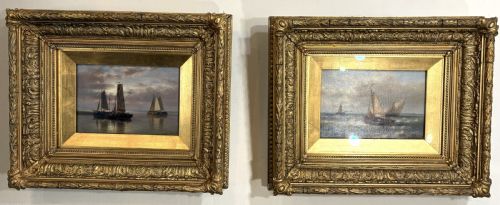
Maritime scenes featuring sailboats, barges, and canals appear frequently alongside pastoral landscapes with windmills. Domestic interiors, tavern gatherings, and still lifes of seasonal flowers and fruit also populate the tradition.
Portraiture ranging from seventeenth-century merchants to nineteenth-century fisher girls offers another major category of representation. Each subject reflects the cultural values and domestic interests of its respective century.
How should I care for an antique oil painting?
Display paintings away from direct sunlight, heating vents, and high humidity to prevent canvas warping and pigment degradation. Maintaining a stable indoor environment protects both the wooden support and the delicate paint layers.
Dust surfaces gently with a soft, dry brush without applying pressure or cleaning solutions. Professional conservators should handle any structural repairs, cleaning, or varnish removal.
What frames typically accompany these artworks?
Many works are presented in period wooden frames featuring gilt gesso, leaf gilding, or deep moulding. These housings were often selected to complement the tonal palette and historical period of the artwork.
Original frames can significantly enhance the contextual integrity of a piece. Inspect the joinery and backing boards to determine whether the frame has remained with the painting over its lifetime.