



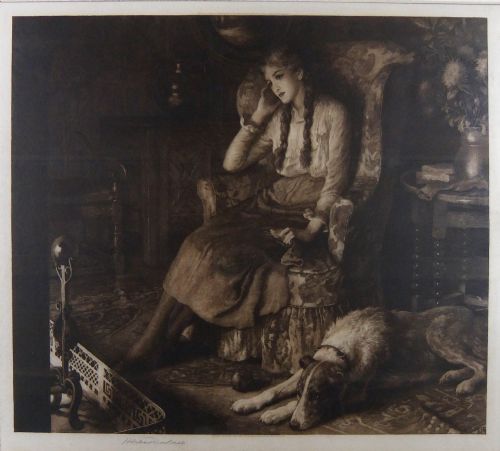
Original Print
An original antique print brings historic scenes, detailed botanical studies, and masterly etchings into contemporary spaces.
Original Print
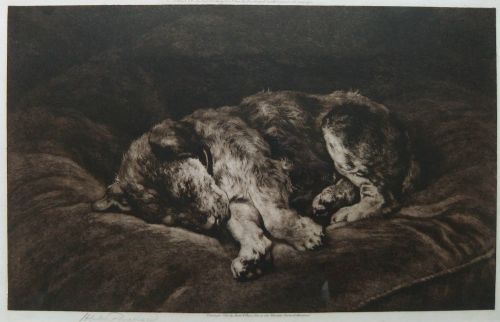
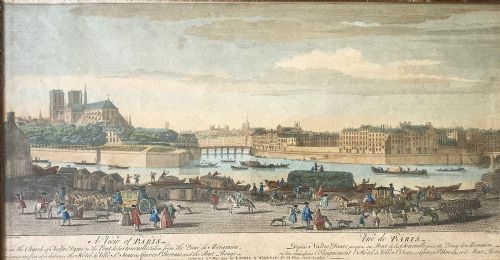
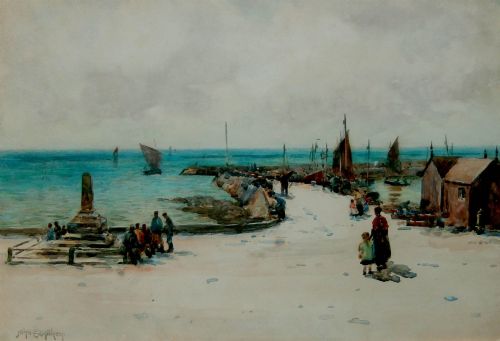
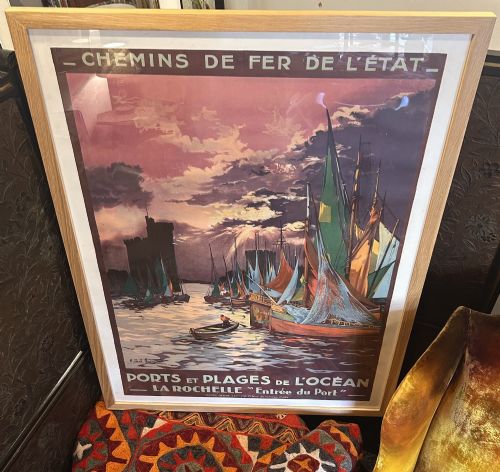
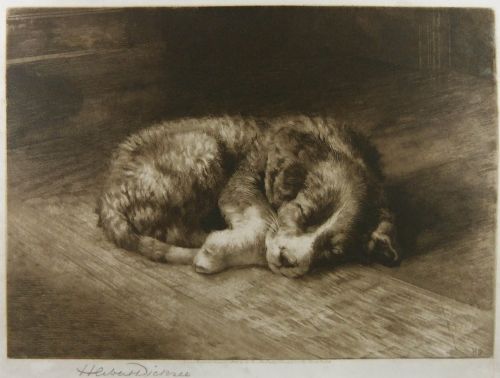
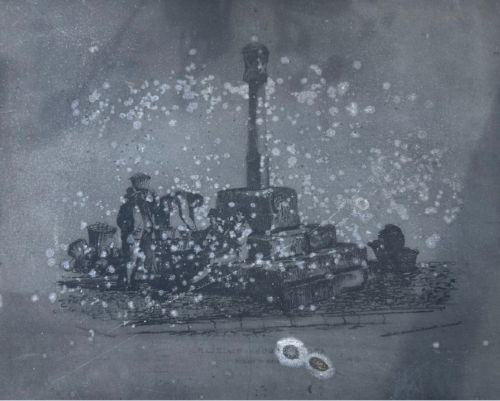
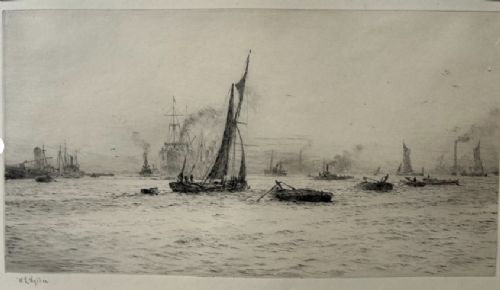
An original antique print encompasses paper works from the eighteenth, nineteenth, and early twentieth centuries, including hand-coloured engravings, etchings on paper and vellum, lithographs, and Japanese woodblock prints. These pieces arrive in various formats such as framed wall art, signed artist proofs, and folio plates.
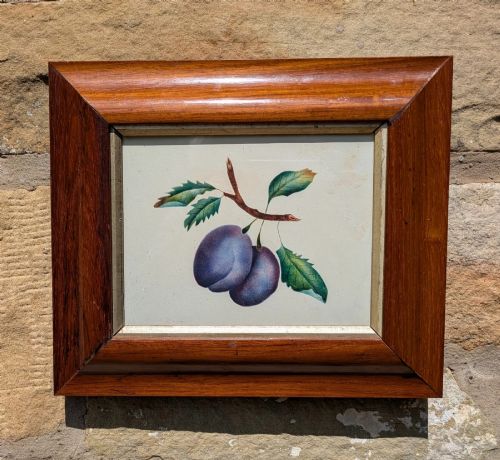
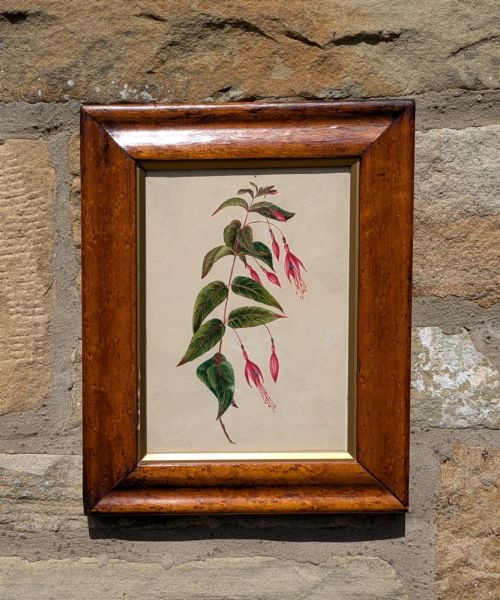
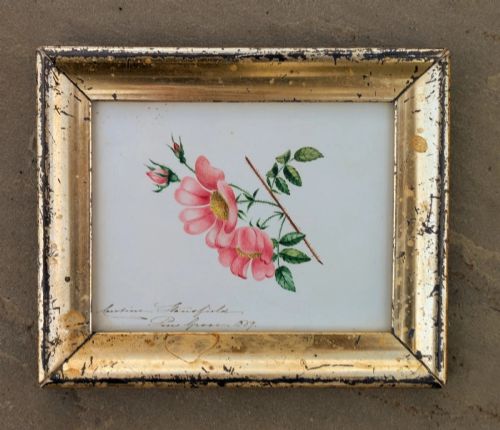
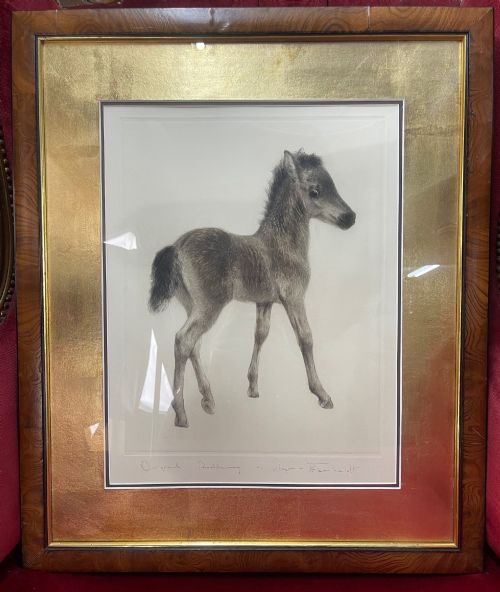
Buyers frequently encounter works featuring botanical studies, landscapes, sporting scenes, and portraiture from periods spanning the Georgian era through to the 1930s. The selection includes both intimate vignette watercolours and larger framed architectural or domestic interior scenes.
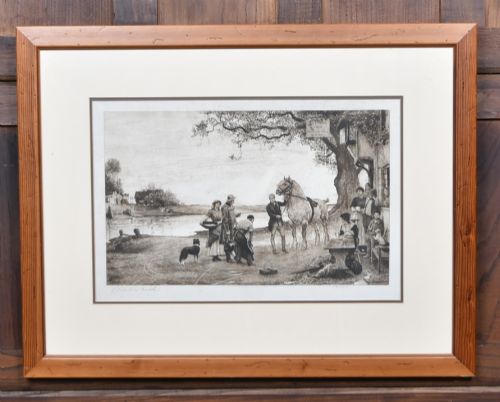
The category bridges multiple disciplines, touching upon oil paintings, drypoints, and woodcuts alongside traditional plate-printed impressions. Pieces often retain their period mountings, ranging from rosewood and oak frames to Hogarth mouldings.
Materials and production techniques
Makers utilised high-grade paper, vellum, and occasionally metal printing plates to produce these works, applying rich black and brown inks alongside watercolour pigments for hand-colouring. Engravers and etchers carved lines into metal plates, while lithographers used stone or metal surfaces to capture painterly detail.
Artisans housed these works behind glass in bespoke wooden frames constructed from oak, gilt wood, and rosewood, frequently incorporating period mounts. Protective backing and original framing materials help preserve the integrity of the ink and paper over centuries.
Listings feature works across paper, vellum, ink, and watercolour, framed in oak, gilt wood, and rosewood.
Distinctions in quality and execution
The standing of an original antique print depends heavily on the crispness of the plate impression and the subtlety of any hand-applied colour. Strong, clear lines without blurring indicate a well-maintained printing plate and careful execution by the artisan.
The survival of original framing elements, such as period oak or Hogarth mouldings, enhances the overall integrity of the piece. Additionally, limited edition signatures, artist proofs, and well-documented provenance elevate certain works above standard decorative plates.
Herbert Dicksee·William Lionel Wyllie·Louis Icart·David Roberts·Kunisada
The Original Print Glossary
- Etching
- A printmaking technique where lines are bitten into a metal plate with acid before ink is applied and pressed onto paper. This process allows for fine, flowing detail.
- Lithograph
- A planographic printmaking method based on the repulsion of oil and water, enabling smooth tonal gradations. These works capture painterly textures effectively.
- Vellum
- A fine parchment made from calfskin, offering a durable and smooth surface for ink and drypoint impressions. It was often selected for special artist proofs.
- Mezzotint
- A tonal printmaking process where the copper plate is roughened to achieve rich dark areas and subtle highlights. It produces velvety shadows.
- Woodblock print
- An image carved into a wooden block, inked, and transferred to paper, common in traditional Japanese and early twentieth-century British works. The grain sometimes remains visible in the impression.
Original Print: Frequently Asked Questions
What is an original antique print?
An original antique print is an impression created from a carved plate, block, or stone during the period the work was first conceived, rather than a modern photographic reproduction.
These pieces reflect the graphic arts and printing standards of centuries past, executed by skilled printmakers and publishers.
How should I frame and display my print?
These works require framing behind glass with acid-free mounts to protect the paper from environmental moisture and ultraviolet light.
Displaying them away from direct sunlight preserves the original ink tones and any delicate hand-colouring applied to the surface.
How do I identify the period of an engraving?
Period identification relies on examining the paper quality, printing technique, plate marks, and any accompanying publisher stamps or inscriptions.
Many pieces also retain original period frames, such as Hogarth or oak mouldings, which offer clues to their manufacturing era.
What is the difference between an etching and an engraving?
An etching uses acid to bite lines into a metal plate through a protective ground, producing free-flowing and expressive marks. An engraving involves cutting lines directly into the metal using a sharp tool called a burin, resulting in precise and crisp detail.