





Orientalist Figure Painting
Orientalist figure painting brings together 19th-century oil on canvas works and sculptural bronzes depicting figures from North Africa, the Middle East and Asia.
Orientalist Figure Painting
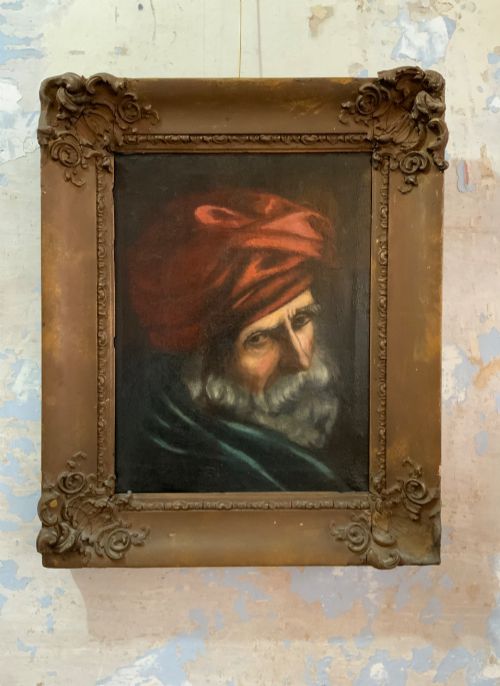
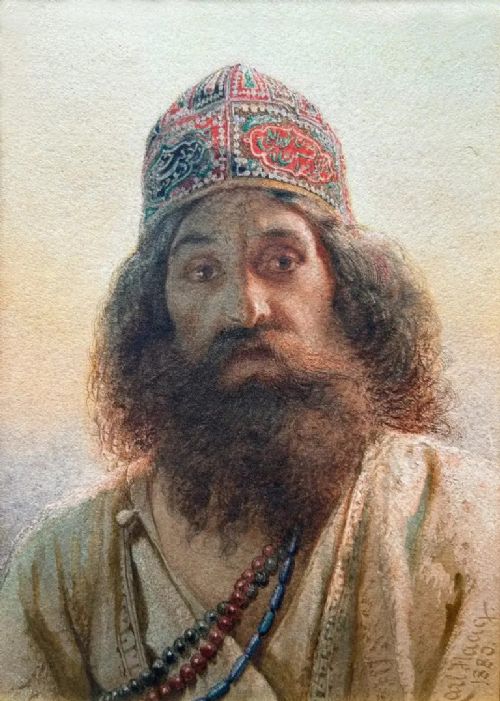
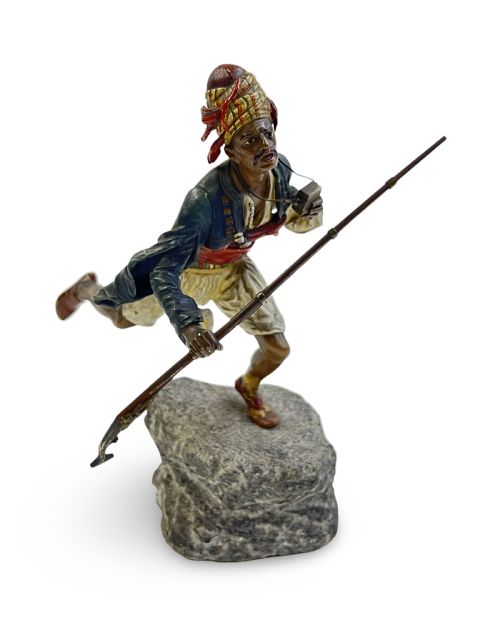
Orientalist figure painting encompasses oil on canvas artworks and related sculptural forms produced primarily during the 19th century and the early decades of the 20th century. These works depict subjects such as Persian gentlemen, dervishes, Arab merchants and Moorish warriors, reflecting European artistic interest in Eastern cultures.
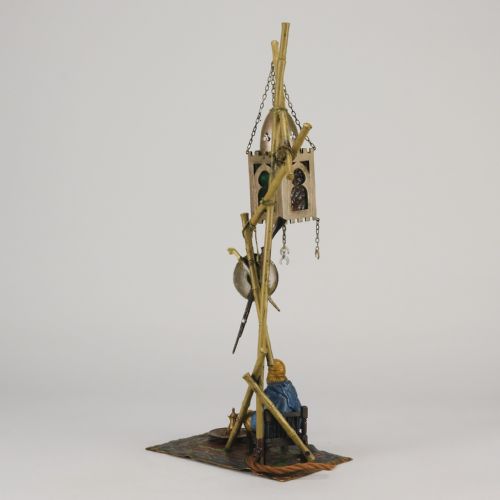
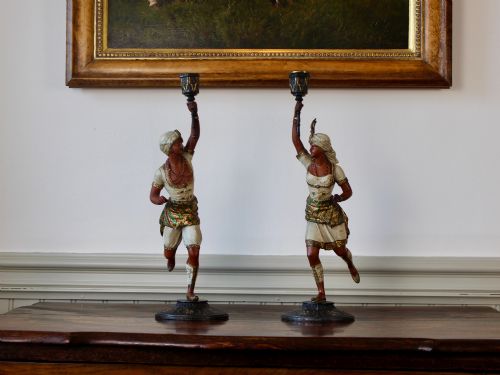
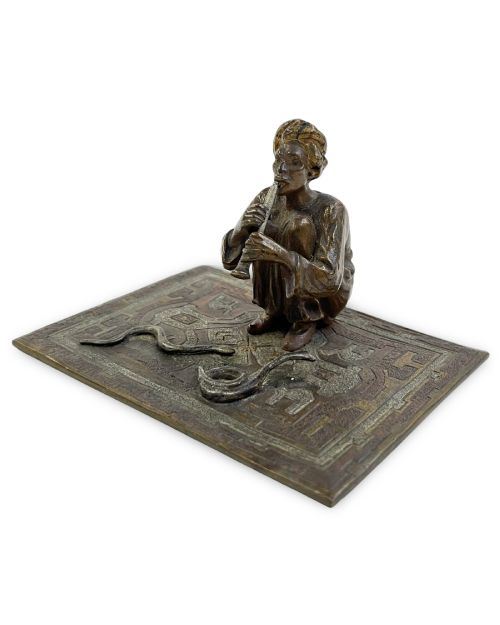
The selections available range from detailed oil paintings to cold-painted bronze figures, spelter sculptures and polychromed plaster pieces. Spelt figures, candlesticks and match strikers also appear alongside works executed in oil paint and pastel on canvas.
Originating largely from European workshops and artists, the items span periods including the Victorian era, the 1880s, and the early 20th century up to the 1950s. The common thread is the focus on human figures placed within Middle Eastern, North African or Asian thematic settings.
How they were made
Painters utilised oil paint on canvas or board, employing traditional brushwork to render figures like dervishes and historical portraits with fine detail. Pigments were layered to capture the rich textiles and atmospheric lighting associated with Orientalist subjects.
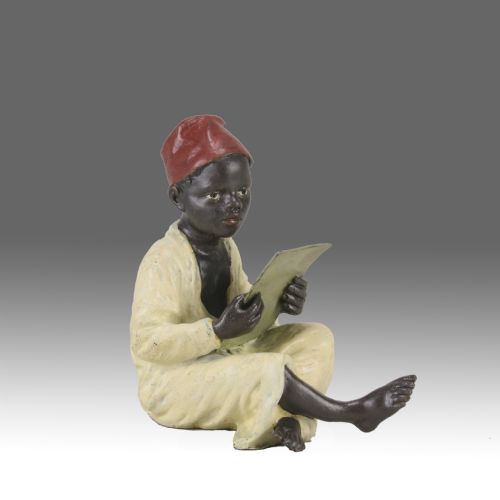
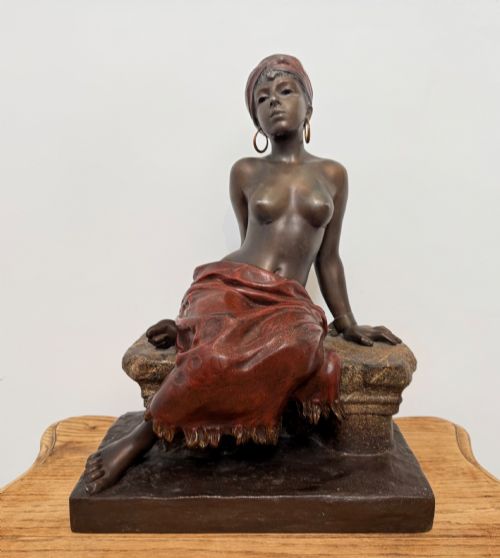
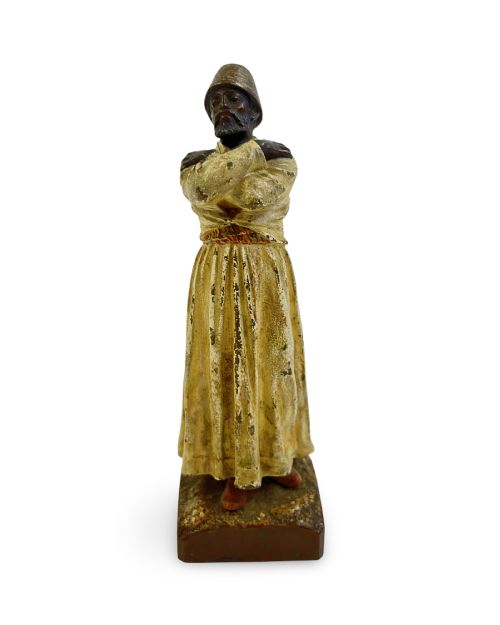
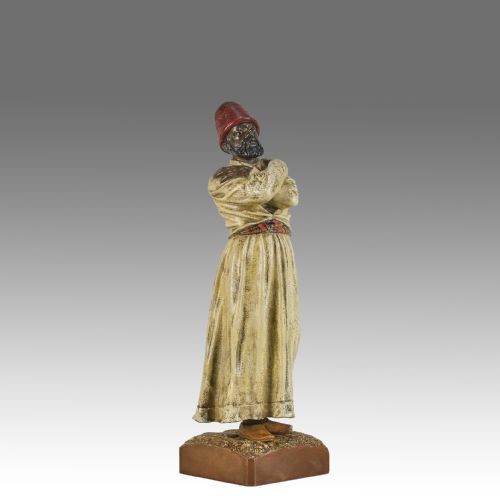
Sculptural works rely heavily on bronze casting, frequently finished with cold-painted polychrome details applied after the metal cooled. Spelter and plaster served as alternative base materials for figures and candlesticks, often receiving applied paint or bronze-effect patination to resemble solid bronze.
Orientalist Figure Painting Retail Price Guide 2026
Typical asking prices for orientalist figure painting among the pieces listed under this phrase on Sellingantiques today, from the lower quarter to the upper quarter. They describe what is for sale here now, not the wider market.
Listings feature 19th-century and early 20th-century works in bronze, oil paint, spelter, canvas and cold paint.
What varies in quality
Quality in cold-painted bronzes depends upon the crispness of the casting and the preservation of the delicate polychrome paintwork applied to the surface. Superior examples retain their original applied colours without significant flaking, displaying fine facial expressions and intricate detailing in garments and accessories.
In painted works, the finesse of the brushwork, the anatomical proportions of the figures, and the depth of the composition distinguish finer canvases from simpler decorative productions. Signed works by recognised modellers or painters generally demonstrate a higher degree of sculptural and artistic execution.
Franz Bergman·Carl Haag·E Villanis·Arthur Waagen·Goldscheider
The Orientalist Figure Painting Glossary
- Cold-painted bronze
- Bronze sculpture finished with paint applied after casting rather than firing in a kiln. This technique allowed for vibrant polychrome clothing and flesh tones on figures.
- Spelter
- A zinc alloy utilised as a less expensive alternative to bronze for figures and candlesticks. It is frequently patinated or painted to imitate heavier metals.
- Orientalism
- An artistic movement spanning the 19th and early 20th centuries focusing on the themes, peoples and landscapes of the Middle East, North Africa and Asia. Artists rendered these subjects through European stylistic traditions.
- Polychromed
- Decorated or painted in several colours. This finish appears on plaster, terracotta and metal sculptures to enhance realism.
- Match striker
- A functional domestic accessory incorporating figural elements. These pieces combined utilitarian surfaces for striking matches with sculptural designs.
Orientalist Figure Painting: Frequently Asked Questions
What subjects do these paintings feature?
The artworks depict individuals from North Africa, the Middle East and Asia, including merchants, warriors, dervishes and seated figures in traditional dress.
These compositions reflect 19th-century European artistic interpretations of Eastern societies and daily life.
How do cold-painted bronzes differ from standard bronzes?
Cold-painted bronzes feature enamel or oil-based paint applied directly onto the metal surface after casting, without a high-temperature firing process.
This method created brightly coloured garments and realistic skin tones on figures like Arab merchants and dancers.
Are spelter figures fragile?
Spelter is a softer, more brittle alloy than bronze and requires careful handling to prevent bending or breaking at thin points.
These pieces were commonly used for decorative items such as candlesticks and match strikers.
When were most of these pieces produced?
The majority date from the 19th century and the early decades of the 20th century, coinciding with the peak of the Orientalist movement in European art.
Victorian and Edwardian workshops produced the bulk of the surviving sculptures and paintings.