


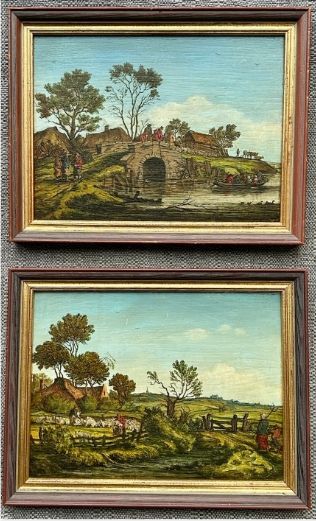
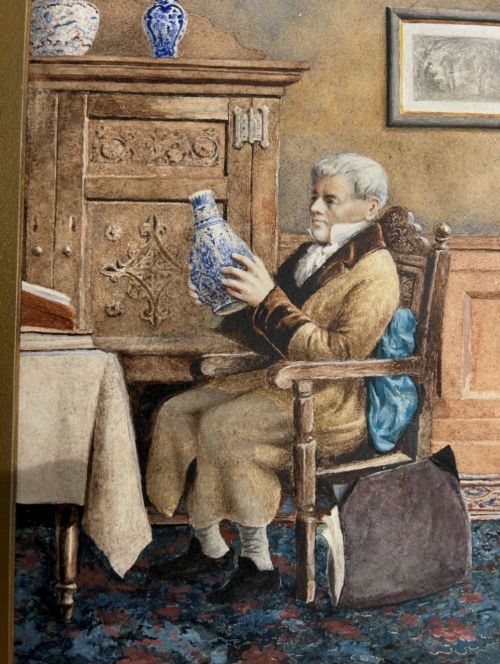
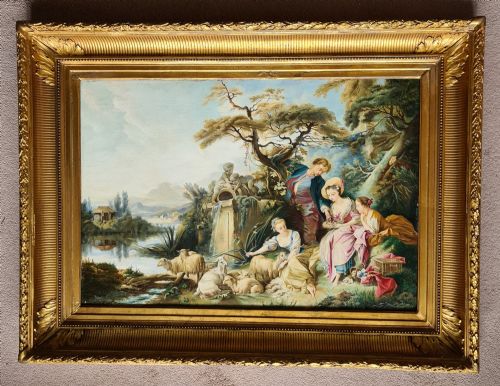
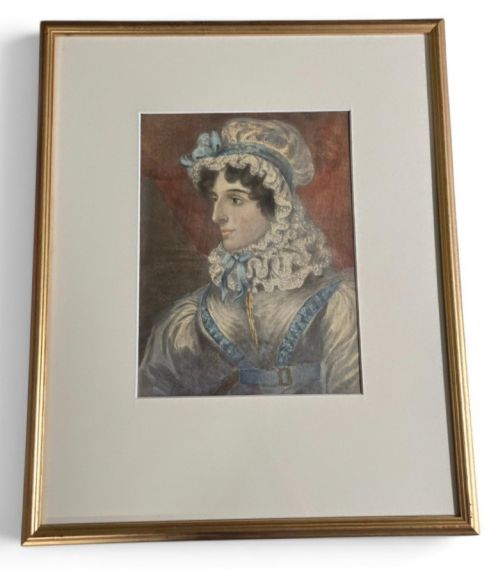
19th Century Style Artwork
These pieces of 19th century style artwork span oil paintings, watercolours, and framed prints capturing past centuries.
19th Century Style Artwork
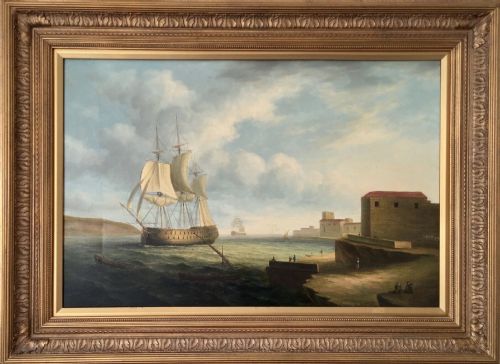
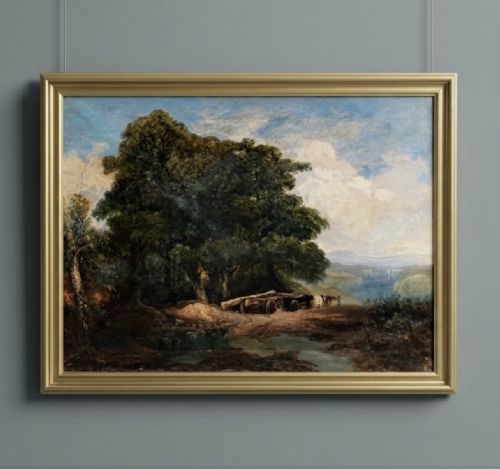
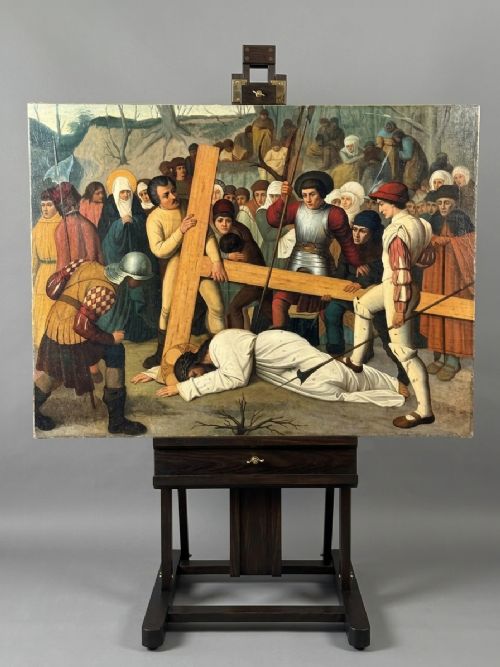
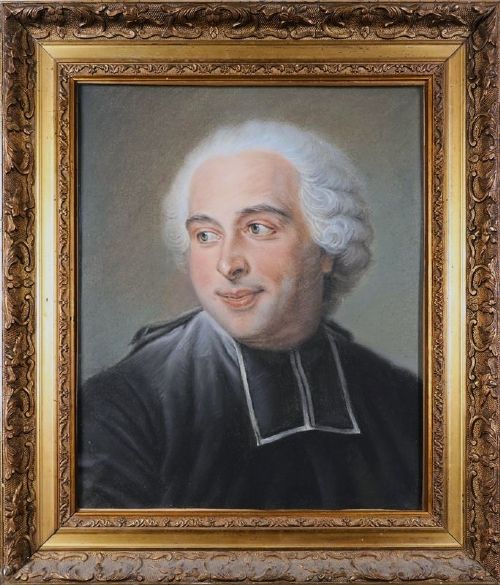
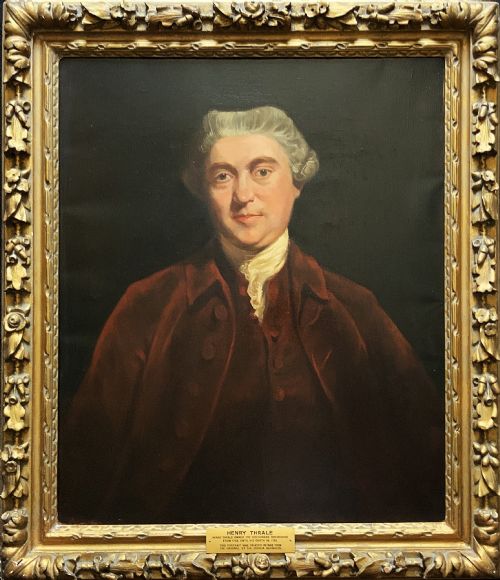
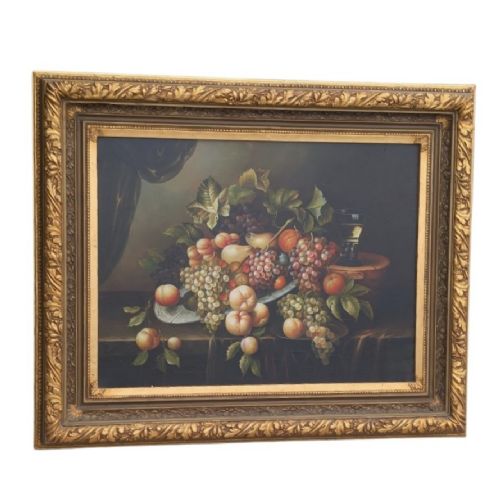
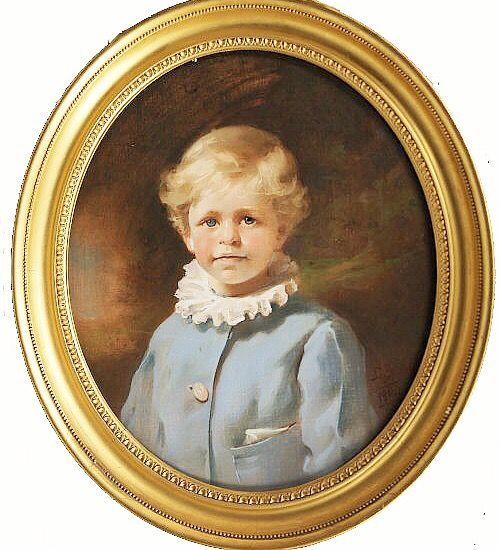
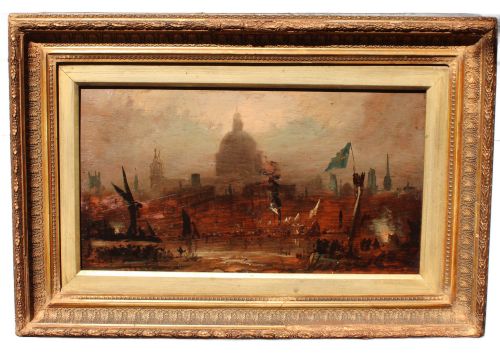
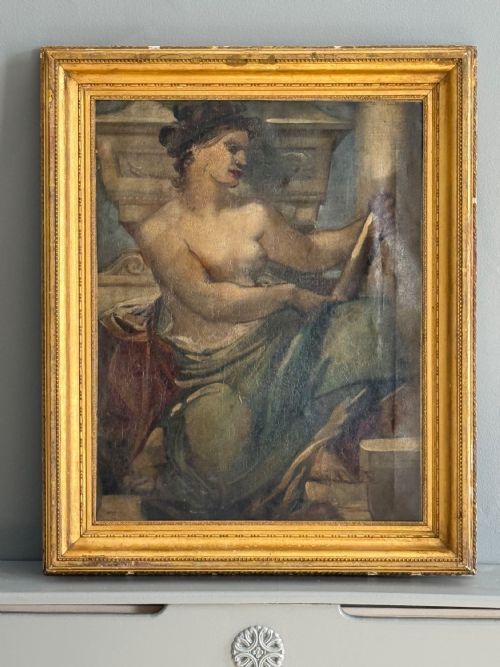
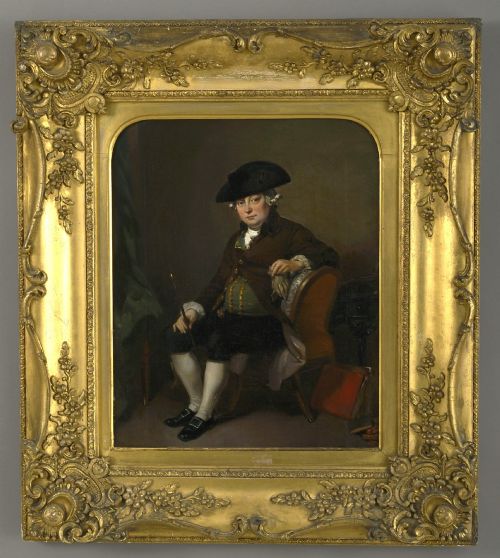
When buyers search for 19th century style artwork, they encounter a diverse selection of oil paintings, watercolours, pastels, and framed prints spanning landscape, portrait, and genre subjects. The most common form on this page is the oil painting on canvas or wood panel, often created in the manner of established British or Continental schools.
Pieces frequently reflect Victorian, Regency, and Georgian Revival aesthetics, alongside French School influences and marine subjects. Portraits and romantic landscapes dominate the selection, offering traditional decorative impact for period interiors.
Makers and followers represented include circles of notable historical painters, alongside naive folk art and decorative studies after earlier masters. Buyers find everything from intimate watercolour studies to large framed canvas works.
Materials and construction methods
The primary surfaces recorded in the evidence are canvas, wood panels, and paper, receiving oil paint, watercolour, pastel, gouache, or tempera. Giltwood and gilt wood frames provide the traditional border for many of these canvas and panel works.
Techniques range from finely rendered oil portraits and glazing to tempera with gold leaf and charcoal or ink drawings. Framing often utilises period-appropriate timber moulding finished in gilt.
Listings feature oil paintings, watercolours, pastels, and gouache on canvas, wood, paper, and glass.
Factors influencing quality
Quality in these artworks rests upon the handling of medium and light, the sureness of draughtsmanship, and the fidelity of the composition. Works by named artists or closer circles display superior anatomical proportion and atmospheric depth compared to routine decorative copies.
The condition of the canvas, panel, and original or period frame contributes significantly to the integrity of the piece. Brushwork vitality and pigment preservation distinguish accomplished studio output from simpler folk art or later reproduction prints.
Richard Sebastian Bond·Jozef Jansessens·Maurice Quentin de la Tour·W Klombeck·Henry Stacy Marks·Francois Boucher·Edward Bradford·Sir Joshua Reynolds·Leon Sprinck·J M W Turner·Samuel De Wilde·Sir Thomas Lawrence·Albert Bierstadt·William Blake Richmond·Henry Barraud·Sir John Gilbert·Nicholas Condy·Alfred Arthur Brunel de Neuville·Raphael·Miles Birkett Foster·Johann Hamza
The 19th Century Style Artwork Glossary
- Oil on Canvas
- Pigment mixed with drying oil applied to a stretched woven fabric support. This method allowed artists to achieve rich colour saturation and subtle blending.
- Panel Painting
- A painting executed on a flat piece of wood rather than canvas. Wooden supports were common in earlier traditions and certain 19th-century revivals.
- Giltwood
- Timber that has been coated with a thin layer of gold leaf or powder. It forms the decorative framing surrounding many traditional paintings.
- Genre Painting
- Depictions of everyday life, ordinary people, and domestic scenes rather than grand historical or mythological narratives. These subjects gained wide popularity during the Victorian era.
- Watercolour
- A paint consisting of colour suspended in a water-soluble vehicle, typically applied to paper. It yields translucent washes and delicate illustrative effects.
19th Century Style Artwork: Frequently Asked Questions
What subjects are most common?
Portraits, landscapes, and maritime scenes dominate the available works, reflecting the dominant tastes of the period.
Buyers also encounter still lifes, religious icons, and genre scenes depicting daily life or historical events.
How do I identify the period?
Look to the materials, framing style, and subject matter characteristics noted in the description, such as Victorian portraiture conventions.
Signatures, stamps, and stretcher construction provide additional physical evidence for dating an artwork.
Are these works original?
The selection includes original oil paintings and watercolours alongside period prints and copies after earlier masters.
Descriptions specify whether a piece is an original creation, a studio work, or a later framed print.
How should I display them?
These works suit traditional period rooms, studies, and drawing rooms where gilt frames complement antique furniture.
Keep pieces away from direct sunlight and excessive humidity to protect canvas, paper, and giltwood frames.