
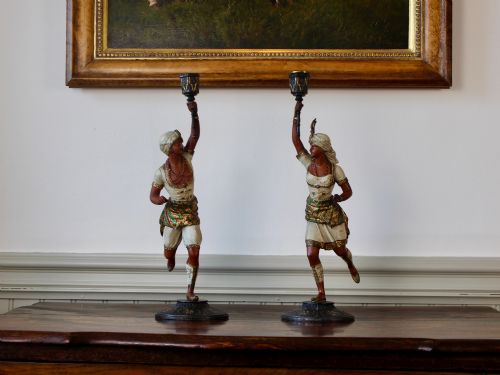


Orientalist Cold Painted Bronze
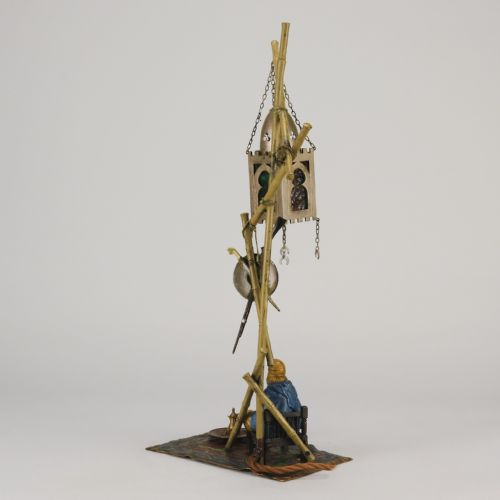
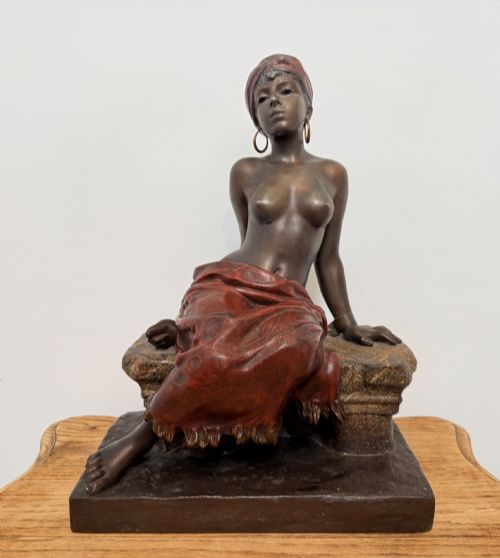
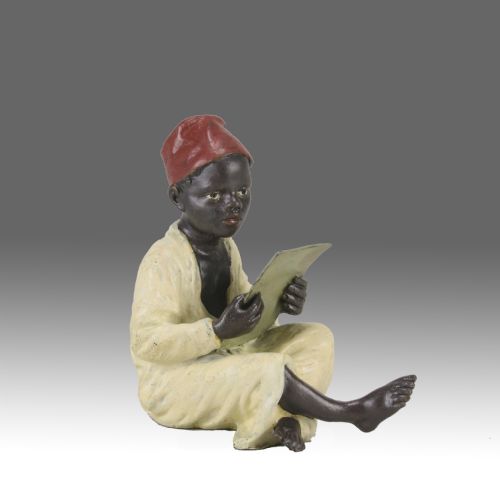
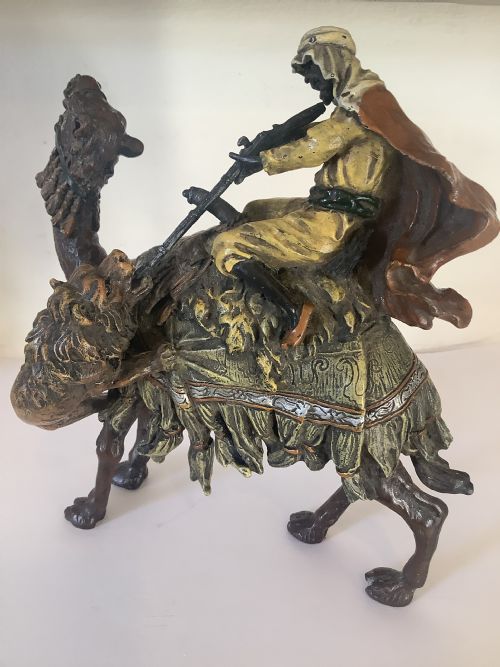
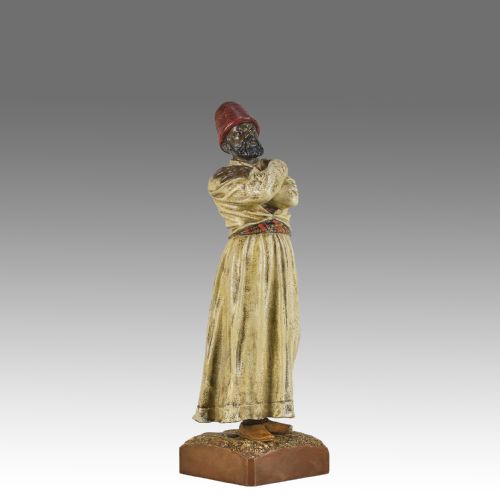
These orientalist cold painted bronze figures and lamps capture the dramatic appeal of nineteenth and early twentieth century Levantine subjects.
Orientalist Cold Painted Bronze
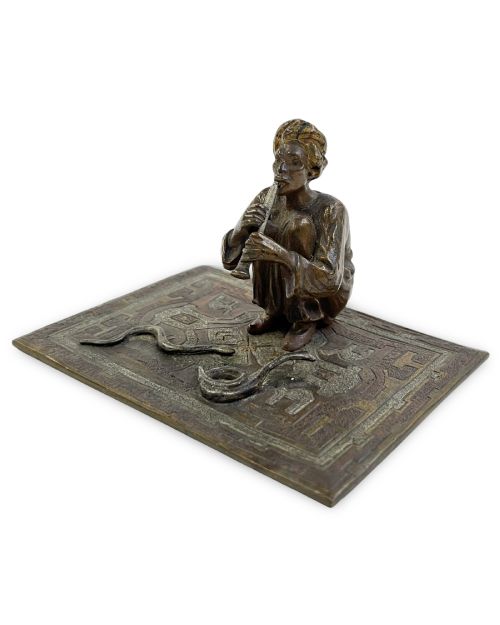
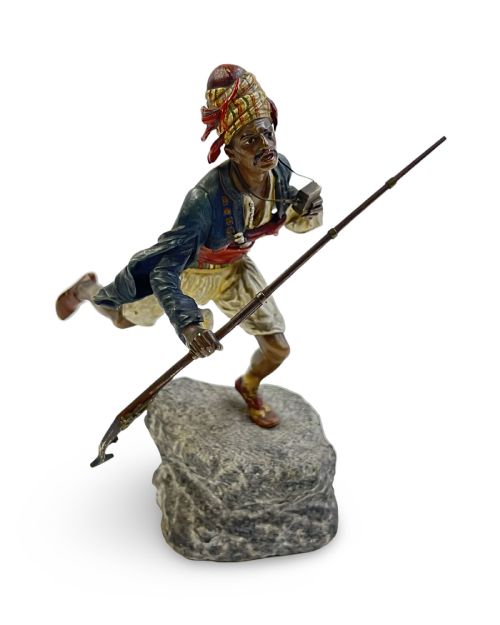
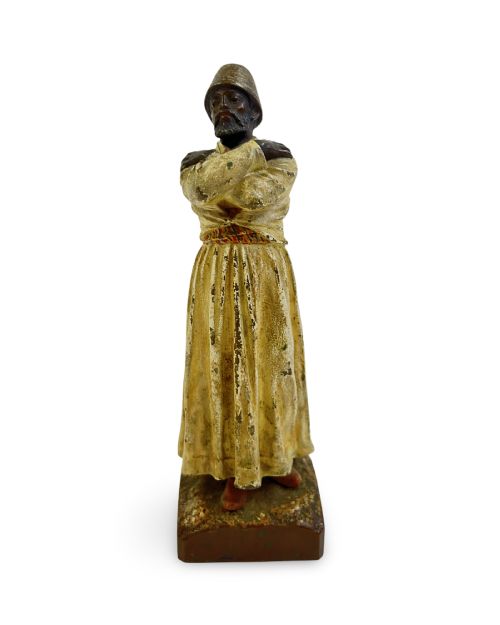
When you search for orientalist cold painted bronze, you encounter sculptural works depicting figures such as Arab merchants, dervishes, warriors, and harem scenes. The selections on this page span from the Victorian era through the Art Deco period, capturing theatrical Middle Eastern themes that fascinated European collectors.
You will frequently meet table lamps, inkstands, and small statuettes cast in metal and finished with vibrant polychrome pigments. These objects reflect a specific European fascination with North African and Ottoman subjects during the nineteenth and early twentieth centuries.
The objects take diverse forms, ranging from simple figural candlesticks and match strikers to complex sculptural groups involving multiple figures. Their subjects include seated lamp figures, snake charmers, sword merchants, and female attendants.
Materials and casting techniques
Foundry workers cast these pieces primarily in bronze or spelter, sometimes mounting the resulting sculptures on bases of marble. The metal forms provide a rigid armature for the detailed figural work that defines the genre.
Makers applied polychrome paint cold, meaning the pigment was laid onto the unheated metal surface rather than fired in a kiln. This cold paint technique produces rich surface colour on robes, rugs, and architectural details, though the pigment remains susceptible to chipping over time.
Foundries hid their marks in plain sight, turning Bergman backwards into Namgreb to sign secret erotic sarcophagus bronzes.
Factors that determine quality
The preservation and intricacy of the original cold painted surface dictate the desirability of a piece. Finer examples retain complex polychrome schemes across garments and rugs, whereas lesser items show flat or extensively retouched paint layers.
Franz Bergman·E Villanis·Arthur Waagen·Bruno Zach·Louis Hottoot
The Orientalist Cold Painted Bronze Glossary
- Cold-painted
- Pigment applied to a cast metal object without subsequent high-temperature firing. This technique allowed for vivid colouration on bronze and spelter sculptures.
- Spelter
- A zinc alloy commonly utilised as a less expensive alternative to bronze for figural sculptures and decorative items. It is softer and lighter than bronze.
- Orientalist
- An artistic style characterised by Western depictions of Middle Eastern, North African, and Ottoman subjects. It flourished across the nineteenth and early twentieth centuries.
- Namgreb
- An anagram of Bergman used as a foundry mark on Vienna bronzes. The mark conceals the maker's identity while indicating the workshop origin.
Orientalist Cold Painted Bronze: Frequently Asked Questions
What is cold painted bronze?
Cold painted bronze refers to metal sculptures finished with paints applied directly to the unheated surface rather than baked in a kiln.
This technique permitted intricate polychrome decoration on garments, skin tones, and decorative carpets, though the pigment requires careful handling to prevent loss.
How do I spot Vienna bronze?
Vienna bronzes typically exhibit meticulous detailing, naturalistic human or animal subjects, and specific foundry marks or signatures on the base.
Many pieces from this tradition also feature complex interior mechanisms, such as figures emerging from sarcophagi or opening tent structures.
Are these pieces made of solid bronze?
While many pieces are cast in solid bronze, some items utilise spelter, which is a zinc-based alloy employed by European foundries for decorative figures.
Examination of the underside or weight can help distinguish between heavy bronze casts and lighter spelter alternatives.
How should I clean these items?
You should clean these bronzes solely with a dry, soft cloth to avoid damaging the delicate cold-painted pigments.
Moisture and chemical solvents will strip the original paint layers, permanently diminishing the historical surface of the piece.