




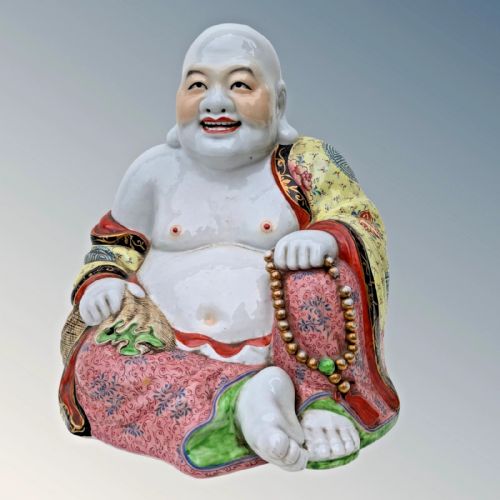


Oriental Yellow Ceramics
Oriental yellow ceramics bring striking warmth to a room through rich glazes and hand-painted figures, ginger jars and vases.
Oriental Yellow Ceramics
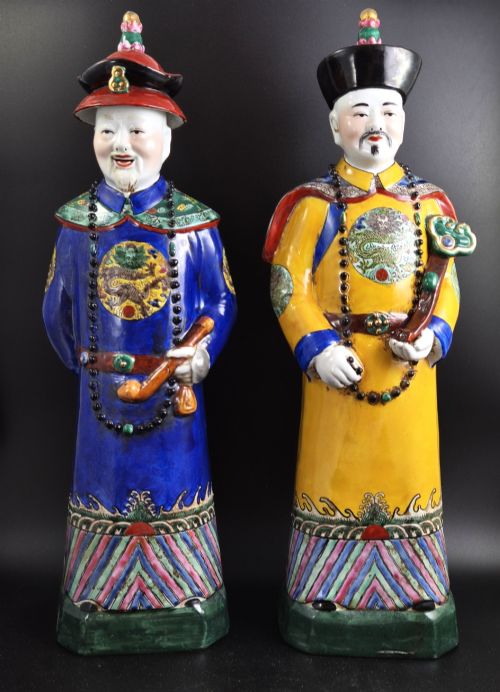
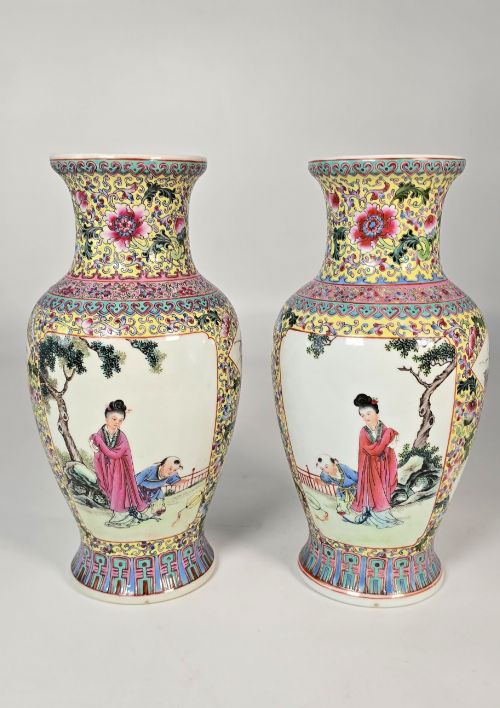
Oriental yellow ceramics encompass a vibrant range of porcelain figures, vases, ginger jars, and lamps spanning from the seventeenth century through to the twentieth century. When exploring oriental yellow ceramics on this page, buyers frequently encounter nineteenth-century production alongside pieces from the Chinese Republican period and the nineteen-thirties.
Makers and regional workshops represented include Shiwan kilns and European potteries such as Royal Doulton and Mason's Ironstone working in an oriental style. The grouping bridges traditional Asian ceramic artistry with later domestic lighting and decorative objects.
Materials and production techniques
Potters shaped these objects primarily from porcelain, ceramic, and ironstone, applying vitreous enamel and distinctive yellow glazes over the body. Surface decoration relied heavily on hand-painted pigments, enamel work, and sancai glazing techniques.
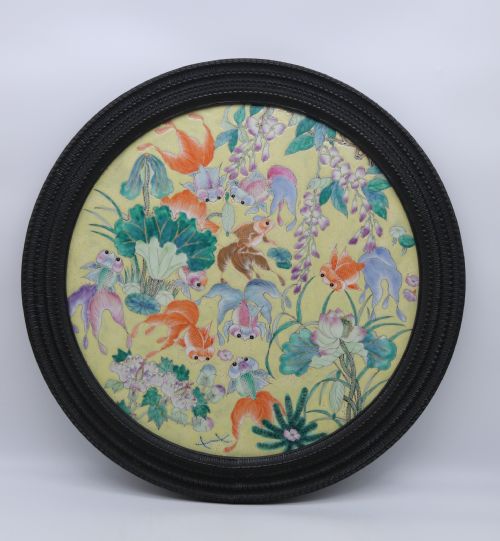
Many items incorporate secondary materials such as brass fittings and wooden bases, particularly in the conversion of vases into table lamps. Certain pieces also feature fabric elements or mounted panels framed for wall display.
Listings feature items spanning the seventeenth, nineteenth, and twentieth centuries, executed in porcelain, ceramic, and ironstone with hand-painted enamels.
The markers of distinction
Quality rests in the precision of the hand-painting and the depth and consistency of the yellow glaze across the ceramic body. Crisp definition in modelled figures and well-preserved enamel colours separate superior examples from standard production.
The integration of original mounts, such as brass and wood, and the overall state of the porcelain surface influence the standing of a piece within its period.
Royal Doulton·Mason's Ironstone·Shiwan kilns·Fujian Huiguan
The Oriental Yellow Ceramics Glossary
- Famille rose
- A major palette of Chinese ceramic enamels introduced in the Qing dynasty, distinguished by opaque pink or rose colours. This palette frequently appears alongside yellow grounds on vases and snuff bottles.
- Republican period
- A time of artistic production in China spanning the early twentieth century, noted for hand-painted porcelain panels, vases, and figures. Pieces from this era often display refined pictorial detail.
- Ginger jar
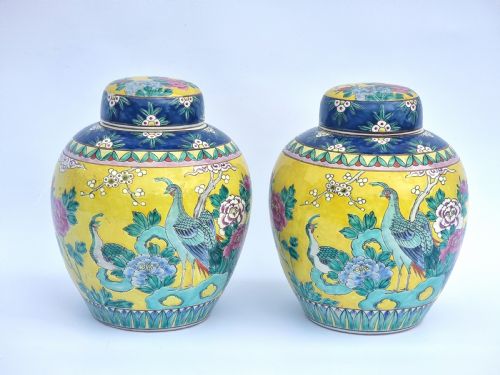
- A ceramic vessel characterised by a broad shoulders and a domed cover, originally used for spices or oil. These jars survive as popular decorative items.
- Ironstone
- A heavy, durable type of earthenware developed in nineteenth-century Britain as a robust alternative to porcelain. Potteries such as Mason's utilised this material for oriental-style chargers.
Oriental Yellow Ceramics: Frequently Asked Questions
What periods do these ceramics cover?
The pieces span from the mid-seventeenth century through the nineteenth century and into the twentieth century, including the Chinese Republican period and the nineteen-thirties.
Buyers will find that nineteenth-century items form a significant portion of the selection, alongside items marked by earlier Ming dynasty style influences.
How were these ceramic vases used?
Many large vessels served as display pieces in grand houses, while others were later adapted into table lamps with electrical fittings.
Smaller items like ginger jars held dry goods or spices originally, and snuff bottles were carried for powdered tobacco.
How do I care for antique porcelain lamps?
Dust the ceramic body gently with a dry microfiber cloth and avoid harsh chemical cleaners that might damage the enamel or glaze.
Check the electrical wiring of any converted lamp periodically to ensure safety and preserve the antique brass components.
How do I distinguish Republican period pieces?
Republican period items, dating around nineteen-thirty, often showcase fine hand-painted pictorial scenes on vases, wall plaques, and ginger jars.
They reflect a distinct artistic shift away from strict imperial workshop traditions towards individual studio expression.