


Oriental Wood Storage Trunk
An oriental wood storage trunk offers a practical method for keeping garments secure while bringing rich texture to a room.
Oriental Wood Storage Trunk
An oriental wood storage trunk is a substantial box designed for travel or household safekeeping, frequently encountered in camphorwood or lacquer across this selection. These pieces emerge in styles ranging from Chinese export and Qing dynasty to Anglo-Indian and Zanzibar workshops.
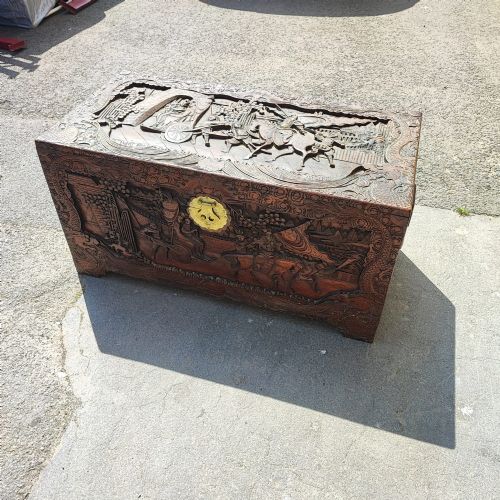
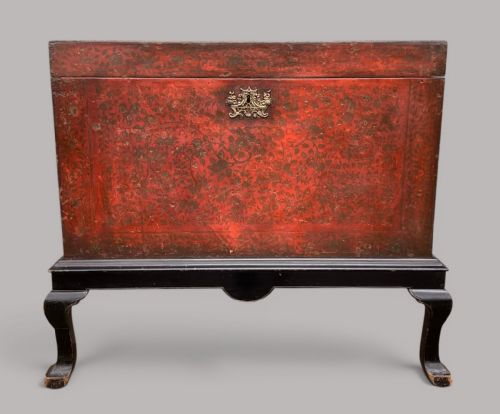
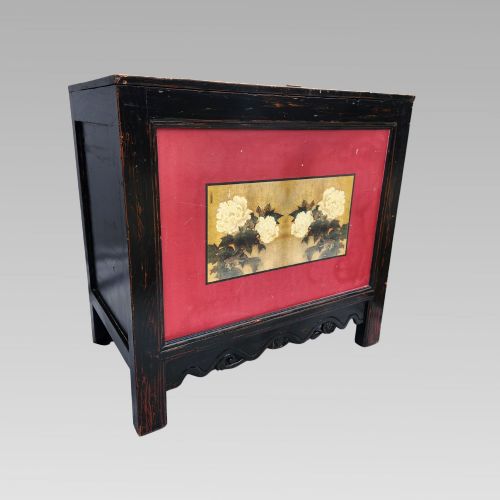
Camphorwood chests dominate the available selection, often decorated with hand-carved motifs or fitted with metallic hardware. Buyers also encounter lacquer finishes, leather-covered trade trunks, and hardwood coffer forms dating from the eighteenth century into the early twentieth century.
How they were made
Carpenters utilised durable timbers like camphorwood, rosewood, and hongmu, joining panels securely to withstand long journeys at sea and domestic storage demands. These woods resist insects naturally, making them suitable for preserving textiles.
Workshops applied brass hinges, corner plates, and lockplates for structural reinforcement and visual contrast against the dark timber. Lacquer and polychrome painted finishes appeared on specific regional pieces, while leather coverings protected travel luggage destined for the China trade.
Opening an antique camphor chest releases a century-old woodland scent that has outlived the dynasties and sailing ships that carried it.
What varies in quality
The depth and crispness of carved surface details distinguish finer chests from simpler commercial boxes. Skilled carvers produced lively floral or figural panels with distinct relief.
The integrity of original hardware, handles, and brass bindings elevates a piece. Retaining untouched surface patination and robust timber construction marks the upper tier of these storage items.
The Oriental Wood Storage Trunk Glossary
- Camphorwood
- A strongly scented timber prized for making storage chests because its natural aromatic oils deter moths and insects. This wood takes fine, deep carving well.
- Zanzibar chest
- A heavy chest featuring brass studding, strapwork, and intricate hardware, produced for trade markets in the Indian Ocean. These pieces often utilise dense hardwoods like rosewood.
- China trade
- A historical term for goods manufactured in China specifically for export to Western markets during the eighteenth and nineteenth centuries. These items frequently combine Eastern construction with European-influenced forms.
- Chinoiserie
- A European artistic style reflecting Chinese motifs and decorative techniques, applied to lacquered or painted furniture. It appears on storage trunks produced for international clientele.
- Cofer
- An alternative term for a sturdy chest or box used for valuables and textiles. These older forms usually display heavy timber construction.
Oriental Wood Storage Trunk: Frequently Asked Questions
How do I use an oriental wood storage trunk at home?
These chests function effectively as coffee tables, end-of-bed blanket boxes, or standalone hallway storage pieces. Their robust tops support everyday items while concealing household linens inside.
The natural aroma of camphorwood helps keep stored woollens and garments fresh over long periods. Placement away from direct heat sources protects the timber and finish.
How do I identify a camphorwood chest?
Lifting the lid reveals a distinct, clean medicinal scent characteristic of the wood. The interior grain is typically pale and fine-textured.
Many examples feature carved exterior panels depicting landscapes, foliage, or figures. The timber ages to a warm amber or deep brown hue.
What is a Zanzibar chest?
A Zanzibar chest is a distinct form of trade trunk ornamented with elaborate brass studs, geometric strapwork, and central lock plates. They were made in coastal East Africa and India for maritime trade.
These pieces use dense tropical hardwoods such as rosewood or teak. Their robust hardware was designed to withstand arduous sea voyages.
How do I date an antique storage trunk?
Dating relies on examining the construction methods, types of hardware, and timber patination. Eighteenth-century examples often show heavier panel construction and simpler joinery.
Nineteenth and early twentieth-century pieces frequently incorporate applied brass corner mounts, campaign handles, and intricate carved relief. Catalogued dates and styles within listings provide a reliable chronological guide.