


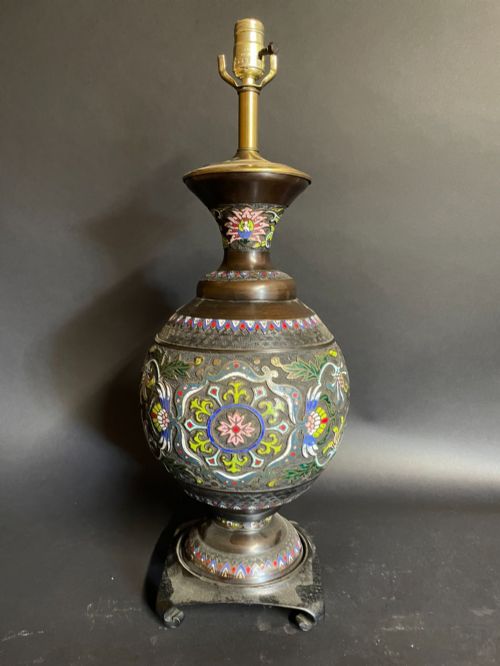

Oriental Urn Table Lamps
These oriental urn table lamps bring heavy bronze, carved hardwood and painted porcelain from the nineteenth and early twentieth centuries straight onto your side table.
Oriental Urn Table Lamps
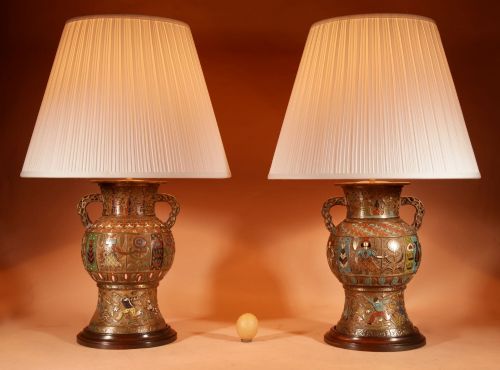
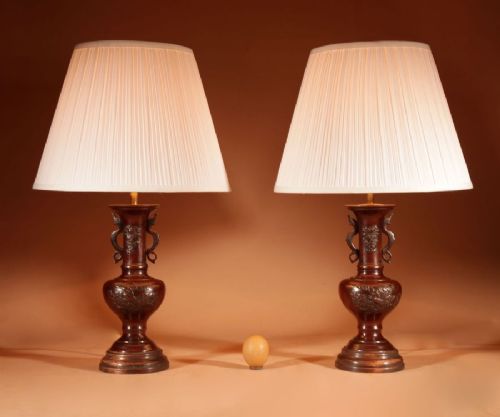
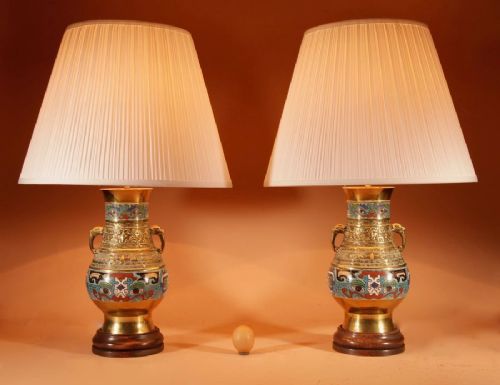
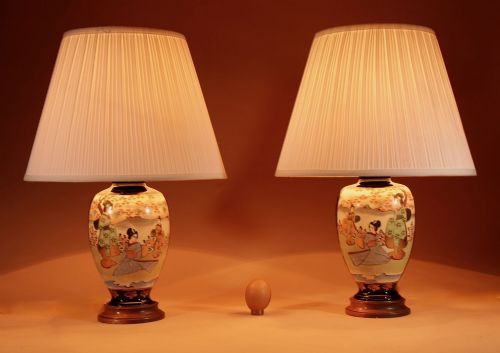
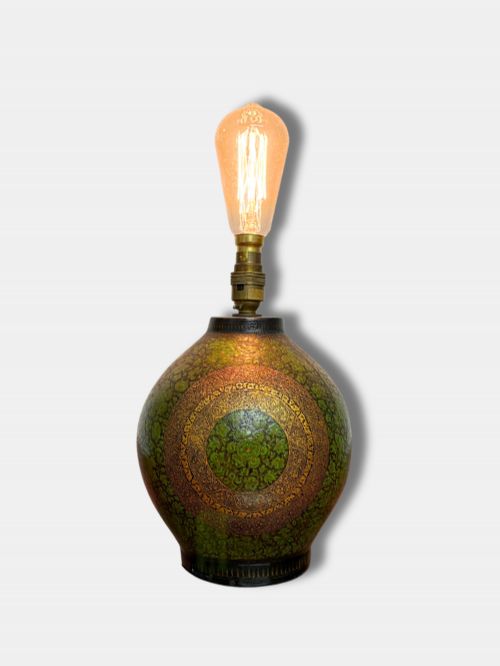
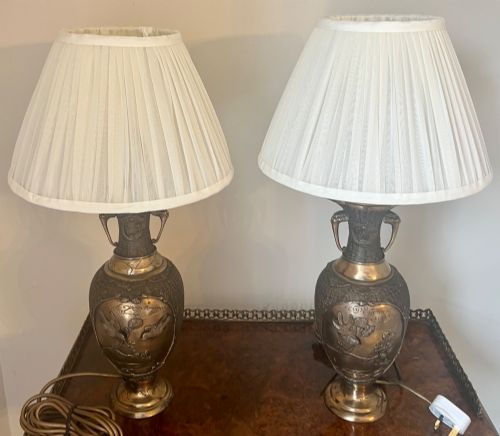
Oriental urn table lamps bring together converted vases, jars and lidded vessels mounted for lighting during the Victorian and Edwardian eras. Buyers searching for oriental urn table lamps will frequently encounter Japanese bronze and Satsuma examples alongside Chinese porcelain and celadon pieces.
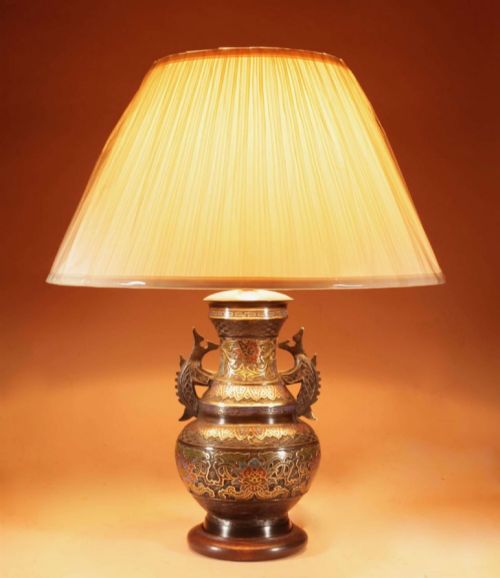
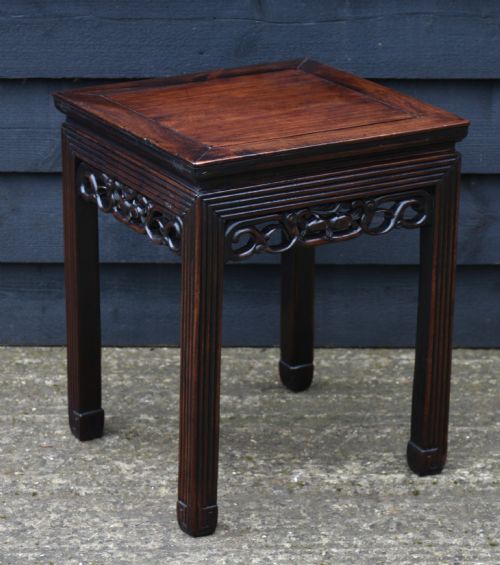
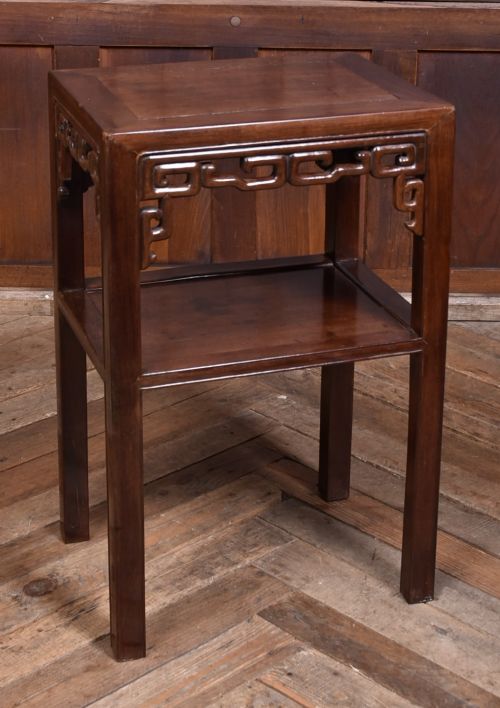
The selection ranges from tall pairs with champleve enamelling to smaller single vessels paired with silk or fabric shades. Alongside actual lighting fixtures, the category includes hardwood and marble tables designed to display these very forms.
Originating largely from the nineteenth century, these objects draw on Chinese Export, Meiji and Qing traditions. Many began life as decorative vessels before finding new purpose as lamps.
How they were made
Craftsmen built these pieces using heavy bronze, brass and cloisonne alongside delicate porcelain, earthenware and hard woods like rosewood. Artisans applied intricate champleve enamelling and painted glazes directly onto the metal or ceramic bodies.
Makers integrated gilt bronze mounts and fitted metal collars to secure electrical components into previously solid vases and jars. Fabric shades and silk elements completed the conversion from antique vessel to functional illumination.
Heavy bronze urns successfully moonlight as reading lamps after centuries of quiet contemplation.
What varies in quality
The distinction between ordinary and exceptional lamps lies in the crispness of the bronze casting and the precision of the enamel work. Hand-painted detail on porcelain vessels displays varying degrees of artistry, from mass production to fine hand-finishing.
Matching pairs command greater attention than single pieces, particularly when the patination and wear on the bronze remain uniform. The quality of the underlying vessel, whether carved hardwood or heavy Satsuma ceramic, dictates the overall presence of the lamp.
Hicks and Meigh·Samson
The Oriental Urn Table Lamps Glossary
- Champlevé
- Enamelling technique where recesses are gouged into metal and filled with vitreous paste before firing. This method creates vibrant patterns on bronze lamp bodies.
- Satsuma
- Earthenware pottery originating from Japan, typically featuring a crackle glaze and detailed polychrome painting. These pieces are frequently converted into decorative lighting.
- Cloisonné
- Decorative metalwork method using thin wires to partition areas filled with enamel paste. It provides textured, colourful patterns on antique lamp bases.
- Celadon
- Pale green jade-like ceramic glaze applied to Chinese porcelain vessels. This finish appears on large antique vases adapted for interior lighting.
- Famille Rose
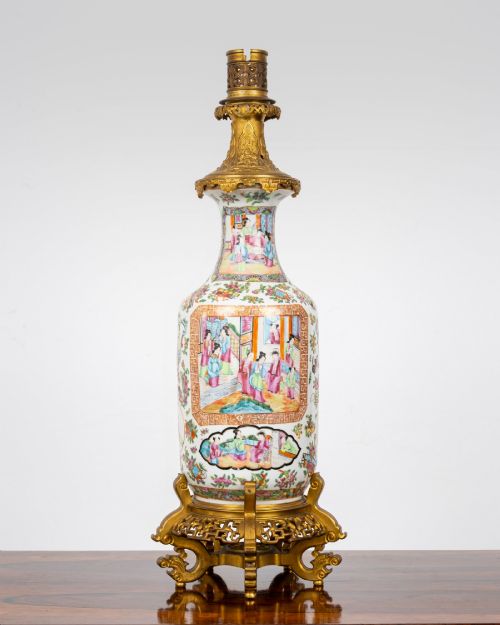
- Chinese ceramic palette dominated by pink enamel colours introduced during the Qing dynasty. It decorates porcelain urns later turned into lamps.
Oriental Urn Table Lamps: Frequently Asked Questions
Are these lamps converted from old vases?
Many examples began life as decorative Chinese or Japanese vases, ginger jars or lidded urns before receiving electrical fittings later in their lifespan.
Craftsmen adapted these vessels during the nineteenth and twentieth centuries to suit contemporary interior lighting trends while preserving the original ceramic or bronze body.
How do I identify Meiji period pieces?
Japanese items from this era often feature distinct bronze casting, champleve enamel or Satsuma earthenware styles. These production methods align with the dates spanning the late nineteenth and early twentieth centuries.
Examining the weight of the metal and the complexity of the painted or enamelled surface helps confirm the manufacturing period.
Can I find matching pairs of lamps?
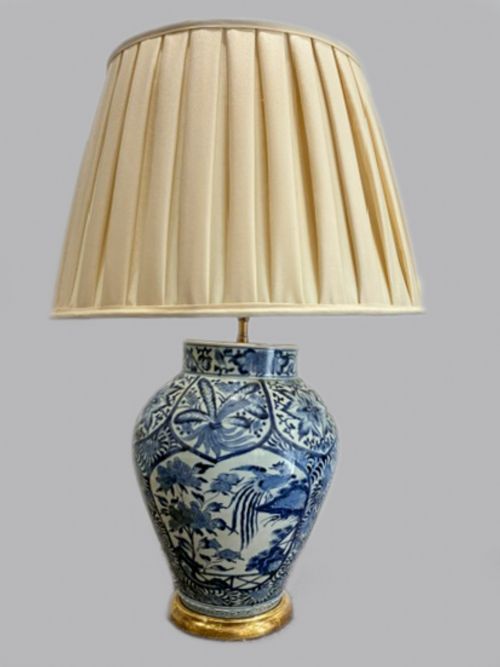
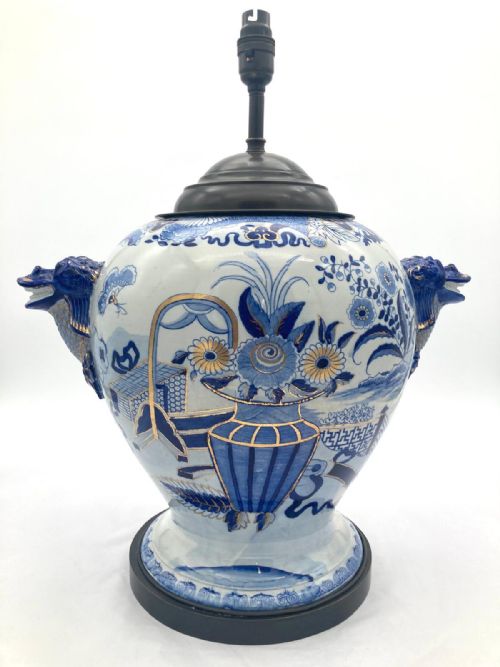
Symmetrical pairs appear frequently among bronze, Satsuma and blue and white porcelain listings. These matching sets usually share identical decorative motifs and comparable dimensions.
Securing a matched pair offers a balanced look for mantelpieces, large sideboards or dedicated lamp tables.
What surfaces work best with these lamps?
Heavy bronze and porcelain designs require sturdy furniture such as marble top lamp tables, oriental hardwood stands or robust side tables. Placing them on stable surfaces supports their considerable weight and height.
Pairing them with low wooden coffee tables or plant stands creates a balanced display within a room.