



Oriental Storage Cabinet
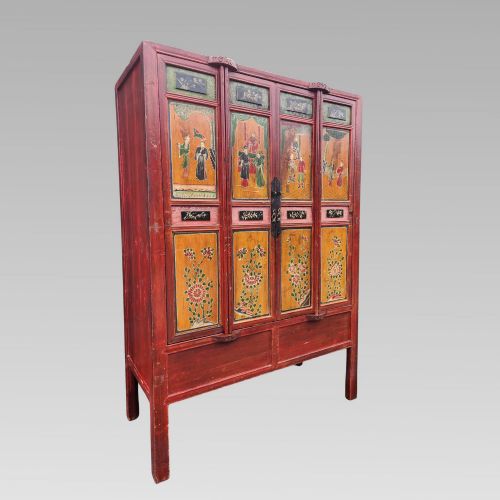
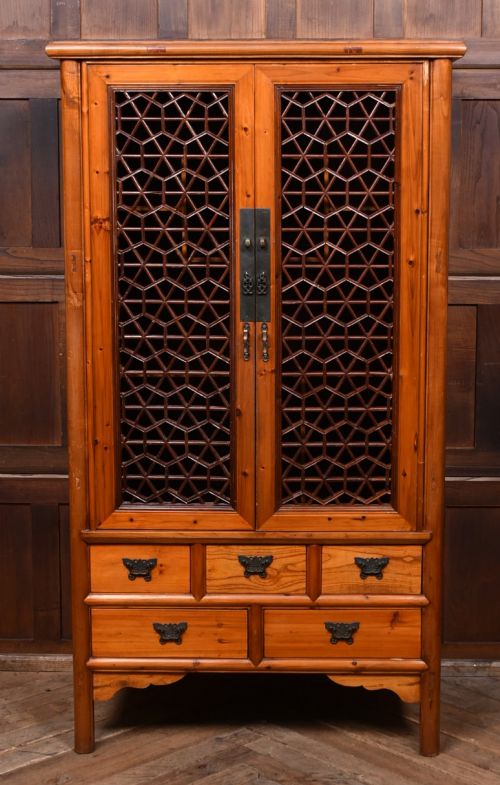
Oriental storage cabinet examples span the nineteenth and early twentieth centuries, bringing vibrant lacquer and carved timber into rooms.
Oriental Storage Cabinet
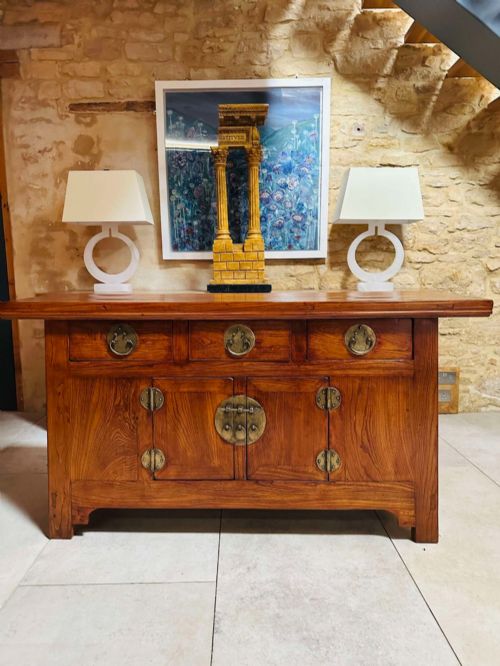
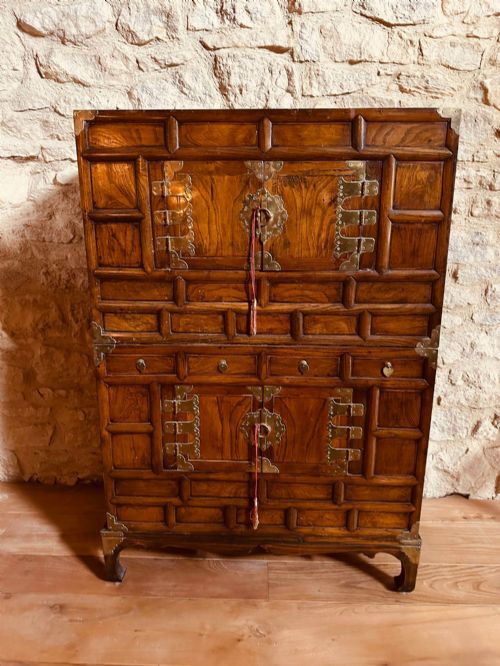
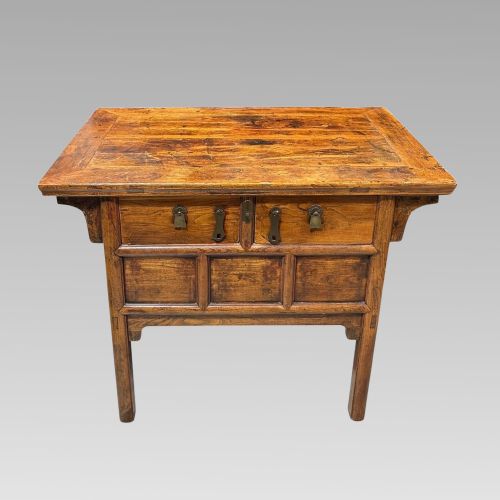
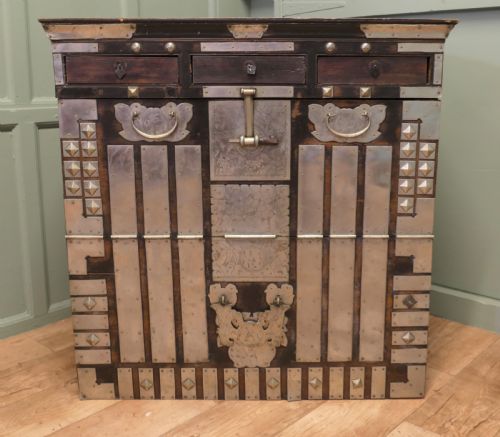
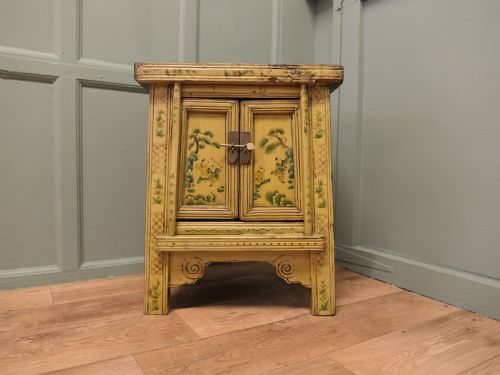
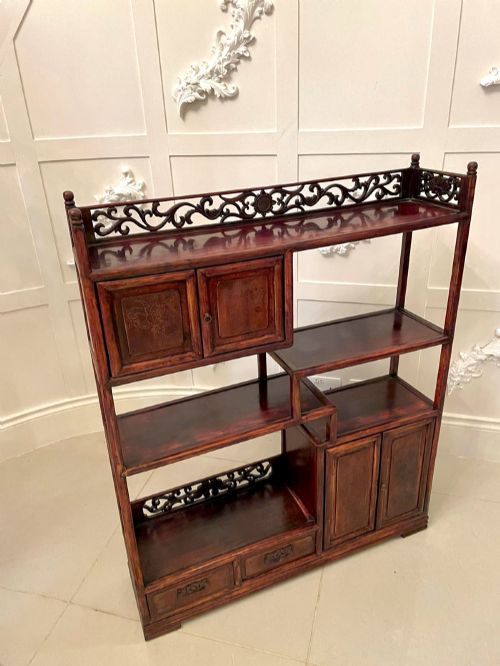
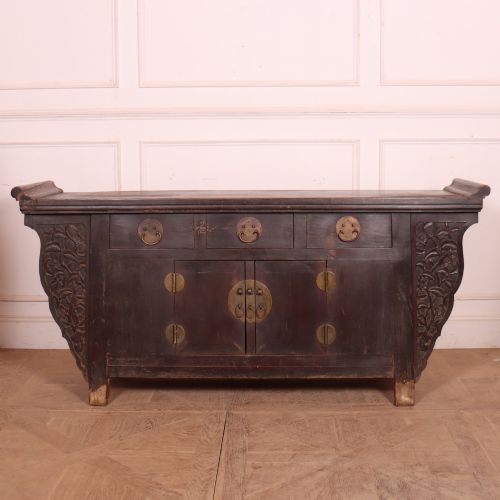
An oriental storage cabinet is typically encountered as a nineteenth century or early twentieth century piece, drawing on traditional Chinese forms and Qing Dynasty styles. These items appear as sideboards, side cabinets, and marriage cabinets, offering substantial storage behind panelled doors.
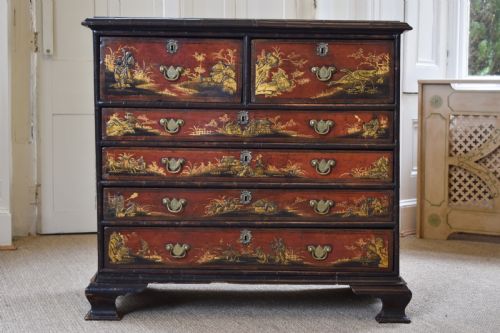
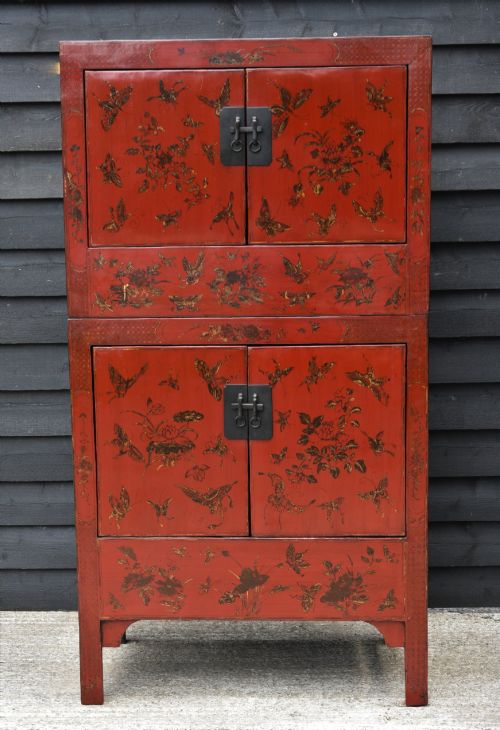
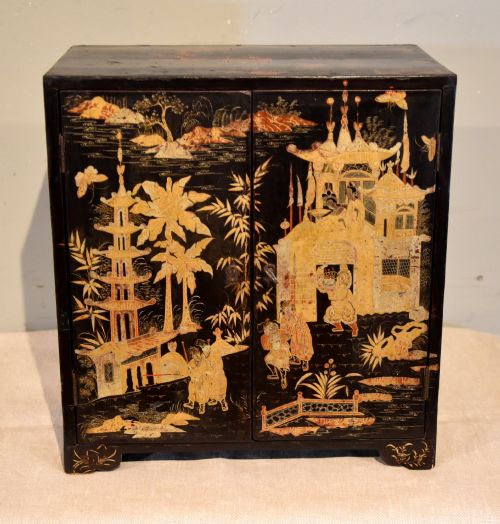
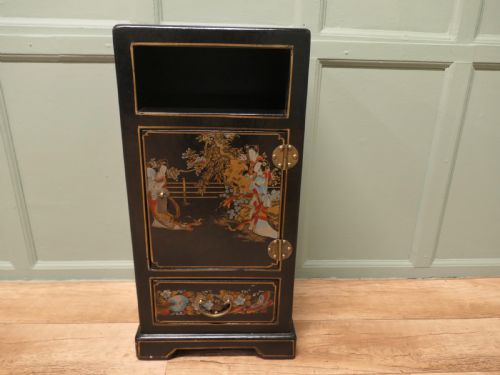
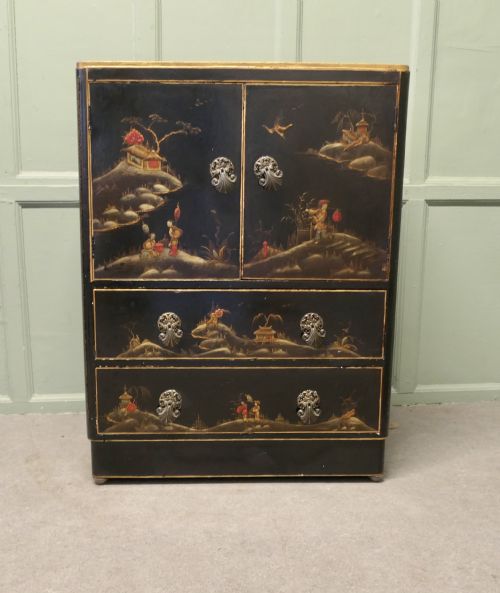
The most frequent version met on this page is the red lacquer marriage cabinet, often executed in elm or softwood. Black lacquer finishes and smaller bedside cupboards also recur, reflecting traditional Chinese domestic furniture.
How they were made
Joinery relies on native timbers such as elm and softwood, providing a sturdy carcase for extensive daily use. Surfaces are finished with layered red or black lacquer, sometimes augmented with gold leaf detailing.
Carved decoration and contrasting brass hardware complete the construction, securing doors and drawers while adding decorative emphasis to the timber structure.
Oriental Storage Cabinet Retail Price Guide 2026
Typical asking prices for oriental storage cabinet among the pieces listed under this phrase on Sellingantiques today, from the lower quarter to the upper quarter. They describe what is for sale here now, not the wider market.
The archive demonstrates a recurring preference for Chinoiserie black and red lacquer finishes on storage cupboards.
What varies in quality
Quality separates through the depth and precision of the carved ornament, alongside the richness of the lacquer finish. Pieces retaining original gilding and integrated brass furniture display a higher tier of craftsmanship than later or simpler interpretations.
The choice of primary timber also distinguishes pieces, with elm offering a more substantial grain and weight compared to softer woods utilised in utility builds.
The Oriental Storage Cabinet Glossary
- Lacquer
- A durable natural resin finish applied in multiple layers to seal and decorate wood surfaces. It provides a deep sheen and protects the underlying timber.
- Marriage cabinet
- A traditional Chinese storage form traditionally given as a wedding gift to hold personal belongings and textiles. These tall cabinets often feature striking red finishes.
- Chinoiserie
- European decorative style reflecting Chinese artistic motifs and techniques. It appears on various cabinets through painted scenes and gold highlights.
- Qing Dynasty
- The final imperial dynasty of China, lasting from sixteen forty-four to nineteen twelve. Pieces from this era often dictate the traditional forms seen in these cabinets.
- Sideboard
- A long low storage furniture piece designed for dining rooms or hallways. It combines cupboard space with a flat surface top.
Oriental Storage Cabinet: Frequently Asked Questions
How were marriage cabinets used?
Marriage cabinets served as essential domestic storage for clothing and bedding in traditional Chinese households. Their generous interior space accommodated bulky textiles and valuable personal possessions.
Today, these substantial cupboards function effectively in modern living spaces for linens, dinnerware, or as media units. Their deep compartments hide clutter while introducing strong colour and historic character to a room.
What wood is used in these cabinets?
Constructed primarily from native Chinese elm or softwood, these cabinets rely on traditional timber framing to ensure structural stability. Elm provides a visible, attractive grain beneath lacquer applications.
Makers selected these woods for their availability and local tradition rather than imported exotic hardwoods. The combination of timber carcase and lacquer creates a durable surface that withstands decades of handling.
How do I date an oriental cabinet?
Dating relies on assessing the construction methods, the wear of the lacquer, and the style of brass hardware attached to the doors. Pieces from the nineteenth century often show softer patination and hand-mixed finishes compared to later items.
Stylistic markers such as Qing Dynasty carving details or specific C nineteenth dating references help place pieces in their proper historical bracket. Examining the interior timbers and backboards also reveals age through tool marks and shrinkage.
Are black and red lacquer finishes original?
Many surviving pieces retain their traditional red or black lacquer schemes, which were applied during manufacture to protect and adorn the timber. Red lacquer marriage cabinets held specific cultural significance for celebrations and weddings.
Over time, exposure to light and atmosphere alters the brightness of the pigments and the depth of the gold leaf. Evaluating the surface crackle and wear helps determine whether the finish has survived intact from its period.