





Oriental Storage Box
These oriental storage box examples range from carved camphor wood chests to lacquered trunks designed to keep possessions secure in style.
Oriental Storage Box
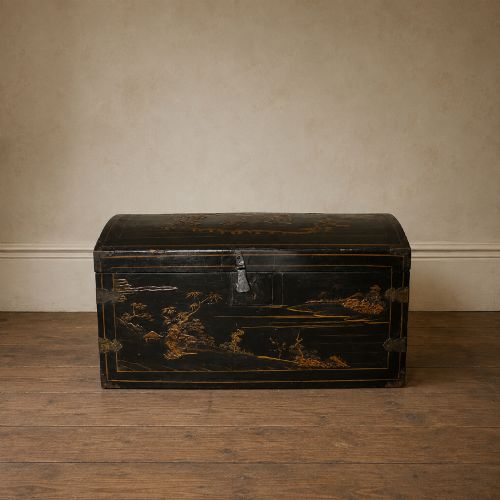
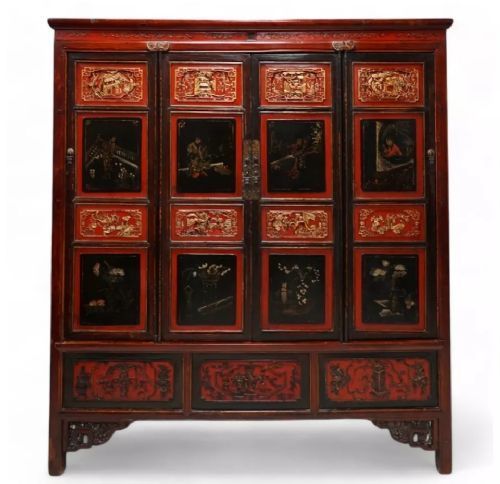
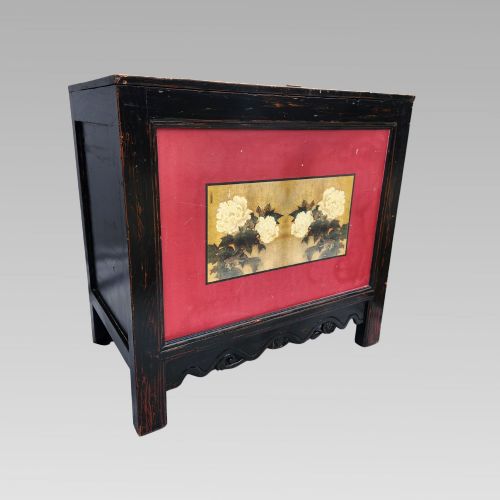
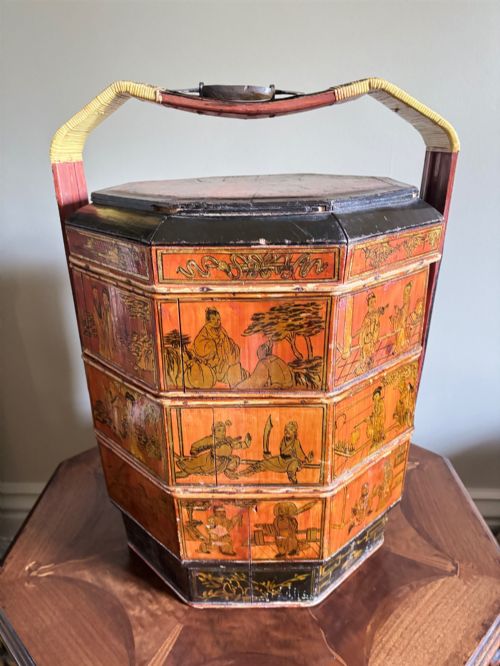
An oriental storage box encompasses a variety of trunks, chests, coffers, and blanket boxes originating from periods spanning the eighteenth century through to the early twentieth century. Buyers encounter forms ranging from heavy camphor wood luggage chests to black lacquer domed trunks and tiered dowry baskets. Styles reflect traditional Chinese, Japanese, and Indian craftsmanship, including Chinese Export and Qing Dynasty pieces.
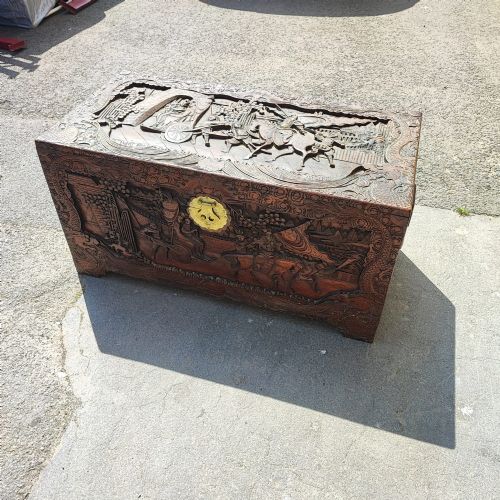
The most common examples on this page are nineteenth-century camphor wood chests and trunks, often featuring carved motifs or brass hardware. Alongside these, buyers find leather-covered trade trunks, elm marriage cabinets, and specialised cases such as tea caddies and small keepsake boxes. Regional variations include Japanese tansu chests and Zanzibar chests made of hardwood or rosewood.
Many of these containers served functional purposes for travel or domestic organisation, such as blanket storage or keeping tea and documents safe. The selection includes larger scale storage coffers alongside smaller decorative cases and lidded pots. Each object demonstrates the practical utility required for transit combined with traditional regional aesthetics.
Materials and Construction
Wood selection defines these pieces, with camphor wood being widely utilised for its aromatic properties that naturally deter insects from stored garments. Hardwoods such as elm, teak, and rosewood provide structural integrity for larger chests and coffers, whilst kiri wood appears in Japanese cabinetry. Artisans also employed bamboo and leather over wooden frames for trade trunks and travel luggage.
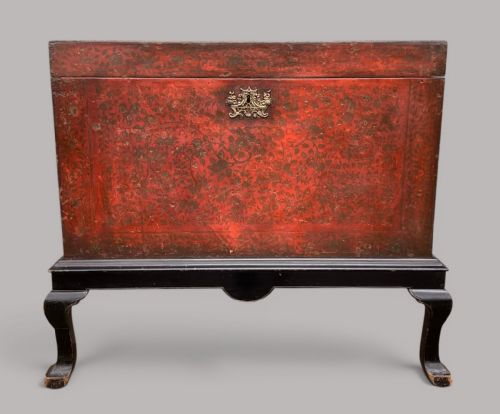
Surface decoration relies heavily on traditional lacquering techniques, yielding red and black finishes often enriched with gilt decoration, painted floral patterns, or Chinoiserie details. Metalwork plays a crucial role in construction, utilising brass and iron for hinges, corner brackets, locks, and handles. These metal fittings provide both structural reinforcement and decorative contrast to the wood and leather surfaces.
Regional styles on this page include Chinese Export, Japanese Tansu, Anglo-Indian, and traditional Qing Dynasty workmanship.
Craftsmanship and Preservation
Quality reveals itself in the depth and clarity of the hand carving on camphor wood panels and the precision of the joinery. Superior examples maintain the integrity of their original hardware, such as substantial brass hinges and locks, rather than later replacements. The preservation of original surface finishes, including multi-layered lacquer and polychrome paintwork, distinguishes finer pieces.
The condition of internal fittings and linings also marks the difference across the range, with intact trays, compartments, or original paper linings elevating a piece. Structural stability in larger chests and marriage cabinets indicates competent workshop production from the period. Pieces retaining their authenticated period characteristics without heavy modern intervention command greater interest.
The Oriental Storage Box Glossary
- Camphor Wood
- A resilient, aromatic timber prized for furniture and trunks because its natural scent protects textiles from moths. It is frequently carved with dense relief scenes.
- Lacquer
- A durable varnish applied in multiple coats to wood surfaces, often cured to a smooth red or black finish. It provides both protection and a glossy canvas for gilt artwork.
- Zanzibar Chest
- A heavy hardwood storage chest ornamented with brass studs, strapwork, and intricate hardware. These pieces reflect trade connections between India, the Middle East, and East Africa.
- Tansu
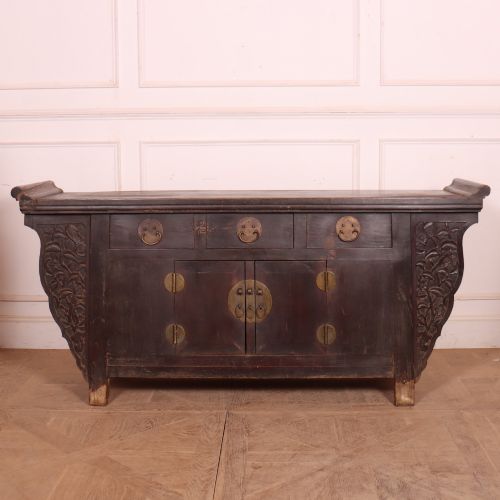
- A traditional Japanese mobile storage cabinet constructed with visible joinery and iron mounts. They were built in modular sections for domestic utility.
- Coffer
- A sturdy wooden chest traditionally used for holding valuables or documents. They generally feature hinged lids and robust framing.
Oriental Storage Box: Frequently Asked Questions
What is an oriental storage box used for?
Historically, these containers served to transport personal belongings, store delicate textiles, or secure household valuables during travel and domestic life.
Today, they function as practical living room or bedroom storage furniture that doubles as a decorative coffee table or blanket chest.
What is a Zanzibar chest?
A Zanzibar chest is a distinctive style of trade chest made from dense hardwoods like teak or rosewood.
These pieces are heavily decorated with brass studding, decorative strapwork, and elaborate lock plates reflecting maritime trade.
Are these boxes waterproof?
Whilst tight joinery and heavy lacquer or leather coverings offered protection against moisture during transit, they are not sealed waterproof containers.
They are designed to protect contents from dust, light, and pests rather than immersion or damp environments.
How do I care for a lacquered trunk?
Lacquered surfaces require gentle maintenance using a soft, dry cloth to remove dust without abrasive cleaning agents.
Keep them away from direct sunlight and extreme humidity fluctuations to prevent the surface finish from cracking.