



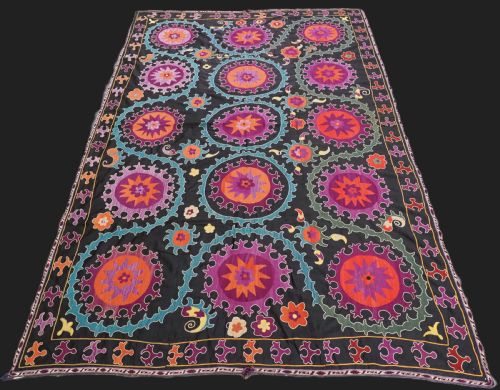


Oriental Silk Wall Hanging
An oriental silk wall hanging brings tactile depth to a room through centuries of textile artistry from China, Central Asia, and Persia.
Oriental Silk Wall Hanging
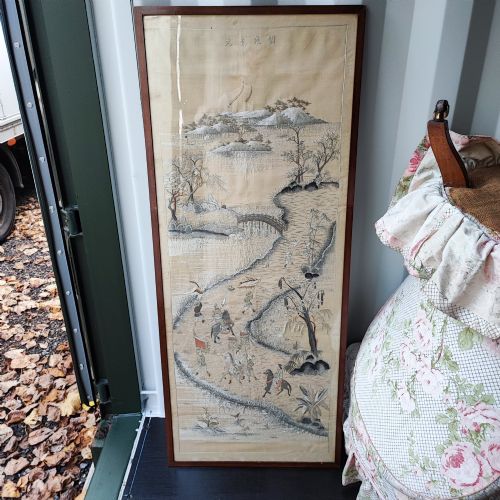
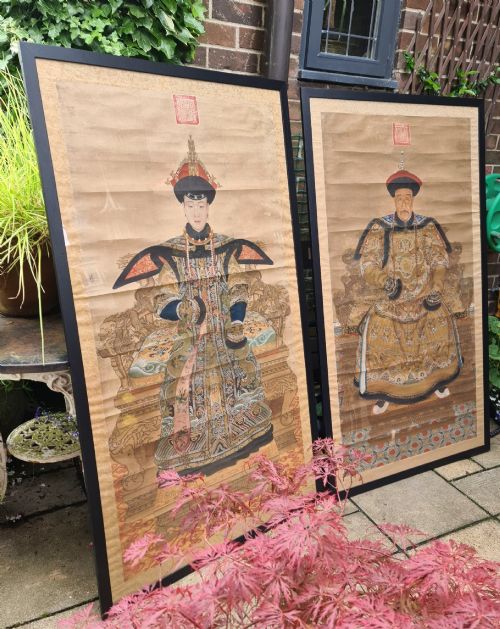
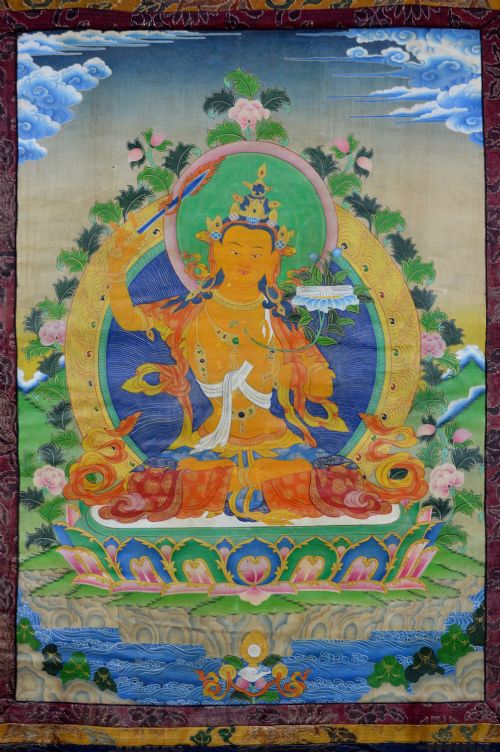
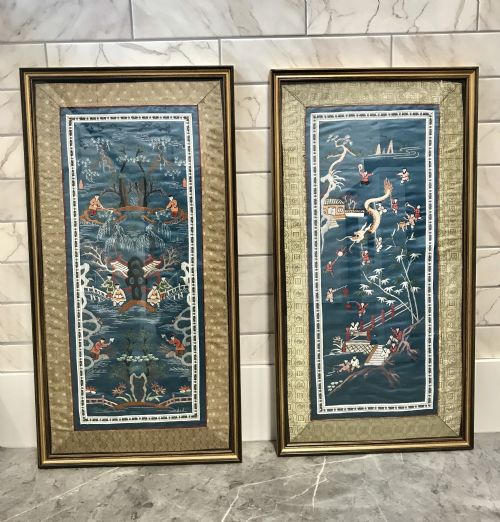
When you search for an oriental silk wall hanging, you encounter embroidered panels, hanging scrolls, and framed textiles spanning the nineteenth and early twentieth centuries. These pieces originate from diverse cultural centres, including Qing Dynasty China, Ottoman Turkey, and the regions of Uzbekistan and Persia.
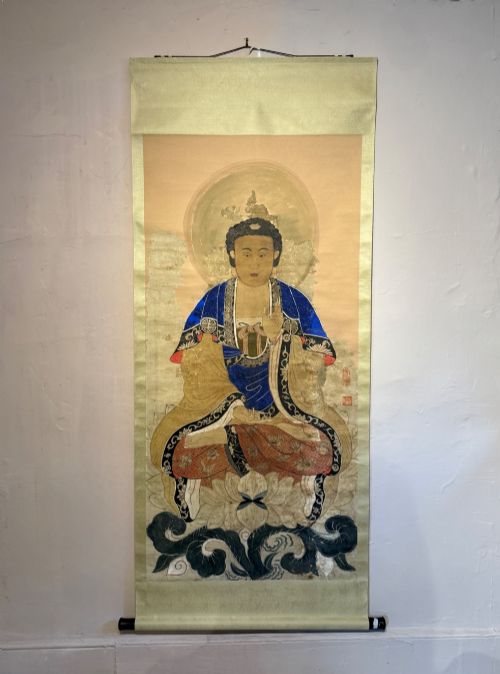
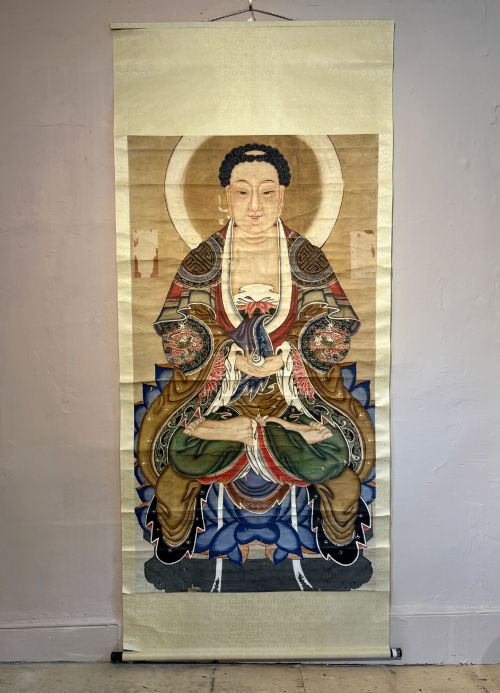
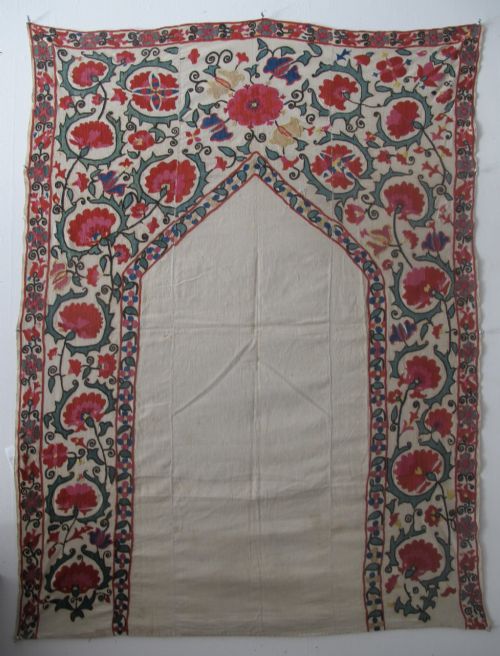
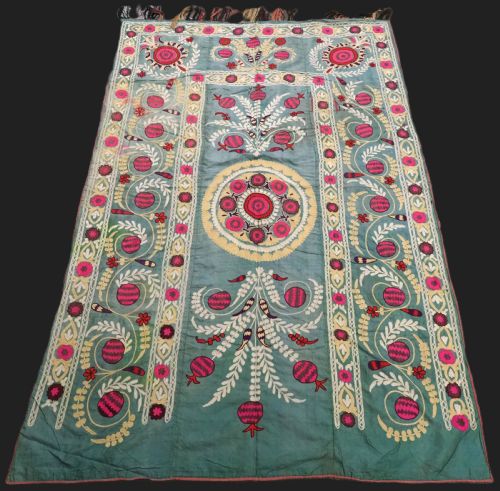
The selections on this page are dominated by Uzbek suzanis, Chinese scroll paintings, and Persian embroideries. You will find items worked in silk on cotton or silk grounds, alongside framed ancestral scrolls and mounted textile fragments.
Materials and construction
The primary material uniting these pieces is silk, utilised both for the ground fabrics and the intricate hand-sewn embroidery threads. Artisans frequently combined silk with cotton foundations, wool elements, and felt applique work to build layered textures.
Many works incorporate ink and pigment applied to paper or silk for scroll paintings, while others feature dense needlework with figures, dragons, and floral motifs. Framing under glass and wooden mounts appear across various nineteenth-century textile formats.
Oriental Silk Wall Hanging Retail Price Guide 2026
Typical asking prices for oriental silk wall hanging among the pieces listed under this phrase on Sellingantiques today, from the lower quarter to the upper quarter. They describe what is for sale here now, not the wider market.
A solitary goose in flight commands an entire Japanese silk textile, proving that birds cared little for framing limits.
Distinctions in execution
Quality in these textiles rests upon the precision of the needlework and the complexity of the design layout. Finer examples display meticulous hand-sewn detail in figurative or architectural motifs.
The choice of ground material and the preservation of the original pigments or silk threads dictate the overall integrity of the piece. Superior items maintain vibrant colour relationships and structural stability across the textile.
The Oriental Silk Wall Hanging Glossary
- Suzani
- An embroidered tribal textile from Uzbekistan, typically worked in silk thread on a cotton or linen foundation. These decorative panels often feature large floral and sunburst motifs.
- Scroll painting
- A work of art executed on silk or paper designed to be rolled up or hung vertically. These pieces frequently depict deities, immortals, or natural scenes.
- Applique
- A sewing technique where pieces of fabric, such as silk and felt, are sewn onto a larger background material to build up a design. This method adds significant dimension to Persian embroideries.
- Jajim
- A flat-woven textile produced in strips and joined together, often utilised for covers or furnishings. They display distinctive geometric patterning.
- Chuval
- A large face used on camel or horse bags by Turkmen tribes, featuring distinctive guls and crimson silk highlights. These items showcase traditional tribal weaving methods.
Oriental Silk Wall Hanging: Frequently Asked Questions
How were antique suzanis originally used?
Uzbek suzanis served primarily as wall hangings, bed covers, or ceremonial hangings within traditional households. They functioned as significant components of dowry chests and domestic decoration.
Families displayed these embroidered textiles during weddings and other major household events to signal status and artistry. Over time, many have been mounted or framed for modern interior display.
How do you hang a silk scroll safely?
Hanging a silk scroll requires stable wall space away from direct sunlight and excessive humidity. Proper mounting distributes the weight evenly across the wooden or fabric supports.
Avoid placing delicate textile art near heat sources or damp environments to preserve the silk fibres and ink pigments. Professional framing under protective glass offers additional security for fragile nineteenth-century pieces.
Can you date these textiles by their colours?
Colour palettes offer clues to the period and region of a textile, though natural and synthetic dyes overlapped during the nineteenth century. Earlier pieces often rely on rich, subtle tones derived from traditional dyestuffs.
Analysing the specific combination of silk threads, cotton grounds, and applique techniques provides a clearer picture of origin. Comparing the motifs to documented regional examples helps narrow down the production era.