






Oriental Scatter Cushion
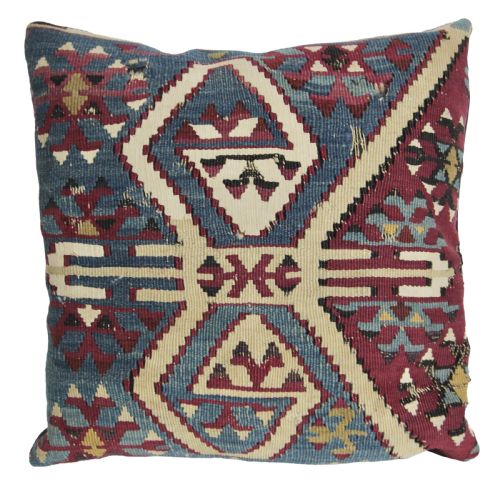
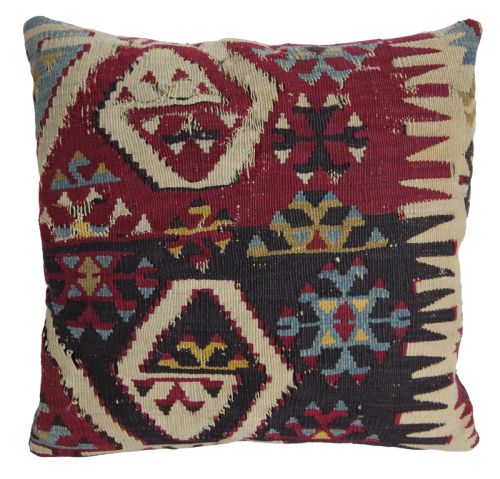
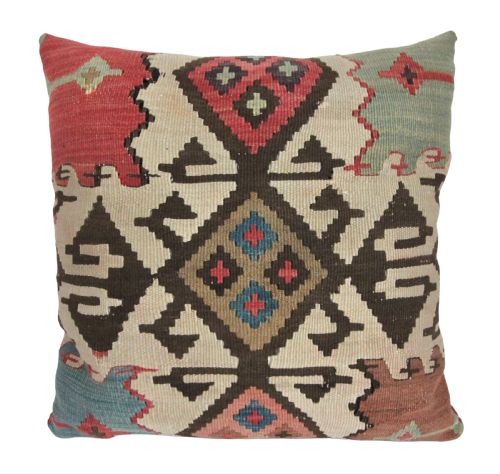
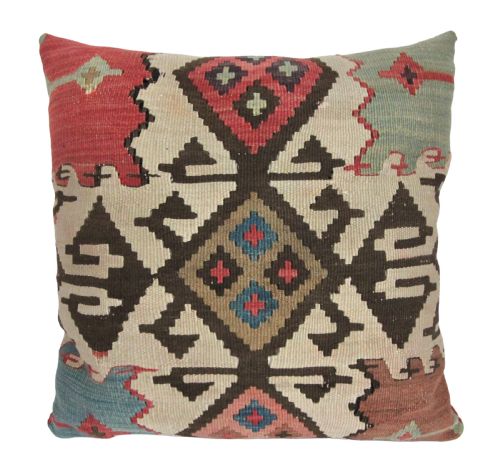
These oriental scatter cushion examples bring rich texture and nomadic craft directly to a seating arrangement, offering instant warmth to a room.
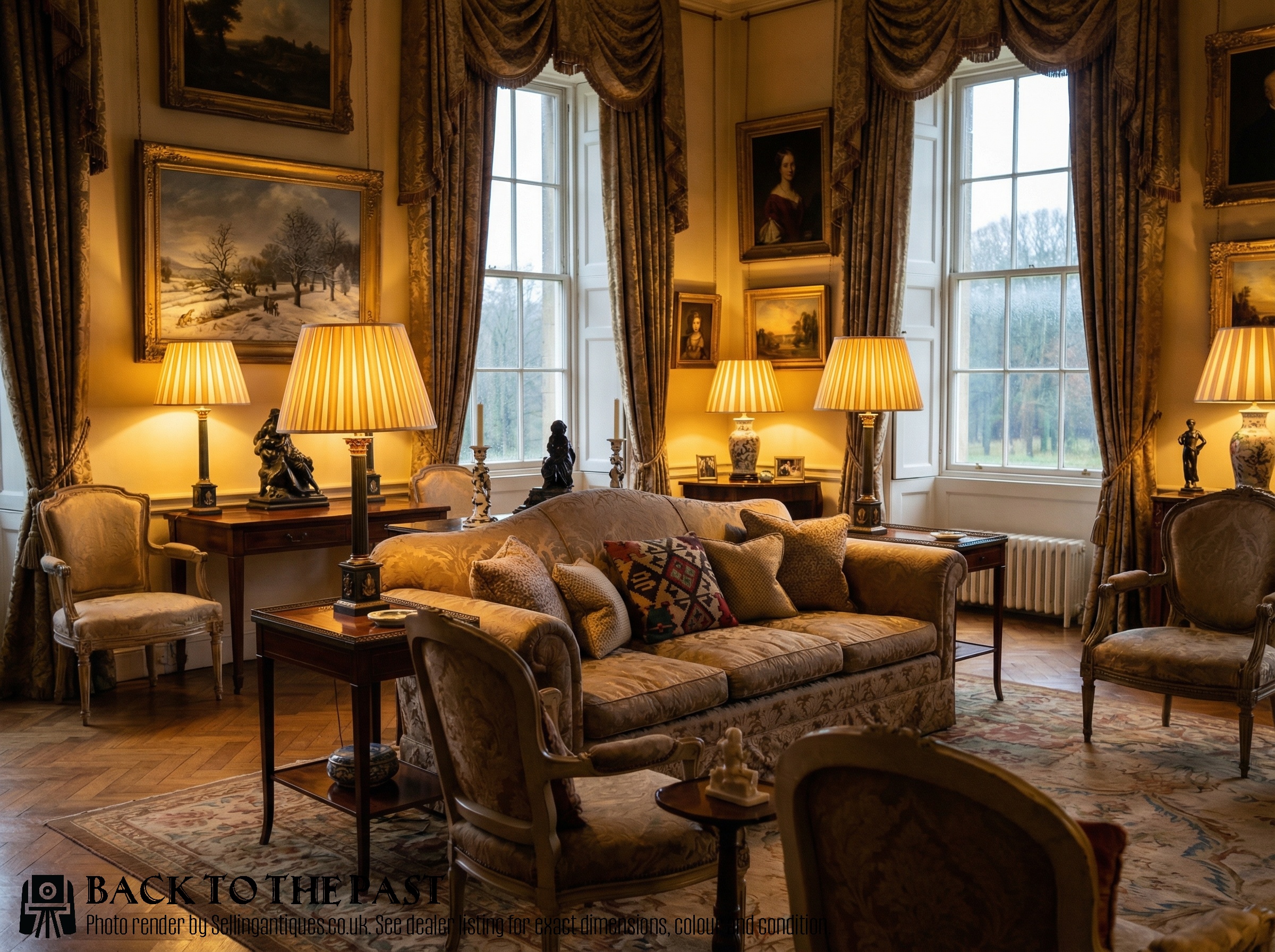
Oriental Scatter Cushion
When you search for an oriental scatter cushion, you encounter soft furnishings fashioned from antique woven textiles originating in tribal and nomadic traditions. The selection spans the nineteenth and early twentieth centuries, drawing heavily upon Anatolian and Persian tribal aesthetics.
Most pieces you meet on this page take the form of kilim cushions and rug cushions, alongside scatter items made from tribal bag faces. These furnishings repurpose historic hand-woven flatweaves and pile carpets into functional domestic objects.
The aesthetic is distinctly tribal and nomadic, utilising traditional motifs that once served practical or symbolic roles within weaving communities. Each cushion preserves a fragment of a larger textile, shaped into a portable form suitable for modern interiors.
Materials and Construction
The construction relies on historic wool and cotton textiles, utilising natural fibres spun and dyed by hand long before modern industrial production. Artisans wove the original face fabrics using traditional looms, employing techniques passed down through generations of tribal weavers.
These front panels are subsequently paired with supportive backing materials to create durable throw cushions and soft furnishings. The hand-woven nature of the source material means each finished cushion retains the irregularities inherent in traditional craft.
Every cushion carries the hidden footprint of a nomadic loom, where a weaver solved a design puzzle centuries ago just for comfort.
Evaluating Quality in Woven Cushions
Quality rests primarily in the integrity and fineness of the original woven textile used for the cushion face. Finer knotting or tighter flatweave construction yields a crisper pattern definition and greater durability under daily use.
The choice and preservation of the dyes heavily influence the visual impact of the piece. Superior examples display rich, harmonious colour saturation derived from traditional dyestuffs, maintaining their depth across the entire surface of the cushion.
The Oriental Scatter Cushion Glossary
- Kilim
- A flat-woven carpet or rug produced without a pile. This technique creates a smooth surface that lends itself well to decorative scatter furnishings.
- Bag face
- The front panel of a utilitarian nomadic storage bag, often featuring intricate tribal patterns. These panels are frequently repurposed into cushions.
- Baluch
- A designation relating to weaving traditions associated with nomadic groups of the Baluchistan region. These pieces often feature dark, rich palettes and geometric motifs.
- Flatweave
- A textile produced by interlocking warp and weft threads without knotting pile tufts. It forms the foundation of traditional kilim cushions.
- Nomadic tribal
- A stylistic classification reflecting the heritage of wandering pastoralist communities. Their textiles incorporate portable designs rich in cultural symbolism.
Oriental Scatter Cushion: Frequently Asked Questions
What is an oriental scatter cushion?
An oriental scatter cushion is a decorative soft furnishing created from historic hand-woven textiles, typically sourced from nomadic and tribal traditions. These pieces repurpose antique rugs, kilims, and bag faces into functional items for seating.
They introduce historic pattern and texture into contemporary spaces while preserving fragments of traditional craftsmanship.
How do I care for a vintage kilim cushion?
Caring for a vintage kilim cushion requires gentle handling to protect the historic wool and cotton fibres. Professional dry cleaning or careful surface dusting is generally recommended to maintain the integrity of the weave.
Keeping the cushion away from direct, prolonged sunlight helps prevent the natural dyes from fading over time.
Where did these textile cushions originate?
The textiles used for these furnishings originate primarily from tribal and nomadic regions across Anatolia and Persia. Weavers within these communities produced flat-woven carpets and storage bags for daily domestic use.
Later, these historic panels are repurposed into scatter cushions for modern interiors.
Are these cushions made from old carpets?
Many examples are indeed fashioned from authentic antique carpets, kilims, and rug fragments dating back to the nineteenth and early twentieth centuries. This practice gives new life to worn or fragmented textiles that can no longer function as floor coverings.
Each cushion therefore represents a genuine piece of historical weaving history adapted for modern use.