


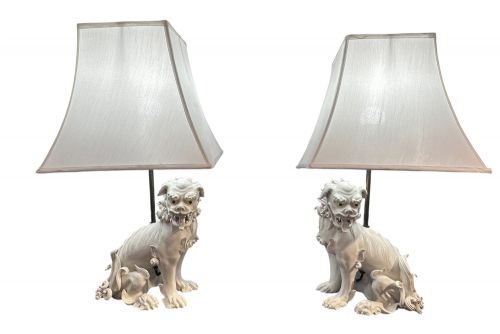


Oriental Porcelain Lamp
An oriental porcelain lamp brings rich hand-painted colour and sculptural presence to an interior.
What oriental porcelain lamp pieces are
When you search for an oriental porcelain lamp, you are looking at antique vases and jars converted into table lighting. These pieces take forms such as ginger jars, baluster vases, and rouleau vessels mounted for domestic use.
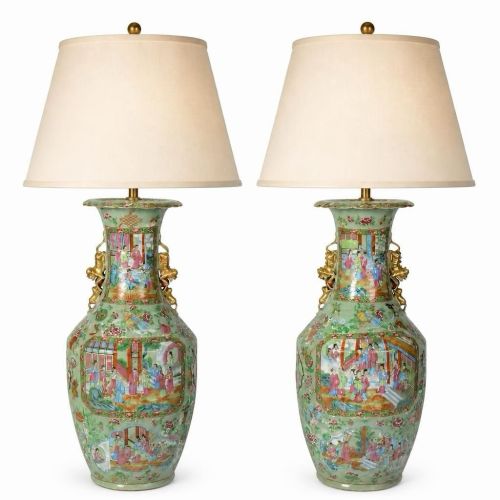
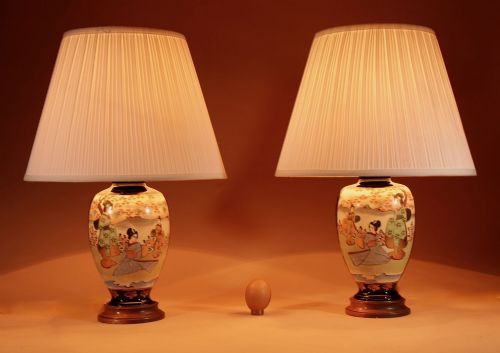
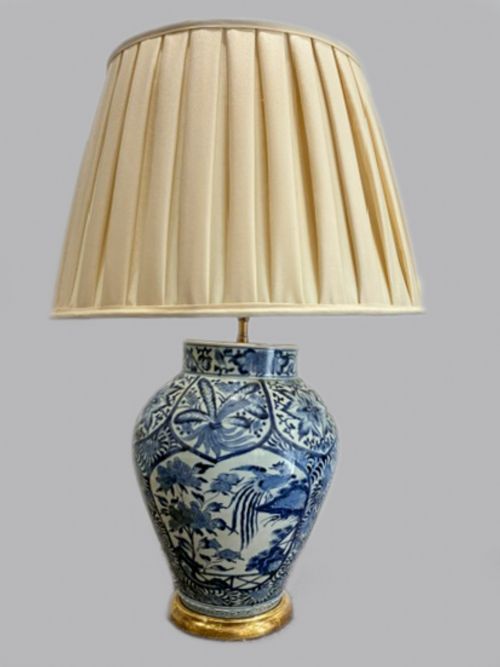
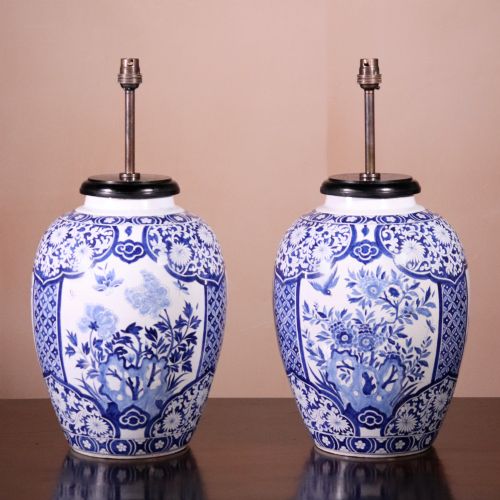
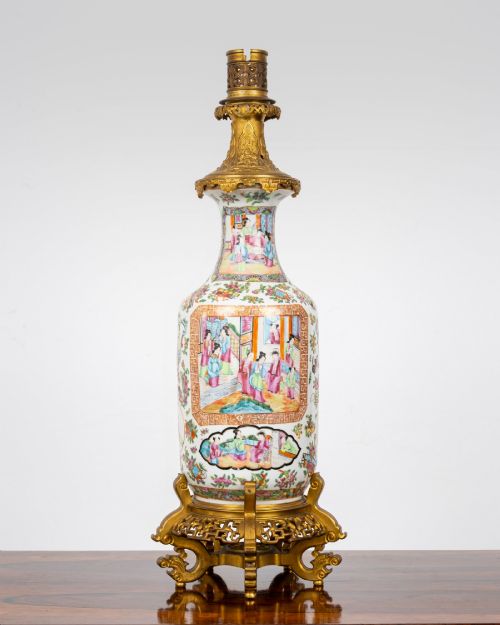
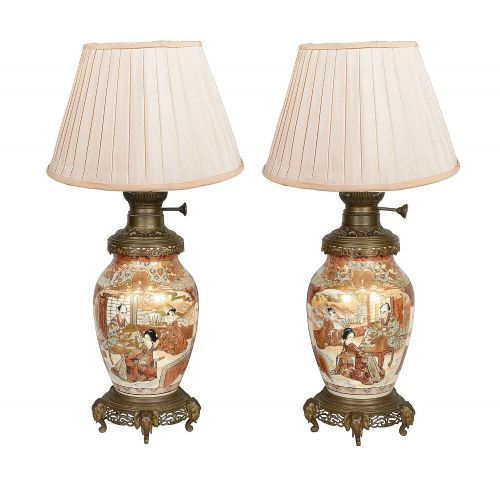
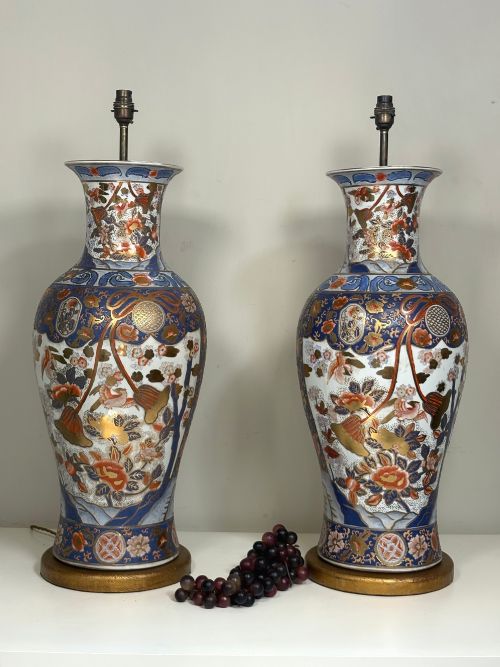
The most common versions met on this page originate from China and Japan, spanning the eighteenth and nineteenth centuries. They include blue and white porcelain, famille rose enamel work, Satsuma wares, and Arita Imari decoration.
Many of these lamps began as decorative vessels before receiving metal mounts and electrical fittings at a later date. Their bodies combine historic ceramic traditions with functional illumination for modern rooms.
How they were made
The ceramic bodies rely on high-fired porcelain or earthenware shaped by hand on the potter's wheel or in moulds. Artisans applied cobalt blue underglaze pigments or polychrome enamel paints before subjecting the pieces to kiln firing.
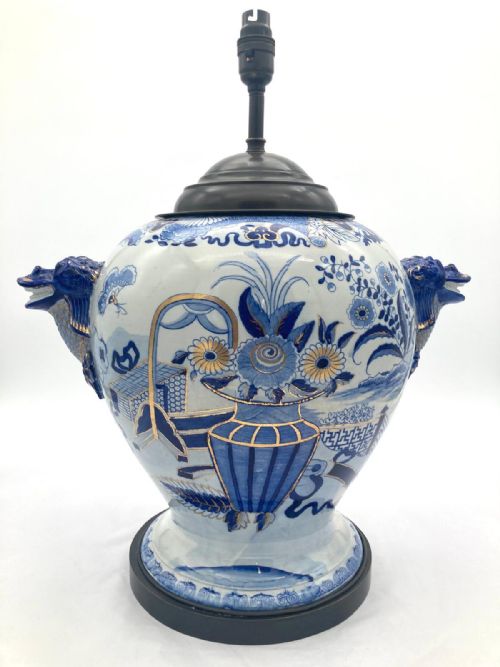
Mounts utilise brass, bronze, and wood to secure the electrical hardware and support the ceramic vessel safely. Shades incorporate silk and fabric materials to complete the construction of the lamp.
Retail Price Guide 2026
Typical UK retail prices for oriental porcelain lamp, calculated from the Sellingantiques database of over a million retail prices indexed since 2003. This retail price guide relies exclusively on Sellingantiques data; no external sources or auction records are used, so the figures do not describe the wider market.
Ginger jars once held spices before finding a second life as towering illuminated centrepieces.
What varies in quality
The refinement of the hand-painted brushwork dictates the upper tier of quality, distinguishing meticulously detailed floral and figurative scenes from repetitive factory output. Crispness in the glaze finish and the depth of the cobalt or enamel colours elevate the visual merit of the ceramic body.
The integration of the metal mounts and the stability of the overall construction determine how successfully the antique vase adapts to its role as a lamp. Superior examples preserve the integrity of the original ceramic vessel without compromising the historic surface.
The Oriental Porcelain Lamp Glossary
- Famille rose
- A palette of opaque enamel colours dominated by pink, introduced to Chinese ceramics during the Qing dynasty. This technique allowed artists to render delicate floral and figurative compositions.
- Imari
- A style of Japanese export porcelain featuring underglaze blue, iron red, and gilt highlights. Originating in Arita, these wares gained immense popularity across European interiors.
- Satsuma
- Earthenware from the Satsuma domain characterised by a crackle-glaze ivory body and detailed polychrome painting enriched with gold. Meiji period examples display intricate patterns and cultural motifs.
- Ginger jar
- A storage vessel with a broad shoulders and domed lid, frequently adapted into a table lamp. Their robust proportions suit domestic illumination.
- Underglaze blue
- Cobalt pigment applied directly to the raw clay body before glazing and firing. This method ensures the blue decoration remains permanently sealed beneath a glossy protective layer.
Frequently Asked Questions
How do I date these lamps?
Dating relies on stylistic markers within the ceramic painting, the characteristics of the glaze, and the construction of the footrim. Archive examples point to eighteenth and nineteenth-century origins based on these material traits.
Changes in export tastes and manufacturing techniques across the Qing dynasty and Japanese periods also help narrow down the era of the original vase.
Are these lamps converted vases?
Most pieces listed began life as decorative vases, ginger jars, or temple vessels before being fitted for electricity. The conversion process often involves drilling the base or securing brass and bronze hardware to the neck and foot.
This adaptation allows historic ceramics to serve contemporary interior needs while retaining their original decorative surfaces.
How do I choose a lampshade?
Selecting a shade depends on the scale and visual weight of the porcelain body beneath. Fabric and silk shades complement the texture of the antique ceramic without overwhelming the hand-painted details.
Proportion is key, ensuring the shade balances the height and girth of the vase form.
What styles are available?
The selection encompasses Chinese blue and white, famille rose, and powder blue finishes alongside Japanese Satsuma and Arita Imari wares. These styles reflect Chinoiserie aesthetics and Meiji period craftsmanship.
Each style offers distinct colour palettes and decorative motifs ranging from dense floral arrangements to landscape scenes.