



Cream Pleated Lamp Shades
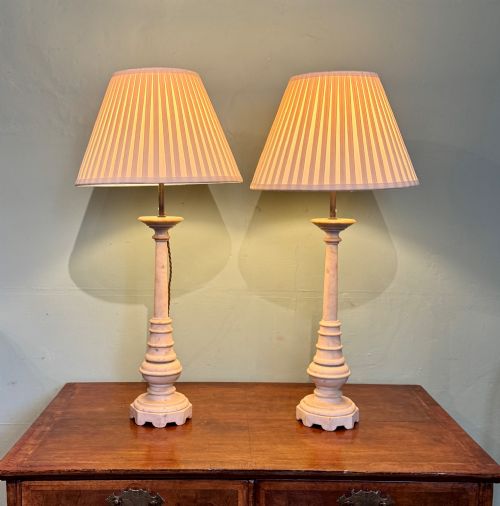
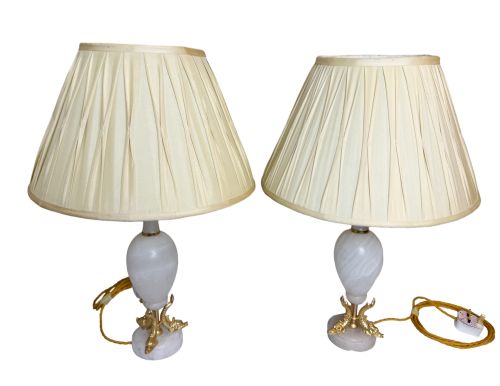
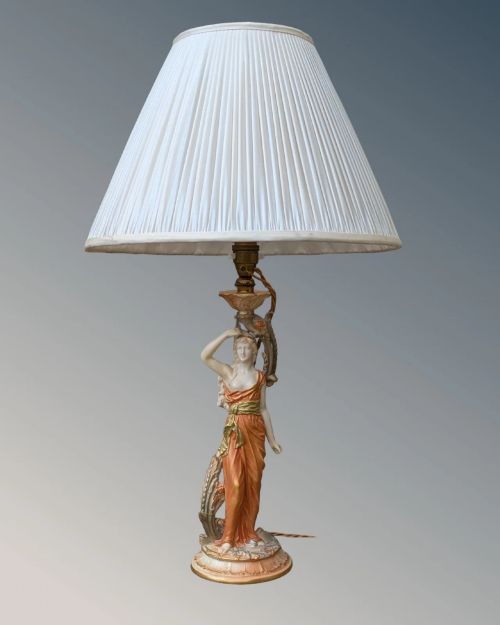
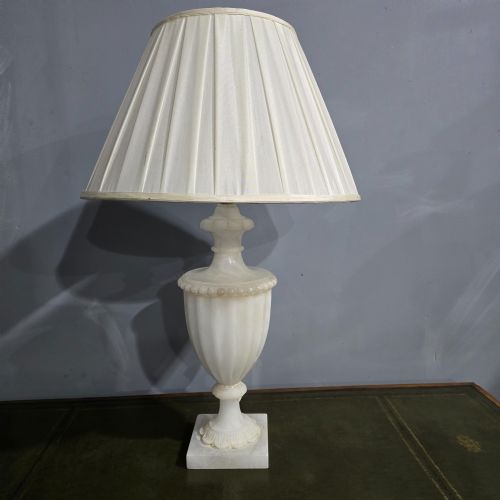
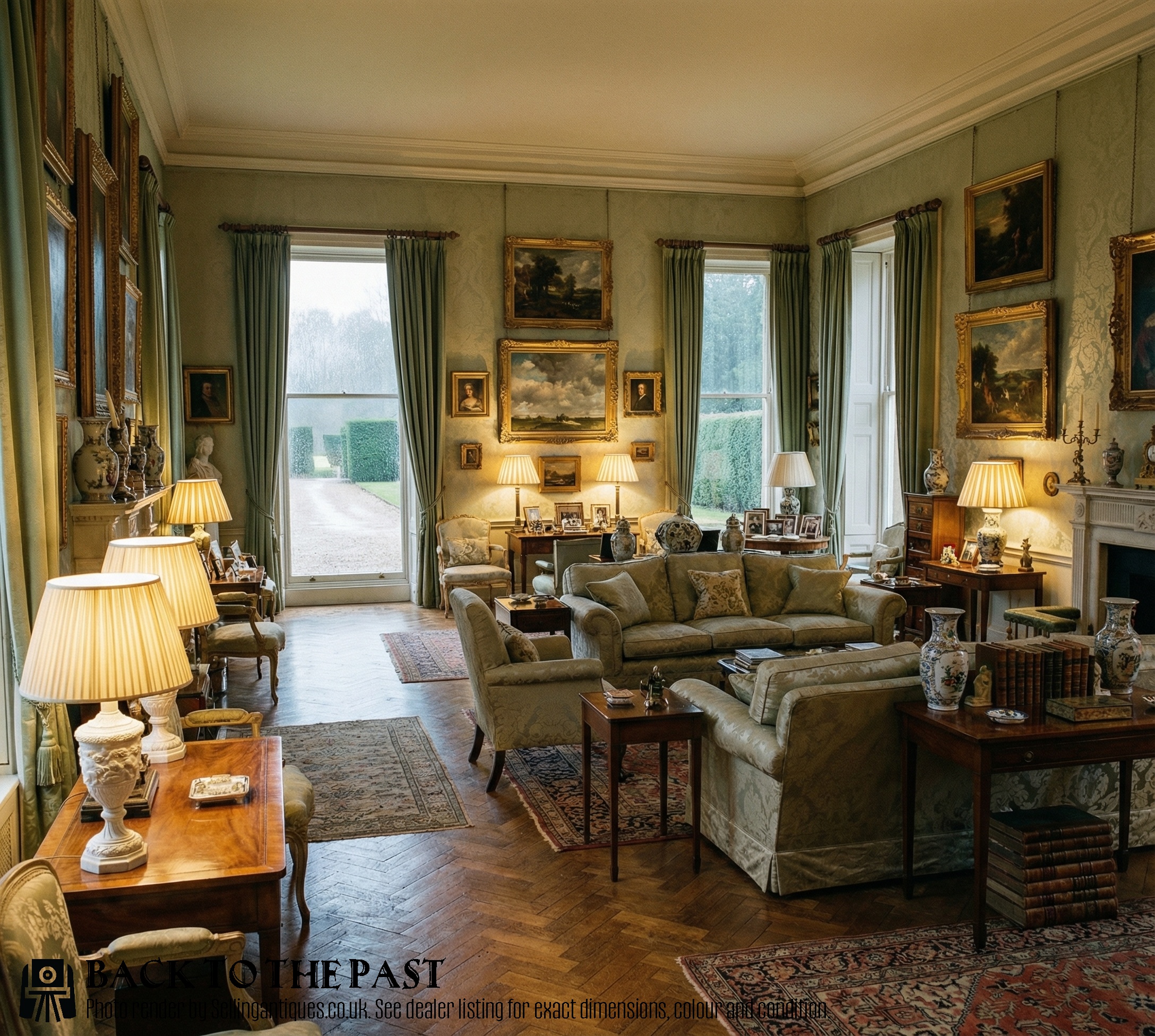
Cream pleated lamp shades sit atop gathered vases, converted vases, and sculptural table lamps drawn from diverse centuries and traditions.
What cream pleated lamp shades are
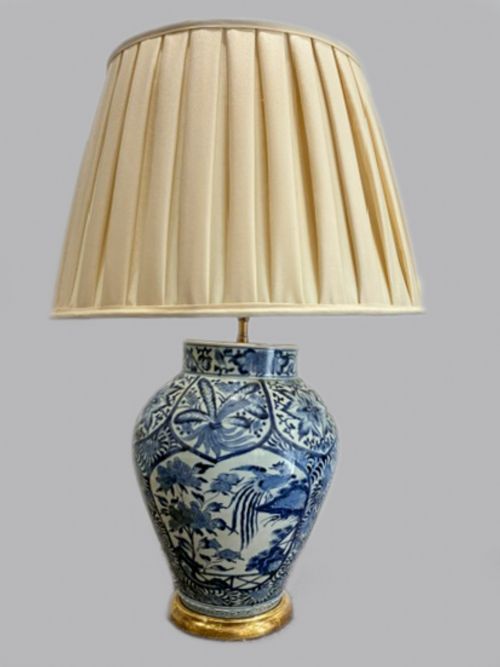
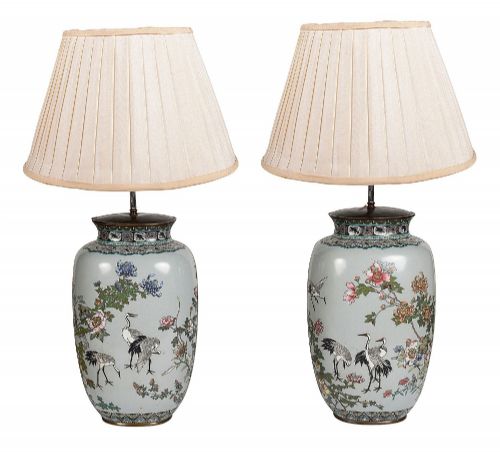
Cream pleated lamp shades accompany table lamps formed from varied historical vessels, including Japanese cloisonné enamel vases, Satsuma pottery, and eighteenth century ormolu mounted Mandarin vases. These pieces bridge distinct periods, ranging from the eighteenth century through the nineteenth century, 1910, and 1930.
The objects supporting these shades span significant cultural and stylistic ground, taking the form of blue and white porcelain, Fukagawa porcelain, moulded plaster, and brass or ceramic structures. Buyers encounter pairings of Japanese Meiji period works alongside Neoclassical Revival and Chinoiserie designs.
How they were made
Makers utilised diverse base materials, combining porcelain, cloisonne enamel, ceramic, wood, and plaster with brass and ormolu mounts. Fabric shades complete these configurations, crowning bodies shaped through traditional ceramic throwing, moulding, and enamel work.
Vases and vessels from different historical workshops were adapted into table lamps, incorporating metalwork mounts that secure electrical components while preserving the integrity of the original antique bodies.
Retail Price Guide 2026
Typical UK retail prices for cream pleated lamp shades, calculated from the Sellingantiques database of over a million retail prices indexed since 2003. This retail price guide relies exclusively on Sellingantiques data; no external sources or auction records are used, so the figures do not describe the wider market.
Listings feature table lamps spanning the eighteenth, nineteenth, and twentieth centuries, incorporating fabric, brass, porcelain, and cloisonne enamel.
What varies in quality
Quality rests in the execution of the base vessel, distinguishing finely painted blue and white porcelain or detailed cloisonne enamel from simpler moulded plaster forms. The refinement of the ormolu or brass mounts and the fidelity of the period style dictate the standing of each piece.
The harmony between the converted vessel and its shade influences the overall balance, where skilled adaptation respects the age and origin of the underlying antique object.
The Cream Pleated Lamp Shades Glossary
- Cloisonne enamel
- A technique where enamel paste is applied within compartments defined by soldered wires on a metal base. This method creates intricate patterns seen on nineteenth century Japanese vases.
- Ormolu
- Gilded bronze used for decorative mounts on furniture and porcelain. It provides a rich metallic contrast to ceramic bodies.
- Fukagawa
- A notable Japanese porcelain manufacturer known for producing fine wares during the nineteenth century. Pieces from this kiln often form the base of converted lamps.
- Neoclassical revival
- A style reviving classical architectural and artistic motifs from antiquity. It appears in European decorative objects and lamp bases.
Frequently Asked Questions
Are these lamp bases original antiques?
The bases utilise genuine antique vessels, including eighteenth century ormolu mounted Mandarin vases and nineteenth century Japanese porcelains, which were subsequently adapted into table lamps.
This method gives historic decorative objects a functional role in contemporary interiors while retaining their original artistry.
How do I clean fabric shades?
Fabric shades require gentle dusting with a soft brush or a low-suction vacuum attachment to protect the pleats and material integrity.
Avoid using water or chemical cleaners unless specified by the fabric type, as moisture can damage the structural adhesive.
What periods do these lamps represent?
The selection spans the eighteenth century, the nineteenth century, the Meiji period, 1890, 1910, and 1930.
Each era contributes distinct aesthetic characteristics, from Chinoiserie porcelain to moulded plaster forms.
Can these lamps be placed on any table?
Table lamps scaled from large vases and pairs of decorative vessels require stable surfaces with adequate weight distribution.
Their substantial presence makes them suitable for sideboards, large console tables, and living room desks.