
Oriental Metalwork Urns
Oriental metalwork urns combine weight, intricate surface detail and centuries of Asian metalworking traditions to anchor a room.
Oriental Metalwork Urns
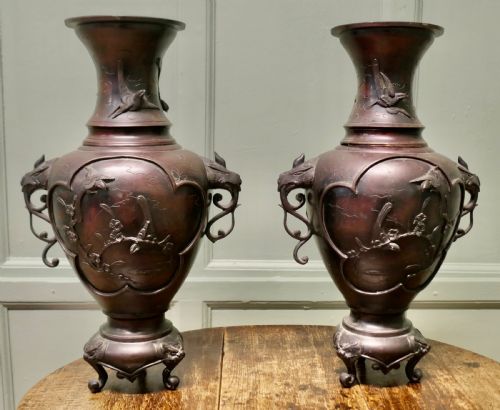
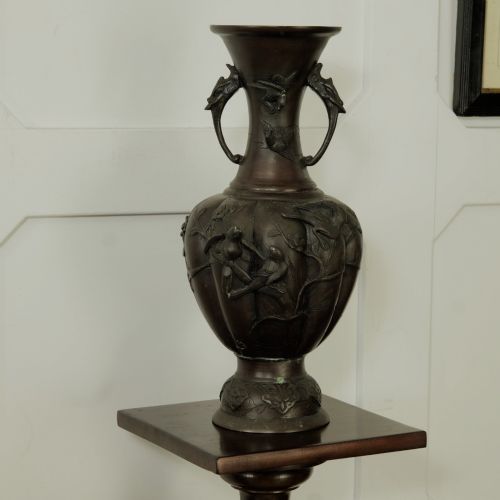
Oriental metalwork urns encompass heavy cast vessels, censers, temple water dispensers and decorative vases originating from China and Japan. Buyers exploring this selection encounter works spanning the nineteenth century, including pieces from the Meiji period, Qing dynasty and Edwardian eras. These objects range from compact stem vases and baluster vessels to massive palace and temple pieces standing nearly a metre tall.
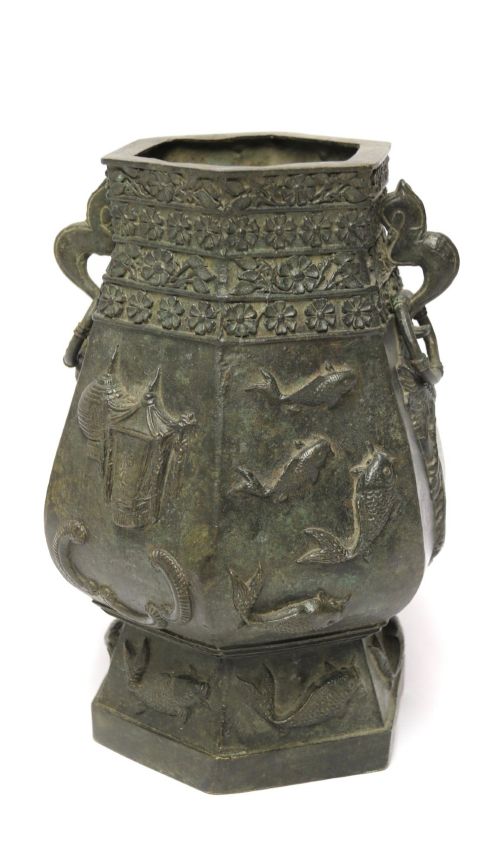
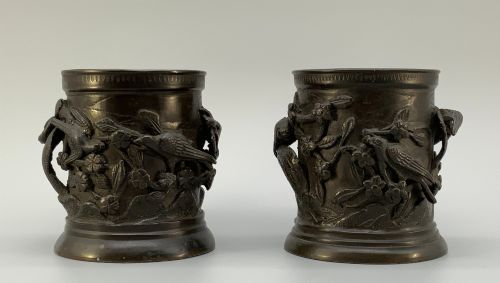
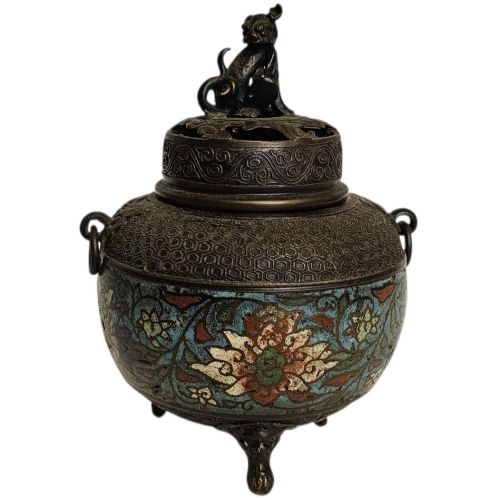
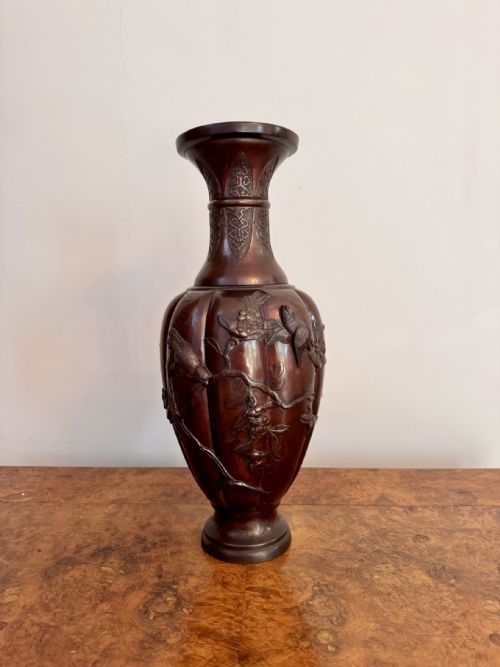
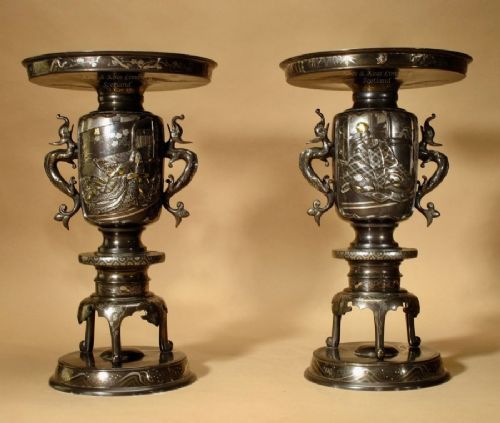
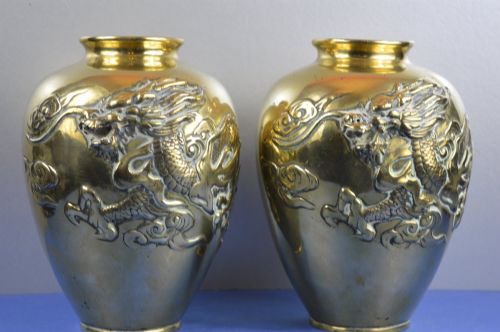
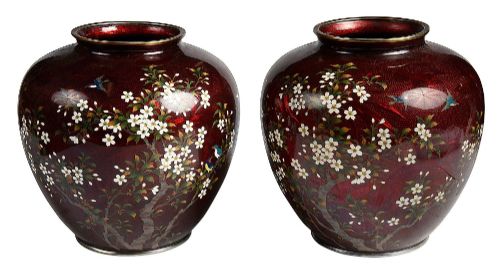
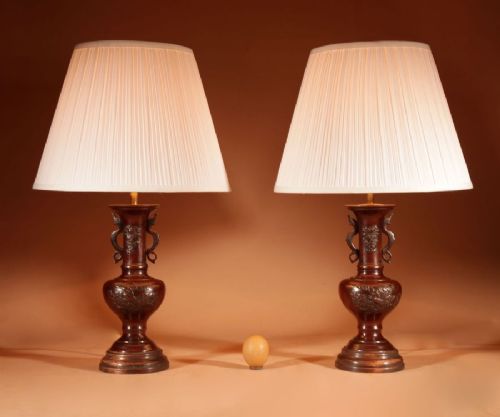
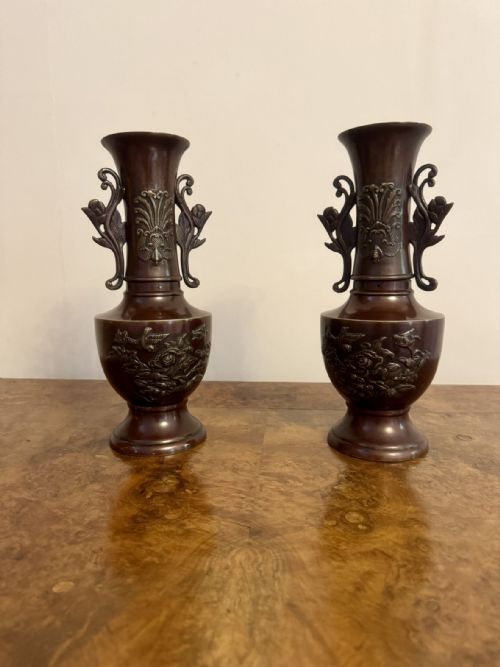
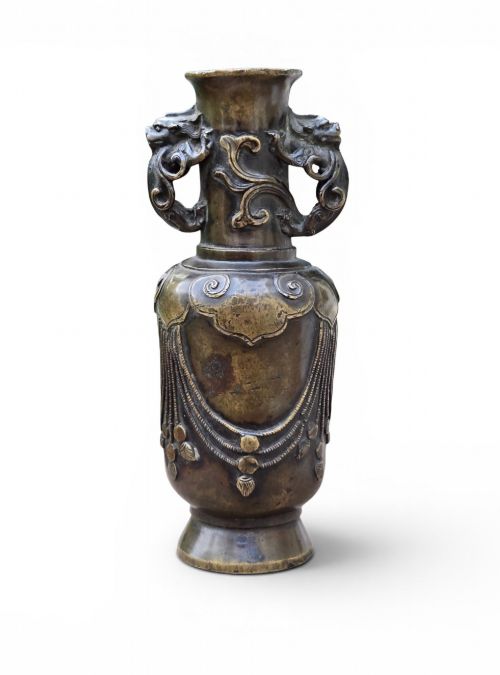
The forms vary widely, featuring hexagonal vessels, tripod censers with lion finials, twin-handled bodies, and vases decorated with dragons, birds, and floral motifs. Japanese Meiji period examples and Chinese bronze works dominate the selection, often appearing as matched pairs utilised for balanced display.
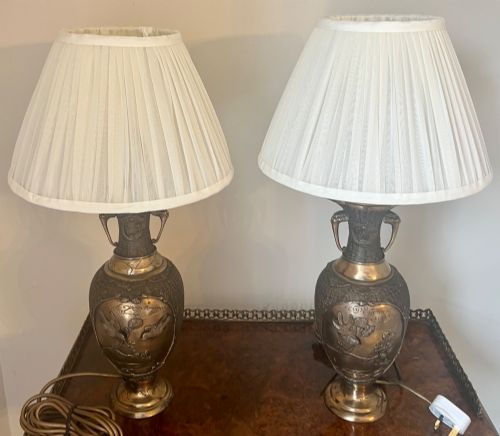
Vessels take many practical and decorative shapes, including specialised forms like the archaistic bronze hu vase and mimikuchi vases. While some function as table lamps, others retain their original purpose as incense burners or decorative centrepieces.
Materials and construction techniques
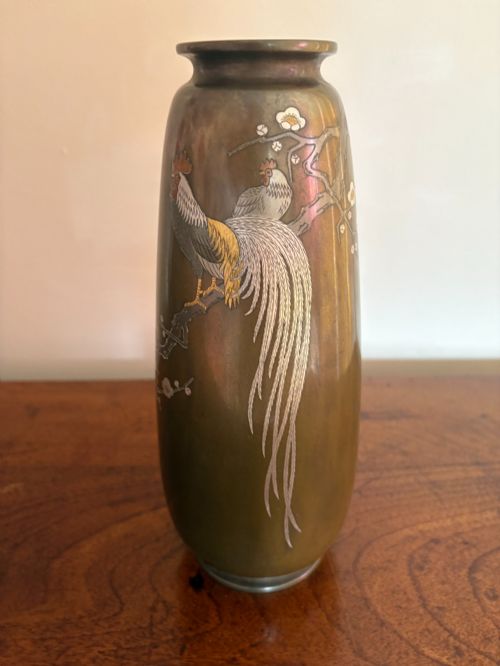
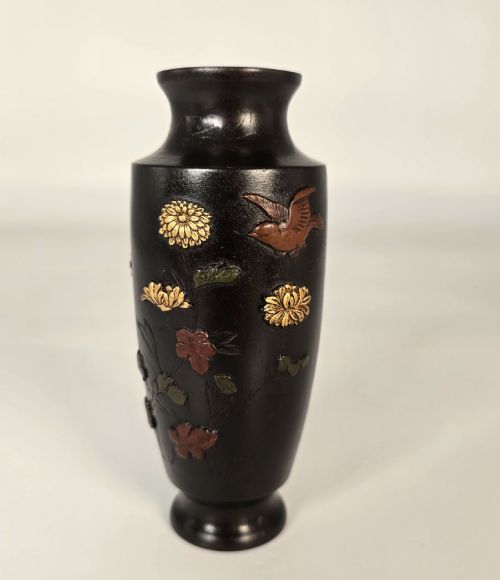
Craftsmen built these vessels primarily using solid bronze, brass, and copper, often applying patinated, gilt, or silver finishes to enrich the metal surface. Casting methods produced sturdy structural bodies, which makers then enhanced through intricate inlay work and mixed metal techniques.
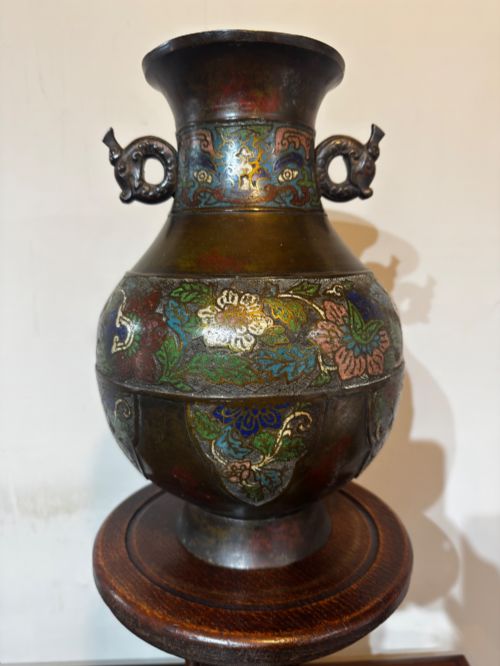
Surface decoration frequently relied on cloisonné and champlevé enamel work, where vitreous pastes fill wire cells or recessed compartments on the metal body. Artisans also utilised high-relief casting and applied elements like birds, blossoms, and dragons to create texture and depth.
Listings feature metalwork urns spanning the nineteenth and early twentieth centuries, constructed from bronze, brass, copper, and enamel.
Distinctions in craftsmanship and design
Quality separates simple production pieces from works displaying superior artistic ambition through the crispness of the cast and the precision of the surface chasing. Finely detailed mixed metal inlays, secure mounting of handles, and well-executed patination indicate superior workshop output.
Scale and ambition also define the higher end, where massive palace vases and published pieces demonstrate extraordinary technical skill in large-scale casting and enamel work. Signed works and items from known manufacturing traditions or specific schools carry distinct markers of advanced artisan execution.
KANASAWA
The Oriental Metalwork Urns Glossary
- Cloisonné
- An enamelwork technique where flat metal wire is soldered to a metal base to create compartments filled with coloured paste.
- Champlevé
- An enamelling method where troughs or cells are hollowed out of the metal surface directly to hold the vitreous enamel.
- Meiji Period
- The era in Japanese history spanning from 1868 to 1912, known for significant artistic production and international export of metalwork.
- Censer
- A vessel designed for burning incense, frequently featuring tripod legs and an ornate animal or lion finial on the lid.
- Garniture
- A set of matched vases or decorative objects traditionally displayed together on a mantelpiece or sideboard.
Oriental Metalwork Urns: Frequently Asked Questions
How do I clean oriental metalwork urns?
Dust these metal and enamel surfaces gently with a soft, dry cloth to preserve the patina and protective finishes.
Avoid using commercial metal polishes, abrasive cloths, or liquid cleaners, as these can strip away historic patination or damage delicate enamel cells.
Where should I place these urns at home?
Position heavier bronze vessels and large cloisonné palace pieces on sturdy low furniture, entrance consoles, or dedicated display pedestals where their weight is supported safely.
Keep them away from direct heat sources and strong, continuous sunlight to protect the enamel colours and metal patinas over time.
Were these urns made for export?
Many nineteenth-century Japanese Meiji and Chinese export pieces were produced specifically to satisfy Western demand for oriental decorative arts. These works combined traditional domestic casting techniques with aesthetic tastes popular in European and British markets.
Other larger temple vessels and ritual censers served local religious or domestic functions before entering the collector market.