
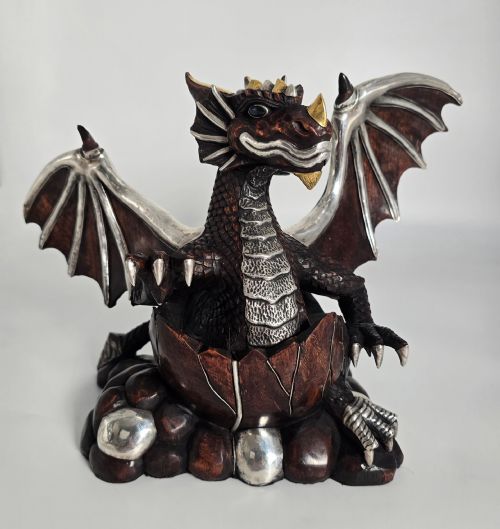
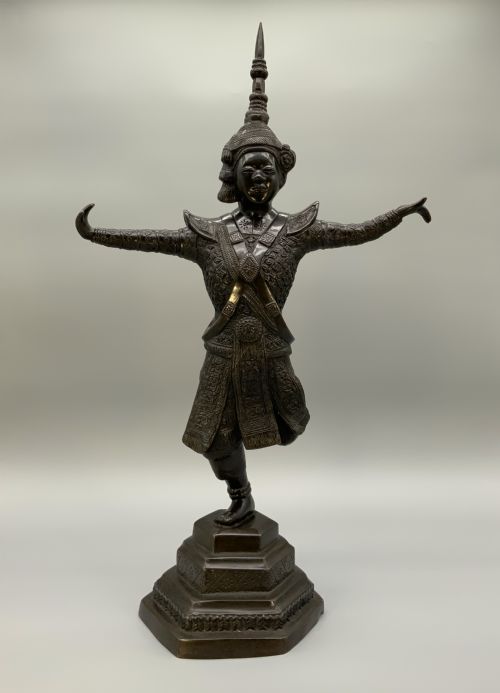


Oriental Metal Statue
An oriental metal statue brings centuries of distant foundry traditions into a room, spanning figures of deities, animals and scholars.
Oriental Metal Statue
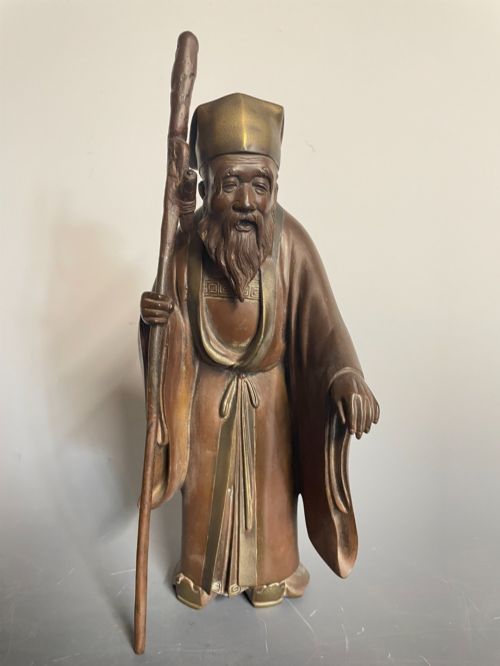
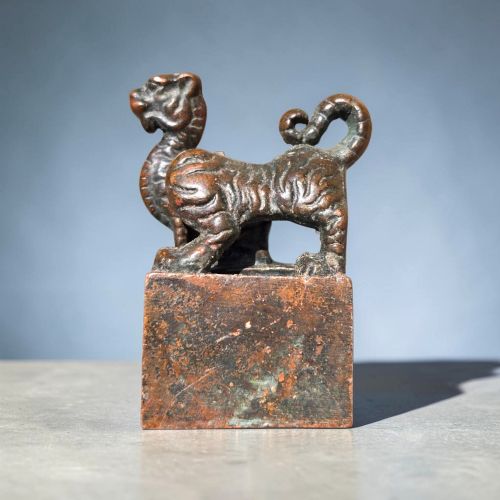
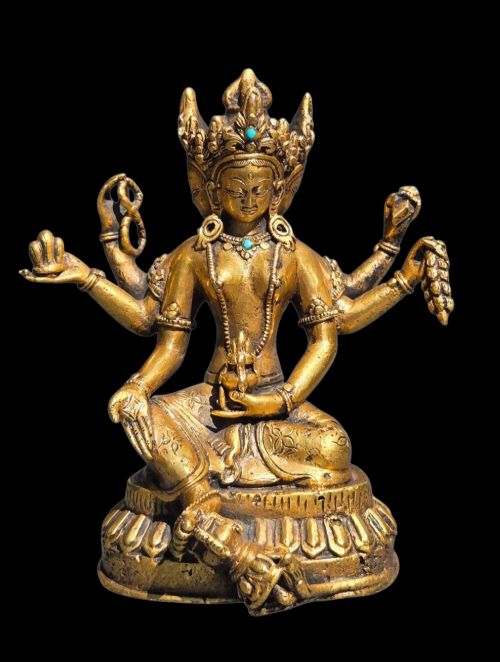
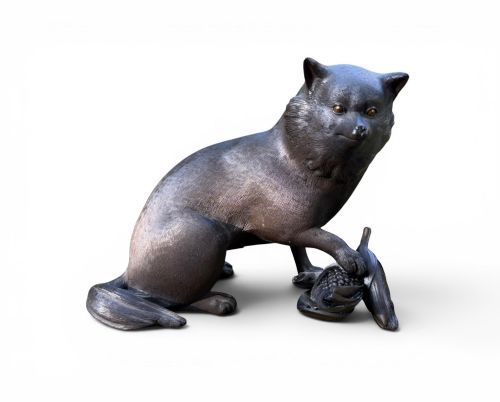
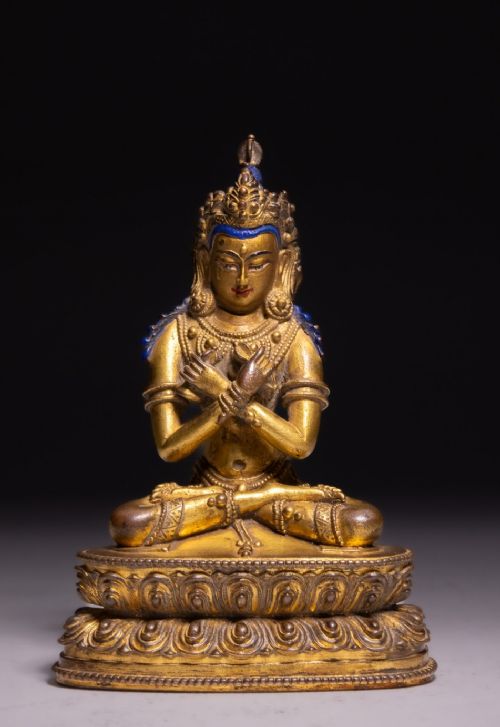
An oriental metal statue covers cast and chased sculptures originating from China, Japan, Tibet, India, Thailand and Burma. These works take the form of Buddhist and Hindu deities, temple lions, mythical creatures, scholars' objects and animals rendered in various dimensions.
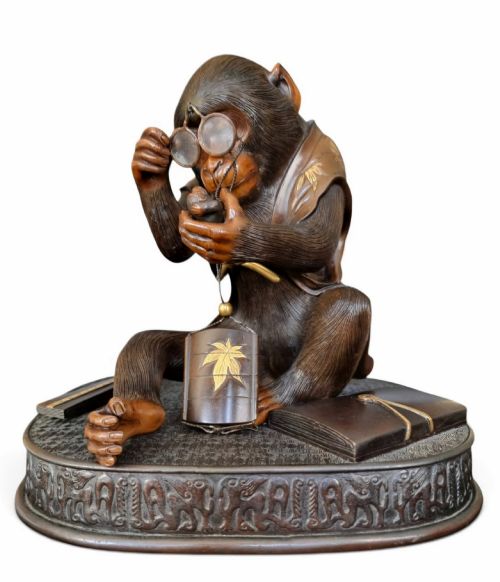
The versions most frequently met on this page belong to the nineteenth century, particularly the Meiji period in Japan and the late Qing dynasty in China. Bronze predominates among the materials, alongside brass, gilt bronze and copper alloy.
The range encompasses small scholar's seals and okimono alongside substantial temple figures and life-size bronzes. Makers draw upon distinct regional iconographies, from Sino-Tibetan gilt bronzes to Ayutthaya style Buddhas.
How they were made
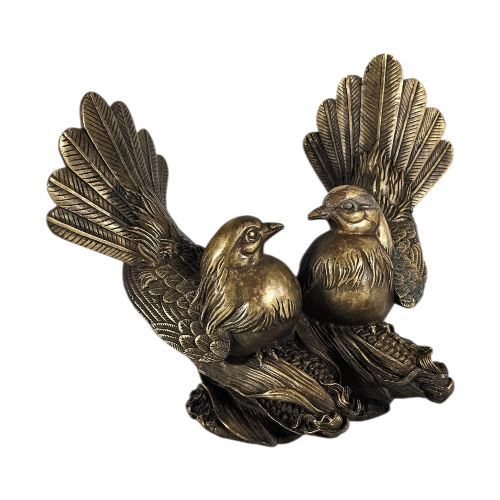
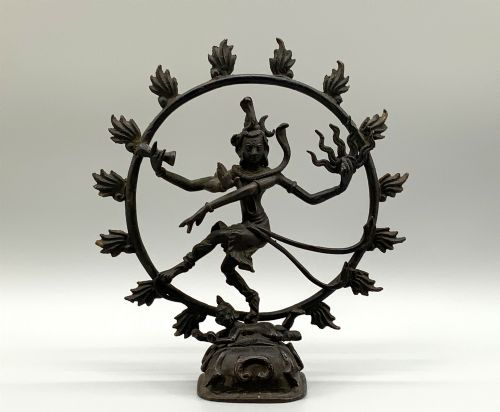
Foundries utilised traditional lost-wax casting and allied techniques to achieve intricate detail in bronze, brass and copper alloy. Molten metal filled moulds created from detailed models, allowing for complex forms such as multi-armed deities and feathered birds.
Mounting often involved organic materials, incorporating carved hardwood bases or stands that complemented the metal sculpture. Iron and patinated bronze received chemical treatments to create rich brown or dark tones over time.
Several bronzes capture animals caught in domestic moments, including a rat clutching a chestnut and a French bulldog inspecting the floor.
What varies in quality
Crispness of chiselling and depth of surface detail distinguish superior casting work from more utilitarian production. Finer pieces retain sharp definition in hair, garments and facial expressions without losing form in the finishing process.
The application of mixed-metal inlays and gilding demonstrates the maker's hand and workshop standard. Integrated elements like gold or silver wire demand high precision, whereas lower tier objects rely solely on flat cast surfaces.
Artistic expression and proportion determine the standing of figures like temple lions, deities and okimono. Well-balanced compositions with expressive postures outclass rigid, mass-produced counterparts.
The Oriental Metal Statue Glossary
- Okimono
- A Japanese display piece or ornament designed for interior placement, often depicting animals, humans or mythical subjects with high realism.
- Censer
- A vessel used for burning incense, frequently shaped as mythical beasts, boats or architectural forms in bronze or brass.
- Gilt Bronze
- Metalwork coated with a thin layer of gold or gold leaf applied through fire gilding or direct adhesion.
- Qilin
- A mythical hooved Chinese chimerical creature often associated with good omen and prosperity, depicted in bronze or seals.
- Sino-Tibetan
- A stylistic classification describing Buddhist art produced under Chinese and Tibetan cultural interaction, typically featuring rich gilt surfaces.
Oriental Metal Statue: Frequently Asked Questions
How do I identify a Meiji period bronze?
Meiji period bronzes from Japan often display exceptional naturalistic detail in subjects such as animals, birds and figures. Look for refined patination and dynamic poses typical of late nineteenth-century workshops.
Many bear signature plaques or marks, though quality of casting and the character of the dark bronze alloy remain the primary indicators of this era.
How should I clean antique bronze statues?
Antique bronzes require minimal intervention to preserve their historic patination and surface integrity. Dusting with a soft, dry brush prevents particulate accumulation without disturbing the metal.
Avoid commercial metal polishes, water or abrasive cloths, which can strip away centuries of accumulated patina and valuable gilding or inlay work.
Are temple lions male or female?
Temple lions, or guardian lions, traditionally appear in pairs fulfilling complementary symbolic roles at entrances. The male typically rests a paw under an embroidered ball, representing imperial dominion and protection of structure.
The female rests a paw beneath a playful cub, symbolising nurturing and protection of lineage, both cast with expressive stances in metal.