
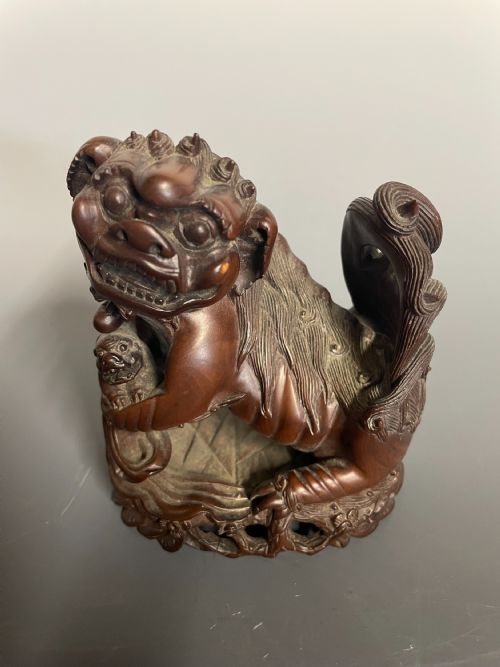


Oriental Lion Figures
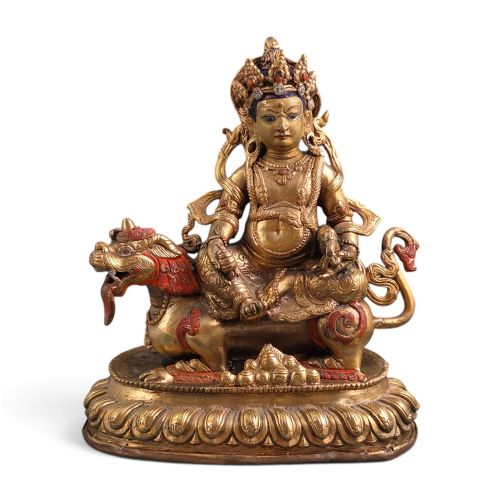
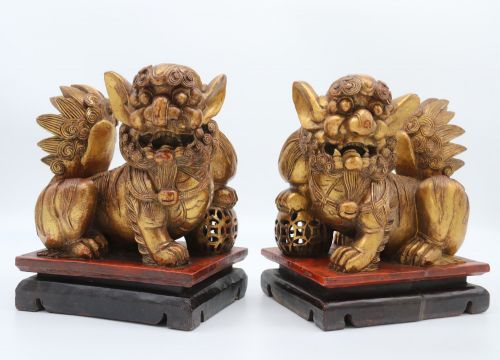
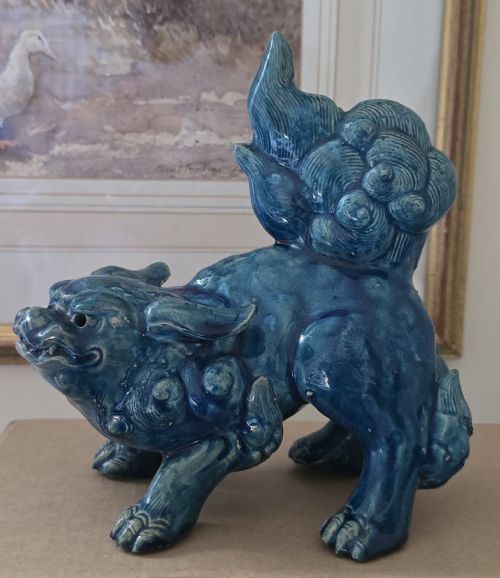
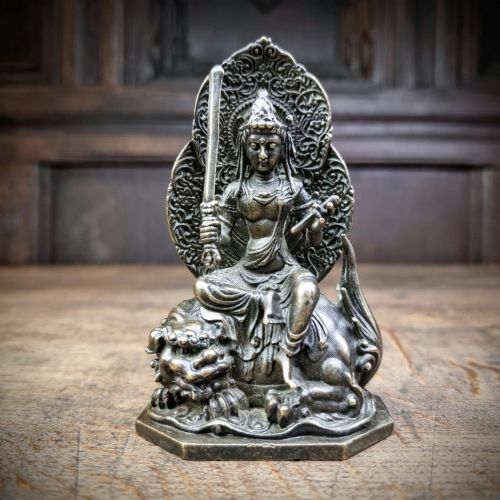
Oriental lion figures bring formidable presence to a room, taking the form of cast bronze temple guardians, glazed ceramic shishi, and carved wood foo dogs.
Oriental Lion Figures
Oriental lion figures encompass sculptural representations of guardian lions, Buddhist lions, shishi, and foo dogs spanning the nineteenth and early twentieth centuries. These pieces originate from Chinese, Japanese, Tibetan, and Burmese workshops, taking the form of single figures, matched pairs, or functional bookends.
The materials span cast bronze, gilt bronze, brass, cast iron, and carved wood including root wood and boxwood, alongside ceramic variants in porcelain, earthenware, and pottery with various glazes. Buyers encounter everything from small desktop figures to massive temple bronzes weighing dozens of kilograms.
Stylistic influences reflect Qing Dynasty traditions, Japanese Meiji period aesthetics, and Sino-Tibetan temple art. These sculptural objects served historically as protective temple guards or decorative domestic protectors.
How they were made
Metal sculptures utilise traditional casting techniques in bronze, brass, and iron, often finished with gilt layers or complex patination. Bronze and gilt bronze examples demonstrate detailed chasing and surface work across large temple figures and smaller altar pieces.
Ceramic and pottery examples employ moulded or hand-formed clay bodies finished with turquoise, pale green, or sancai glazes, alongside fine porcelain and Kutani enamels. Wooden figures rely on hand carving in boxwood, root wood, and lacquered timber to achieve intricate surface textures.
The listings show oriental lion figures cast in bronze, carved in root wood and boxwood, and glazed in ceramic, porcelain, and pottery across the nineteenth and early twentieth centuries.
What varies in quality
The integrity of matched pairs and the presence of distinct surface treatments, such as original gilding or rich patination, elevate certain pieces above standard decorative production.
Seiunsai Miyamoto Sei
The Oriental Lion Figures Glossary
- Shishi
- A Japanese term for a stone or metal guardian lion, often equated with the Chinese foo dog. These figures traditionally guard temple entrances and domestic thresholds.
- Foo Dog
- A colloquial Western term for Chinese guardian lions, which are stylised representations of lions rather than domestic dogs. They typically appear as protective temple statuary.
- Sancai
- A traditional three-colour Chinese glaze technique utilising lead-glazed earthenware in amber, green, and creamy white tones. This palette appears frequently on pottery guardian figures.
- Meiji Period
- The era in Japanese history spanning from 1868 to 1912, known for sophisticated metalwork and ceramic production exported widely to the West.
- Sino-Tibetan
- A stylistic crossover reflecting Tibetan Buddhist iconography produced within Chinese cultural spheres. These works frequently utilise gilt bronze for deities and guardian figures.
Oriental Lion Figures: Frequently Asked Questions
What is a foo dog?
A foo dog is a Western term for a Chinese guardian lion, representing a mythical protector rather than a real animal. These figures historically guarded Buddhist temples, palaces, and elite homes.
They appear as single sculptures or matched pairs, frequently depicted with one paw resting on a brocade ball or a cub.
Are shishi and foo dogs the same?
Shishi translates to lion in Japanese and refers to the Japanese interpretation of the Chinese guardian lion tradition. Both serve as protective figures derived from Buddhist iconography.
Japanese Meiji period versions often display distinct regional styling in bronze or glazed ceramic compared to their Chinese counterparts.
Where were temple lions placed?
Temple lions stood outside sacred doorways, altar spaces, and imperial thresholds to ward off malevolent spirits. Large bronze or stone examples flanked major entrances.
Smaller domestic variants occupied interior spaces, desks, or mantelpieces as protective decorative objects.
How do I date a bronze lion?
Dating relies on examining the casting method, surface patination, weight, and stylistic conventions associated with specific periods like the nineteenth century or Qing Dynasty. Tool marks and metal composition provide further clues.
Signatures or workshop marks, when present, help narrow down the origin and time period.
How do I care for antique bronze?
Antique bronze requires minimal intervention, benefiting from gentle dusting with a soft, dry cloth to preserve the natural patina. Avoid harsh chemical cleaners or abrasive polishes that strip surface history.
Keeping pieces away from excessive moisture protects metal surfaces and delicate wood or lacquer elements.