


Oriental Lacquered Lamp
An oriental lacquered lamp brings painted depth and layered pattern into a room, offering the warm illumination that collectors seek.
Oriental Lacquered Lamp
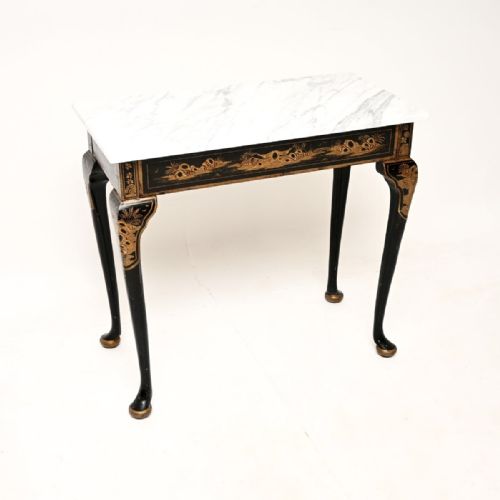
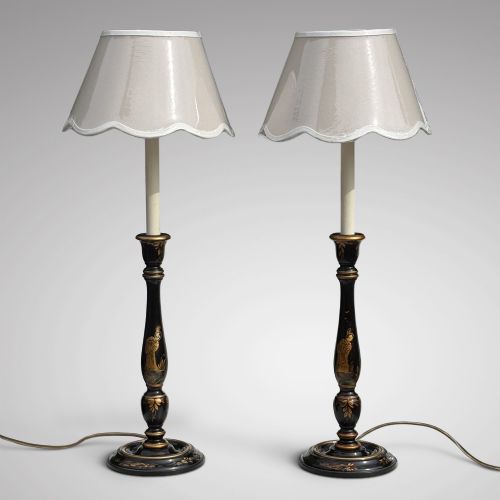
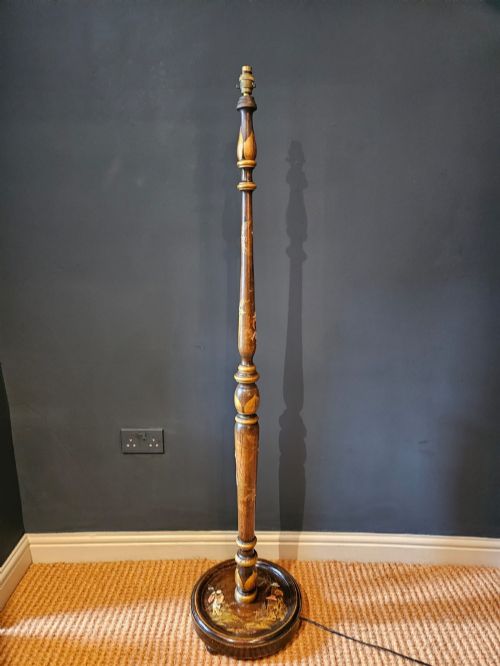
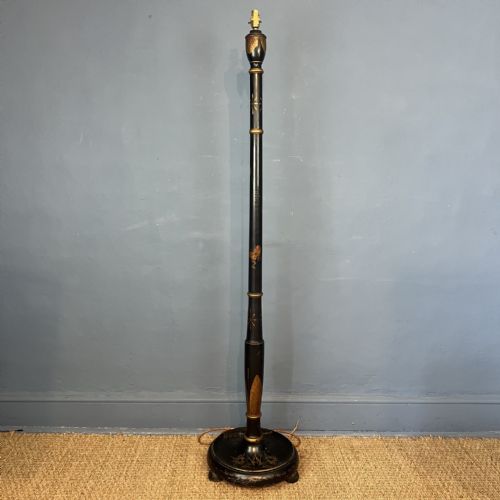
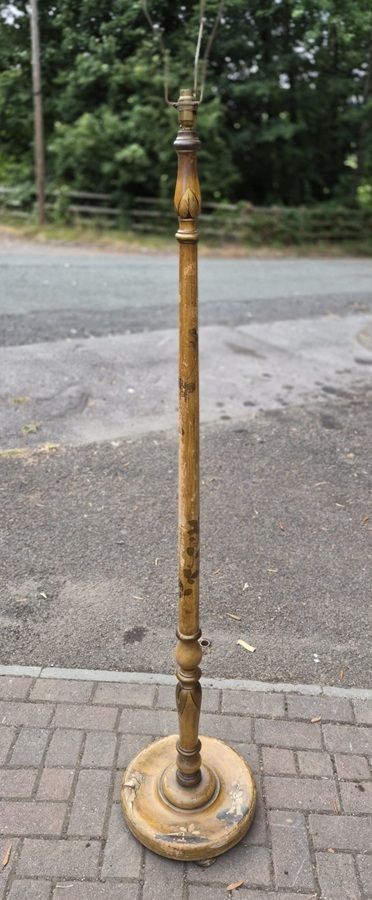
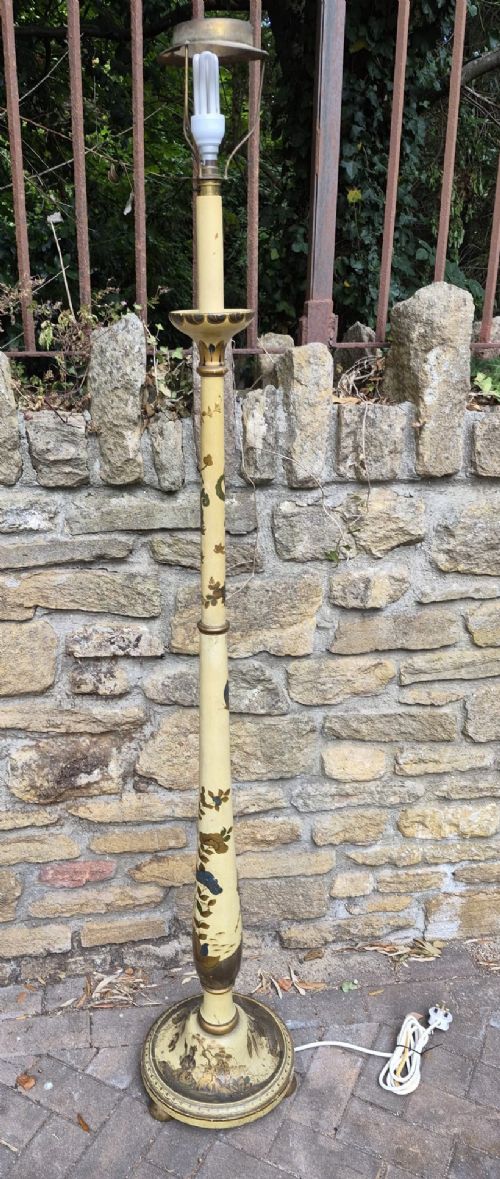
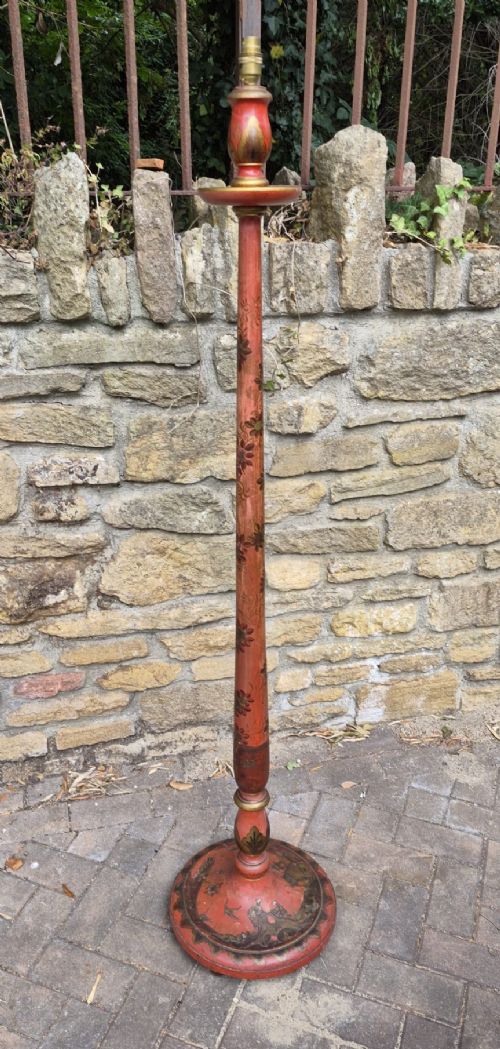
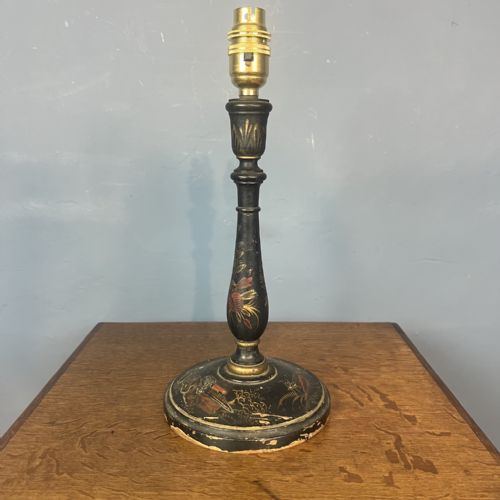
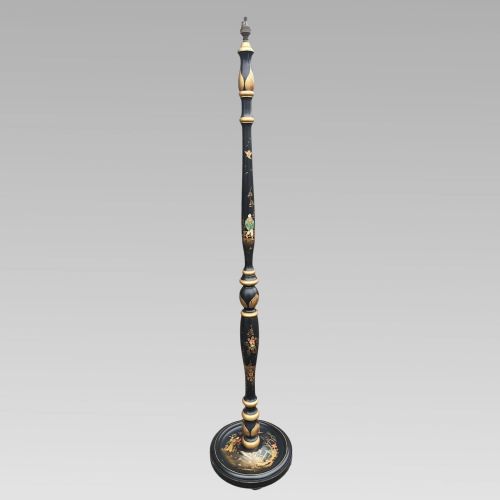
When you search for an oriental lacquered lamp, you encounter pieces spanning from the Victorian and Edwardian eras into the early twentieth century. The selection centres heavily upon standard lamps and table lamps, often accompanied by occasional tables and side cabinets finished in matching decorative schemes.
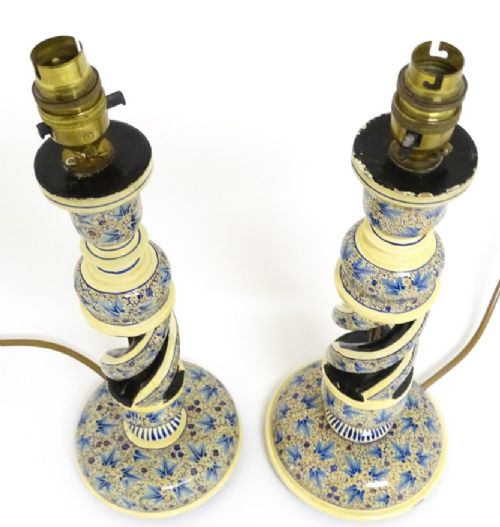
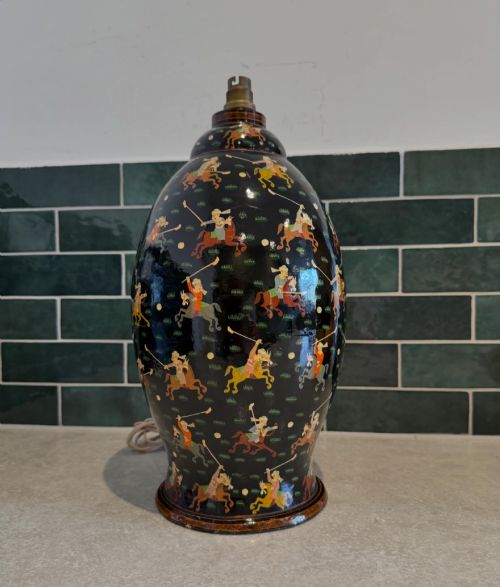
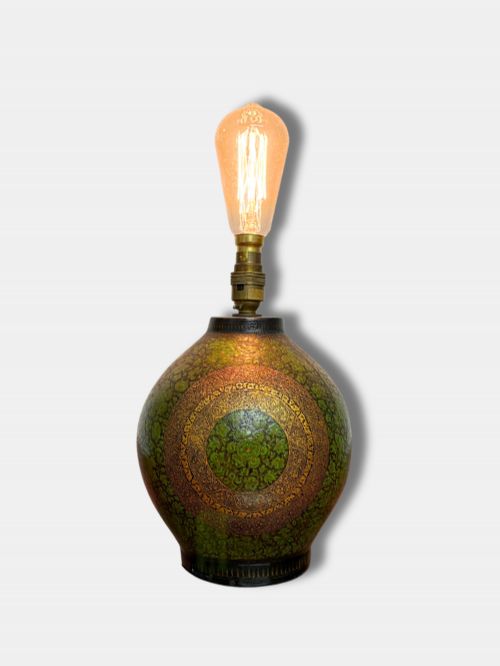
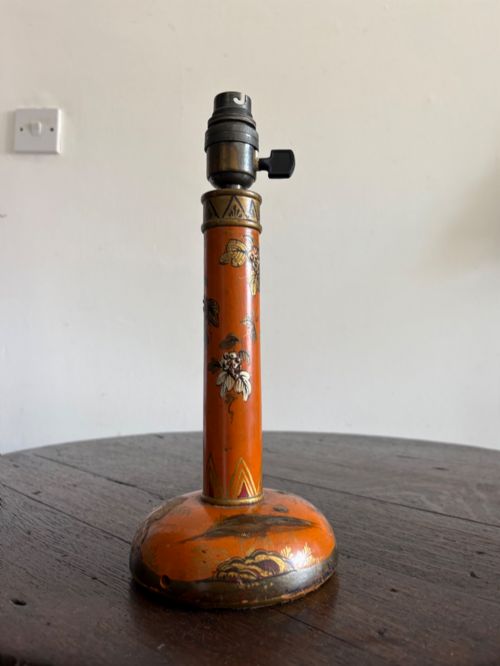
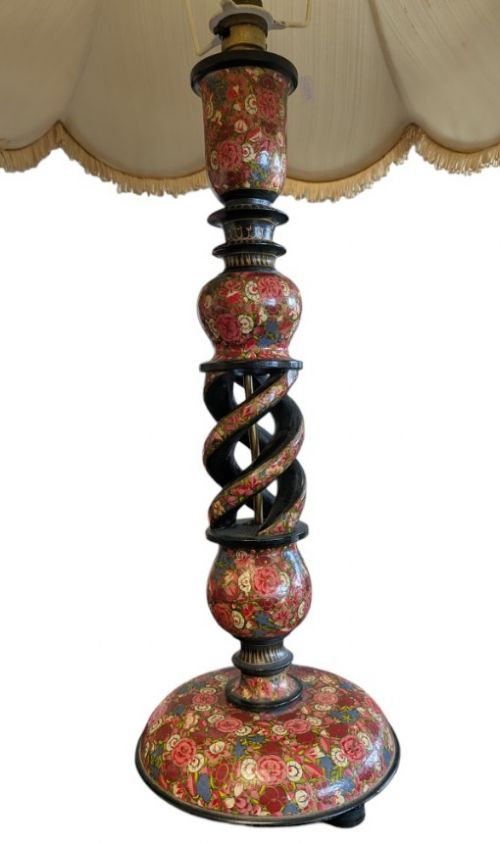
The aesthetic draws on Chinoiserie traditions, Kashmiri folk art, and Anglo-Indian designs. Edwardian examples appear frequently, alongside pieces from the nineteen-twenties and nineteen-thirties that utilise bold mandarin orange, crimson, and black lacquer grounds.
Materials and construction methods
The foundation of these pieces relies on wood, papier-mache, and bamboo, which receive multiple coats of lacquer to build a smooth surface. Artisans then apply hand-painted decoration, often integrating gilt, gold leaf, and brass components.
Table lamps and standard lamps incorporate painted finishes over carved or turned timber frames, while certain items utilise papier-mache bodies paired with traditional lamp holders.
Bright mandarin orange lacquer makes occasional guest appearances among the sea of traditional black and red finishes.
Judging the quality of the finish
The distinction between tiers of quality rests upon the depth of the lacquer and the precision of the hand-painted detailing. Superior examples display intricate, crisp motifs in gilt and colour that remain well-preserved across the body of the lamp.
Lesser pieces show surface wear that obscures the hand-painted execution, whereas finer items maintain clear artistry in the Chinoiserie or Kashmiri decorative schemes without heavy obscuring crackle or loss.
The Oriental Lacquered Lamp Glossary
- Chinoiserie
- European decorative style reflecting Chinese artistic influences, characterised by painted landscapes, figures, and motifs on lacquered grounds.
- Kashmiri
- Pertaining to decorative work from Kashmir, notably hand-painted papier-mache and wooden objects featuring detailed floral and geometric patterns.
- Standard lamp
- A tall floor-standing lamp designed to provide ambient room lighting, frequently seen in early twentieth-century Edwardian interiors.
- Lacquer
- A durable resin finish applied in successive layers to wood, papier-mache, or metal, providing a smooth base for painted and gilded ornamentation.
- Aesthetic Movement
- Nineteenth-century design movement emphasising visual and decorative qualities, often incorporating bamboo and oriental motifs.
Oriental Lacquered Lamp: Frequently Asked Questions
How do I date an oriental lacquered lamp?
Dating relies on stylistic clues and construction materials typical of specific decades. Edwardian examples often feature slender turned standards with black or coloured Chinoiserie decoration.
Pieces from the nineteen-twenties and nineteen-thirties introduce brighter palettes like mandarin orange and crimson alongside Kashmiri papier-mache forms.
Where were these lamps placed originally?
These lamps stood in principal reception rooms and drawing rooms of grand homes. They complemented matching occasional furniture such as nest of tables and side cabinets.
Their decorative presence added warmth and an exotic focal point to period interiors.
Are standard lamps and floor lamps the same?
In historical terminology, standard lamps and floor lamps both describe tall lighting pieces meant to stand directly on the floor. Period listings use both terms interchangeably for upright wooden or lacquered posts.
Both types usually required a substantial weighted base or sturdy feet for stability.
How do I care for a lacquered surface?
Lacquered surfaces require gentle dusting with a soft, dry cloth to prevent scratching the finish. Avoid chemical polishes, moisture, and direct sunlight that can degrade the gold leaf and painted details.
Maintaining stable room humidity protects the underlying wood and papier-mache from movement.