

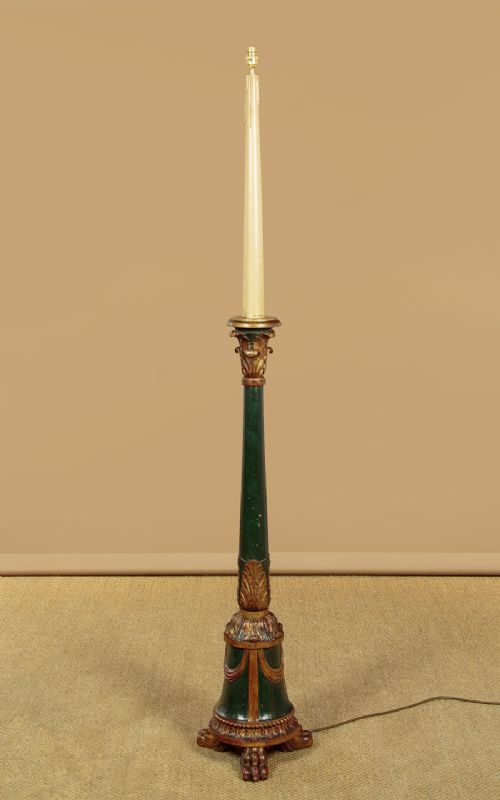
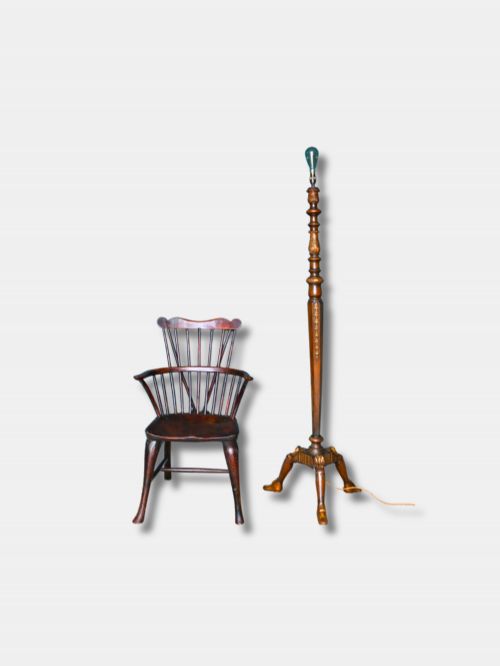
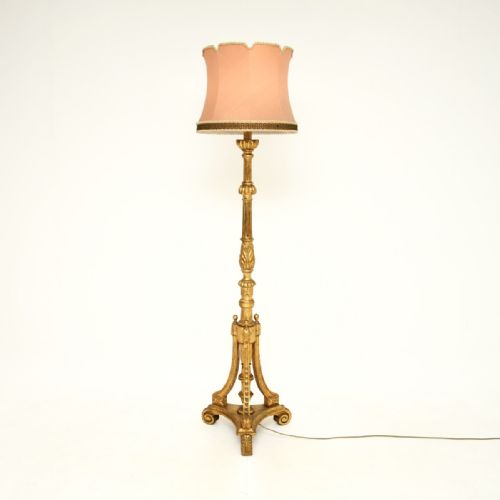


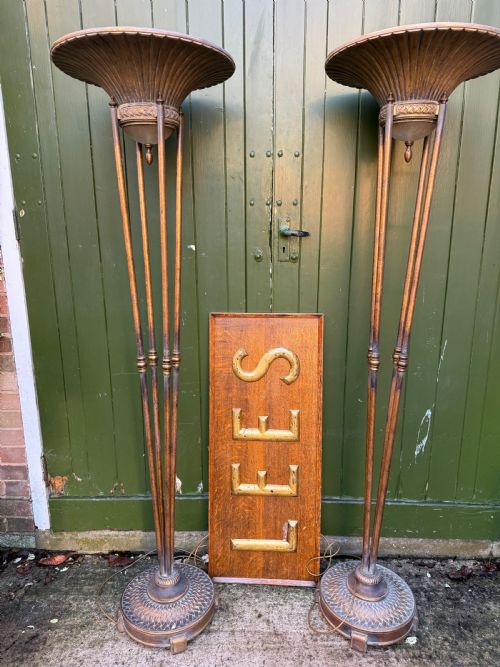


Gilt Floor Lamp
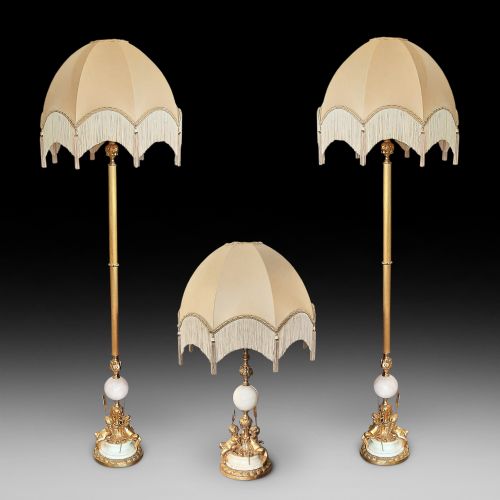
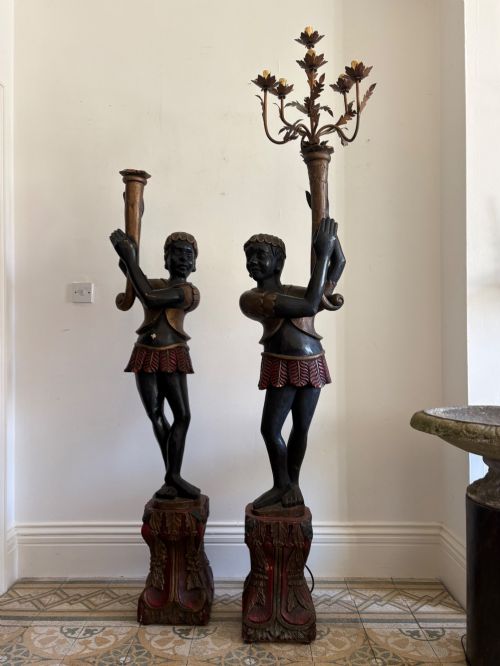
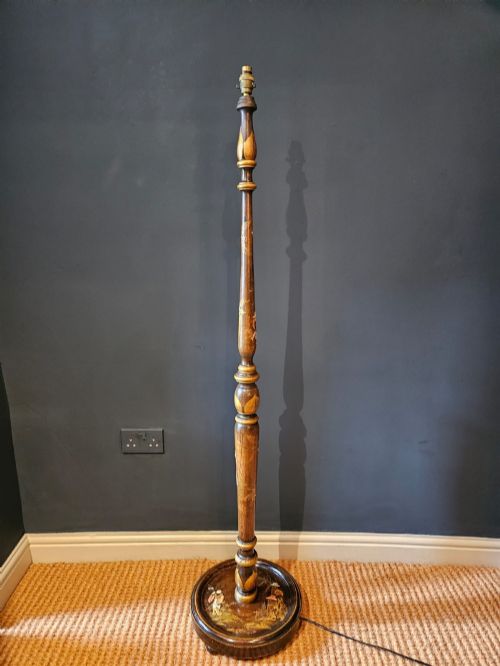
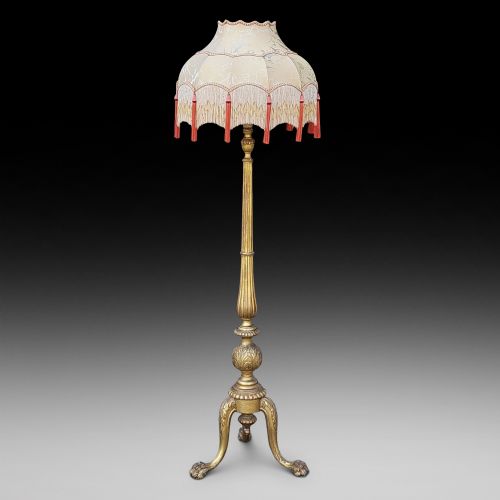
A gilt floor lamp brings light and golden presence to a room, drawing the eye with carved wood, ormolu, and lacquered finishes across multiple periods.
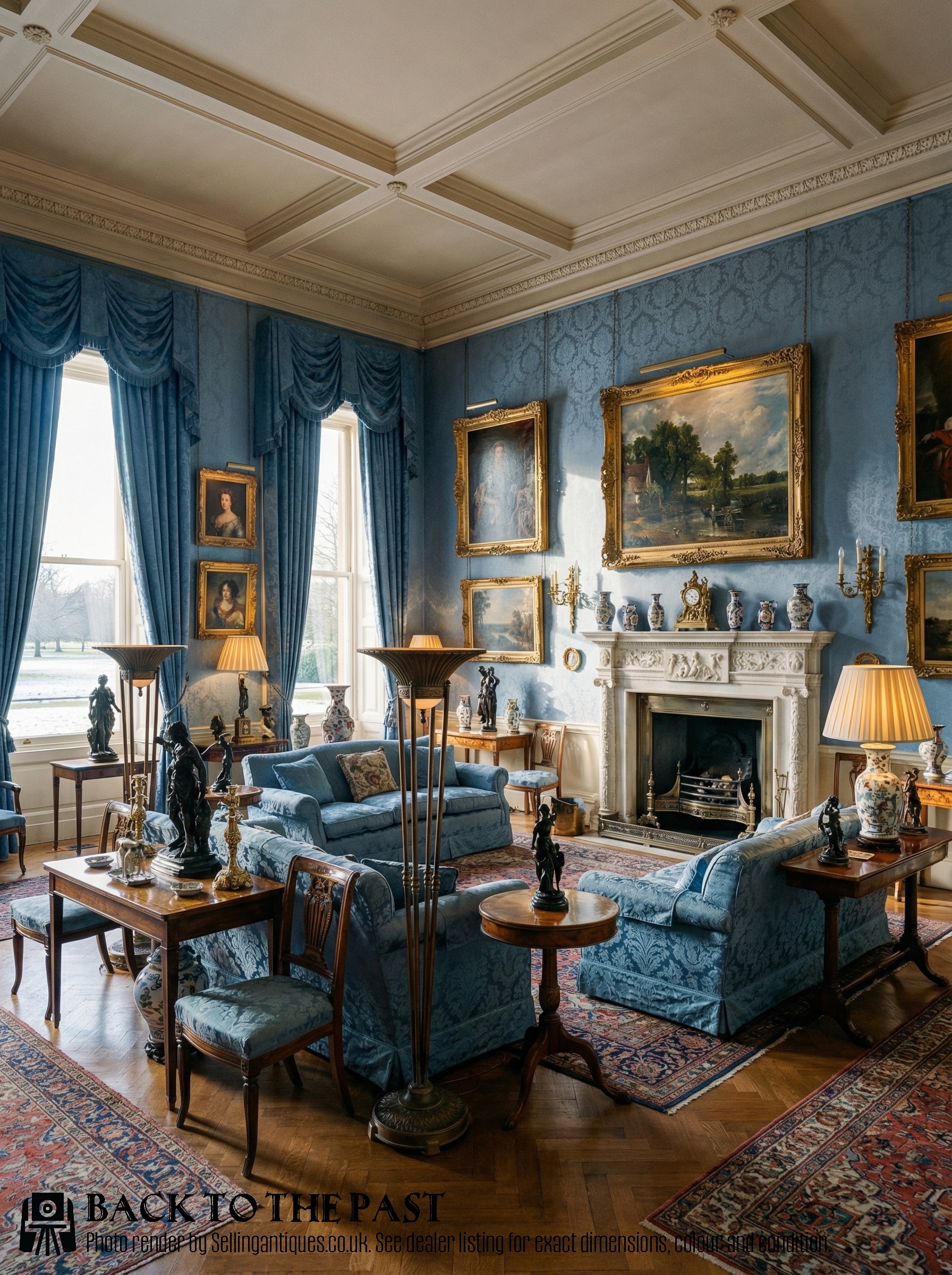
Gilt Floor Lamp
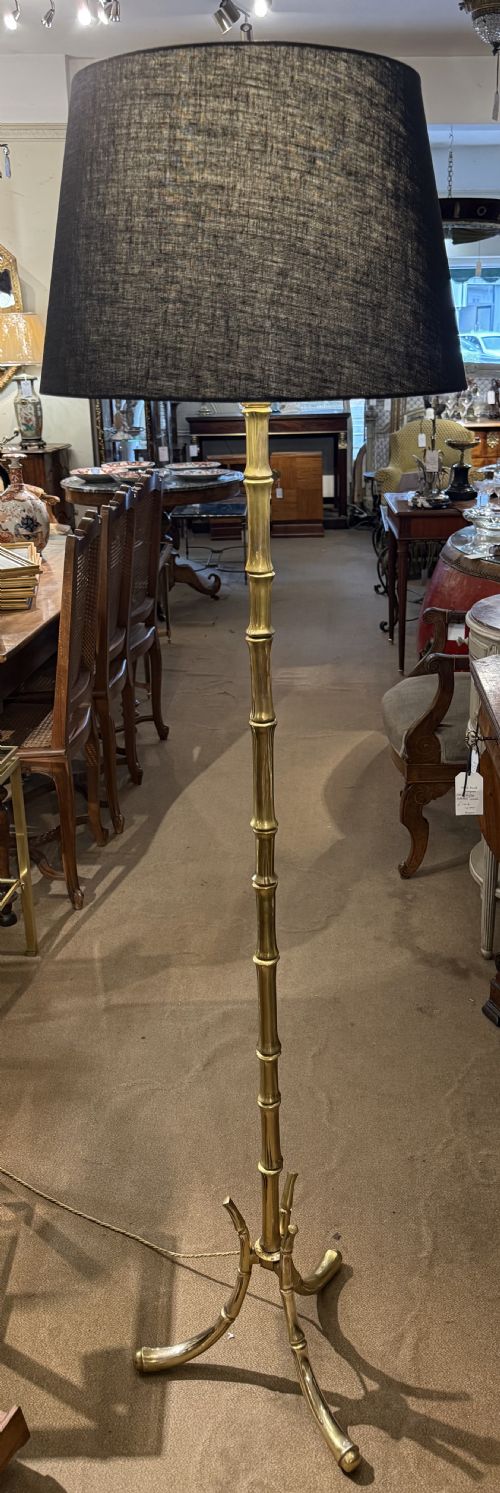
A gilt floor lamp provides elevated illumination while introducing a decorative golden surface to an interior space. These pieces appear in forms described as standard lamps, torcheres, and pole screen conversions.
The selection ranges from Victorian and Edwardian examples to items from the 1920s and 1930s. Common decorative idioms include Chinoiserie, Neoclassical revival, Italian Florentine, and Hollywood Regency designs.
Buyers frequently encounter variations executed in giltwood, carved wood and gesso, and lacquered finishes. Italian, French, and English workshops contributed to this variety across the nineteenth and twentieth centuries.
How they were made
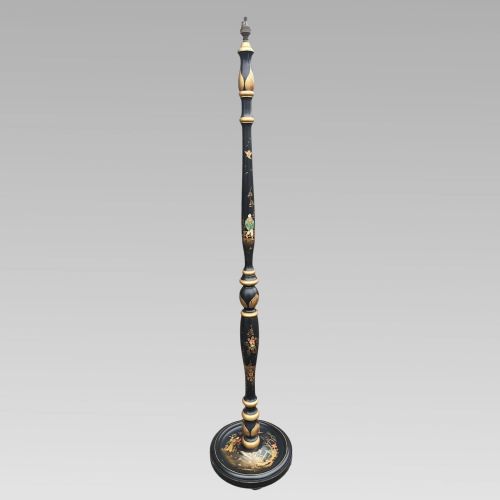
Wood standards rely on skilled carving, gesso preparation, and application of gold leaf or gilt finishes. Lacquered versions incorporate painted decorations over black or red grounds, particularly in Chinoiserie pieces.
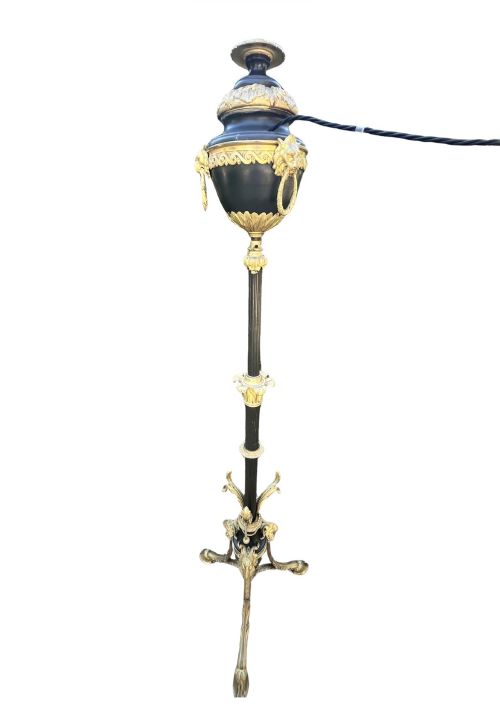
Bronze and brass examples utilise casting techniques, resulting in heavy ormolu mounts and patinated metal components. Tripod bases, marbleised details, and adjustable mechanisms provide structural support and mechanical function.
Gilt Floor Lamp Retail Price Guide 2026
Typical asking prices for gilt floor lamp among the pieces listed under this phrase on Sellingantiques today, from the lower quarter to the upper quarter. They describe what is for sale here now, not the wider market.
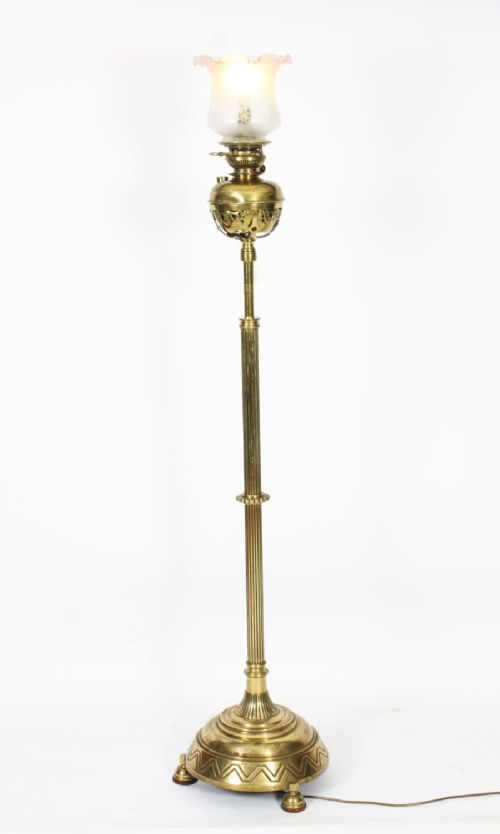
Some tall standards began life as nineteenth-century oil burners before finding a second career holding lightbulbs.
What varies in quality
The depth and preservation of the gilding separate standard examples from finer works. Original hand-carved wooden details and crisp gesso work display greater artistry than later or simplified surface treatments.
Material selection dictates structural integrity, where dense hardwoods, substantial bronze castings, and stable joinery distinguish superior pieces. The sophistication of the decorative style, such as intricate Chinoiserie painting or Neoclassical proportions, defines the distinction between workshops.
Maison Bagues·Coutan·François-Christophe-Armand Toussaint
The Gilt Floor Lamp Glossary
- Giltwood
- Wood that has been coated with gold leaf or powder. This finish appears frequently on standard lamps and torcheres.
- Standard lamp
- A freestanding tall lamp designed to illuminate a room from floor level. It serves as an alternative to table-mounted lighting.
- Torchere
- A tall ornamental stand or floor lamp, originally designed to carry a torch. In later periods, it functions as an uplighter.
- Ormolu
- Gilded bronze used for decorative mounts and fittings. It provides metallic detail on nineteenth-century pieces.
- Chinoiserie
- European interpretation of Chinese and East Asian artistic traditions. It manifests in lacquered finishes and painted scenes.
Gilt Floor Lamp: Frequently Asked Questions
What is a torchere lamp?
A torchere is a tall stand designed to hold a light source directing illumination upwards toward the ceiling. These pieces provide ambient room lighting rather than task illumination.
Historically rooted in lighting supports, these tall stands developed into freestanding electric floor lamps by the early twentieth century while retaining their slender proportions.
How do I identify a Chinoiserie lamp?
Chinoiserie lamps feature lacquered surfaces, typically in black or red, decorated with painted Asian-inspired motifs and figures. These finishes reflect European taste from the Edwardian era and the 1920s.
The woodwork often incorporates carved details painted to complement the lacquered background, creating a distinct visual presence in an interior.
Are these lamps wired for modern use?
Many surviving standards have undergone conversion or rewiring to accommodate modern electrical standards while retaining their period frames. Buyers should inspect the internal wiring and bulb fittings.
Older oil lamp conversions and standard lamp bodies often integrate contemporary flex and plug configurations to function safely in modern homes.
What distinguishes Neoclassical from Baroque lamps?
Neoclassical pieces draw on classical Greek and Roman motifs, displaying symmetry, restraint, and Adam or Louis XVI styling. The lines remain straight and architectural.
Baroque and Italianate-Baroque designs employ exuberant curves, heavy carving, and dynamic figural elements such as those found on Venetian standard lamps.