




Decorative Chinoiserie Lamp
These decorative chinoiserie lamp pieces bring hand-painted narrative scenes and oriental motifs into a room, offering both character and warm illumination.
Decorative Chinoiserie Lamp
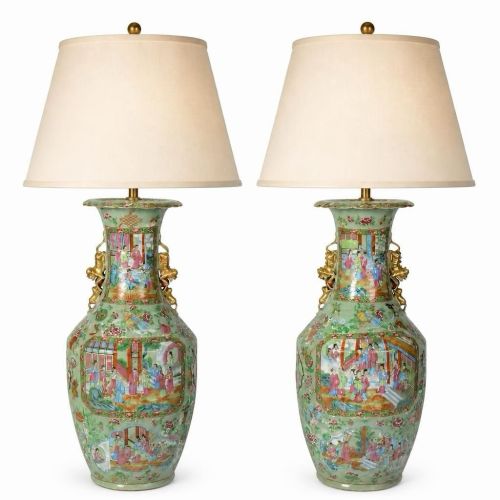
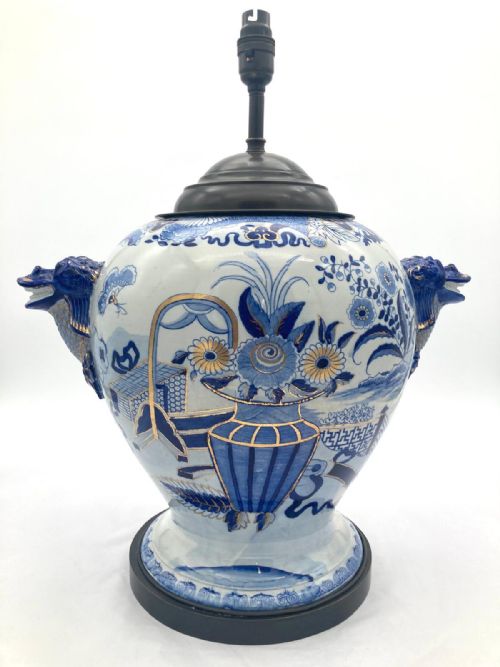
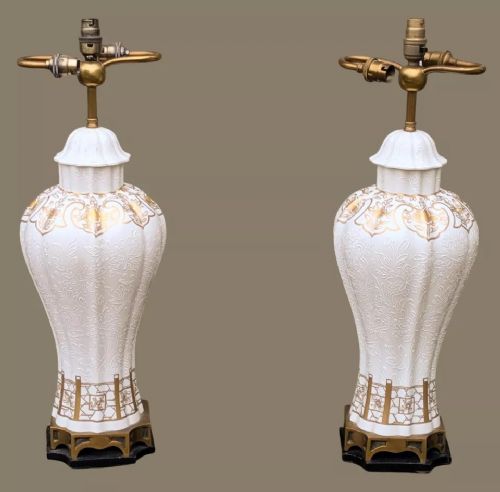
A decorative chinoiserie lamp is typically formed by converting antique vessels, such as 19th Century Chinese vases, tea canisters, and Japanese Arita Imari wares, into functional lighting. Buyers searching this phrase encounter both table lamps and taller standard or floor lamps that integrate historic ceramics and lacquer work.
Paris porcelain and Rose Medallion ceramics frequently serve as the body of these lamps, accompanied by fabric shades. The aesthetic draws heavily upon French Chinoiserie and Qianlong style influences applied to domestic interiors.
How they were made
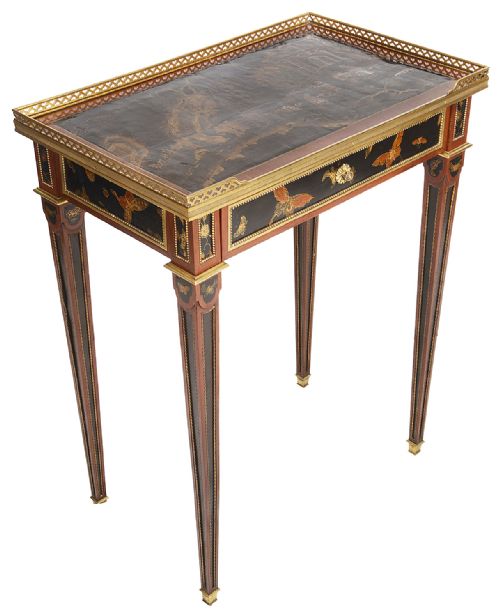
Makers utilised porcelain, ironstone, and pottery as the primary bodies, often pairing them with mounts of gilt bronze or brass. Lacquered wood and plain wood provide the structure for related items like standard lamps and occasional tables.
Decoration relied on hand-painted enamel and lacquer techniques to depict traditional scenes, plant life, and figures. Craftspeople adapted imported or European-made ceramic vessels by drilling bases and adding electrical or oil-burning fittings.
Materials recorded across the selection include gilt bronze, brass, lacquer, and Paris porcelain.
What varies in quality
Quality rests in the crispness of the hand-painted enamel work and the integrity of the porcelain or lacquer body. Pieces featuring finely detailed famille rose or famille verte palettes display greater artistic investment.
The hardware matters significantly, distinguishing standard conversions from those finished with heavy gilt bronze mounts. The harmony between the original vessel and the added lighting components dictates the overall success of the piece.
The Decorative Chinoiserie Lamp Glossary
- Chinoiserie
- European artistic styles reflecting Chinese and East Asian artistic traditions. Artisans applied these motifs to furniture, porcelain, and textiles throughout the eighteenth and nineteenth centuries.
- Rose Medallion
- A distinct style of nineteenth-century Chinese porcelain decoration characterised by panels of figures and birds surrounded by green and pink floral motifs.
- Famille Verte
- A Chinese porcelain palette dominated by green enamel overglaze colours. This style developed during the Qing dynasty and heavily influenced later European decorative arts.
- Arita Imari
- Japanese export porcelain produced in Arita and characterised by underglaze blue and overglaze iron red and gold. These wares were widely collected and later adapted into lamps in the West.
Decorative Chinoiserie Lamp: Frequently Asked Questions
Are these lamps converted from old vases?
Many of these pieces began life as vases, tea canisters, or jars before being professionally adapted into lighting.
This conversion process preserves historic ceramics while giving them a functional role in modern rooms.
How do I date a decorative chinoiserie lamp?
Dating relies on examining the ceramic body, the style of the hand-painted enamel, and any associated metal mounts.
Pieces range from the Regency era and the 1800s through to the Victorian period and the 1930s.
What materials are used in these pieces?
The construction typically combines porcelain, ironstone, or lacquer with brass, gilt bronze, and wood.
Fabric is also common, primarily used for the shades accompanying the main lamp bodies.
Where were these styles made?
The evidence includes both Asian export wares, such as 19th-century Chinese and Japanese pieces, and European interpretations.
French Chinoiserie and Qianlong style items reflect Western makers adopting these orientalist designs.