
Oriental Lacquer Table
An oriental lacquer table brings rich hand-painted scenes and lustrous dark finishes into a room, offering both practical surface space and decorative depth.
Oriental Lacquer Table
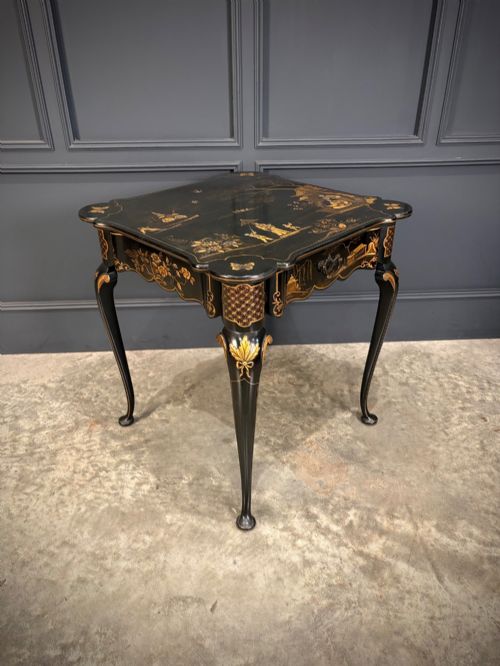
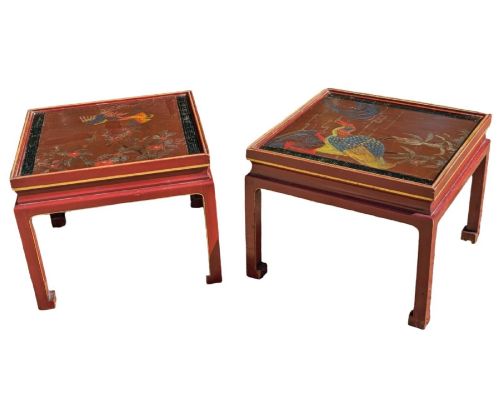
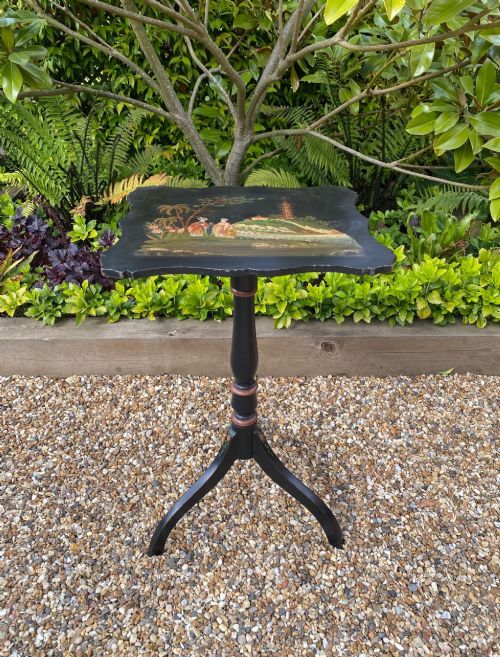
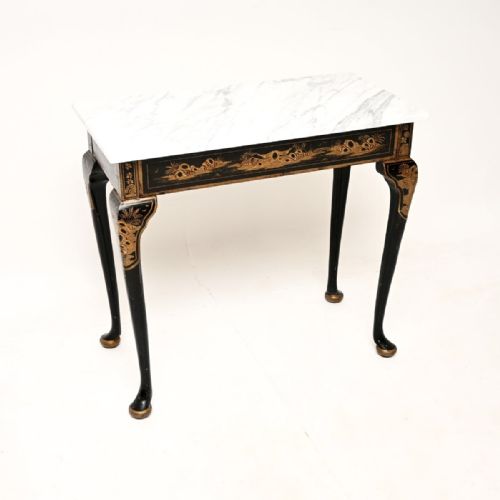
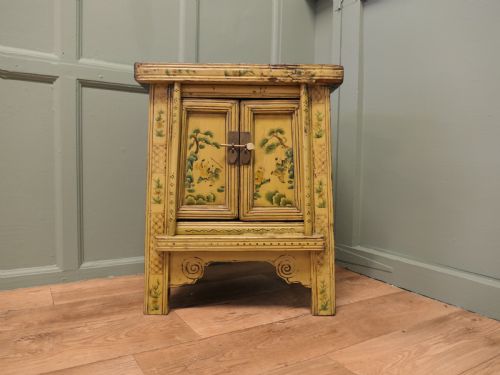
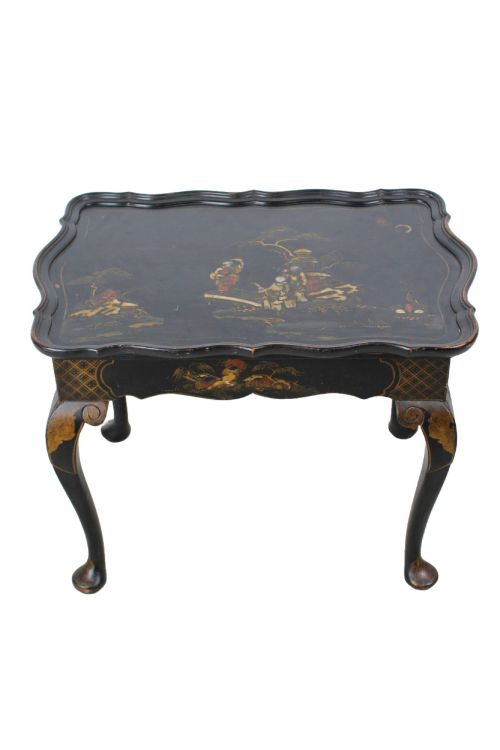
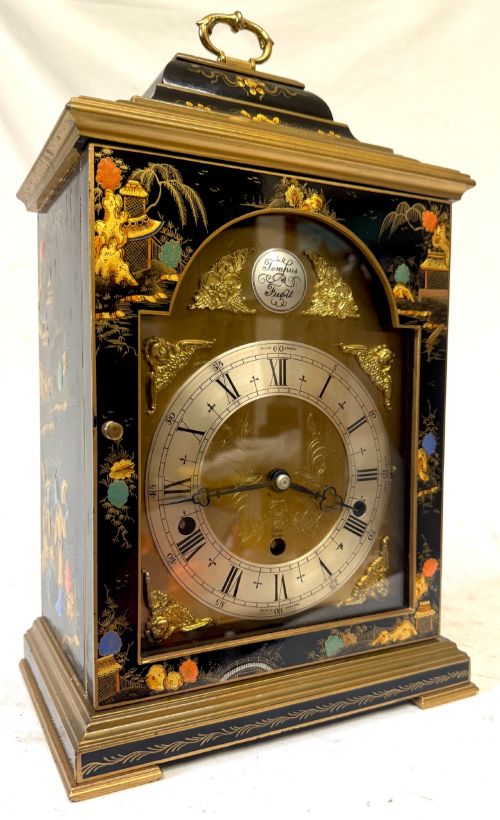
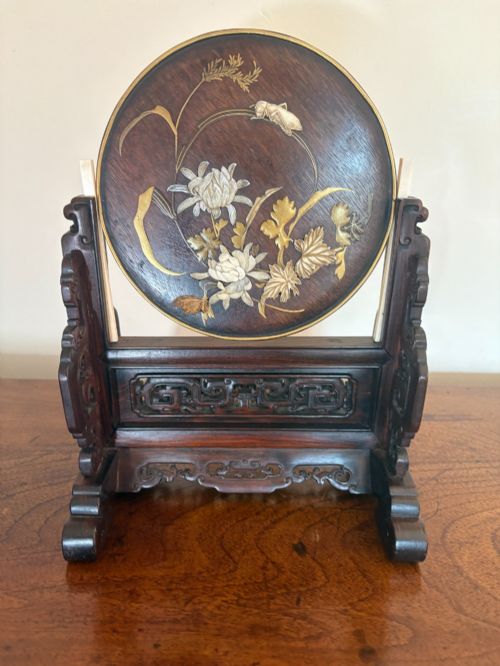
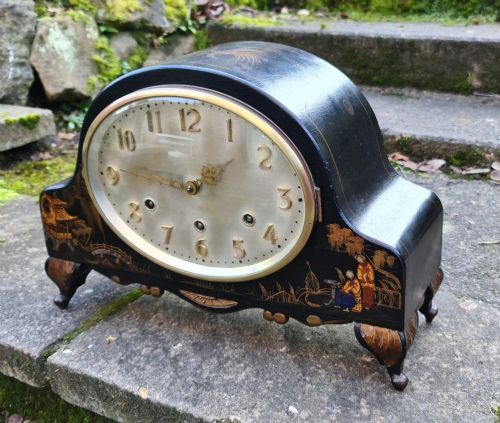
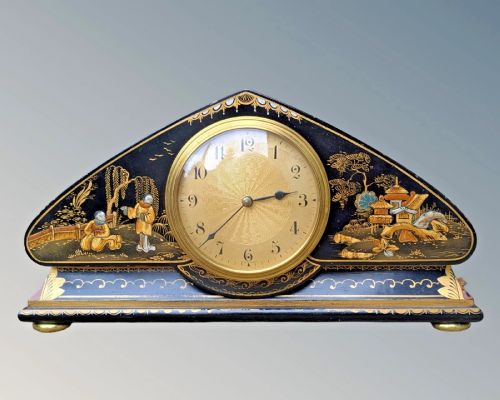
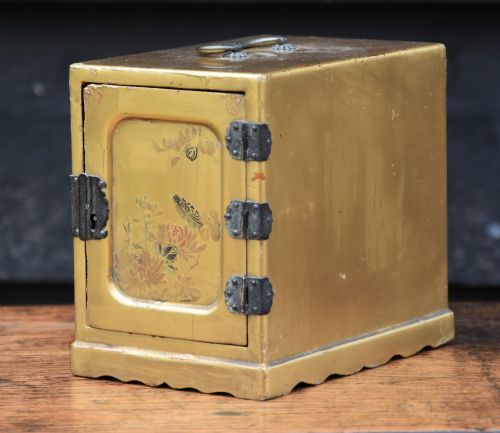
When searching for an oriental lacquer table, buyers encounter diverse forms ranging from low coffee tables and occasional tables to nests of tables and folding game pieces. These items draw on styles such as Chinoiserie, Qing Dynasty, and Meiji Period designs created across the nineteenth and early twentieth centuries.
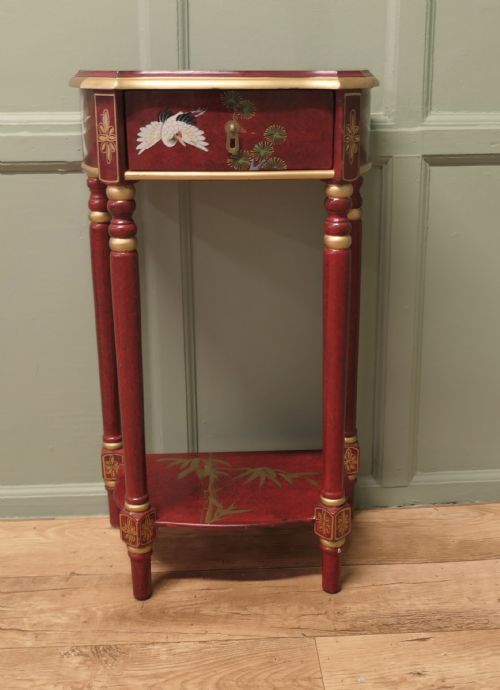
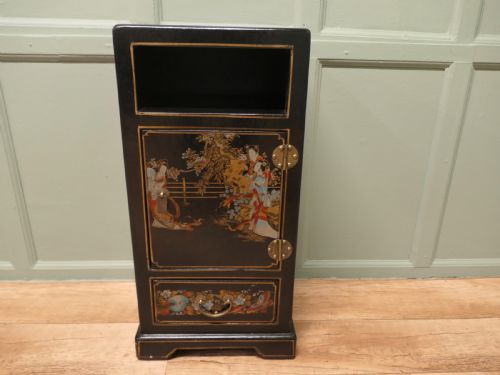
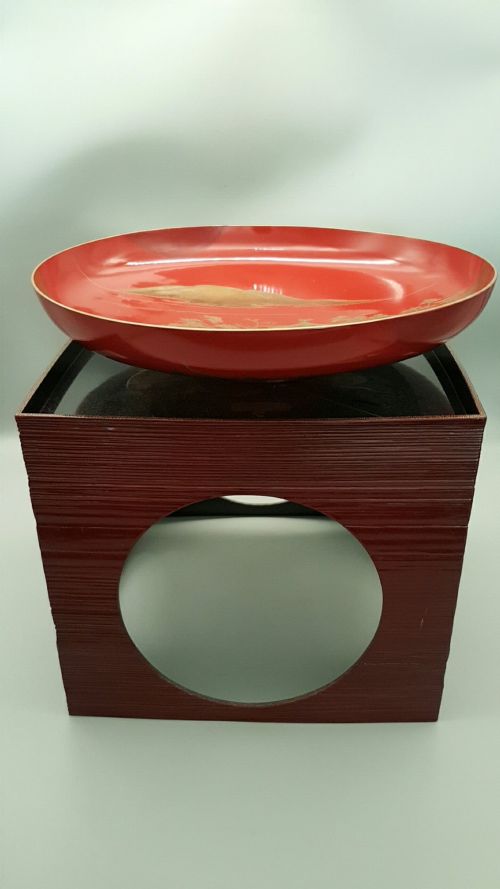
The most common examples on this page are side tables and coffee tables finished with black or red lacquer, often highlighted with gilt, gold leaf, and painted figural or botanical scenes. British and European makers frequently adapted these Asian motifs during the Victorian and Edwardian eras, producing decorative furniture tailored to Western interiors.
How they were made
Construction relies upon solid timbers such as elm or carved wood substructures, which are then coated in multiple layers of lacquer to form a smooth, durable base. Artisans apply delicate hand-painted decoration, sometimes incorporating gold leaf or contrasting pigments in red, black, and cream.
Detailing often includes brass hardware, glass tops, or inlaid elements that complement the painted surfaces. Regional traditions from China, Japan, and Kashmir dictate the specific palette and brushwork found on each piece.
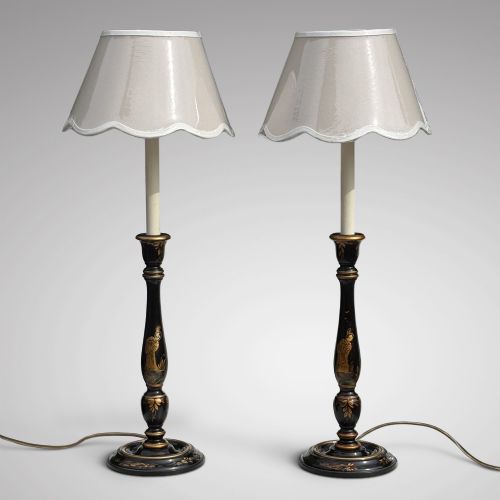
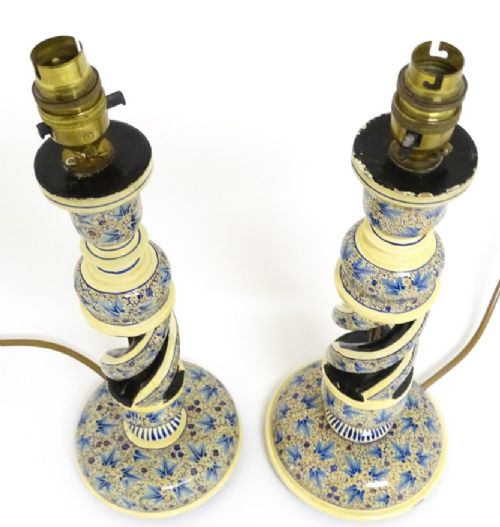
The furniture forms range from coffee tables and side tables to nests of tables and table lamps.
What varies in quality
Quality rests upon the depth of the lacquer finish and the precision of the hand-painted detailing, where finer examples display intricate brushwork and stable, layered surfaces without heavy craquelure. The structural integrity of the underlying wood and the retention of original gilt or gold leaf also distinguish superior specimens from simpler production.
Design complexity plays a significant role, as matched nests of tables or items featuring multi-tiered Chinoiserie scenes require greater technical skill than plain occasional surfaces. Preservation of the original finish over time determines the visual impact and integrity of the piece.
Elliott London·Maison Bagues
The Oriental Lacquer Table Glossary
- Chinoiserie
- European decorative style reflecting Chinese artistic influences, characterised by painted figures, landscapes, and pavilions. This aesthetic dominated many Victorian and Edwardian lacquered items.
- Gilt
- Application of gold leaf or gold paint to surfaces, used here to highlight decorative scenes and borders on dark lacquer. It catches the light and adds contrast to the composition.
- Japanned
- European imitation of Japanese and Chinese lacquerwork, popular during the eighteenth and nineteenth centuries. It involves layering varnishes and paints to mimic Asian export pieces.
- Nest of tables
- Set of graduated tables designed to fit neatly beneath one another when not in use. They provide versatile surface space in smaller sitting rooms.
Oriental Lacquer Table: Frequently Asked Questions
How do I clean an oriental lacquer table?
Dust gently with a soft, dry cloth to prevent scratching the delicate surface. Avoid harsh chemical cleaners, moisture, and direct sunlight which can degrade the lacquer over time.
Wax polishes are generally unnecessary and can build up a hazy film on high-gloss finishes. If a deeper clean is needed, consult a specialist conservator who understands historical varnish.
Can I use an oriental lacquer table daily?
These tables were built for everyday use as side surfaces, coffee tables, or desks, but they benefit from mindful handling. Using coasters and placemats protects the painted finish from heat and liquid rings.
Placing the table away from radiators and unshielded windows prevents the wood underneath from shrinking and the lacquer from cracking.
How do I date an oriental lacquer table?
Dating relies on examining the construction methods of the underlying wood, the type of hardware used, and the style of the painted decoration. Victorian and Edwardian interpretations often feature European timber framing beneath the Asian-inspired surface.
Comparative study of period motifs, such as specific Chinoiserie borders or Meiji floral patterns, helps narrow down the decade of manufacture.