



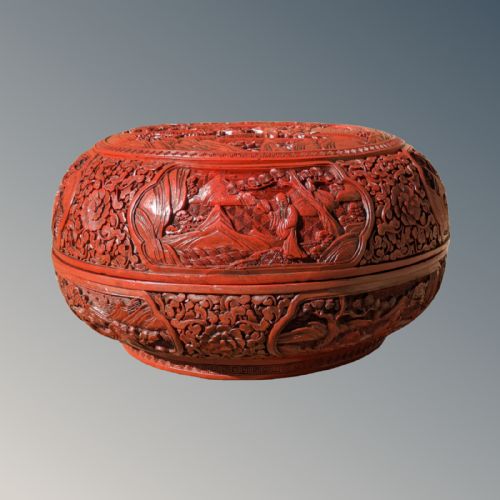
Oriental Lacquer Box
An oriental lacquer box brings hand-finished surface depth and historic craft into a room, spanning delicate table cabinets to substantial storage trunks.
Oriental Lacquer Box
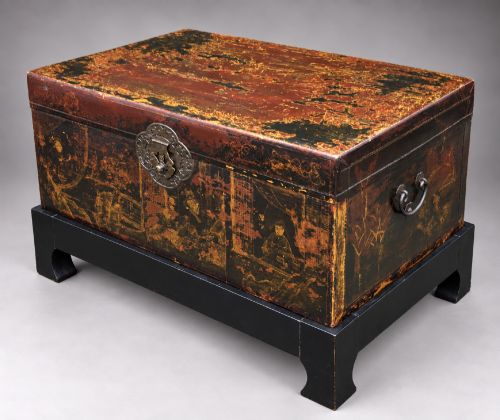
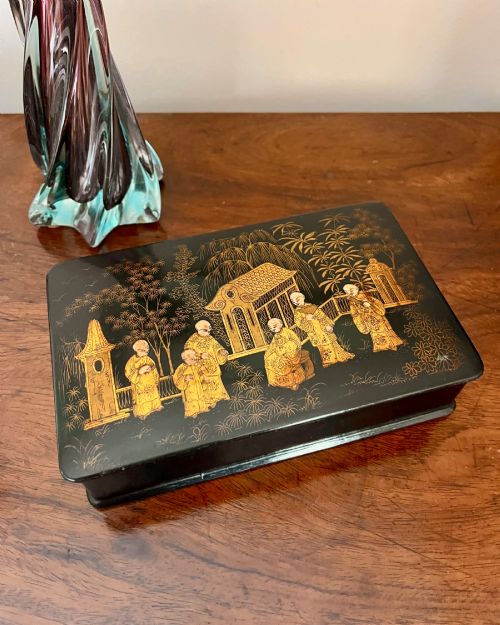
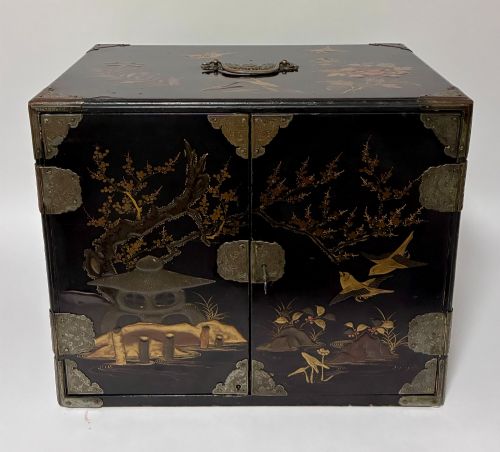
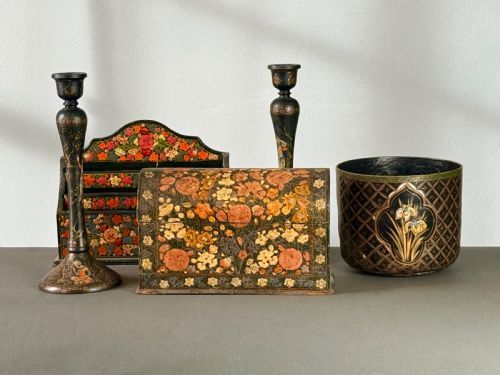
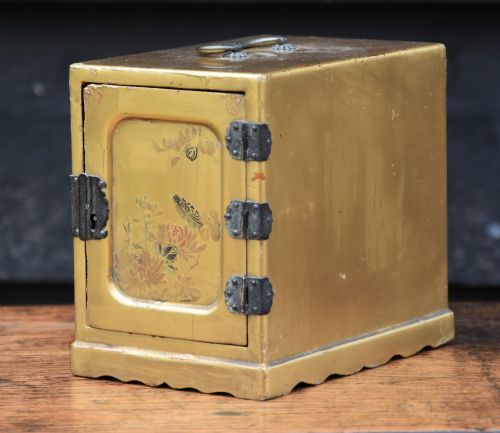
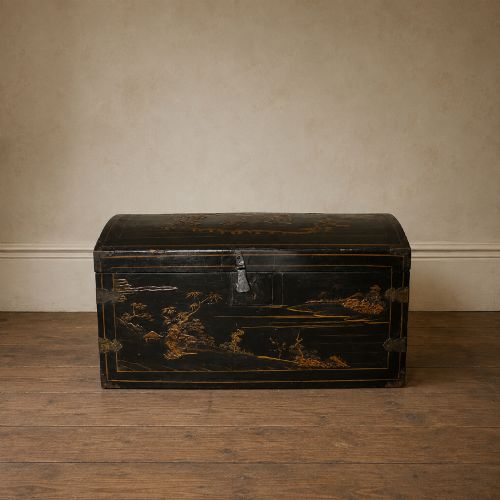
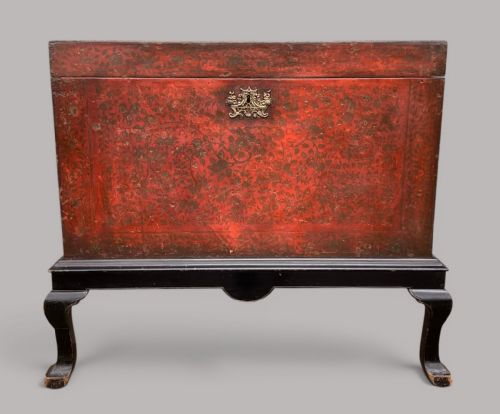
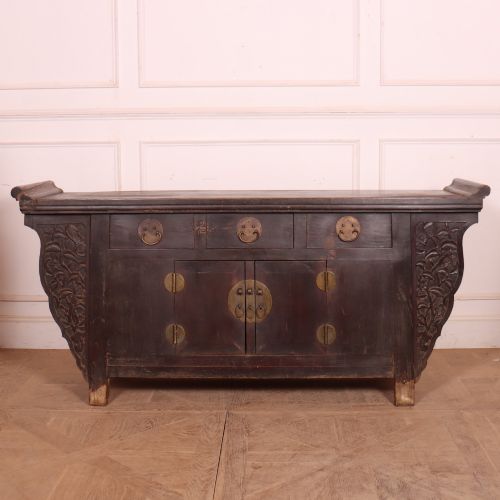
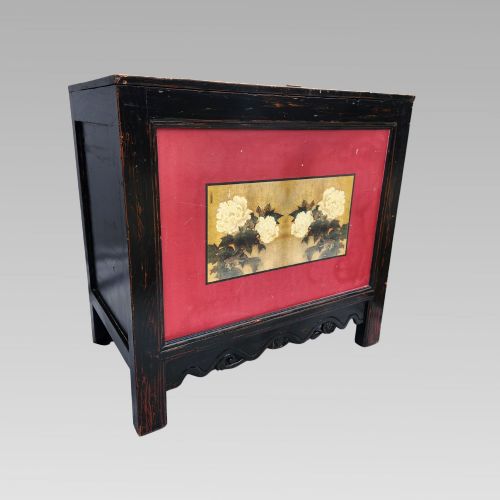
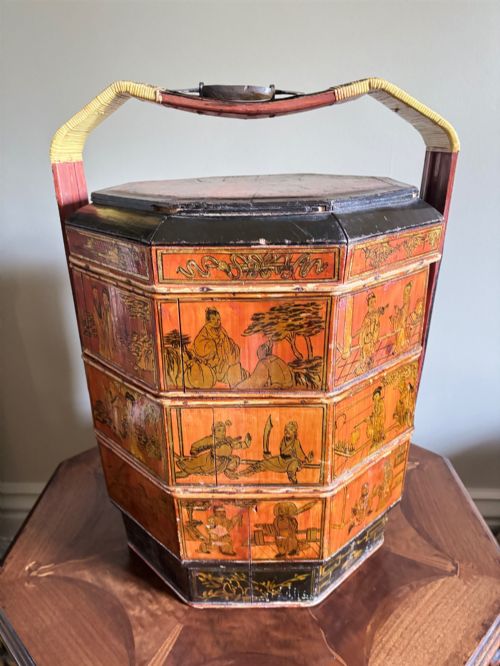
When you search for an oriental lacquer box, you encounter pieces originating from China, Japan, and India, spanning the eighteenth through to the early twentieth century. The selection ranges from small lidded keepsakes, tea caddies, and jewellery boxes to larger table cabinets, dowry baskets, and trunks.
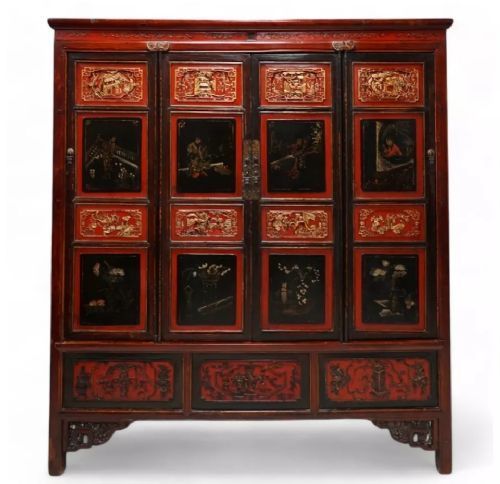
Chinese Export and Qing Dynasty examples frequently display black or red grounds with gilt decoration, while Japanese pieces from the Meiji period utilise intricate gold lacquer work on items such as the kodansu or writing box. Indian and Kashmiri variants introduce distinct regional motifs, including painted surfaces and turned wooden structures.
Materials and construction
Construction relies primarily on wood, camphor wood, or papier-mâché, coated in layers of lacquer to form a hard, resilient shell. Artisans frequently added surface enrichment using gold leaf, gilt, and brass mounts, alongside carved cinnabar details on specialised lidded vessels.
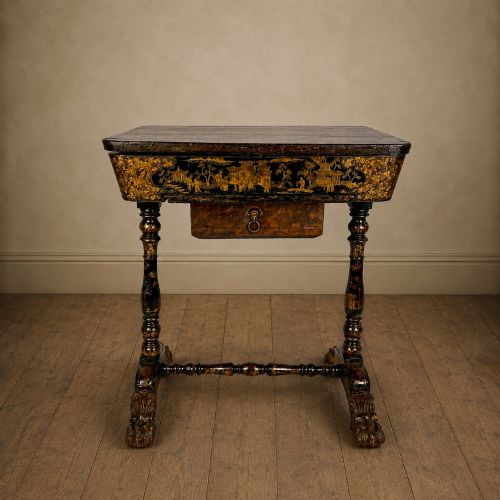
The underlying woodwork supports complex functional designs, from multi-tiered dowry baskets and sewing tables to fitted table cabinets with internal drawers and compartments.
The listings feature diverse forms including tea caddies, sewing tables, writing boxes, and large storage trunks.
Evaluating execution
Quality rests in the precision of the surface application and the crispness of the gilt or painted decoration. Superior examples display smooth, deep layers of lacquer without cracking, alongside finely detailed pictorial scenes or floral motifs that remain intact across centuries of handling.
The sophistication of the internal fittings, such as secret drawers in a table cabinet or original brass hardware on a trunk, distinguishes standard utility pieces from higher-status workshop productions.
The Oriental Lacquer Box Glossary
- Lacquer
- A durable resin finish applied in multiple coats to a wooden or papier-mâché base. It creates a smooth, protective, and highly polished surface.
- Kodansu
- A small Japanese table cabinet fitted with internal drawers and compartments. These portable chests were traditionally used for documents, seals, or personal valuables.
- Cinnabar
- A bright scarlet mineral pigment used to colour carved lacquer surfaces. Artisans carved deep relief designs into thick layers of this red material.
- Chinoiserie
- European artistic style reflecting Chinese motifs and decorative techniques. It appears frequently on eighteenth and nineteenth-century export furniture and boxes.
- Inro
- A traditional small Japanese multi-tiered case hung from a sash. They were used to carry personal items such as medicines or seals.
Oriental Lacquer Box: Frequently Asked Questions
What is an oriental lacquer box used for?
These boxes served practical storage functions in historic interiors, holding documents, tea, jewellery, sewing implements, or personal keepsakes. Today, they function as decorative accent pieces on tabletops or sideboards.
Larger versions, such as trunks and table cabinets, offer enclosed storage for modern domestic items while retaining their historic visual presence.
How do I care for a lacquer box?
Keep the surface away from direct sunlight and extreme humidity changes, which can cause the wooden substrate to expand and the lacquer layer to craze. Dust gently with a dry, soft cloth.
Avoid using modern chemical polishes, abrasive cleaners, or water, as moisture can penetrate hairline fractures in the historic finish.
How do I tell Chinese from Japanese lacquer?
Chinese export pieces often feature bold black and gold painted or gilt landscapes with deep carved cinnabar details. Japanese items frequently employ refined gold dust techniques, known as maki-e, alongside distinct regional wood types.
Examining the underlying construction and stylistic motifs helps identify the specific Asian workshop tradition.
What periods do these pieces date from?
The available selection primarily encompasses the nineteenth and early twentieth centuries, including Victorian adaptations and pieces from the Meiji period. Occasional examples extend back into the eighteenth century.
Dating relies on construction methods, wood types, stylistic motifs, and the specific character of the decorative lacquer work.