
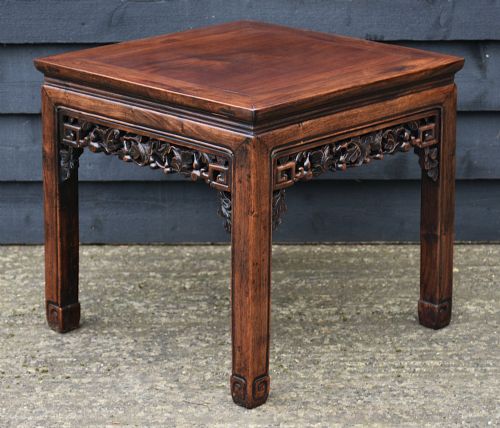
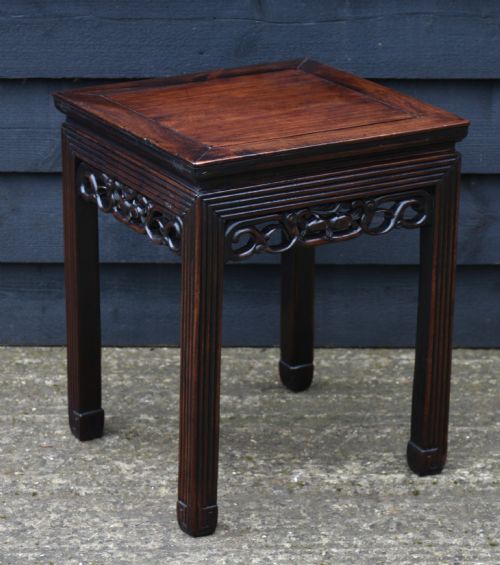
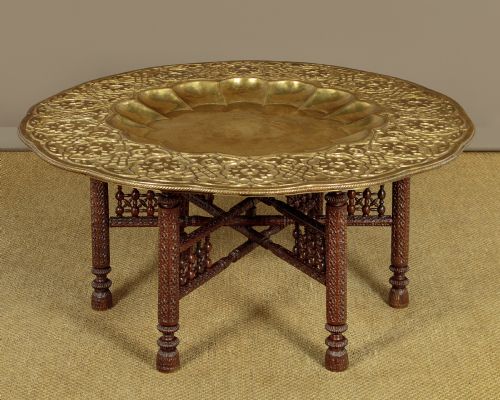
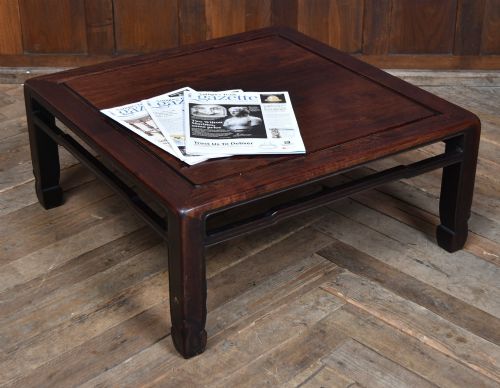
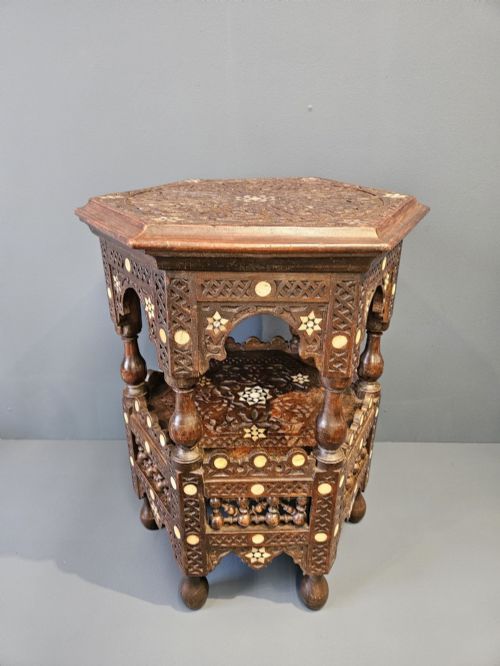
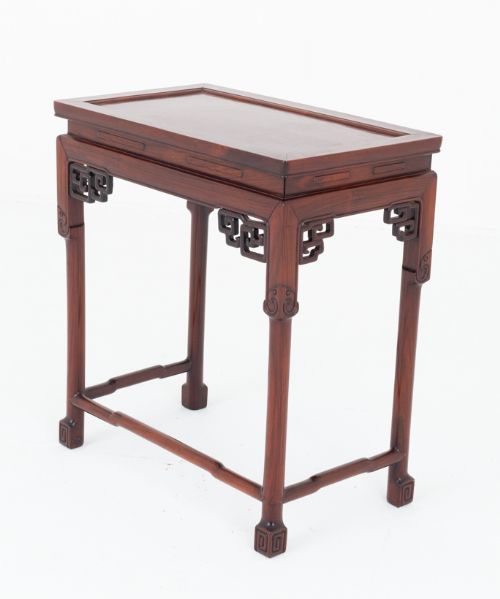


Oriental Hardwood Tea Table
An oriental hardwood tea table brings dense timber and low profiles into a room, offering a functional surface rooted in centuries of craftsmanship.
Oriental Hardwood Tea Table
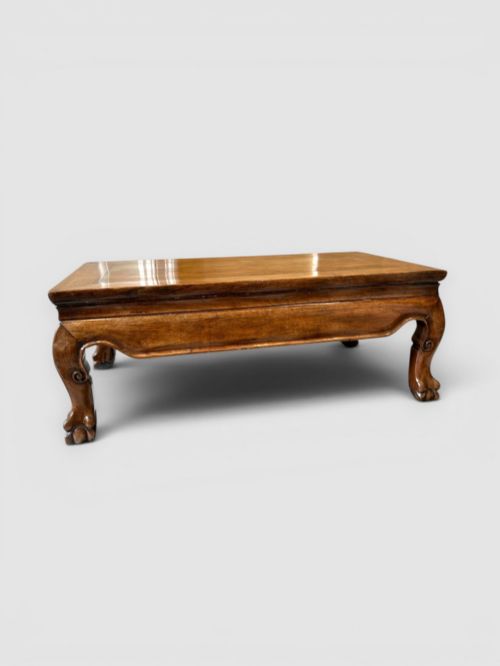
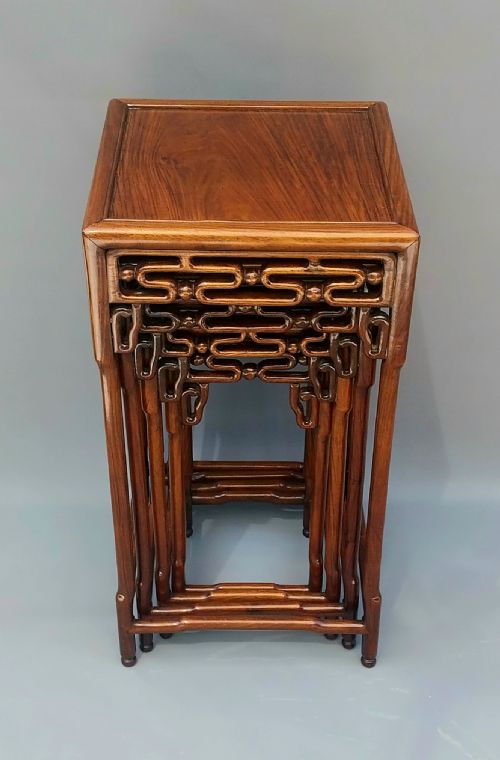
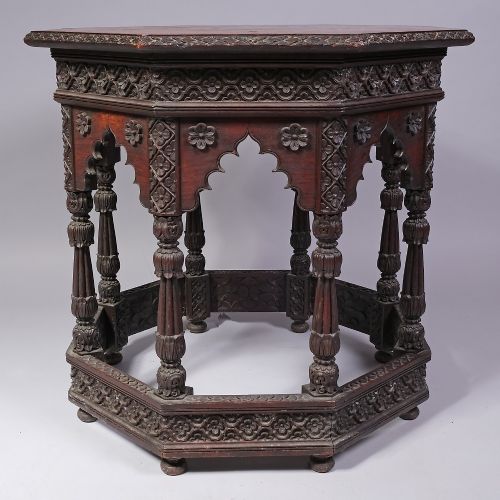
Buyers searching for an oriental hardwood tea table encounter various low configurations, from square and rectangular coffee tables to nesting sets and octagonal occasional stands. Low tables and kang tables dominate the selection, shaped by traditional domestic uses.
The aesthetic merges regional craftsmanship with sturdy utility, utilising woods that show deep patinas over time. Many items carry specific stylistic markers like scroll ends, carved dragons, or marble inserts.
Construction and Materials
Joinery relies on traditional interlocking methods that accommodate the natural movement of dense hardwoods without metal fasteners. Cabinetmakers selected timbers like rosewood, elm, and teak for their weight and grain depth.
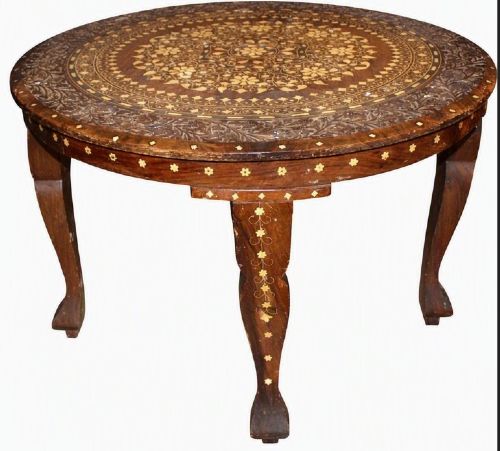
Carving and inlay work define the decorative surface, featuring bone, brass, or copper elements set directly into the wood. Polishing brought out the natural lustre of the timber, creating a durable finish for everyday use.
Several tables feature hidden compartments for opium pipes, secretly turning your tea break into an undercover detective drama.
Assessing Quality
The integrity of the timber and the crispness of the carving distinguish finer examples from simpler workshop output. Deep, intentional relief carving on aprons and legs indicates skilled hand labour rather than mechanical production.
Patina and wood selection play a significant role, where heavier, tightly grained rosewood or hongmu denotes superior material choice. Well-preserved joinery that remains rigid without excessive modern reinforcement preserves the integrity of the piece.
Liberty And Co
The Oriental Hardwood Tea Table Glossary
- Kang table
- A low platform table traditionally placed on a heated brick bed in northern China for resting or serving tea. These pieces now function widely as low coffee tables in contemporary interiors.
- Hongmu
- A translation meaning red wood, referring to a category of dense, heavy tropical hardwoods used in fine Chinese furniture. It develops a rich, dark patina through handling and age.
- Padouk
- A durable tropical timber with a reddish hue that darkens to a deep brown over time. Cabinetmakers favoured it for stable, finely carved furniture.
- Opium table
- A common historical term for a low rectangular table used domestically for dining, smoking, or social gatherings. They sit lower to the floor than standard western tables.
- Anglo-Indian
- A descriptive term for furniture made in India under British colonial rule, combining local carving traditions with European forms. These pieces frequently incorporate brass, bone, or copper details.
Oriental Hardwood Tea Table: Frequently Asked Questions
What is an oriental hardwood tea table?
An oriental hardwood tea table is a low-set piece of furniture fashioned from dense timbers like rosewood, padouk, or elm. These tables often originate from 19th-century China or British colonial India.
They were built for domestic utility, serving as low gathering points for tea ceremonies, dining, or general household use. Their compact height makes them suitable as modern coffee tables.
How were these tables used originally?
These tables functioned as low central surfaces for daily domestic life, including tea service and social entertaining. Kang tables sat upon raised platforms or beds, while larger occasional tables stood in reception rooms.
In colonial contexts, similar forms accommodated tea rituals influenced by both local customs and British domestic habits. Their portability allowed them to be moved easily within the home.
How do I style a low hardwood table?
A low hardwood table works well paired with low seating arrangements or minimalist modern upholstery, creating visual balance through its grounded height. Placing one centrally allows the carved aprons and timber grain to remain visible.
Keep surface accessories sparse to highlight the natural patina and joinery of the wood. Ceramics or simple trays complement the historical aesthetic without crowding the surface.
How do I tell periods apart?
Distinguishing periods relies on observing construction methods, timber choice, and decorative motifs. Pieces from the 19th century frequently display hand-carved dragon motifs and dense rosewood or hongmu construction.
Later Victorian, Edwardian, or 1920s examples may incorporate mixed materials like brass or bone inlay, or reflect colonial export styles. Examining the depth of the patina and the wear on the feet helps confirm age.