

Oriental Hand Painted Jar
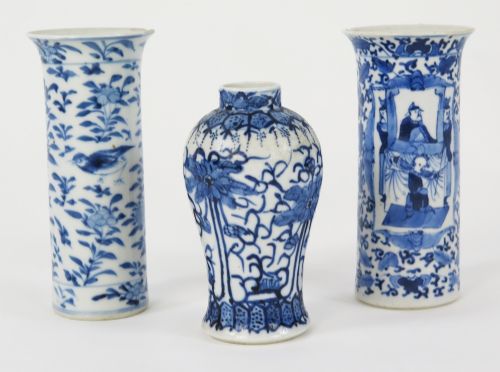
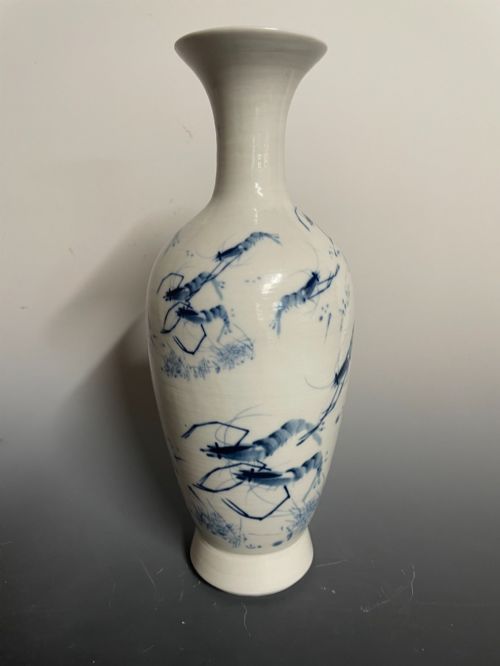
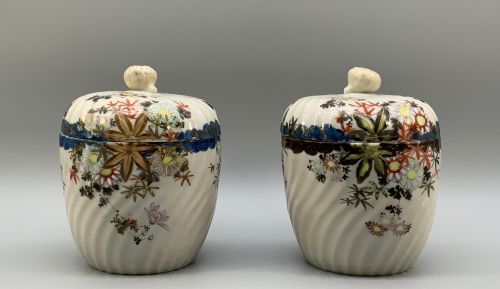
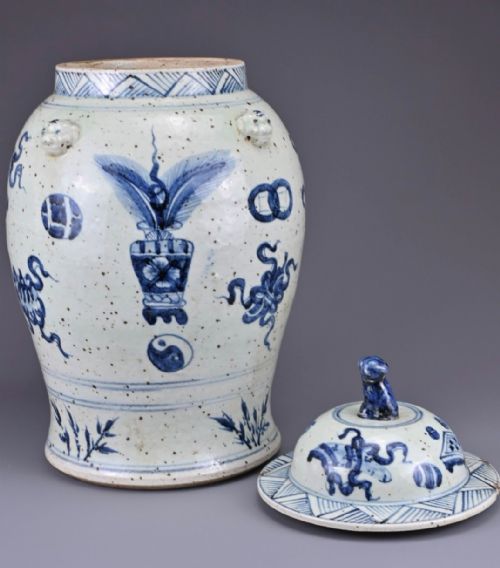
These oriental hand painted jar examples bring together porcelain, earthenware, and detailed enamel work from centuries of East Asian and European ceramic traditions.
Oriental Hand Painted Jar
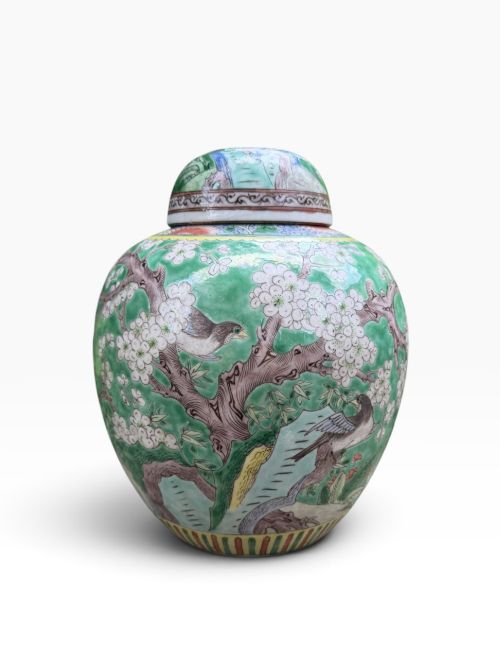
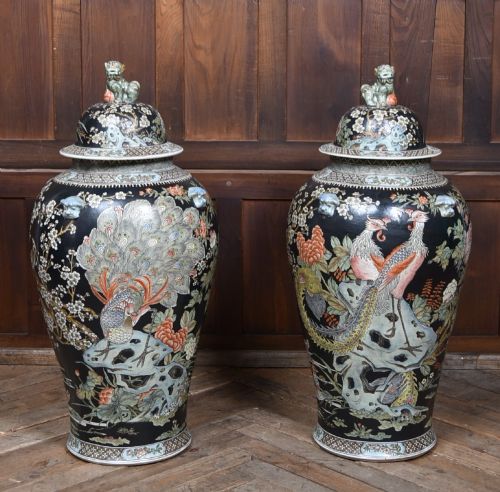
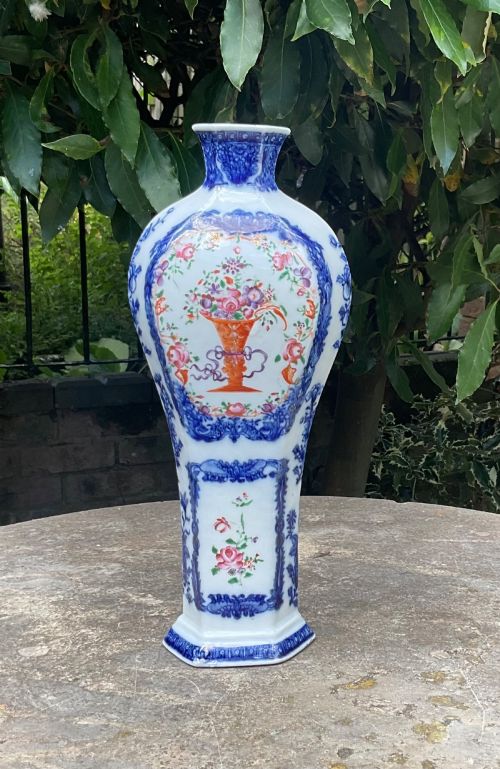
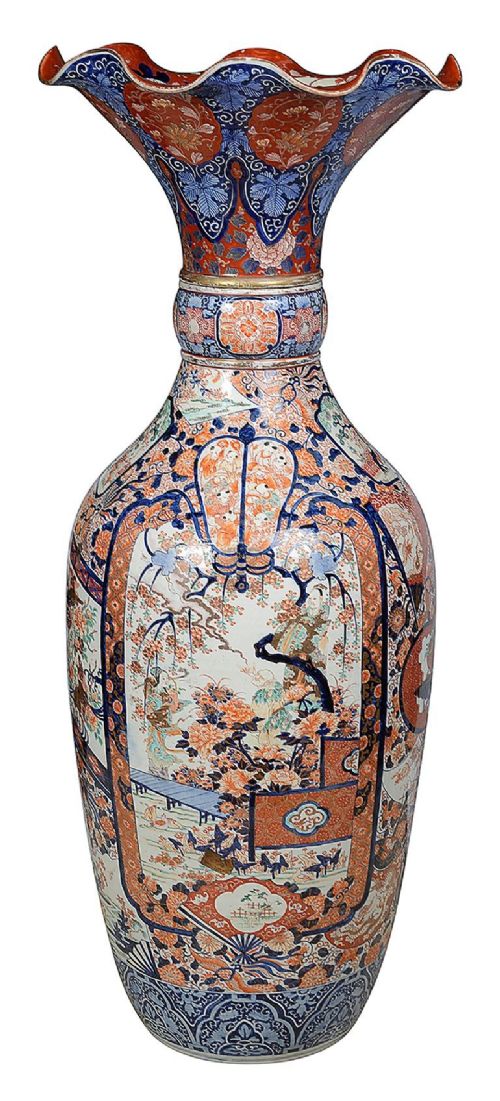
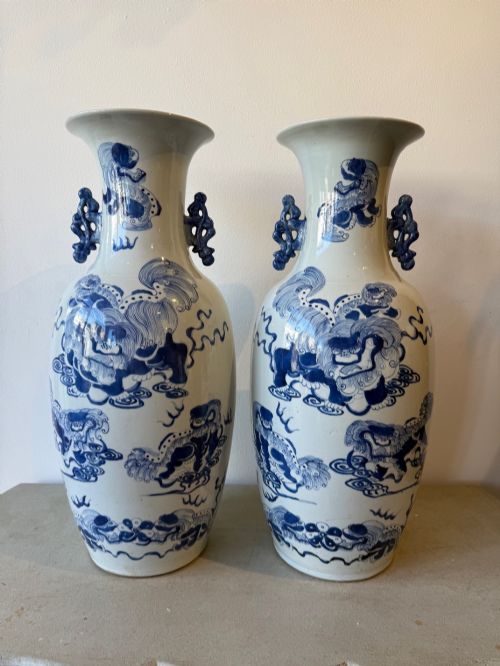
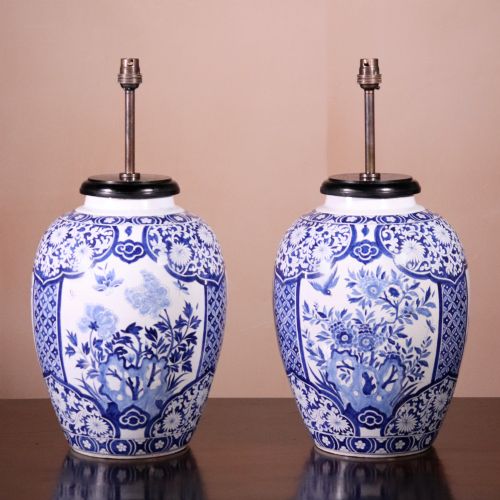
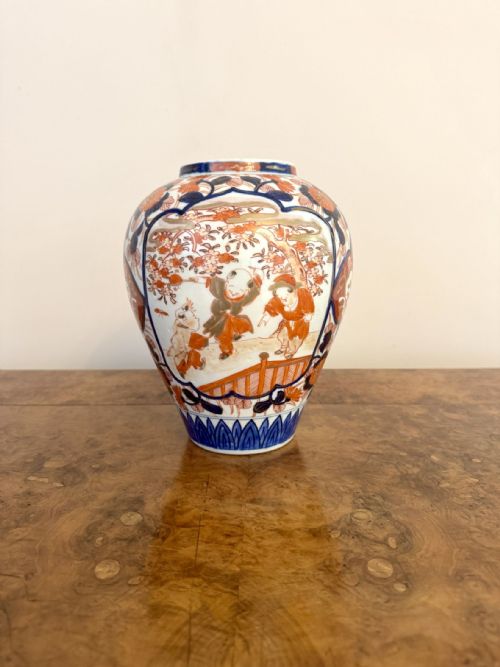
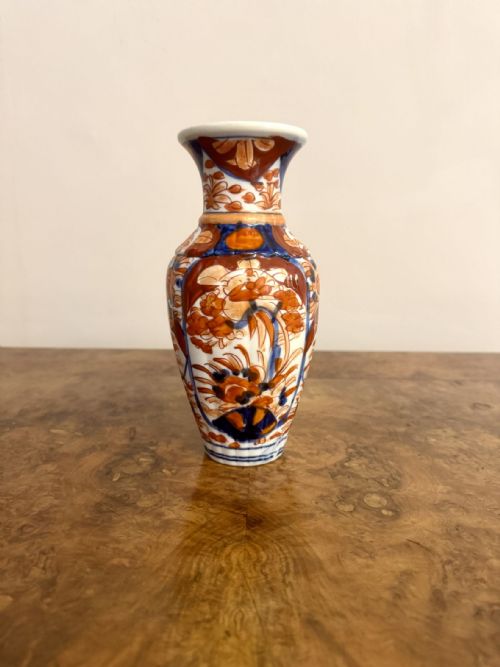
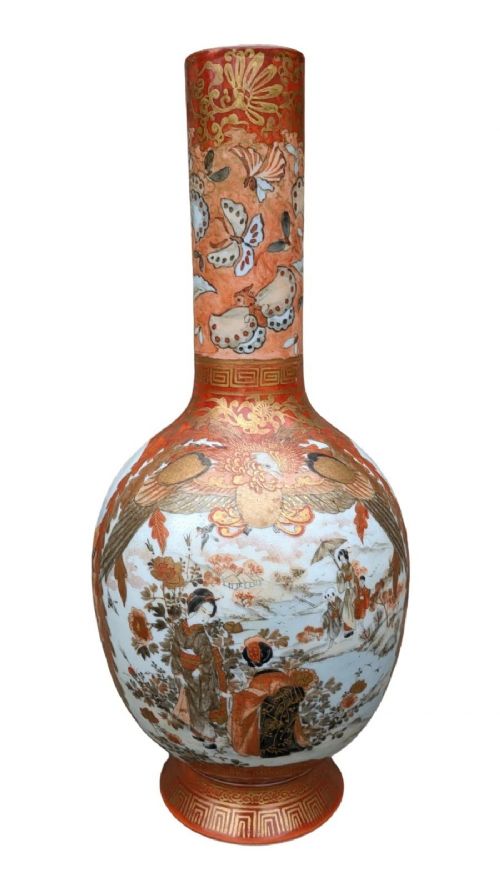
An oriental hand painted jar covers a broad selection of decorative vessels, ginger jars, and lidded pots originating from Chinese and Japanese kilns. The pieces on this page span the eighteenth, nineteenth, and early twentieth centuries, encompassing styles such as Qing Dynasty, Japanese Imari, and Meiji Period craftsmanship.
Buyers will most frequently encounter nineteenth-century pieces, particularly blue and white ginger jars and Imari porcelain vases. These items range from small cabinet pieces to monumental floor vases and table lamps adapted for domestic interiors.
How they were made
Potters shaped these vessels from porcelain, ceramic, and earthenware before applying cobalt glaze, enamel pigments, and occasionally gold leaf accents. Firing took place in high-temperature kilns, fixing the hand-painted designs beneath or above the glaze.
Many items incorporate specialised techniques associated with specific regions, such as the intricate polychrome enamels of Famille Rose or the iron-red and underglaze blue motifs typical of Arita production.
The listings on this page span the 18th, 19th, and 20th centuries, featuring porcelain, ceramic, and earthenware.
What varies in quality
Quality rests upon the precision of the hand painting, the clarity of the glaze, and the balance of the vessel's proportions. Superior examples display confident brushwork and well-defined pigments, whereas simpler production pieces show routine execution.
The sophistication of the palette and the complexity of the motifs separate standard domestic wares from exhibition-grade pieces created during the late Qing Dynasty or Meiji Period.
Shuzan·Kinkozan·R Allen
The Oriental Hand Painted Jar Glossary
- Imari
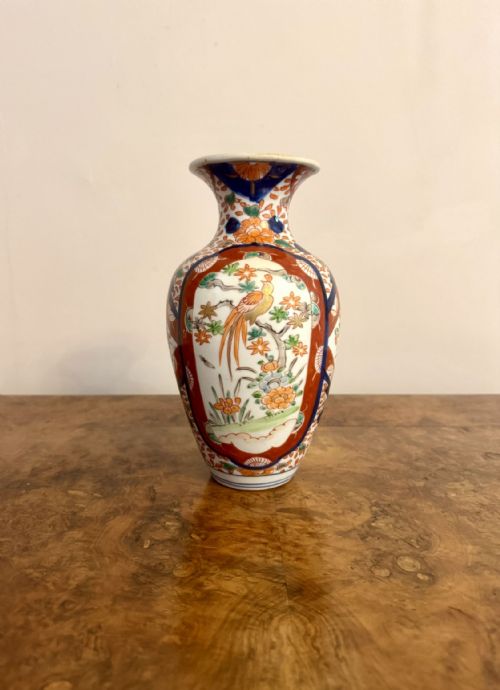
- A style of Japanese porcelain featuring a palette of underglaze blue, iron-red, and gold. It gained popularity in Europe during the export trade period.
- Famille Rose
- A major palette of Chinese ceramic enamels introduced in the eighteenth century, dominated by opaque pink or rose colours. This technique allowed for subtle gradations of tone in floral and figural scenes.
- Ginger Jar
- A high-shouldered ceramic vessel with a domed cover, originally used for the storage and transport of spices. Later versions became purely decorative items for the home.
- Celadon
- A type of transparent green glaze applied to porcelain, crackled or smooth, imitating the appearance of jade. It originated in China during earlier dynasties and continued into the nineteenth century.
- Satsuma
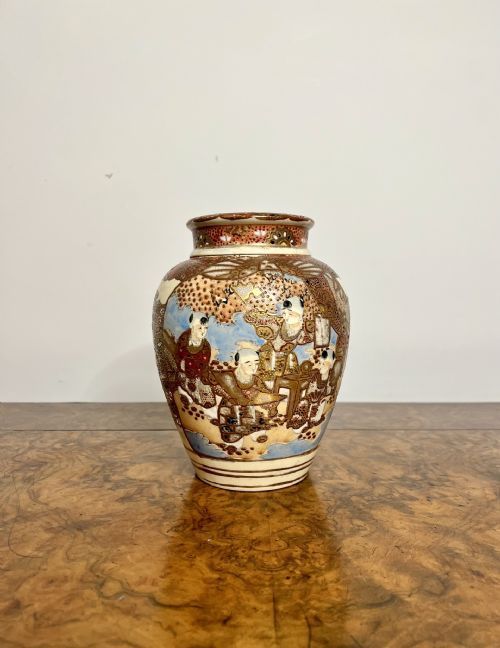
- A type of Japanese earthenware featuring a crackled ivory glaze decorated with polychrome enamels and gilding. Production expanded significantly during the Meiji Period.
Oriental Hand Painted Jar: Frequently Asked Questions
What is a ginger jar used for?
These vessels originally served to store and transport spices, salt, and oils in households.
Over time, they transitioned into purely decorative objects placed on mantelpieces and tables.
How do I date an antique jar?
Dating relies on examining the characteristics of the paste, the composition of the glaze, and the style of the hand-painted decoration.
Potter marks, reign marks, and stylistic shifts between the Qing Dynasty and the Meiji Period also provide chronological markers.
Are these jars waterproof?
Most of these vessels are constructed from high-fired porcelain or ceramic materials and can hold water.
However, antique pieces with delicate overglaze enamel or gold leaf work are better suited for dry display to protect the surface.
What is the difference between Imari and Satsuma?
Imari ware is a hard porcelain characterised by underglaze blue, iron-red, and gold decoration.
Satsuma ware is an earthenware body covered with a characteristic network of fine crackles in the ivory glaze, painted with detailed enamel scenes.