





Oriental Hand Painted Cabinet
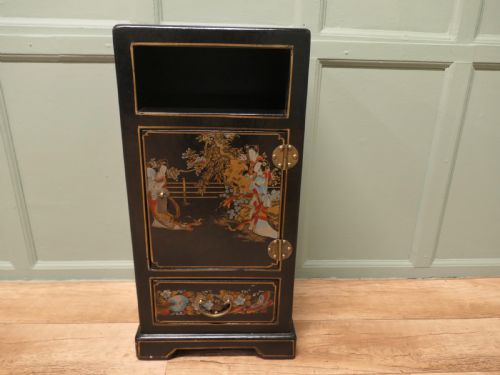
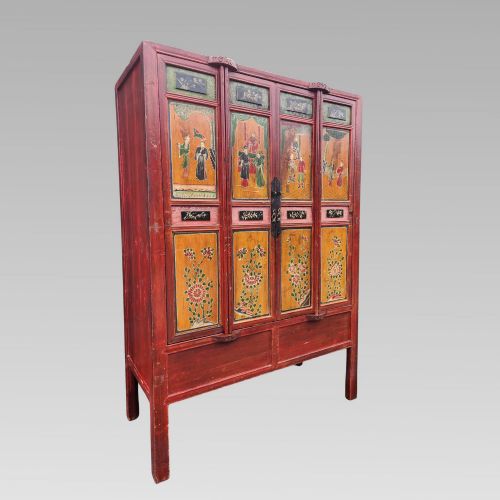
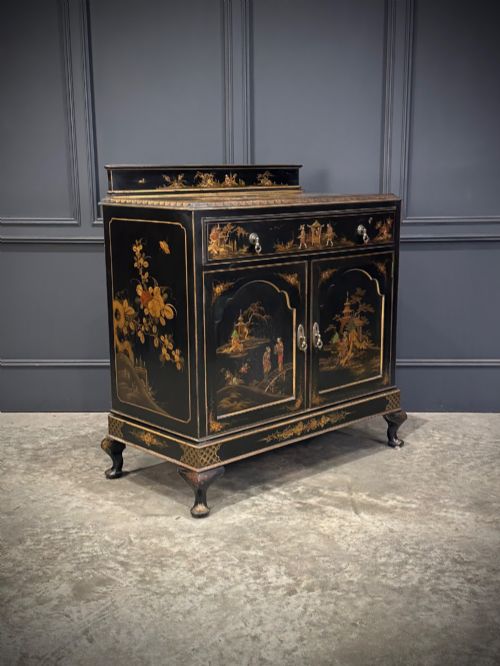
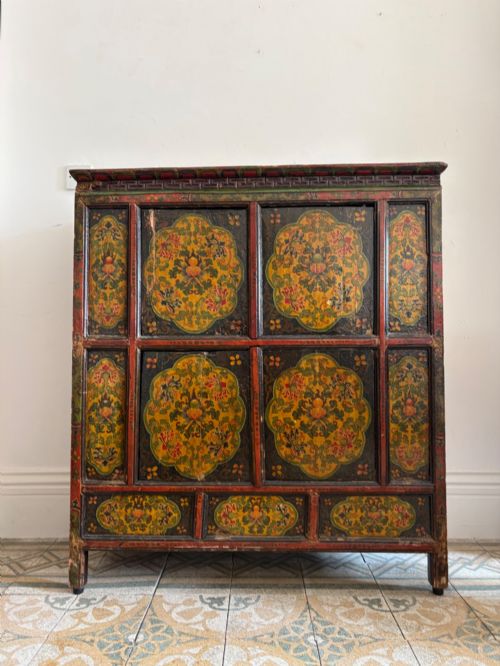
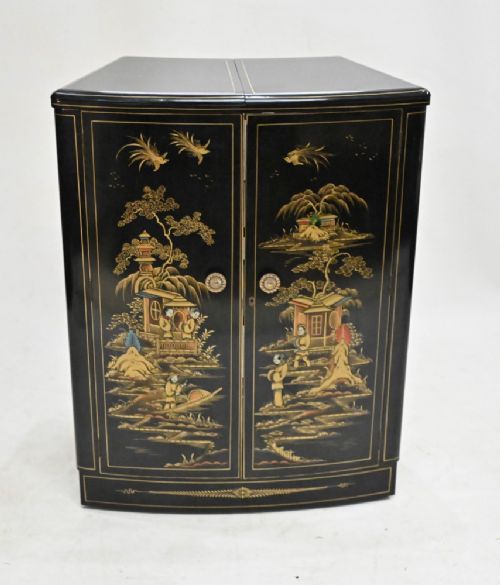
An oriental hand painted cabinet brings vibrant lacquer, gilt, and intricate narrative scenes directly into a room.
Oriental Hand Painted Cabinet
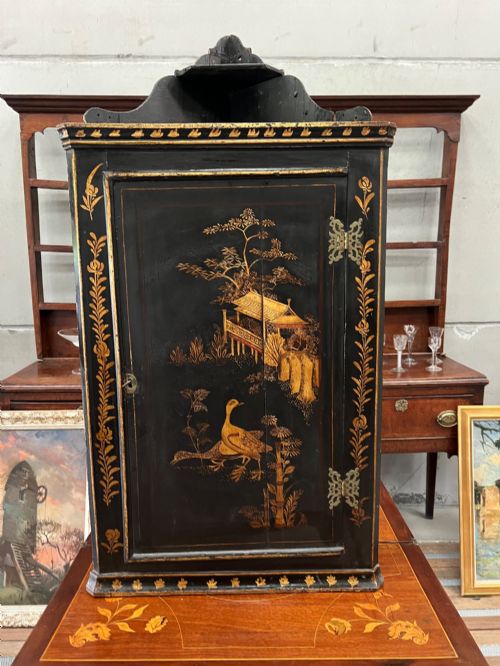
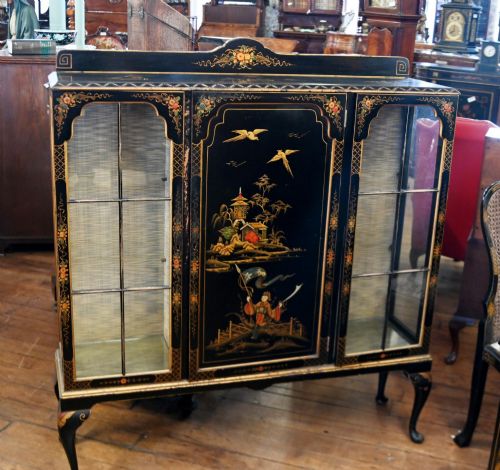
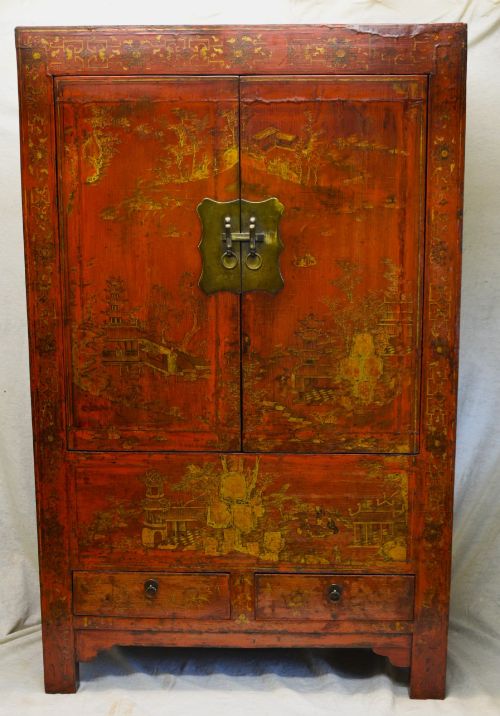
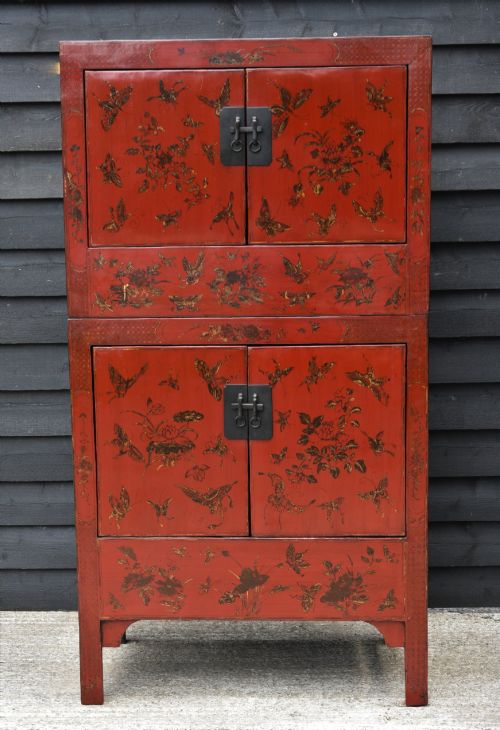
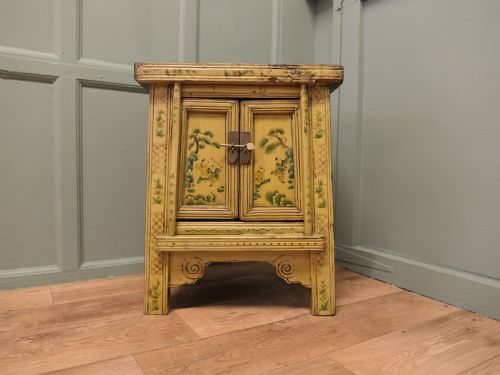
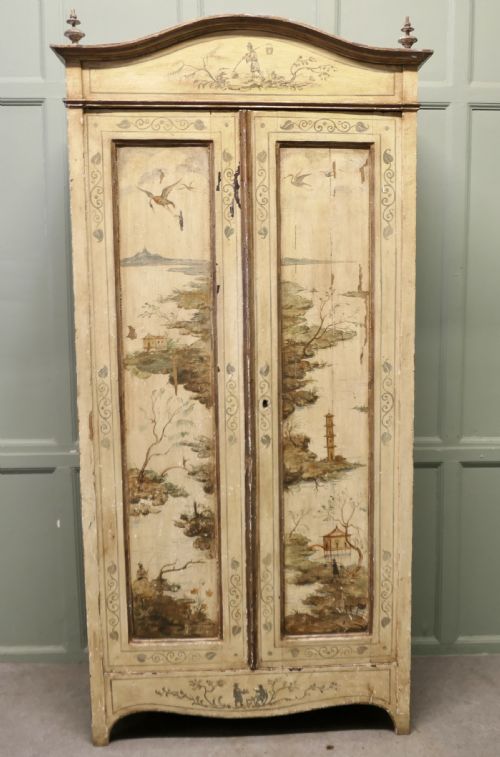
An oriental hand painted cabinet encompasses a rich variety of storage forms, from tall marriage cupboards and side units to corner cabinets and drinks furniture. The examples seen here range from 18th century pieces to later 1930s creations.
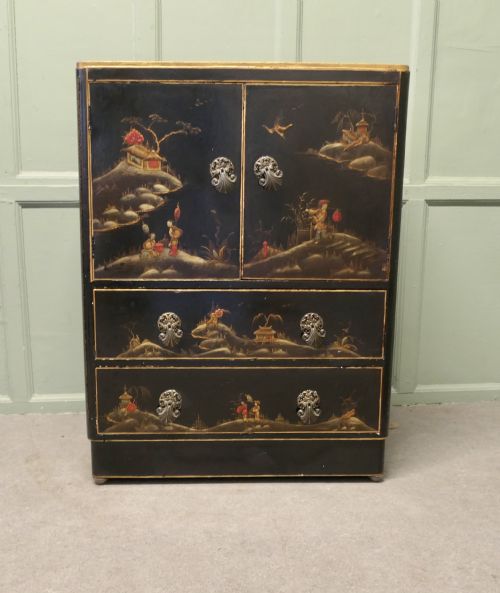
Buyers will most frequently encounter black, red, and cream lacquered woodwork decorated with traditional Chinese, Japanese, and Chinoiserie motifs. These storage items serve as striking focal points in domestic interiors.
Beyond standard cupboards, the selection extends to smaller desk cabinets, bureaus, and cocktail units. Each variation reflects specific period tastes, including Edwardian interpretations and Art Deco designs.
Materials and construction
These pieces rely fundamentally on wood as a structural base, coated in layers of lacquer to achieve a smooth, durable surface. Artisans then applied intricate details using gold leaf, brass hardware, and colourful enamel paints.
Decoration techniques draw upon distinct stylistic traditions such as Japanese Imari, Qing Dynasty aesthetics, and Meiji period craftsmanship. Many surfaces depict outdoor scenes, flora, and narrative figures executed by hand.
Oriental Hand Painted Cabinet Retail Price Guide 2026
Typical asking prices for oriental hand painted cabinet among the pieces listed under this phrase on Sellingantiques today, from the lower quarter to the upper quarter. They describe what is for sale here now, not the wider market.
Among the wedding cabinets and sideboards hides a solitary shell-shaped Imari plate, proving nature occasionally curves where cabinets stay square.
Assessing quality and execution
The standard of a painted cabinet depends heavily on the depth of the lacquer layers and the precision of the hand-applied artwork. Superior pieces demonstrate crisp detailing in the gold leaf and enamel work, maintaining clear pictorial depth across outdoor and figural scenes.
Construction integrity also dictates value, particularly the stability of the wooden carcass and the preservation of original stands or brass fittings. Pieces that retain their historic decorated surfaces without heavy modern intervention command greater attention from collectors.
Chosei
The Oriental Hand Painted Cabinet Glossary
- Chinoiserie
- European artistic interpretations of Chinese and East Asian artistic traditions, popular in furniture and decorative arts. This style often employs lacquer, gilt, and imaginative landscapes.
- Japanned
- A European imitation of East Asian lacquerwork, created using specific varnishes and heat treatments on wood. It frequently appears on Georgian and later British furniture.
- Lacquer
- A durable resin or varnish applied in multiple layers to wood and polished to a hard finish. It serves as the primary canvas for painted and gilded oriental decoration.
- Imari
- A traditional style of Japanese porcelain featuring distinct underglaze blue and overglaze red, gold, and green colours. Pieces often display intricate floral and geometric patterns.
- Satsuma
- A type of Japanese earthenware originating from the Satsuma province, typically characterised by a ivory-coloured, crackle-glaze ceramic body. Decorations often incorporate fine polychrome enamels and gilding.
Oriental Hand Painted Cabinet: Frequently Asked Questions
How do I style a lacquered cabinet?
These cabinets work best when allowed to stand as focal points in a room against neutral walls that highlight their rich colours and gilt details. They can be integrated into traditional or eclectic modern interiors.
Use them in living spaces or dining rooms to store tableware, glassware, or general items while displaying decorative objects on top.
How do I date an antique cabinet?
Dating relies on examining the construction methods, the type of wood used, and the style of the lacquer and painted decoration. Eighteenth-century pieces often feature specific Georgian forms, while later examples show Edwardian or Art Deco influences.
Hardware such as brass hinges and locks also provides clues regarding the period of manufacture and whether components remain original.
What maintenance do lacquered surfaces need?
Lacquered surfaces require gentle care, avoiding direct sunlight and excessive moisture to prevent cracking or fading of the delicate paintwork. Regular dusting with a soft, dry cloth is usually sufficient.
Keep these cabinets away from direct heat sources such as radiators to protect the underlying wood and varnish layers from drying out.