
Oriental Floral Vase
An oriental floral vase brings together centuries of ceramic and metalwork traditions from China and Japan, offering rich painted or enamelled botanical detail for the room.
Oriental Floral Vase
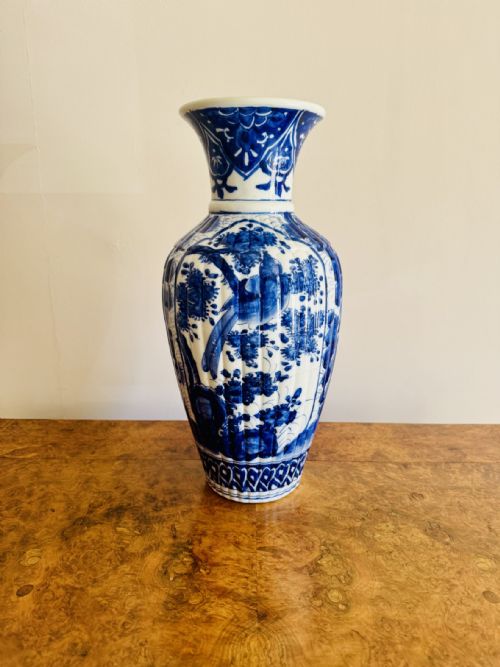
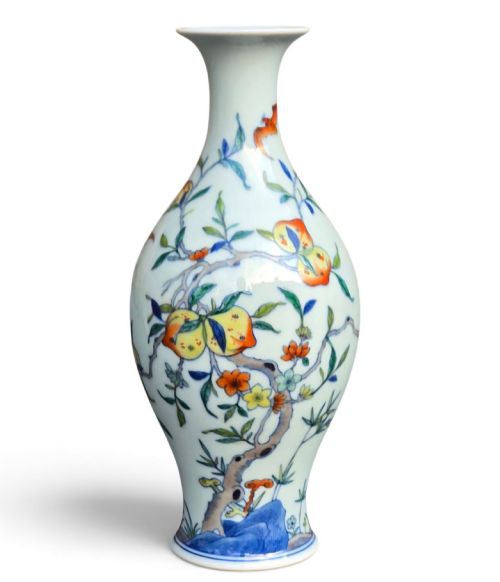
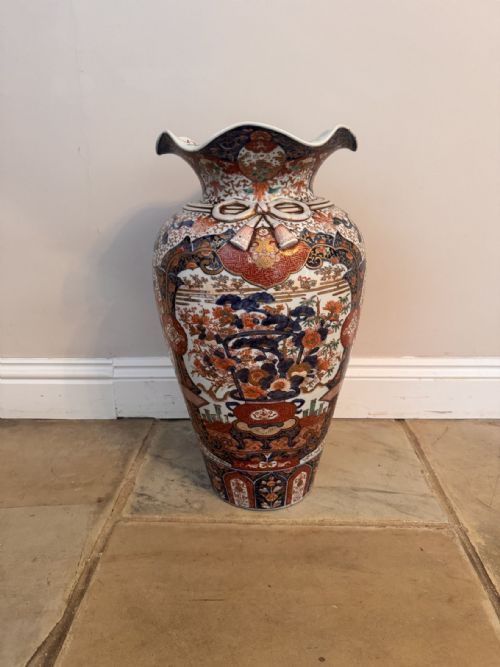
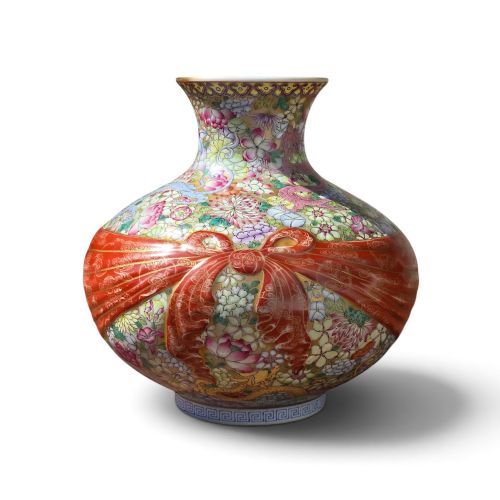
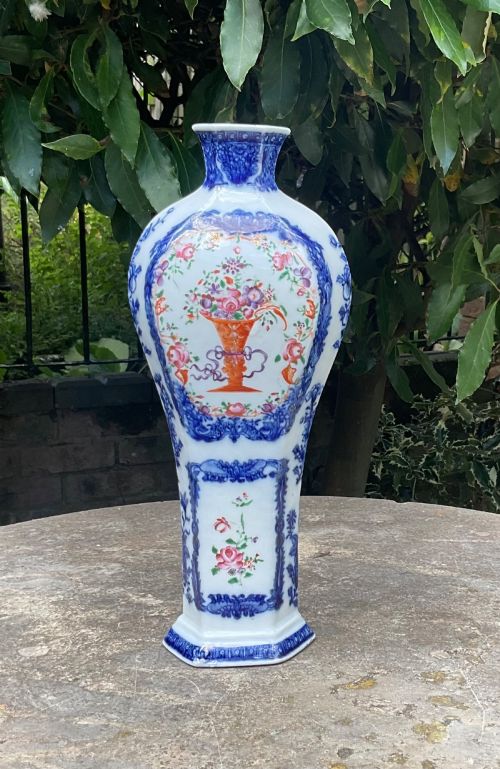
When searching for an oriental floral vase, collectors encounter diverse vessel forms spanning the eighteenth century through to the early twentieth century. The selection includes Chinese export porcelain, Japanese Imari patterns, and Satsuma earthenware decorated with floral motifs.
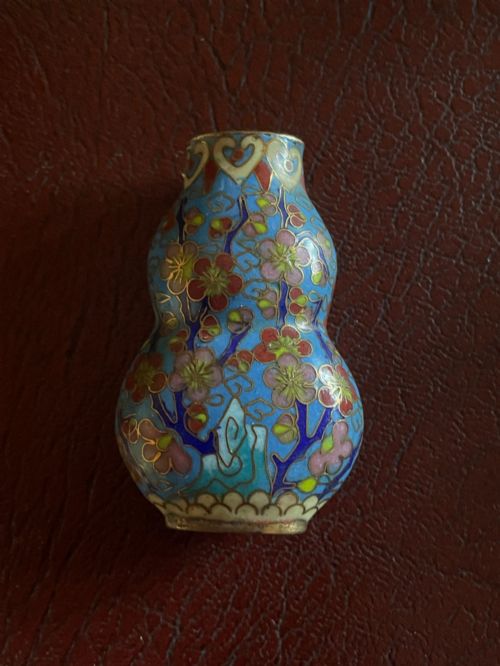
Most pieces on offer originate from the Meiji period in Japan or the Qing dynasty and subsequent Republic period in China. Forms range from miniature cloisonné vessels and ginger jars to large floor-standing Imari porcelain pieces and double gourd shapes.
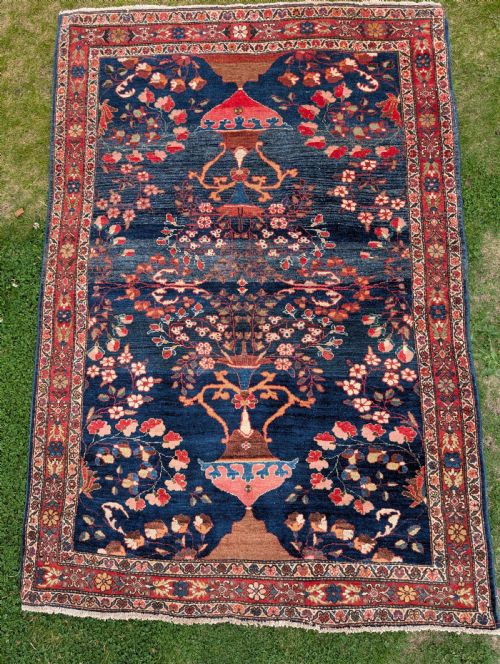
Beyond ceramic containers, the category encompasses bronze and brass vessels utilising champlevé enamel techniques, alongside occasional textile depictions such as Persian prayer rugs bearing floral vase designs.
How they were made
Makers shaped porcelain, earthenware, and bronze into vessels before applying intricate surface decoration through hand-painting, underglaze blue, and overglaze enamel palettes.
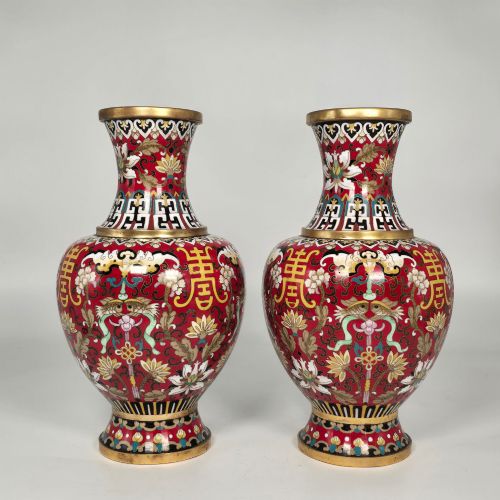
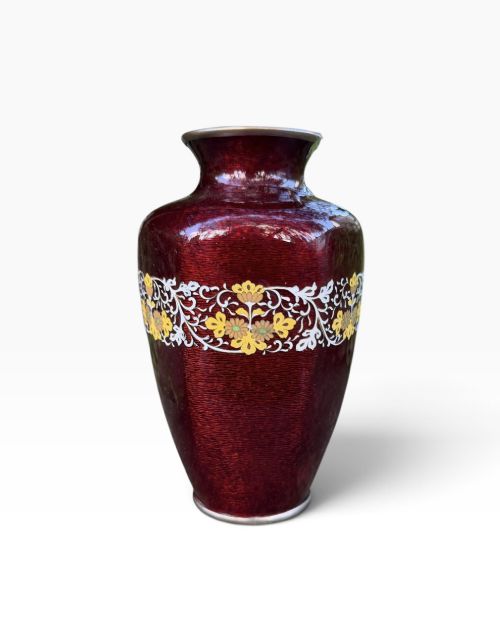
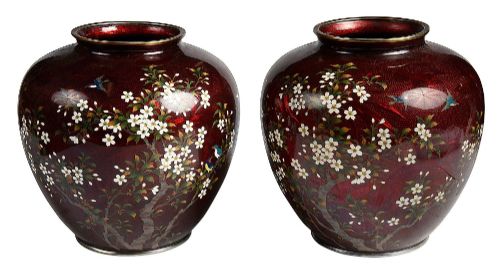
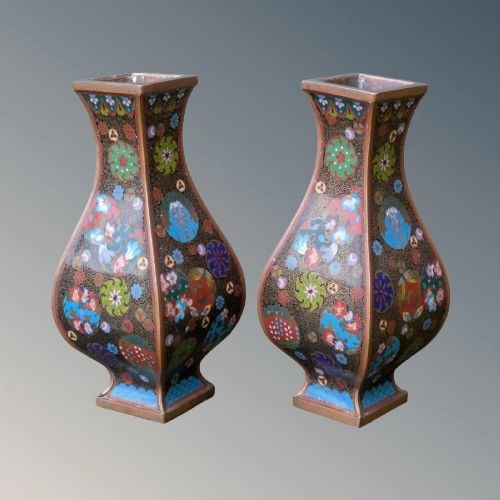
Metal vessels incorporated cloisonné and champlevé techniques, where thin wire or cast partitions held coloured enamel pastes fired onto bronze or copper bodies.
Specialised techniques such as Ginbari red enamel employed textured silver foil beneath transparent coloured glazes to create depth, while wood and lacquer finishes provided carved display stands.
Listings feature materials including porcelain, earthenware, bronze, copper, enamel, gold leaf, and wood across multiple centuries.
What varies in quality
Execution of the painted or enamelled botanical detail separates standard production wares from finer workshop output, where brushwork demonstrates exceptional precision and controlled shading.
The crispness of the bronze casting and the regularity of the cloisonné wirework determine the structural integrity and visual refinement of metal vessels.
Completeness within pairs or larger garnitures, along with the preservation of original gilding and surface glazes, dictates the overall integrity of the piece.
Ando Jubei·Maruni Kobe·Manpei
The Oriental Floral Vase Glossary
- Imari
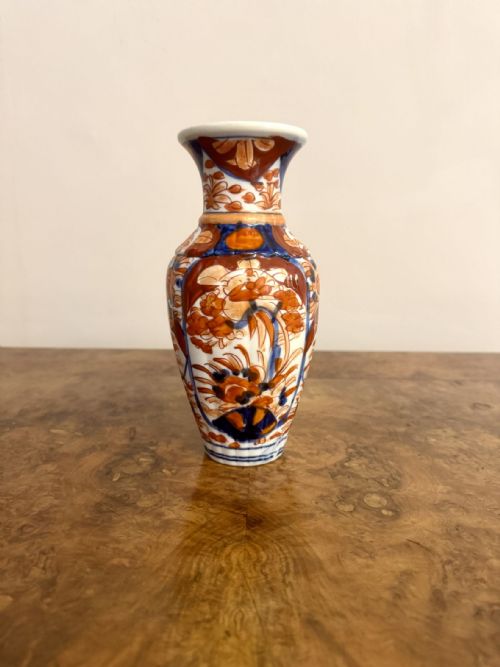
- A style of Japanese porcelain featuring underglaze blue and overglaze iron red, often augmented with gold leaf and green enamel. This palette originated in Arita and became widely exported to Europe.
- Cloisonné
- A metalwork technique where flat metal wires are soldered to a base to form compartments filled with enamel paste and fired. The surface is subsequently ground smooth and polished.
- Satsuma
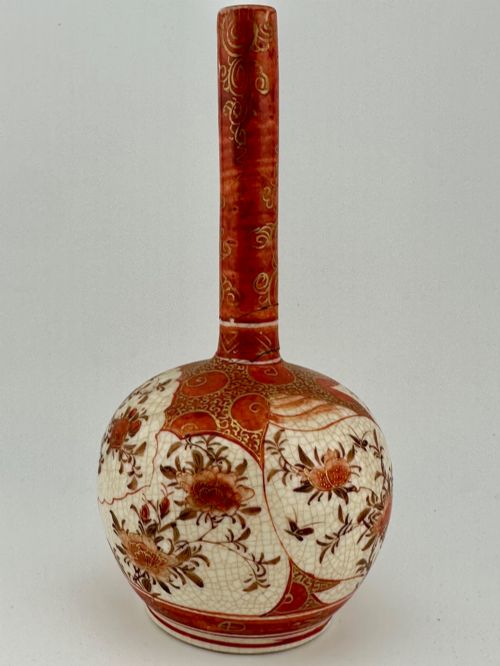
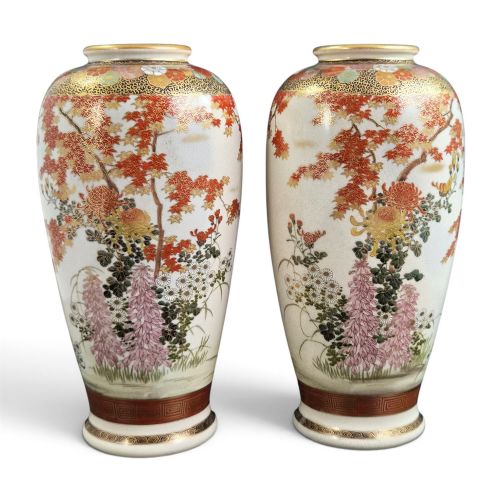
- A type of Japanese earthenware characterised by a pale, ivory-coloured cracked glaze decorated with finely detailed polychrome enamels and gilding. Production expanded significantly during the Meiji period.
- Famille Rose
- A major palette of Chinese ceramic glazes introduced in the eighteenth century, distinguished by an opaque pink enamel derived from colloidal gold. It allowed for subtle tonal gradations in floral rendering.
- Champlevé
- An enamelling method where troughs or cells are carved or cast directly into the surface of a bronze or copper object to receive coloured glass paste before firing.
Oriental Floral Vase: Frequently Asked Questions
How do I identify a Meiji period vase?
Meiji period pieces often display dense, intricate decoration such as Satsuma earthenware with fine gilt and enamel floral patterns or silver wire cloisonné.
Examining the base for workshop signatures or marks helps confirm the late nineteenth to early twentieth century Japanese origin.
What is the difference between Imari and Satsuma?
Imari refers to hard-paste porcelain decorated in blue, iron-red, and gold with robust geometric and floral motifs. Satsuma consists of cream-coloured earthenware with a fine crackle glaze carrying detailed pictorial scenes.
Both styles hail from Japan but serve entirely different aesthetic functions in a room.
How were these vases originally used?
Many of these vessels held seasonal cut flowers or served as decorative garnitures displayed on mantelpieces and tables within wealthy households. Larger floor-standing examples stood in entrance halls to showcase wealth and taste.
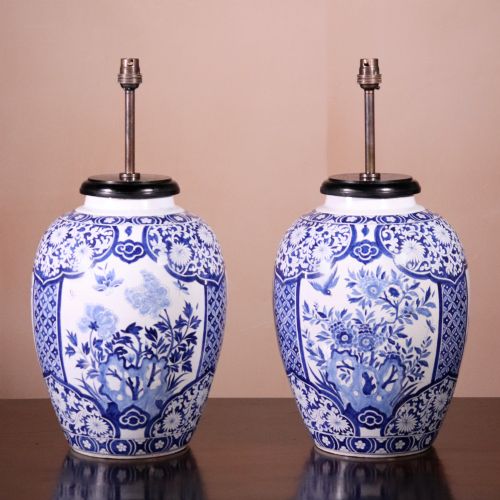
Some surviving pieces were later adapted into table lamps with electrical wiring during the twentieth century.
Are these pieces made of porcelain or metal?
The selection includes both ceramic and metal mediums, encompassing porcelain, earthenware, bronze, and brass. Metal vessels frequently utilise cloisonné or champlevé enamel to introduce floral colour.
Ceramic examples rely on underglaze blue, enamel paints, and gold leaf for their botanical designs.
How should I care for antique enamel and porcelain?
Dust surfaces gently with a soft, dry cloth and avoid using chemical cleaning agents or abrasive materials that could damage old glazes or exposed metal wire. Keep pieces away from direct sunlight to prevent the fading of delicate overglaze enamels.
Display them on stable surfaces where vibrations or accidental knocks cannot cause damage.