







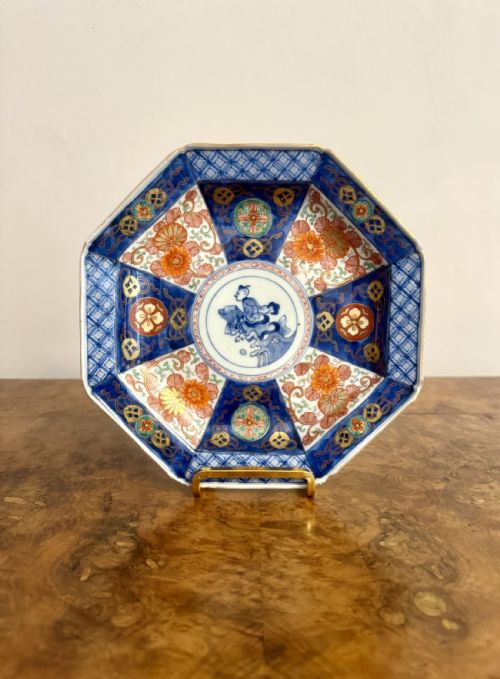
Oriental Floral Plate
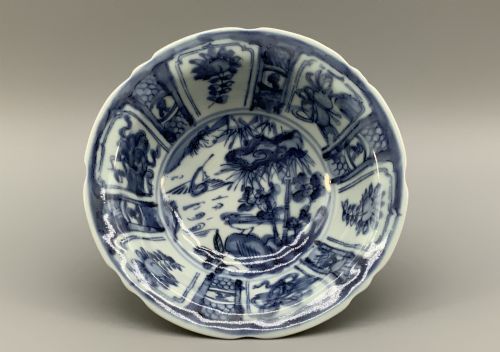
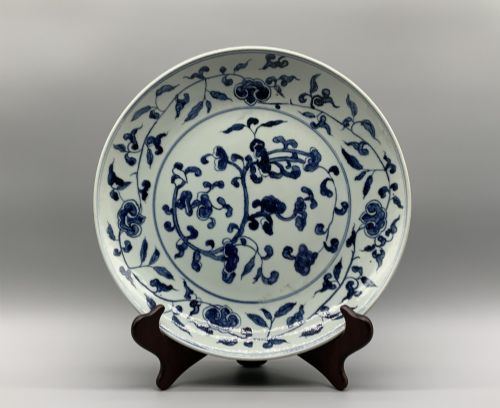
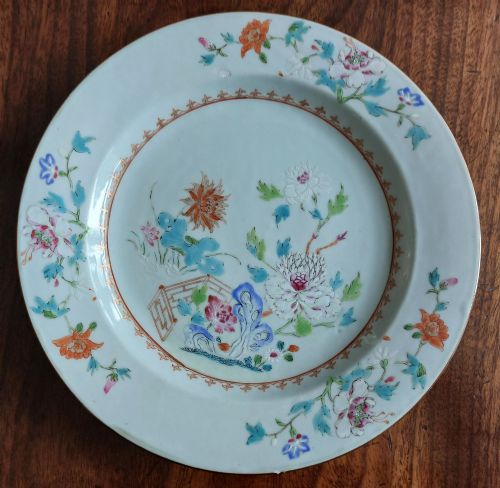
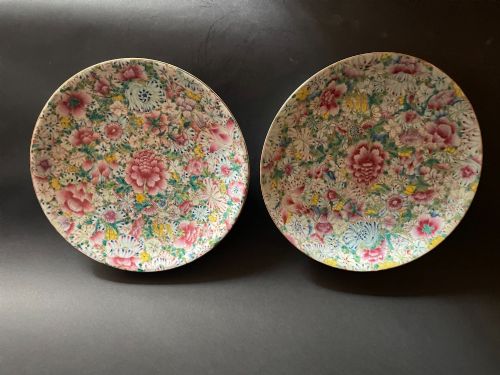
When you search for an oriental floral plate, you encounter hand-painted porcelain and cloisonne chargers carrying centuries of Chinese and Japanese design.
Oriental Floral Plate
An oriental floral plate brings together centuries of ceramic tradition from Chinese and Japanese kilns, often created for export or domestic display. These pieces range from substantial chargers to decorative dishes featuring intricate botanical motifs.
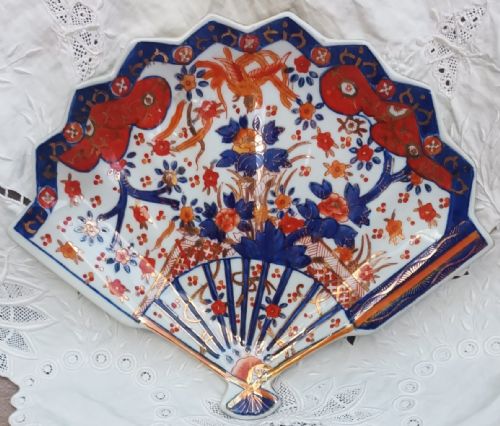
The version most commonly met on this page is the Japanese Imari charger or plate from the late nineteenth century, alongside Chinese export porcelain from the eighteenth century. They take the form of scalloped edge plates, hexagonal dishes, and large decorative platters intended for visual impact.
Makers utilised porcelain, ceramic, and copper bases overlaid with enamel and glaze to produce rich displays of chrysanthemums, peonies, and wisteria. The utility of these items shifted from functional dining wares to decorative wall plates and display chargers.
How They Were Made
Potters shaped high-fired porcelain and ceramic bodies before applying underglaze blue and overglaze enamel pigments by hand. Gold leaf and gilt details often highlight the painted floral and bird patterns.
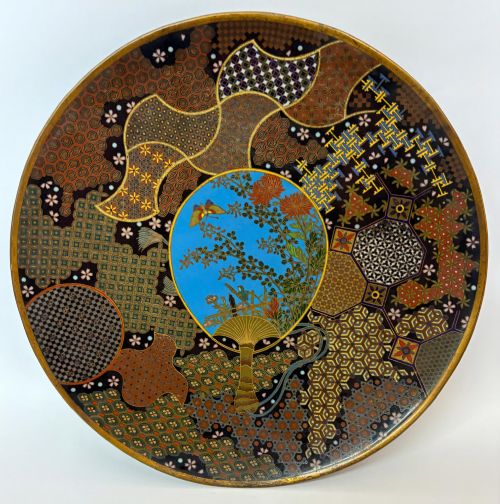
Cloisonne pieces employ fine copper or brass wires soldered to a metal base to create cellular partitions, which are subsequently filled with coloured enamel pastes and fired repeatedly. This technique produces durable surfaces decorated with auspicious symbols and landscapes.
The listings on this site span multiple eras, including the eighteenth-century Qing dynasty and the Japanese Meiji period.
What Varies in Quality
The precision and control of the hand-painted brushwork distinguish standard production from superior examples, particularly in the rendering of botanical details and bird plumage. Finer pieces demonstrate careful alignment of complex geometric and floral borders.
The complexity of the palette and the integration of gold leaf or intricate cloisonne wirework separate simpler output from ambitious masterworks. Kiln management during the firing process also determines the purity of the white porcelain ground and the stability of the enamel colours.
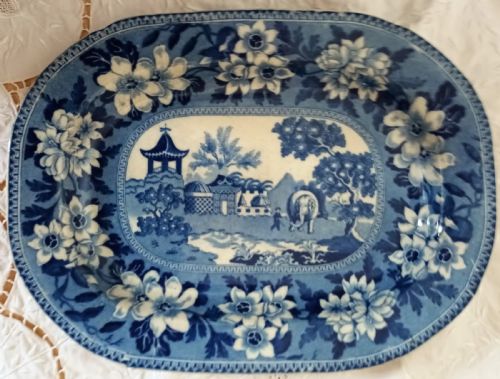
John Rogers & Son
The Oriental Floral Plate Glossary
- Imari
- A style of Japanese export porcelain originating from Arita, traditionally characterised by a palette of underglaze blue, iron red, and gilt. It frequently incorporates dense floral and brocade patterns.
- Cloisonne
- A metalwork technique where enamel is applied to compartments created by soldering flat metal wire onto a copper or brass body. The object is fired and polished to a smooth finish.
- Charger
- A large decorative plate or platter that exceeds standard dining dimensions, usually intended for display on a wall, sideboard, or cabinet. They showcase the most elaborate artistry of a period.
- Satsuma
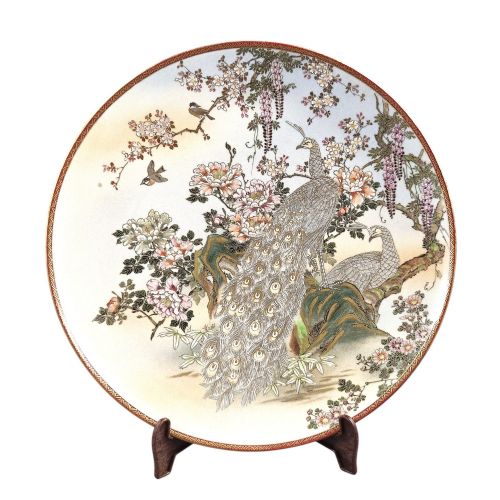
- A type of Japanese earthenware featuring a pale, ivory-coloured crackle glaze, typically decorated with polychrome enamel and gilt. Moriage techniques are often added to build up raised surface details.
- Famille Rose
- A palette of Chinese porcelain enamels dominated by opaque pink or purple shades, introduced during the Qing dynasty. It allowed artists to render naturalistic floral and figurative scenes.
Oriental Floral Plate: Frequently Asked Questions
How do I hang a heavy charger?
Large decorative chargers require specialist wall-mounting brackets that grip the rim securely without placing stress on the ceramic body. Ensure the fixing anchors directly into solid wall structure rather than plasterboard alone.
Verify that the wire or spring mechanisms distribute the weight evenly across the entire circumference of the plate before leaving it suspended.
Can I use these plates for dining?
Most antique oriental plates and chargers are intended for decorative display rather than daily culinary use, particularly examples featuring delicate overglaze enamels and gold leaf. Historic glazes may also contain compounds unsuited for modern food contact.
Gentle hand washing with mild soap is recommended for occasional cleaning, avoiding abrasive scourers and prolonged soaking.
How do I distinguish Imari from Satsuma?
Imari pieces are made of hard porcelain and typically display a crisp white body with underglaze blue, iron red, and gilt floral designs. They have a resonant ring when tapped lightly.
Satsuma pieces consist of buff earthenware covered in a characteristic fine crackle glaze, decorated with matte enamels and raised moriage work depicting figures or nature.
What period do most Imari plates come from?
The majority of Imari plates encountered today date from the Meiji period around nineteen hundred, when Japanese export wares gained widespread popularity in Europe. Earlier Edo period pieces from the eighteenth and early nineteenth centuries appear less frequently.
Stylistic cues such as border designs and the brightness of the cobalt blue help differentiate the late nineteenth-century revival pieces from their earlier counterparts.