





Oriental Floral Ceramic Bowl
An oriental floral ceramic bowl brings centuries of East Asian craftsmanship into a room, offering rich colours and intricate botanical hand-painting.
Oriental Floral Ceramic Bowl
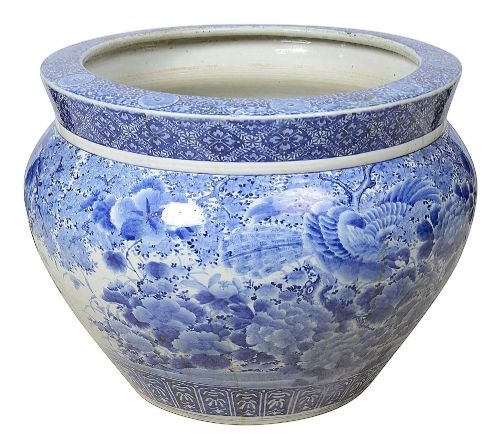
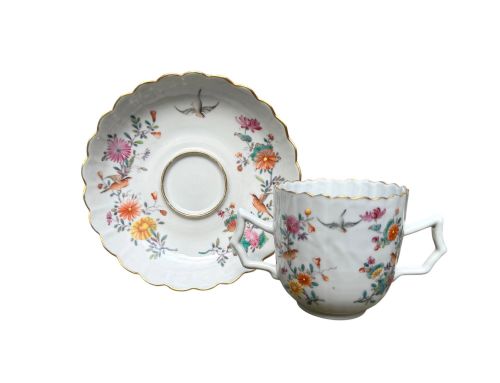
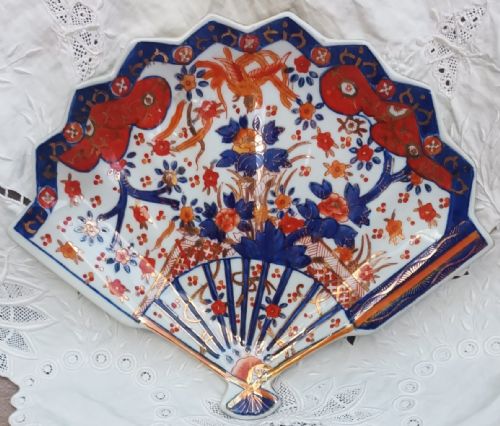
Objects on this page extend beyond simple vessels to include jardinieres, planters, plates, and teacups. Many date from the nineteenth century, though pieces reach back to the Kangxi period and earlier dynasties.
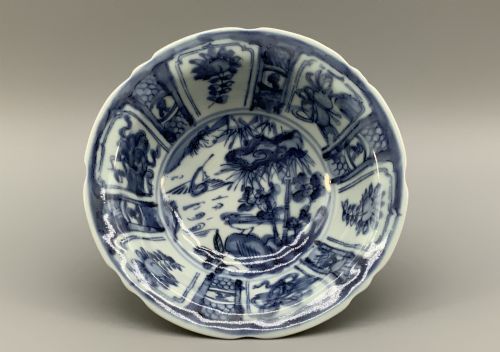
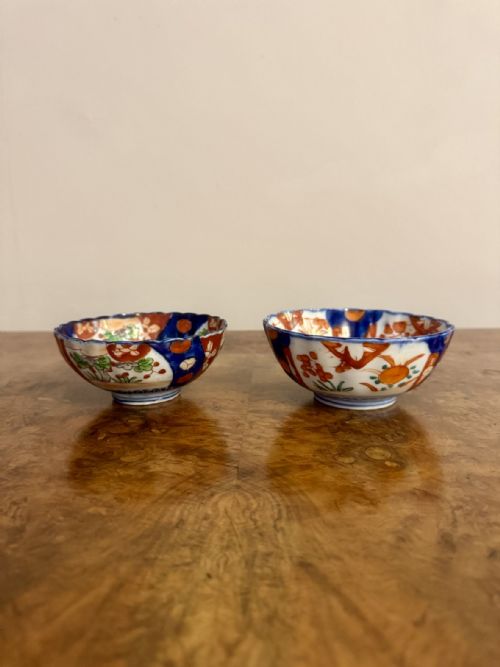
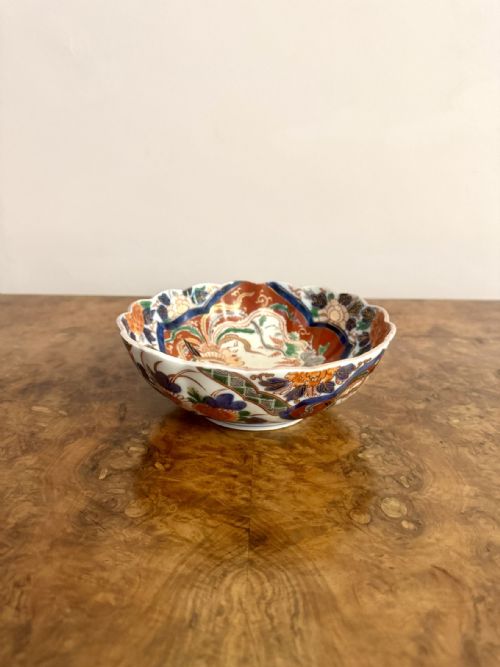
Scalloped edges, lobed forms, and tripod bases frequently appear across the inventory. These bowls serve as decorative centrepieces, display dishes, and functional vessels painted with floral and avian motifs.
How they were made
Potters shaped these pieces from porcelain and earthenware, applying cobalt underglaze, enamel, and gold leaf. Kiln firing fixed the mineral pigments beneath clear glass layers or atop the hardened ceramic body.
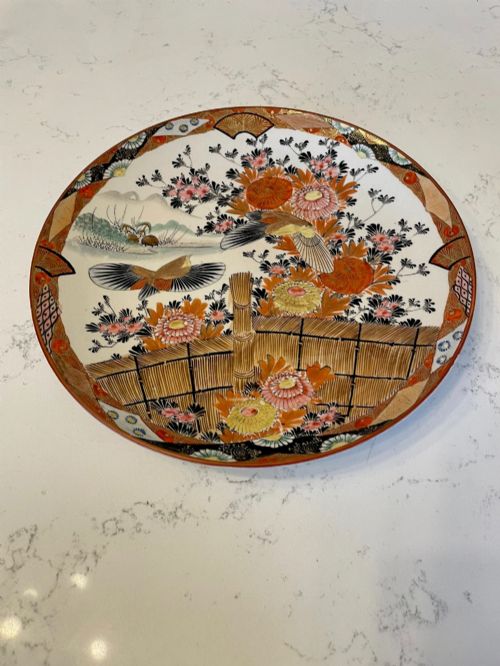
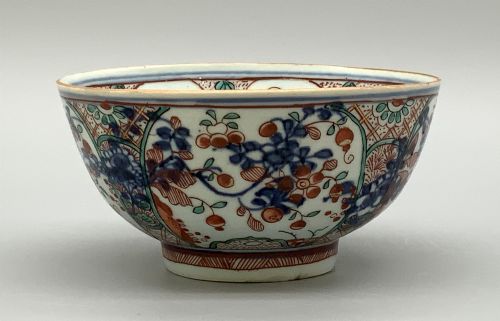
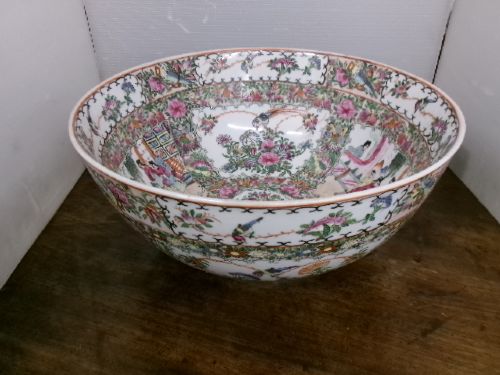
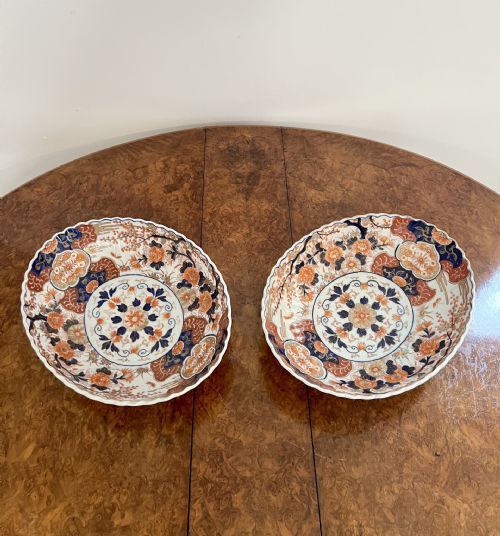
Painters utilised fine brushes to render botanical details, birds, and intricate geometric borders by hand. Artisans incorporated gilt highlights and rich iron-red and blue enamels characteristic of Imari and famille rose traditions.
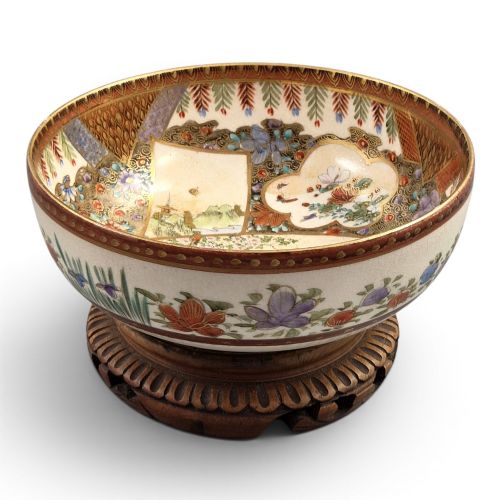
One tiny Satsuma bowl carries a thousand painted flowers, proving that miniature art demands immense patience.
What varies in quality
Quality rests in the precision of the hand-painting and the clarity of the glaze. Master painters executed floral sprays with disciplined brushstrokes that remain crisp and well-defined across the ceramic surface.
The density of the porcelain body, the richness of the cobalt underglaze, and the preservation of the gold leaf and enamel determine the standing of an individual piece.
Kozan·Ryuzan
The Oriental Floral Ceramic Bowl Glossary
- Imari
- A style of Japanese porcelain decorated in underglaze blue, iron red, and gold. This ware originated in Arita and gained popularity across Europe during the export period.
- Satsuma ware
- Japanese earthenware featuring a crackle glaze and dense polychrome enamel painting. Artisans often enhanced these decorative surfaces with raised gold leaf.
- Famille rose
- A palette of Chinese porcelain enamel colours dominated by pink or rose opaque hues. Introduced during the Qing dynasty, it allowed for subtle tonal shading in floral motifs.
- Cobalt underglaze
- Pigment applied to the raw ceramic body before glazing and firing. This technique produces deep blue designs that withstand high kiln temperatures.
- Celadon
- A green glazed ceramic originating in China. The soft jade-like hue results from iron oxide reacting in a reduction kiln atmosphere.
Oriental Floral Ceramic Bowl: Frequently Asked Questions
How do I date an antique oriental floral ceramic bowl?
Dating relies on stylistic markers, baseline materials, and firing characteristics associated with specific reigns and periods. Examining the foot ring, glaze texture, and pigment application provides further clues to an object's age.
Earthenware and porcelain formulas shifted over the centuries. Comparing a piece against documented examples from dynasties like the Qing or periods like the Meiji helps narrow down the decade of production.
How were these bowls used historically?
Many of these vessels functioned as dining or display items in elite households across Asia and Europe. Large basins served as centrepieces or washing vessels, while smaller bowls held tea or food.
Export wares often travelled along maritime trade routes to adorn Western drawing rooms. Over time, utilitarian items transitioned into decorative display pieces collected for their intricate artistry.
How do I care for an antique ceramic bowl?
Display these pieces away from direct sunlight to protect delicate enamel colours and gold leaf from fading. Dust them gently with a soft, dry cloth rather than using chemical cleaning agents.
Avoid submerging antique porcelain or earthenware in water, particularly pieces with exposed clay bodies or delicate overglaze decoration. Handling them with clean, dry hands preserves the aged surface integrity.
How do I tell Imari ware from Satsuma ware?
Imari pieces consist of hard porcelain decorated with a distinct palette of underglaze blue, iron red, and gold. They often feature crisp, resonant porcelain bodies with scalloped or lobed rims.
Satsuma items utilise a cream-colored earthenware body covered in a fine crackle glaze. Their surfaces showcase dense polychrome enamel painting frequently enhanced with raised gilt.