




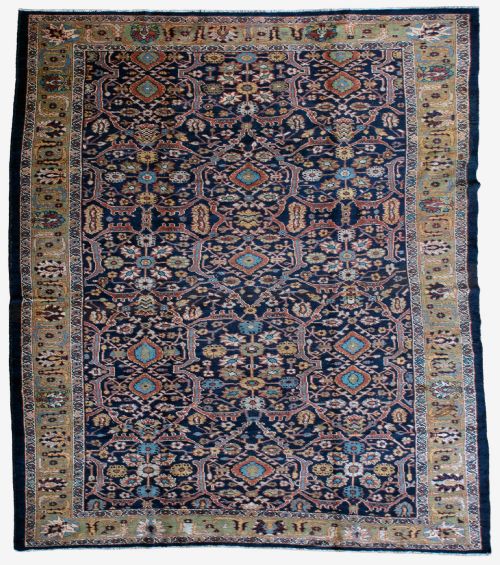
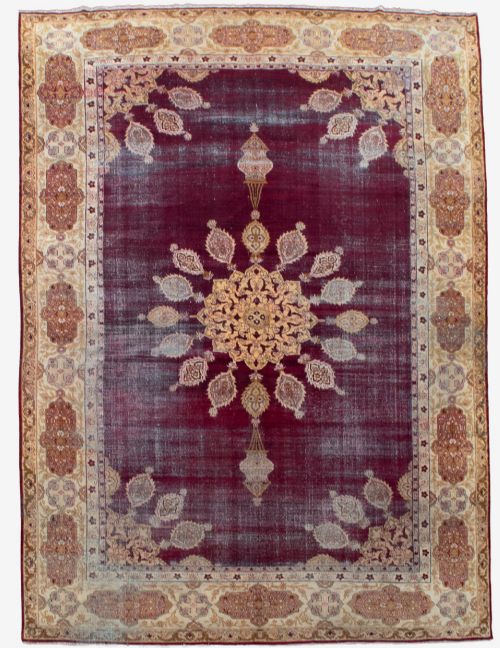
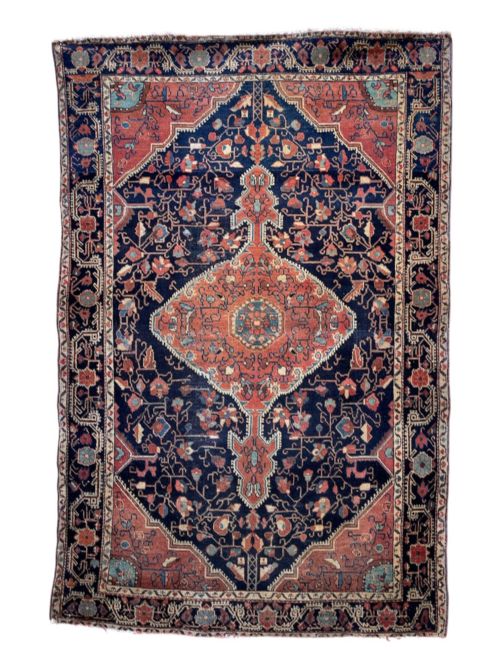
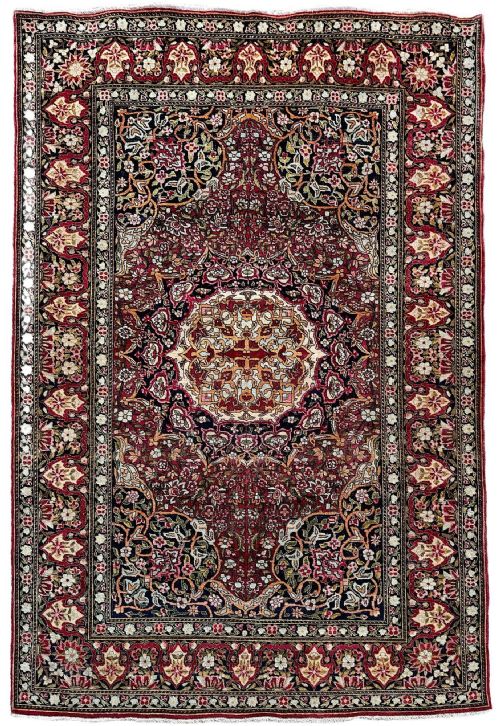
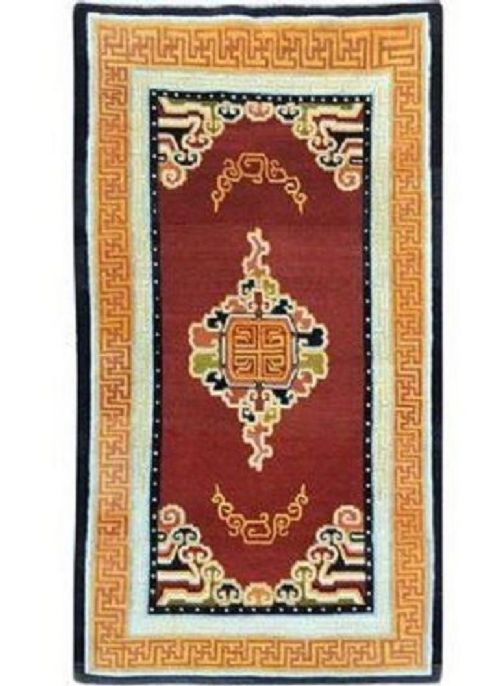
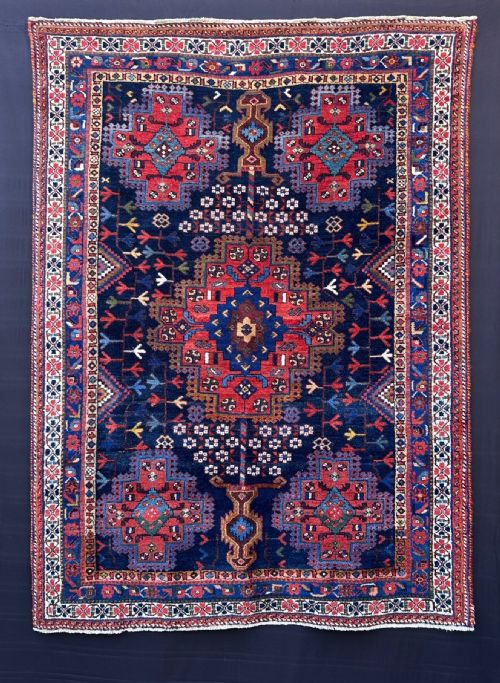
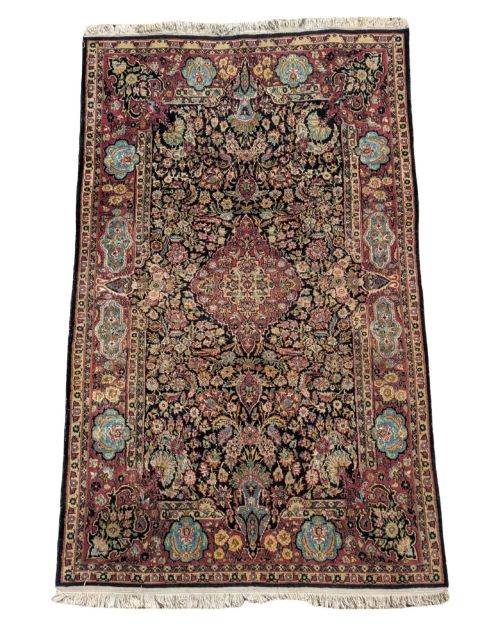
Oriental Floor Rug
An oriental floor rug brings substantial character and rich texture to a room, offering enduring warmth beneath your feet.
Oriental Floor Rug
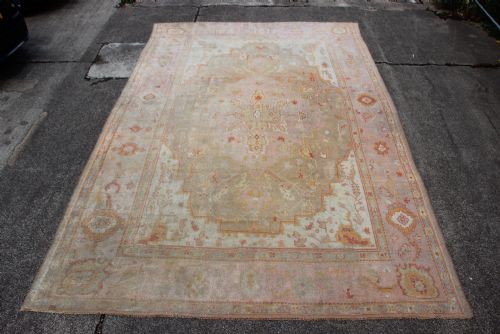
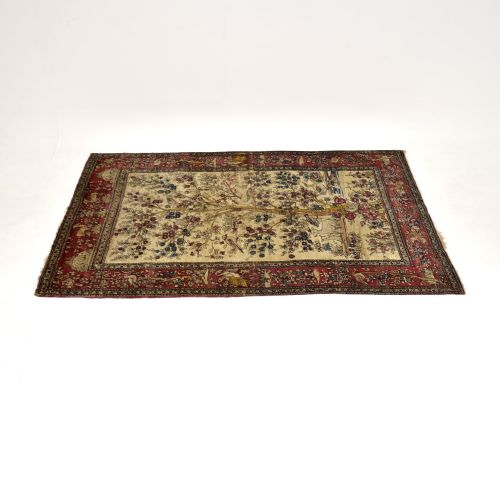
When you search for an oriental floor rug, you encounter hand-knotted textiles originating from regions spanning Persia, the Caucasus, and Turkey. These pieces function primarily as decorative floor coverings, ranging from compact hearth sizes to expansive room-scale carpets.
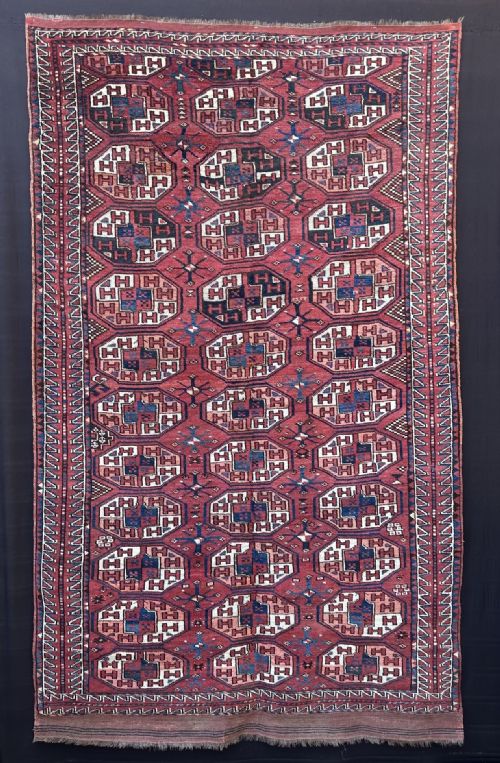
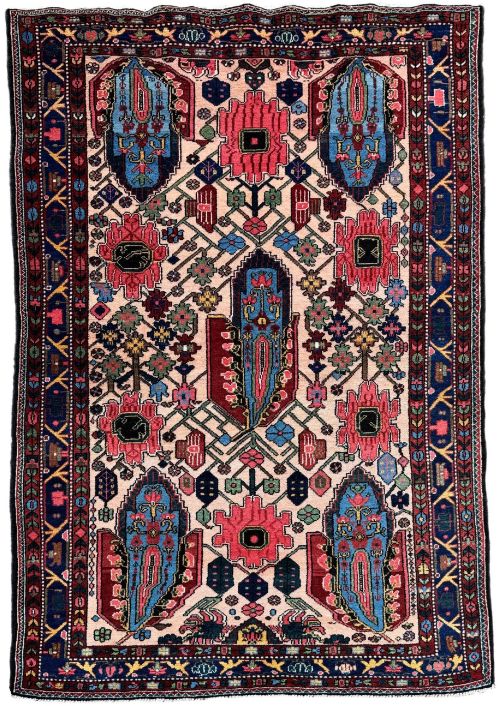
The selections available on this page lean heavily towards Persian village and tribal productions, alongside robust examples from Turkmen and Afghan makers. You will find formats varying from square room carpets to long hallway runners and prayer rugs.
Most items date from the mid-nineteenth century through to the early decades of the twentieth century. This era encompasses both fine city workshop carpets and heavier, geometric tribal weavework.
Materials and Construction
These floor coverings are constructed primarily from wool pile knotted onto cotton or wool foundations, occasionally incorporating silk highlights for specific tonal accents. Natural dyes provide the underlying palette, yielding complex, earthy hues that mellow gradually over decades of exposure.
Weavers tied symmetrical or asymmetrical knots by hand on vertical wooden looms, working from traditional design memories or drawn cartoons. Once the knotting finished, the pile was sheared to a uniform height before the side cords and ends were secured.
Oriental Floor Rug Retail Price Guide 2026
Typical asking prices for oriental floor rug among the pieces listed under this phrase on Sellingantiques today, from the lower quarter to the upper quarter. They describe what is for sale here now, not the wider market.
Listings span eight distinct decades of production, beginning from the 1850s and extending through to the 1930s.
Assessing Quality
Quality rests upon knot density, the purity of the natural dyestuffs utilised, and the precision of the drawing. Finer knots permit more intricate curved floral motifs, whereas coarser weaves lend themselves to bold, geometric tribal patterns.
The integrity of the wool foundations and the completeness of the original outer borders heavily influence the structural merit of the piece. Well-balanced proportions and harmonious colour saturation separate standard village output from exceptional workshop carpets.
Turkmen Tribes·Kerman Province·Kizyl Ayak Tribe·Ersari Beshir
The Oriental Floor Rug Glossary
- Pile
- The vertical tufts of wool, cotton, or silk that form the soft surface of the rug. This is created by knotting yarn around the warp threads.
- Warp
- The stationary vertical threads stretched tightly on the loom before weaving begins. The foundation fringe forms directly from these parallel cords.
- Weft
- The horizontal threads passed alternately over and under the warp threads after each row of knots. This locks the pile firmly into position.
- Gul
- A medallion-like primary motif frequently found in Turkmen and Baluch tribal carpets. These octagonal or lozenge shapes often signify specific tribal lineages.
- Kelleh
- A large format rectangular carpet traditionally utilised in the lengthwise sections of Middle Eastern rooms. These pieces tend to be longer than standard broadloom rugs.
Oriental Floor Rug: Frequently Asked Questions
How do I clean an antique rug?
Gentle surface brushing and careful professional immersion washing preserve the natural wool fibres and dyes. Avoid harsh chemical detergents and heavy mechanical scrubbing.
Regular light vacuuming without the rotating beater bar engaged prevents dust accumulation within the lower pile. Keep the rug out of direct, continuous sunlight to prevent fading.
Can I use these rugs in high traffic areas?
Durable wool pile and sturdy cotton foundations allow these floor coverings to withstand normal daily foot traffic in hallways and living spaces. Placing a quality underlay beneath the textile prevents slipping and reduces fibre friction.
Rotating the rug every six months ensures even wear patterns across the surface over years of domestic use. Avoid placing heavy furniture legs directly on delicate edge bindings.
How do I identify tribal versus city rugs?
Village and tribal pieces typically display geometric motifs, memory-woven designs, and saturated, earthy palettes created in domestic settings. City workshops utilise professional designers, pre-drawn cartoons, and finer knot counts for intricate floral curves.
Examining the regularity of the weave and the complexity of the border reveals whether the maker worked from a formal workshop tradition or local custom.
Why do antique colours vary across the surface?
Hand-spun wool absorbs natural dyes derived from plants and minerals with subtle variations, creating a dynamic mottled effect known as abrash. This tonal shift occurs naturally between different dye batches used during the weaving process.
Exposure to light and natural wear over generations mellows the initial brightness, blending the primary shades into a cohesive visual harmony.