



Oriental Flatweave Runner
An oriental flatweave runner brings tribal geometry and rich texture to a hallway, offering a durable, pileless surface woven by nomadic and village makers.
Oriental Flatweave Runner
An oriental flatweave runner is a narrow, elongated textile designed for corridors, staircases and narrow rooms, trading a piled pile for a smooth, tapestry-like surface. These pieces originate from the weaving traditions of Persia, the Caucasus, Anatolia and Central Asia, created by various regional tribes and village workshops.
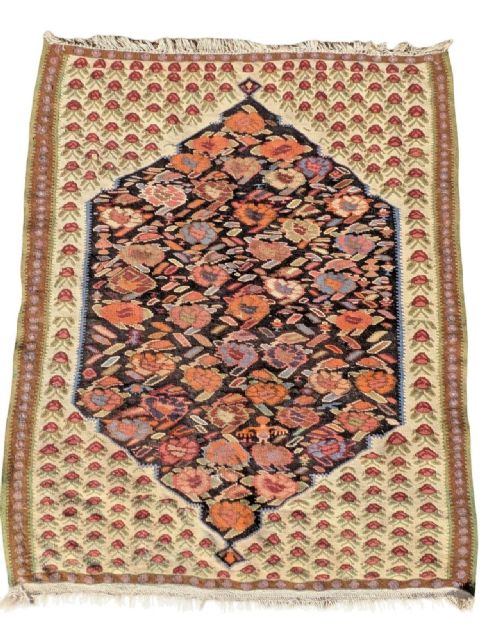
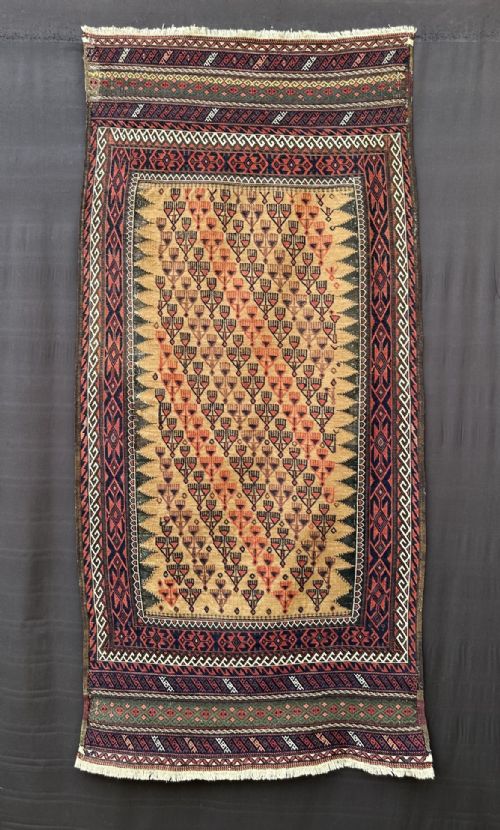
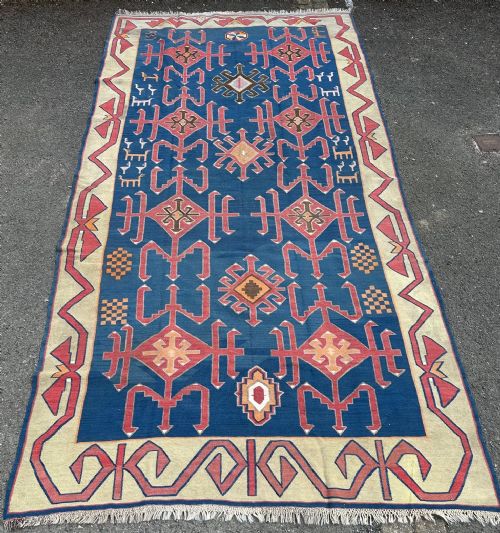
The selections encountered here span from the late nineteenth century through to the mid-twentieth century, showcasing the distinct aesthetic signatures of regions such as Shirvan, Bidjar and Senneh. Buyers will find narrow kilims, multi-part textiles and soumak weaves that reflect both utilitarian floor coverings and decorative tribal artistry.
Makers utilised traditional geometric motifs, banded designs and medallion patterns passed down through generations, resulting in functional pieces that double as folk art. Each runner demonstrates the specific structural habits of its origin, whether woven in individual strips or joined in multiple parts.
How they were made
The construction relies on interlocking or slit-tapestry techniques using hand-spun wool and cotton foundations, often dyed with natural colourants that age gracefully. Artisans interlace the weft threads tightly across the warp to create a flat, reversible fabric without the dense pile of a traditional carpet.
Certain regional variations incorporate mixed techniques such as soumak wrapping alongside standard flatweaving, adding textural relief and structural stability to the surface. Camel wool and local sheep's wool provide durability, while multi-strip construction allows weavers to produce substantial runner lengths from narrow vertical looms.
Listings feature pieces utilising hand-spun wool, cotton and camel wool, anchored in regional traditions from Anatolia, Persia, the Caucasus and Central Asia.
What varies in quality
Quality in these runners rests on the tightness of the weave, the crispness of the geometric drawing and the clarity of the natural dyes. Superior examples exhibit fine, even structural tension throughout the length, preventing the warping and distortion common in heavily used floor textiles.
The harmony and depth of the palette also distinguish finer pieces, as skilled dyers achieved subtle tonal variations using plant and insect extracts. Additionally, the complexity of the tribal iconography and the integrity of the original long flatweave ends contribute to a piece's standing.
The Oriental Flatweave Runner Glossary
- Kilim
- A flat-woven carpet or rug produced by tightly interweaving the warp and weft strands to create a smooth surface without pile. This technique is widespread across Anatolia, the Caucasus and Persia.
- Soumak
- A flat-weaving technique where decorative weft threads are wrapped around the warp threads in a specific brocading style. It creates a textured, durable surface with a braided appearance on the face.
- Warp
- The vertical threads stretched tightly on the loom that form the structural foundation of the textile. The weft threads are passed through the warp to create the design.
- Weft
- The horizontal threads passed back and forth through the warp threads to build up the pattern and colour of the weave. In flatweaves, the weft entirely covers the warp.
- Sofreh
- A type of spread or cloth used historically for dining or food preparation among tribal groups. These textiles often feature specific border arrangements and central fields suited to domestic rituals.
Oriental Flatweave Runner: Frequently Asked Questions
Where should I place a flatweave runner?
These runners suit high-traffic hallways, corridors and narrow landings where a low profile prevents doors from catching. Their flat structure handles foot traffic well while adding linear warmth to transitional spaces.
Because they lack pile, they sit flat against the floor, though a suitable underlay helps prevent slipping on smooth timber or stone surfaces.
How do I clean an antique flatweave?
Regular gentle vacuuming without a beater bar removes loose grit and dust before it settles into the weave. Professional specialist cleaning is recommended for deeper maintenance to protect natural dyes and fragile wool.
Avoid soaking or using harsh chemical detergents, as these can alter the colour balance and weaken the historic plant-dyed fibres.
Are these runners reversible?
Many flatweaves feature a similar pattern clarity on both sides due to the tapestry-weaving technique used during production. While construction ends may differ slightly, turning the piece periodically distributes wear evenly across both surfaces.
Checking the reverse also reveals the original vibrancy of the natural dyes protected from direct sunlight.
How do I identify regional styles?
Regional attribution relies on specific colour palettes, border motifs and structural traits unique to particular tribes or weaving centres. Caucasian pieces often display bold geometric polygons, while Persian village runners tend toward intricate medallion arrangements and softer tones.
Examining the edge finishes and the handling of the wool provides further clues to whether a piece originates from Anatolia, the Caucasus or the borderlands.