


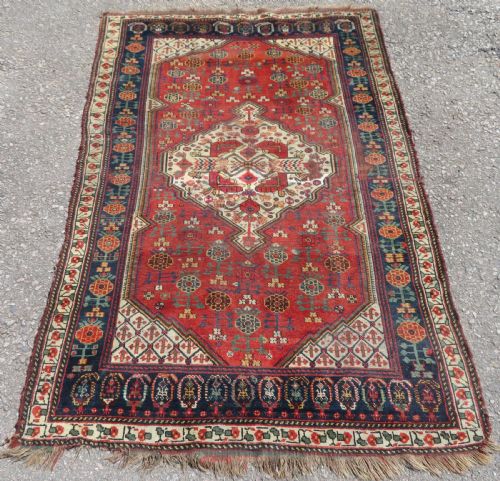
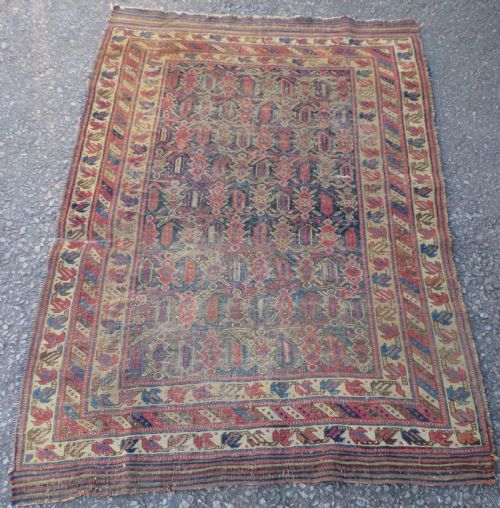
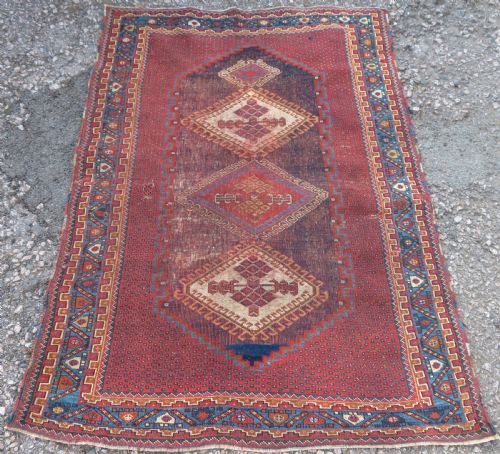
Antique Distressed Rug
An antique distressed rug brings generations of character into a room through worn wool and faded dyes.
Antique Distressed Rug
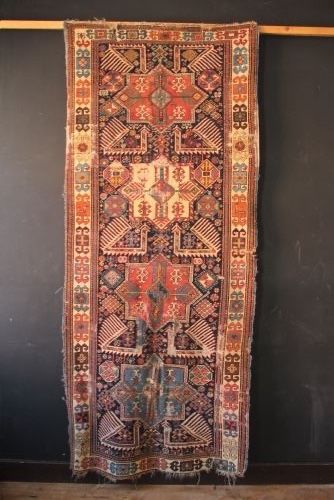
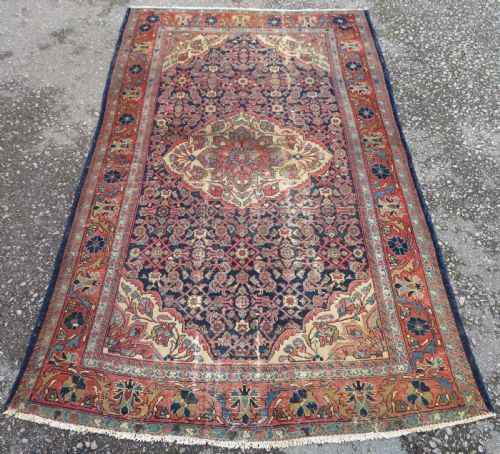
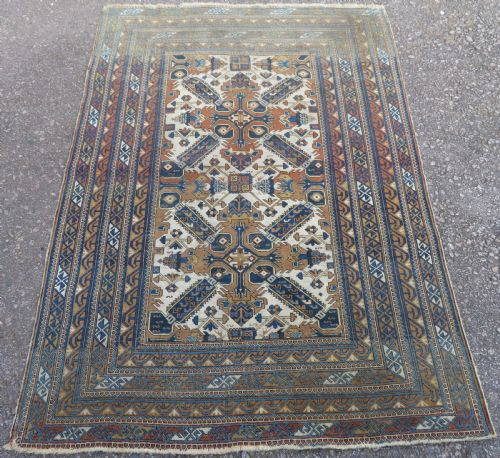
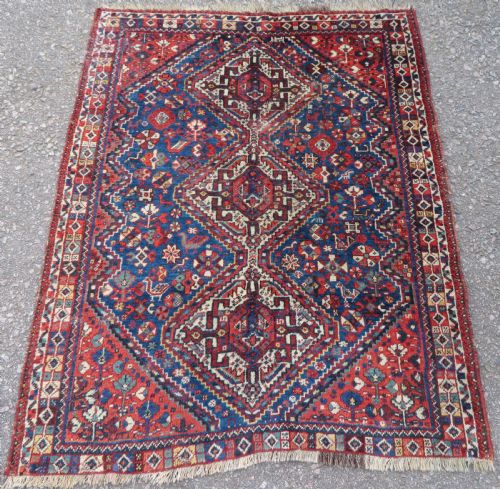
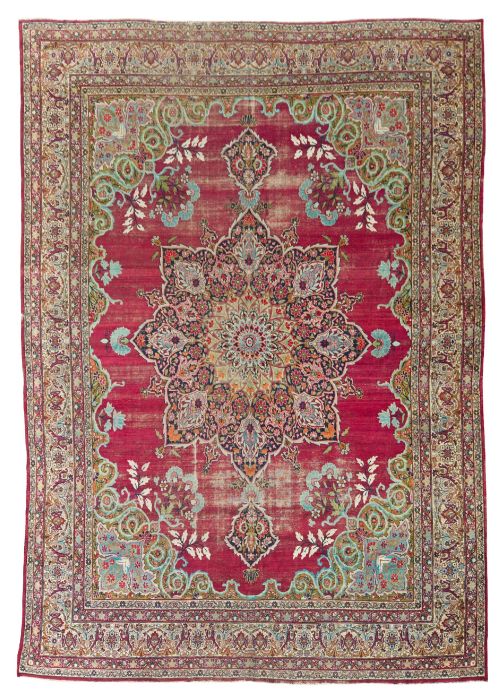
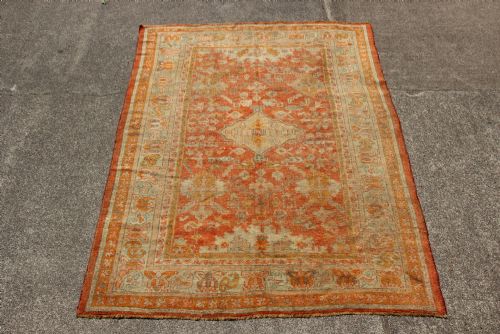
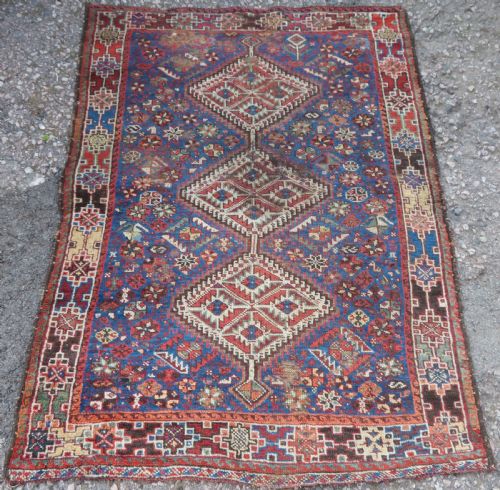
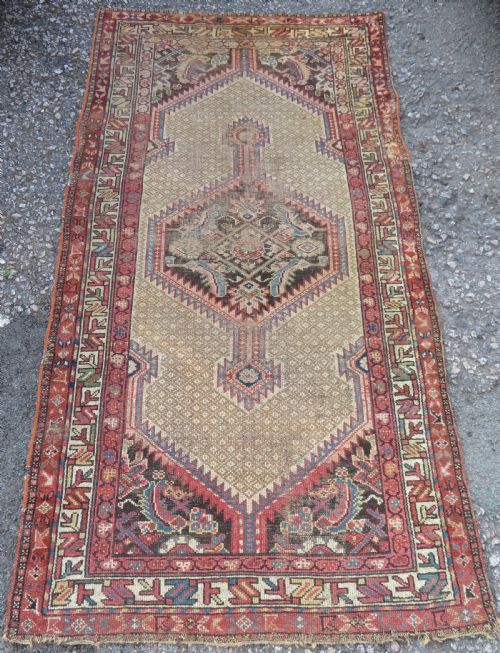
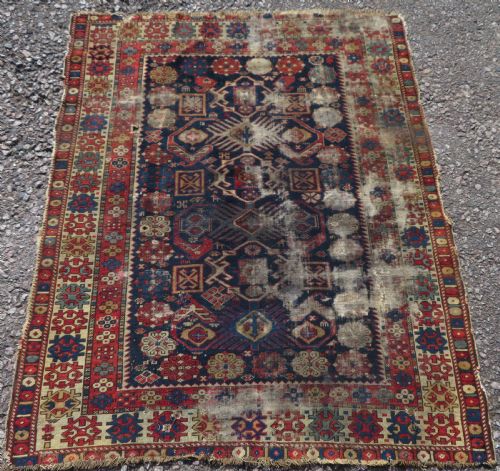
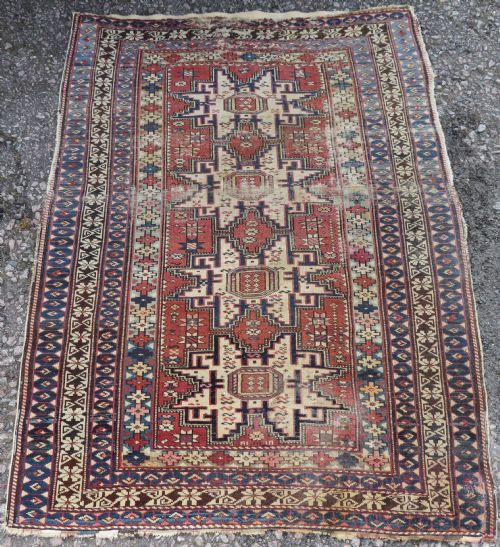
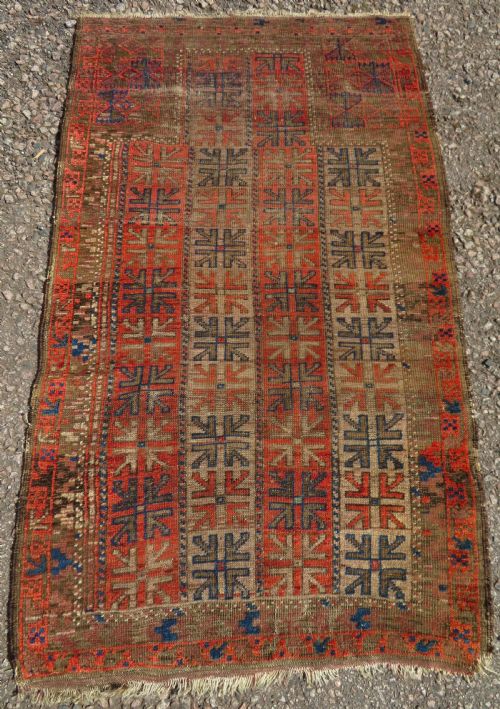
When you search for an antique distressed rug, you are looking at handwoven floor coverings from Persian, Caucasian, Anatolian, and Turkmen traditions that show significant age and wear. The pieces found here span from the late nineteenth century through the early twentieth century, encompassing tribal weaves, village pieces, and larger city carpets. Most examples show the softening of pattern and palette that comes from decades of daily use.
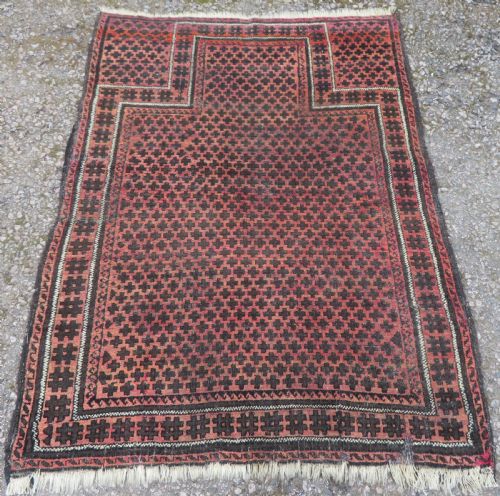
The selection frequently includes tribal rugs from groups such as the Afshar, Khamseh, and Baluch, alongside geometric Caucasian pieces like Daghestan and Kazak rugs. Larger formats include Oushak, Sarouk, and Kirman carpets, many bearing the characteristic low pile and muted patina implied by the term distressed. Buyers select these textiles for the visual depth that only genuine oxidation and wear provide.
How they were made
Weavers constructed these carpets using hand-spun wool and cotton foundations, occasionally incorporating camel hair into the mix for natural tone and durability. The yarns were dyed using natural colour sources, which mellow gradually over generations rather than fading harshly.
The knotting and weaving techniques varied by region, from the dense Persian knots of city workshops to the coarser, sturdier structures of nomadic tribal tent weavers. Finished edges and flatweave ends protected the foundational structure before time softened the pile.
Antique Distressed Rug Retail Price Guide 2026
Typical asking prices for distressed rug among the pieces listed under this phrase on Sellingantiques today, from the lower quarter to the upper quarter. They describe what is for sale here now, not the wider market.
Some antique runners display a slight crookedness along their length, recording the exact moment a nomad shifted posture on the loom.
What varies in quality
Quality in these floor coverings rests upon the integrity of the remaining foundation and the original fineness of the knotting. A well-made tribal or city piece retains structural soundness even when the pile has worn down to the knots.
The harmony of the fading palette and the balance of the tribal or floral geometry also dictate the success of the piece. Master weavers achieved proportions that hold the eye, even as the softening of the wool blurs the exact lines of the design.
The Antique Distressed Rug Glossary
- Pile
- The vertical loops of wool or camel hair that form the soft surface of a rug. In distressed examples, this pile has worn down significantly to expose the foundation.
- Natural Dyes
- Colourants derived from plants, insects, and minerals before the introduction of synthetic dyes. These materials age gracefully, developing nuanced patinas over decades.
- Prayer Rug
- A smaller format featuring a central niche or mihrab design, traditionally used for individual daily prayers in Islamic cultures.
- Tribal Rug
- A piece woven by nomadic or semi-nomadic groups rather than urban workshops. These textiles rely on memory patterns, geometric motifs, and earthy wools.
- Foundation
- The structural framework of warp and weft threads that holds the knots of a carpet together. When the pile wears away, the quality of this underlying grid determines longevity.
Antique Distressed Rug: Frequently Asked Questions
How do I clean an antique rug?
Professional dusting and gentle washing by a specialist familiar with antique textiles preserve the fragile wool and natural dyes.
Avoid immersion or harsh mechanical scrubbing, which can damage aged foundations and accelerate wear.
Can I place these rugs in high traffic areas?
Many examples withstand moderate foot traffic provided a suitable underlay is used to prevent slipping and cushion the worn foundation.
Very delicate or heavily worn pieces are better suited to low-traffic rooms or display as wall hangings.
What causes the distressed look?
Decades of walking, sunlight, and regular washing gradually wear down the wool pile and soften the original intensity of the natural dyes.
This natural ageing process creates the muted patina and low profile valued by collectors.
How do I identify a tribal rug?
Tribal pieces generally feature geometric motifs, asymmetrical layouts, and robust hand-spun wool reflecting regional village traditions.
City carpets tend to display more formal floral curves and symmetrical medallion designs.