



Oriental Enamel Display
These pieces for oriental enamel display span charger plates, decorative bowls and vases crafted across Japanese Meiji and Chinese Qing periods.
Oriental Enamel Display
When you search for oriental enamel display, you encounter substantial chargers, decorative plates, and freestanding vases originating from Japan and China. The form factors span wide circular trays, lidded bowls, and tall vessels suited for tabletop presentation.
The dominant material expressions on this page cluster around Japanese cloisonne enamel and Chinese porcelain painted in Famille Rose or Famille Verte palettes. Pieces frequently integrate copper, brass, porcelain, and earthenware supports.
Dating primarily from the late nineteenth century through to the early twentieth century, these items bridge Meiji period craftsmanship and late Qing to early Republic aesthetics. Collectors find works spanning Satsuma ware, Imari porcelain, and intricate wire-worked enamel plaques.
How They Were Made
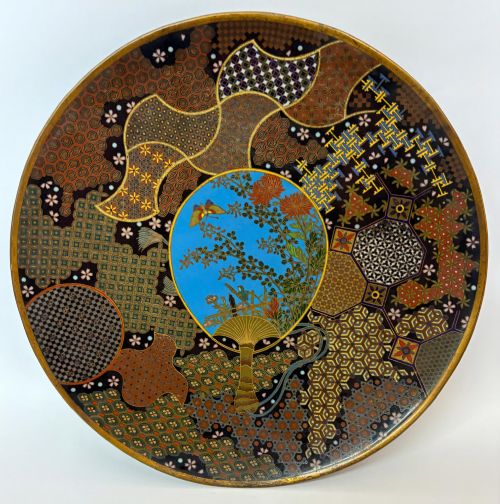
Japanese cloisonne enamel pieces rely on metal bases of copper or brass onto which thin metal wires, known as cloisons, form intricate cellular compartments by hand. Artisans fill these compartments with coloured enamel pastes before subjecting the objects to multiple kiln firings and meticulous surface polishing.
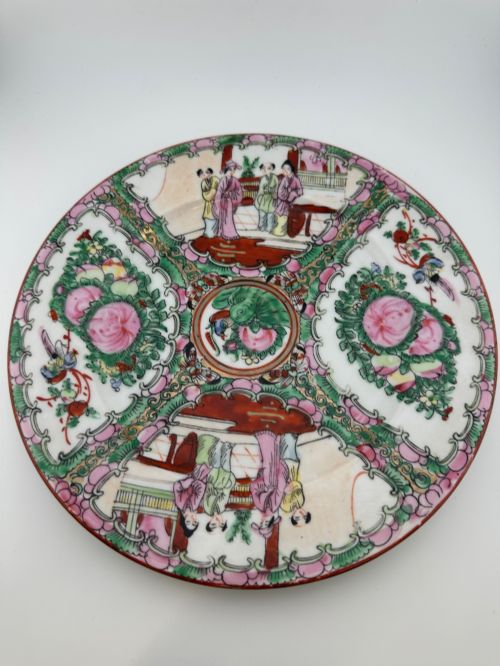
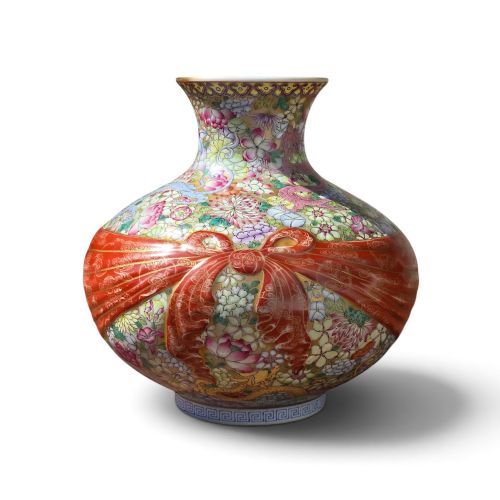
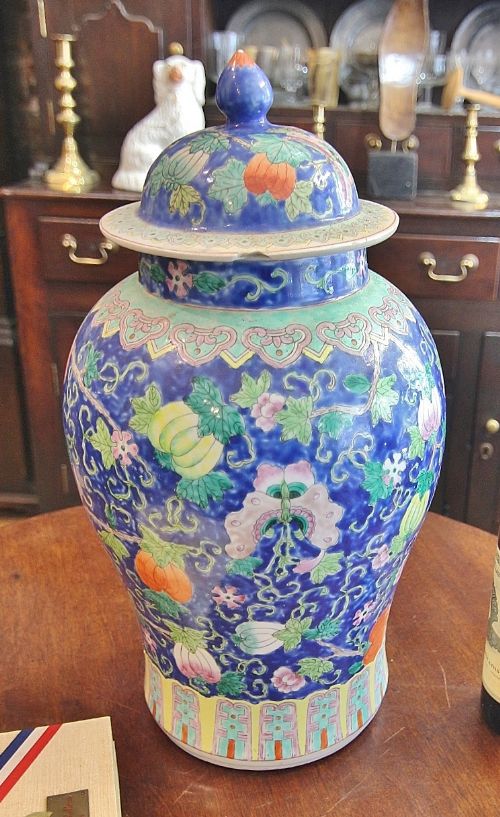
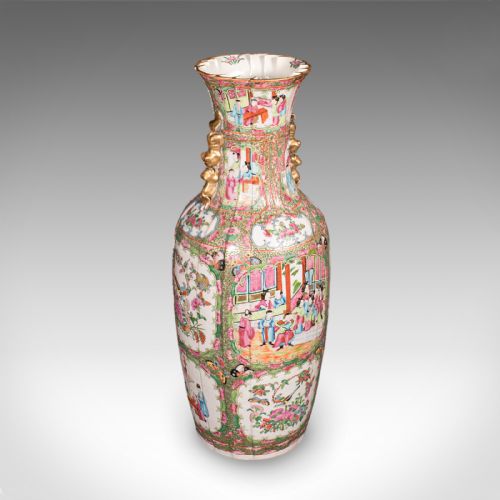
Chinese porcelain works employ ceramic bodies painted with mineral pigments, including iron-red and gilt detailing, often executed in multi-layered enamel styles such as Famille Rose or Millefleurs. These items combine thrown or moulded ceramic forms with hand-painted narrative scenes or floral motifs requiring steady brushwork.
Current listings feature diverse forms including Moon flasks, Arita bowls, and Totai Shippo tree bark cloisonne.
What Varies in Quality
The precision of wire placement in cloisonne enamel items dictates visual clarity, where tighter cell grids and flawless polished surfaces separate masterworks from standard production pieces. Complexity of subject matter, such as multi-figure panels or detailed fauna like leaping koi and dragons, elevates the ambition of the manufacture.
On ceramic vessels and plates, the fineness of hand-painted brushwork, the richness of gold leaf application, and the depth of the porcelain glaze determine distinction. Pieces bearing signatures from recognised artists or workshops demonstrate greater technical control during the kiln process.
The Oriental Enamel Display Glossary
- Cloisonne Enamel
- A technique where flat metal wires are soldered onto a metal base to create compartments filled with enamel paste. This method produces detailed pictorial surfaces after firing and grinding.
- Charger
- A large decorative plate intended for display rather than dining use. These items provide a wide canvas for intricate enamel or painted motifs.
- Satsuma Ware
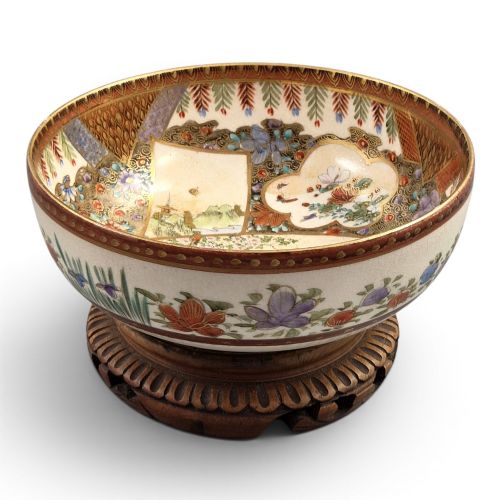
- A type of Japanese pottery with a pale, ivory-crackled earthenware glaze. It is frequently decorated with elaborate polychrome enamels and heavy gilding.
- Famille Rose
- A palette of opaque enamel colours centered on pink introduced in China during the Qing dynasty. The style allows for subtle tonal gradations in floral and figural designs.
- Moriage
- A decorative ceramic technique utilising raised slip trailing to create a textured, three-dimensional effect on the surface. This method adds tactile relief to Satsuma vases and bowls.
Oriental Enamel Display: Frequently Asked Questions
How should I display oriental enamel chargers safely?
Large chargers require sturdy plate stands designed to support heavier copper or porcelain weights safely on flat surfaces.
Keep them away from direct sunlight to preserve the stability of historic enamel pigments and gilt finishes over time.
What distinguishes Satsuma ware from standard porcelain?
Satsuma pieces feature a characteristic cream-colored earthenware body with a fine network of visible glaze crackles throughout.
Porcelain vessels utilise a denser, vitrified white clay body that remains completely non-porous and lacks the distinctive crackled texture.
How do I care for antique cloisonne surfaces?
Dust these items regularly using a soft, dry microfiber cloth to prevent particulate buildup within the wire cells.
Avoid liquid cleaners, chemical solvents, or immersion in water, which can damage the historic metal grounds and enamel.
How can I tell a Meiji period piece apart?
Meiji period Japanese works often showcase exceptional technical refinement in metalwork and pictorial composition, reflecting industrial shifts.
Many bear artist signatures or workshop marks on the reverse or base, connecting them to specific historic makers.