




Oriental Display Bowl
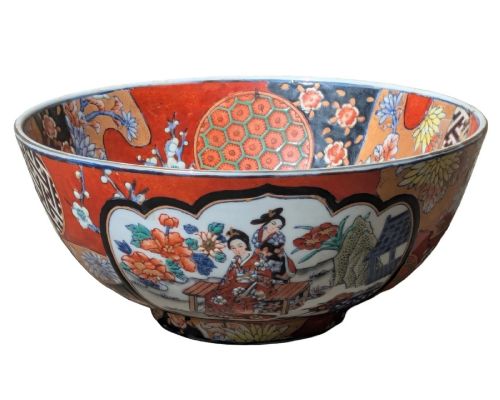
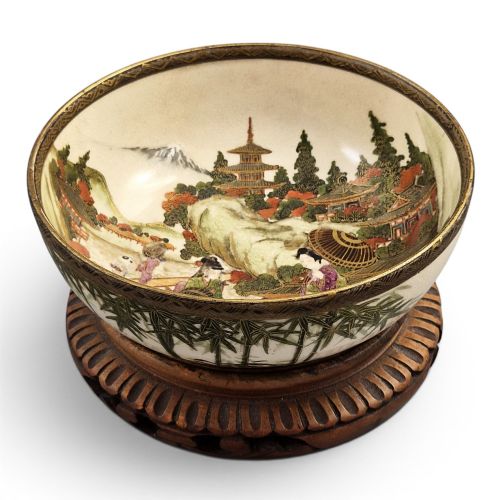
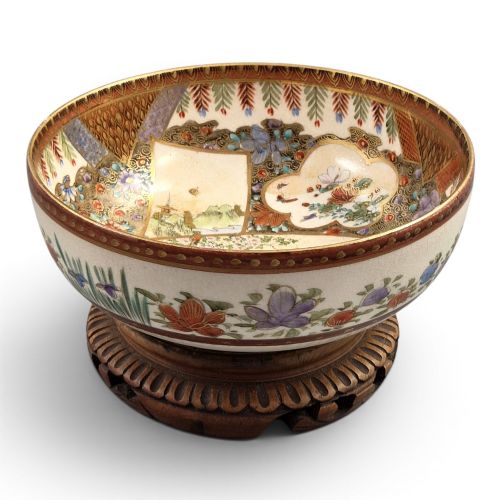
An oriental display bowl brings the striking colours of Imari porcelain, Satsuma ware and Chinese export ceramics directly into a room.
Oriental Display Bowl
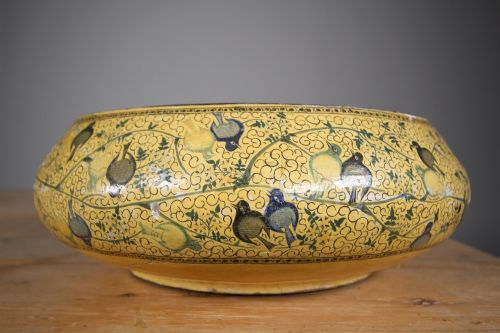
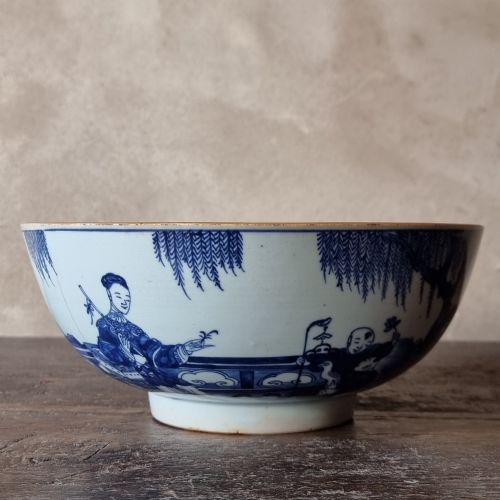
When someone searches for an oriental display bowl, they encounter decorative vessels originating from Japan and China across several centuries. These pieces range from eighteenth-century Chinese punch bowls and export porcelain to nineteenth-century Japanese Imari chargers and Satsuma earthenware.
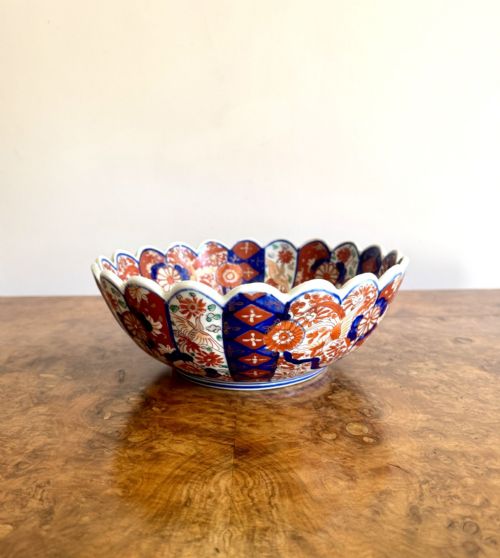
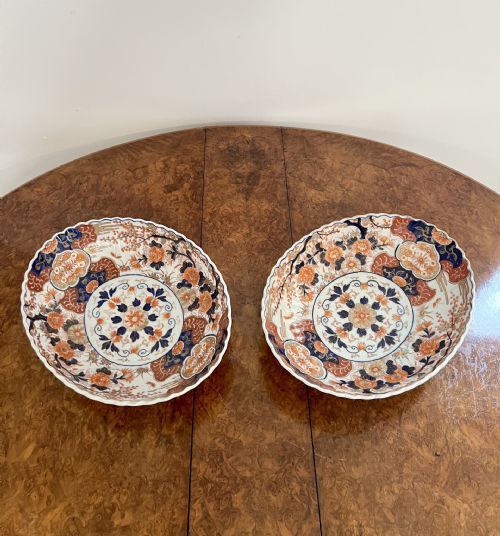
The most frequent versions on this page are Japanese Imari bowls featuring scalloped edges and characteristic cobalt blue and iron red palettes. Alongside these sit Chinese Famille Rose vessels, Cloisonné enamel chargers, and occasional hardwood display stands designed to elevate the porcelain.
Forms vary from deep centre bowls and shallow dishes to tripod vessels and lidded bowls. Production dates stretch from the seventeenth-century Arita pieces through the Meiji period up to Edwardian and Showa examples.
How they were made
Potters shaped these vessels from porcelain and earthenware, applying complex glaze techniques before firing at high temperatures. Many items received meticulous overglaze painting in enamel colours alongside gold leaf detailing.
Metal vessels and chargers utilised copper and brass bases decorated with cloisonné enamel work, where thin wire compartments held coloured enamel pastes. Stands and certain decorative elements relied on carved hardwood sometimes inlaid with mother of pearl.
Listings span centuries of ceramic production, from seventeenth-century Arita porcelain to twentieth-century Showa period Imari bowls.
What varies in quality
The precision and detail of the hand-painted motifs separate simpler export items from finer workshop pieces. Painted scenes depicting birds, foliage or figures show varying levels of brushwork control and artistic skill.
Signatures by recognised artists add distinction, particularly on Satsuma and Cloisonné pieces. The crispness of scalloped moulding, the integrity of the glaze and the presence of original hardwood stands further differentiate the grade of each bowl.
Gyokkō·Kozan
The Oriental Display Bowl Glossary
- Imari
- A style of Japanese porcelain named after the port from which it was shipped, typically decorated in underglaze blue, iron red and gold. These pieces were widely exported to Europe from the seventeenth century onwards.
- Satsuma ware
- A type of Japanese earthenware featuring a crackled ivory glaze decorated with polychrome enamels and gilt. Much of this ware was produced for export during the nineteenth century.
- Famille Rose
- A palette of Chinese porcelain enamels dominated by opaque pink or rose colours, introduced during the Qing dynasty. The style permitted nuanced shading of floral and figurative scenes.
- Cloisonné
- A metalwork technique where enamel pastes are applied within enclosures formed by soldered flat wires on a copper or brass body. The piece is then fired and polished smooth.
- Arita
- The Japanese town and surrounding region in Hizen province where porcelain production originated. Arita kilns supplied both domestic markets and the major export trade.
- Charger
- A large ornamental plate or shallow bowl intended for display on a sideboard or wall rather than for dining use.
Oriental Display Bowl: Frequently Asked Questions
How do I display an oriental bowl safely?
Heavy bowls and large chargers require sturdy wooden stands or wall mountings designed to take their weight.
Place them away from high traffic areas and direct heat sources to protect the glaze and enamel surfaces.
What is the difference between Imari and Satsuma ware?
Imari pieces are porcelain with a hard ringing body, decorated primarily in cobalt blue, iron red and gold.
Satsuma items use a softer earthenware body covered in a distinctive crackled cream glaze painted with detailed polychrome scenes.
Can I use these bowls for food?
Antique decorative bowls are generally unsuited for serving food due to the age of the materials and potential fragility.
Many older glazes and enamel decorations can also contain substances unsuited for modern culinary use.
How do I date an antique oriental bowl?
Dating relies on examining the characteristics of the paste, the style of the hand-painted motifs, and any maker's marks or signatures on the base.
Comparing the potting technique and glaze colours with known period examples helps narrow down the century of manufacture.