

Oriental Decorative Metalwork
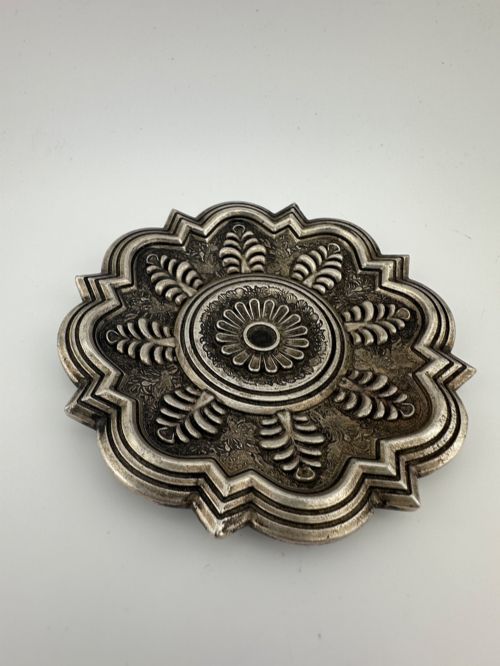
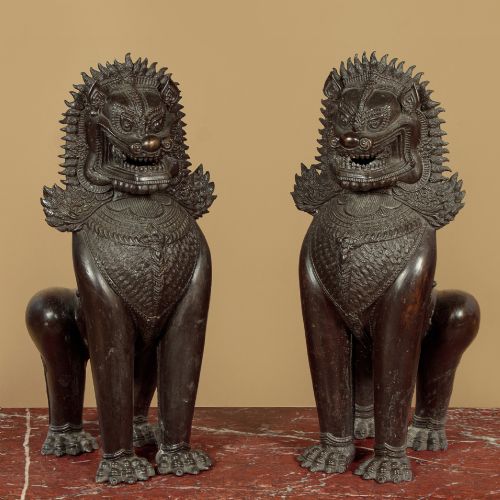
Oriental decorative metalwork encompasses cast bronzes, inlaid mixed metals and intricate cloisonne enamels originating from China and Japan.
Oriental Decorative Metalwork
Oriental decorative metalwork comprises a diverse array of vases, chargers, bowls and sculptures originating primarily from China and Japan during the nineteenth and early twentieth centuries.
Buyers browsing this selection frequently encounter Meiji period Japanese bronzes and cloisonne enamel vessels alongside Chinese export and imperial style bronzes.
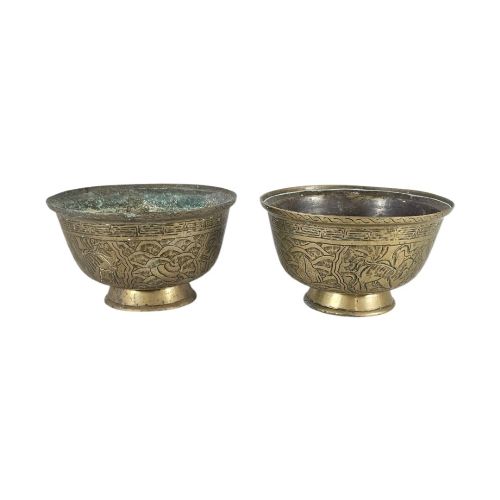
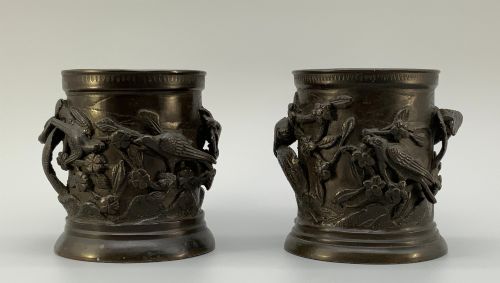
These items range from small scholar's brush washers and lidded pots to massive palace vases and lanterns intended for display.
Materials and Techniques
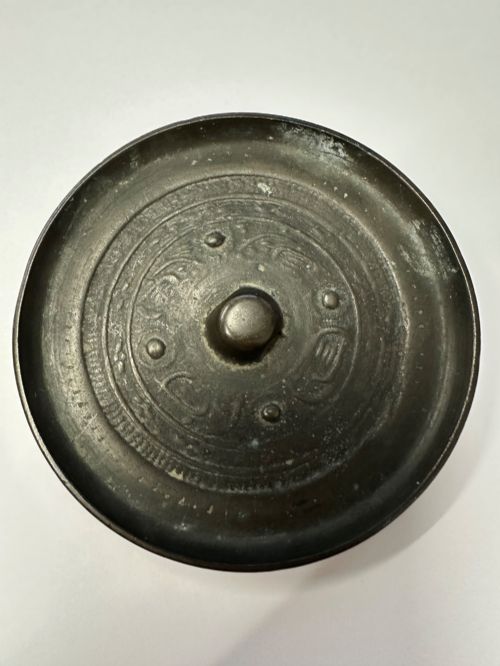
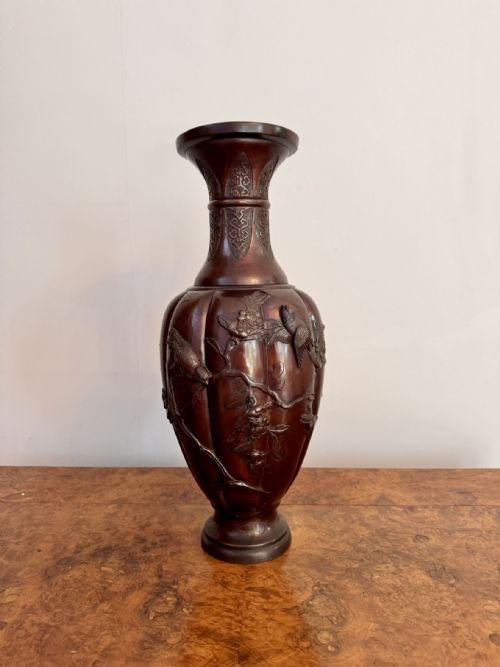
Casting bronze, brass and copper provided the structural foundation for many vessels and sculptures, often utilising patination to achieve deep surface tones.
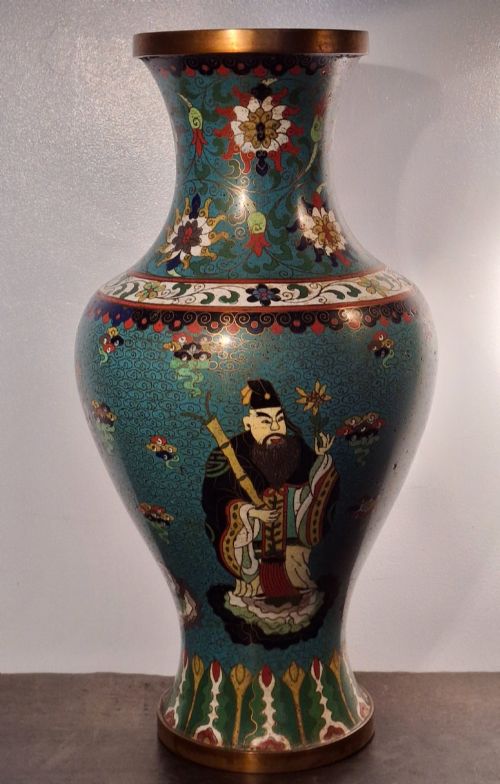
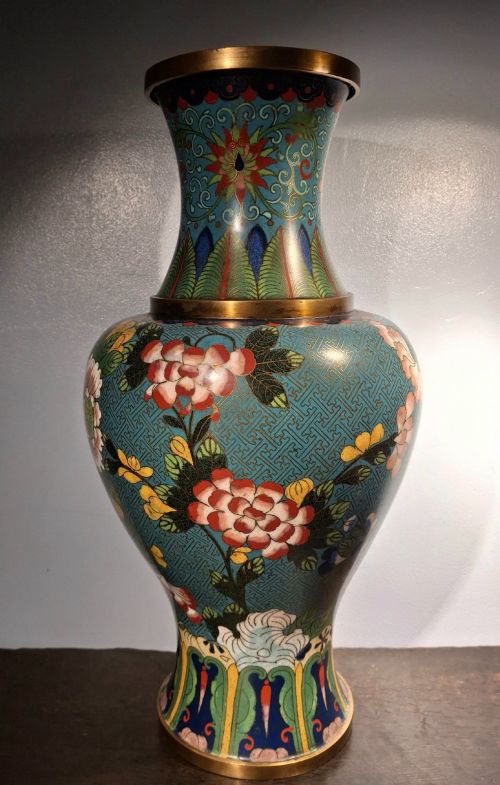
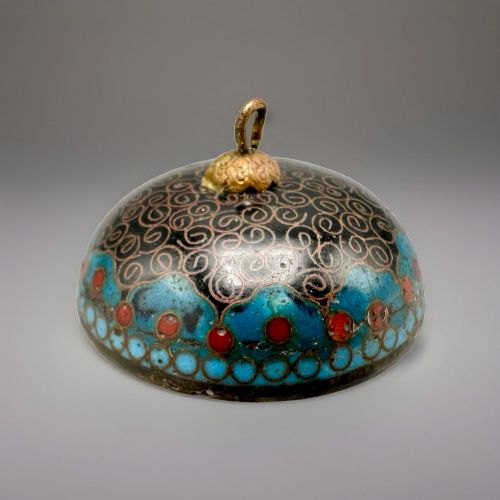
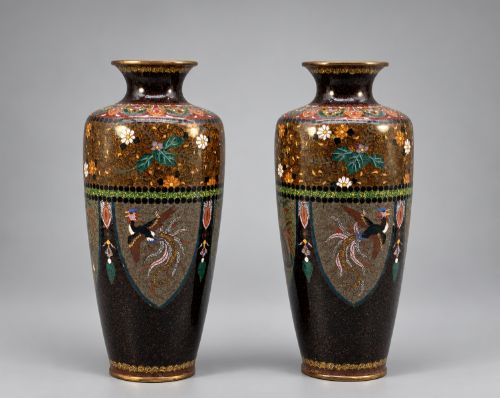
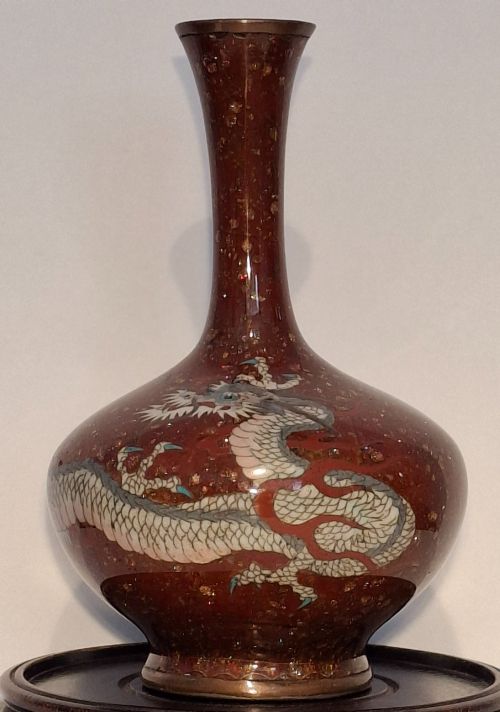
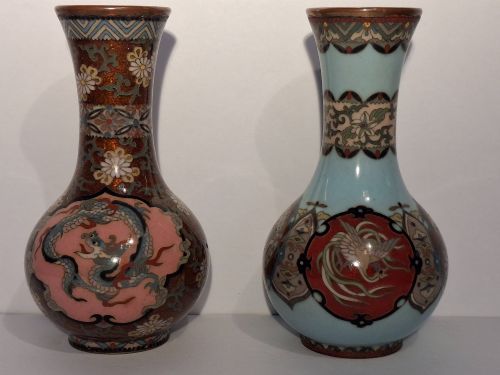
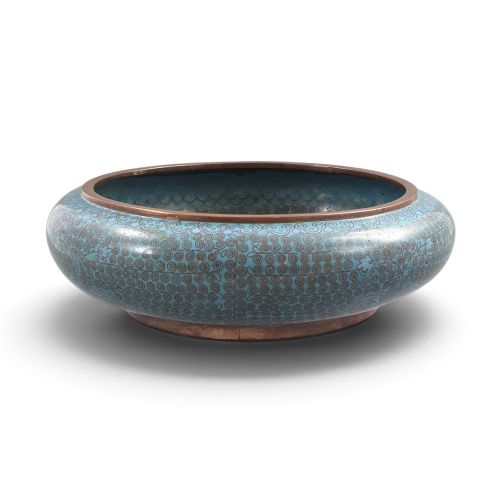
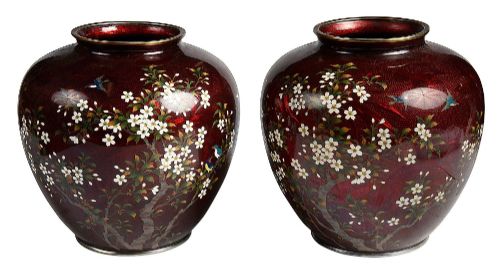
Cloisonne and champleve enamel techniques involved soldering fine metal wires onto metal bases to form cells that were filled with vitreous enamel pastes and fired.
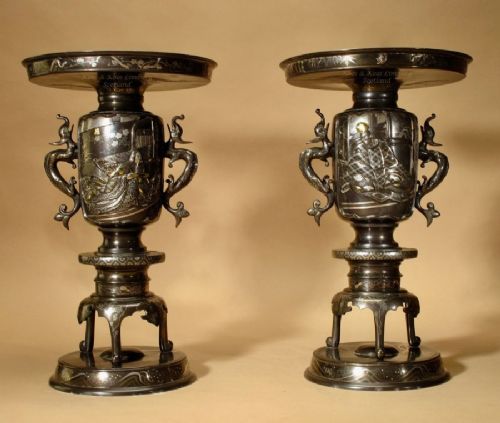
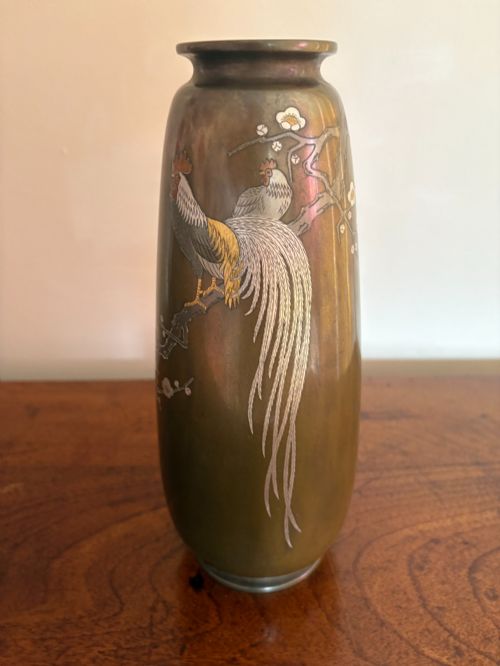
Inlay work incorporated gold, silver and mixed metals into iron and bronze surfaces, creating intricate pictorial designs depicting birds, dragons and flora.
Oriental Decorative Metalwork Retail Price Guide 2026
Typical asking prices for oriental decorative metalwork among the pieces listed under this phrase on Sellingantiques today, from the lower quarter to the upper quarter. They describe what is for sale here now, not the wider market.
Objects range from scholar's brush washers and small dishes to monumental palace vases standing over ninety centimetres tall.
Judging Quality
The sophistication of the design execution and the precision of wirework or metal inlay separate standard production pieces from masterworks.
Subtlety in patination and the clarity of the fired enamel colours indicate the skill of the workshop and the care taken during production.
KANASAWA·Ando Jubei·Kinkozan
The Oriental Decorative Metalwork Glossary
- Cloisonne
- A decorative metalwork technique in which metal compartments are created on a vessel body and filled with enamel paste before firing.
- Meiji Period
- The era of Japanese history spanning from 1868 to 1912, noted for a surge in artistic metalwork destined for export markets.
- Patination
- The process of treating metal surfaces with chemicals or heat to produce a specific coloration and aged appearance.
- Champleve
- An enamelling technique where troughs or cells are carved directly into a thick metal surface to hold the vitreous paste.
- Ginbari
- A Japanese enamelling method featuring textured or foiled backgrounds beneath translucent coloured enamel layers.
Oriental Decorative Metalwork: Frequently Asked Questions
How do I date oriental metalwork pieces?
Dating relies on stylistic markers, manufacturing techniques and prevailing aesthetic movements associated with specific periods like the Meiji era or Qing dynasty.
Material composition and base characteristics also offer clues to the age of a bronze or cloisonne vessel.
What is the difference between cloisonne and champleve?
Cloisonne involves soldering thin flat wires onto a metal base to form individual cells for the enamel paste.
Champleve instead carves the design cells directly into the solid metal substrate prior to filling and firing.
How should I clean antique bronze and enamel?
Dusting gently with a soft dry cloth preserves the aged patination and delicate enamel surfaces of these antique pieces.
Water, harsh chemicals and abrasive polishes must be avoided to prevent irreversible damage to the metal and vitreous layers.