




Oriental Decorative Ceramic Platter
An oriental decorative ceramic platter brings intricate hand-painted palettes and centuries of Asian artistry directly into a room.
Oriental Decorative Ceramic Platter
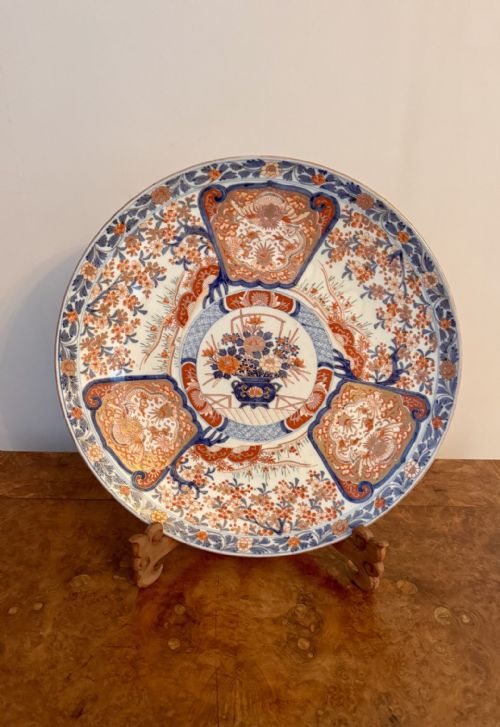
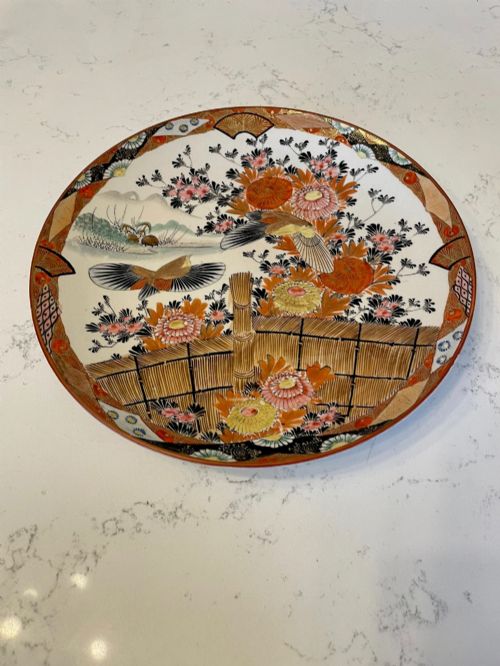
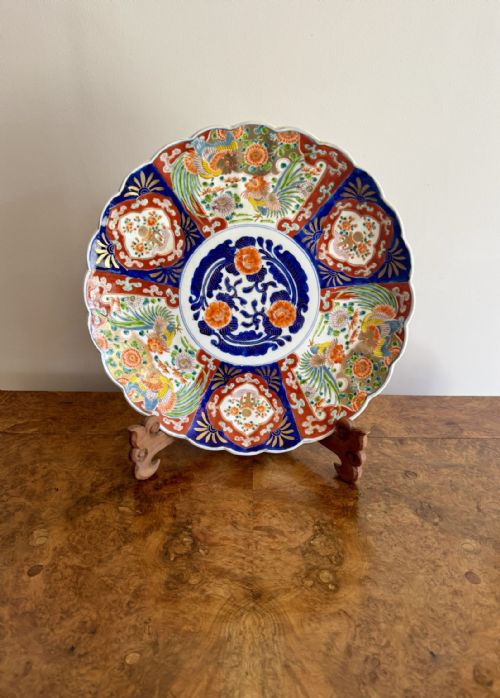
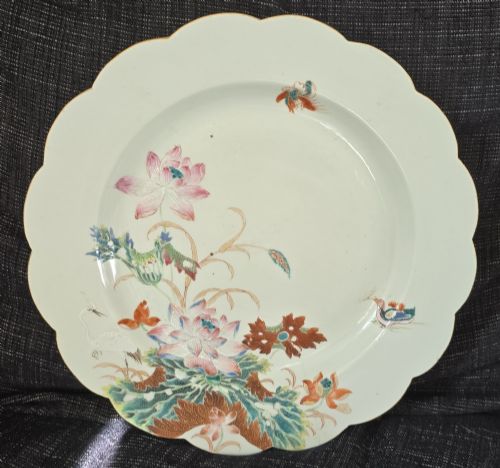
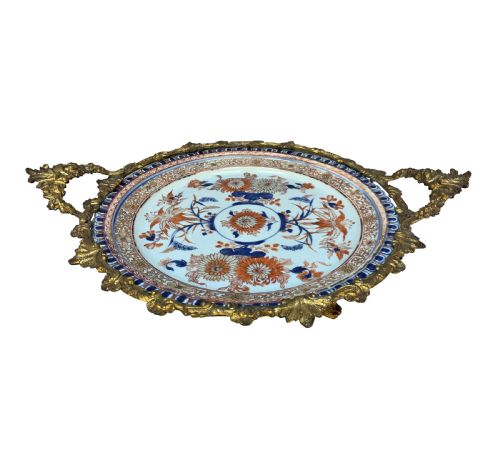
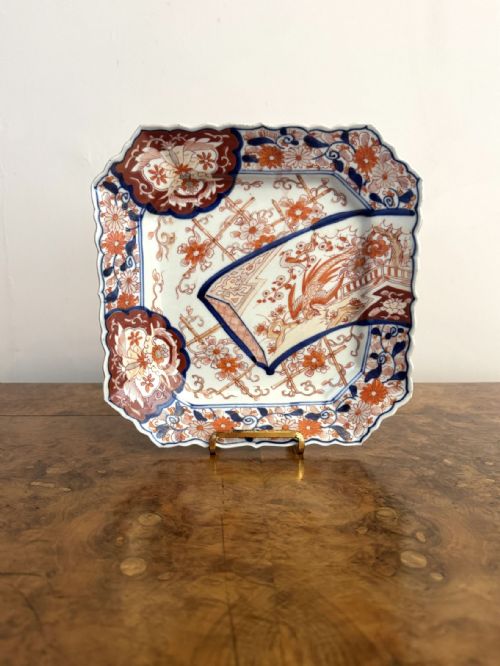
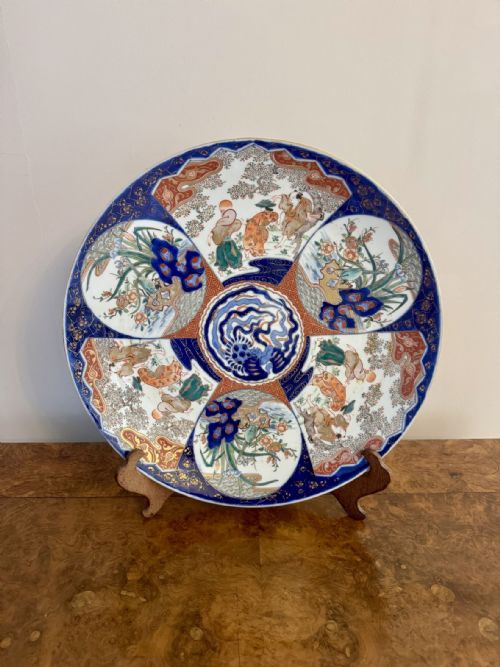
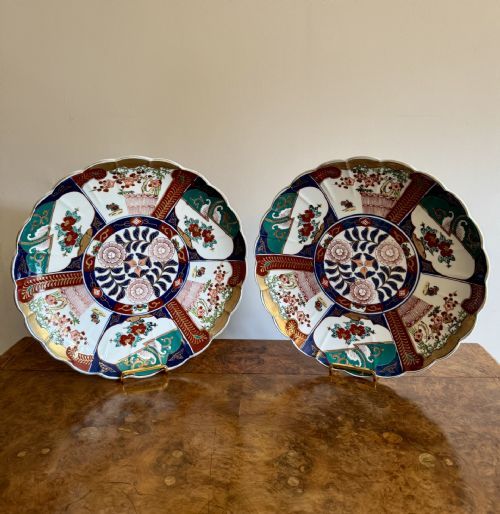
An oriental decorative ceramic platter encompasses a wide variety of large plates, chargers, and shallow dishes originating from Japan and China. When searching this phrase, the version most commonly encountered is the Japanese Imari charger dating from the late nineteenth century or around nineteen hundred. These pieces range from square plates and scalloped edges to large circular chargers depicting birds, florals, and deities.
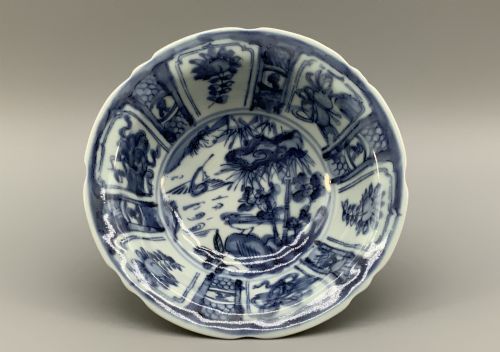
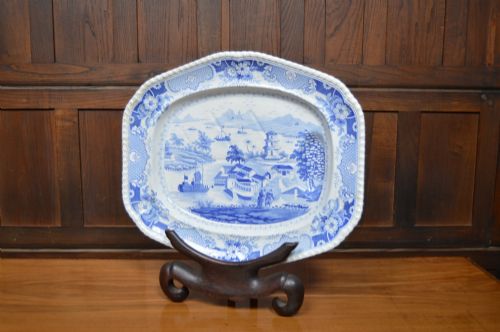
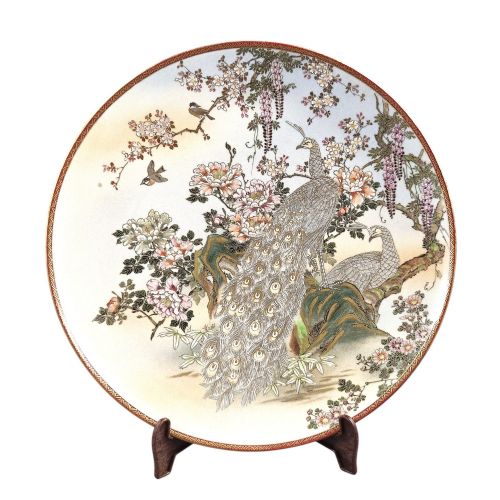
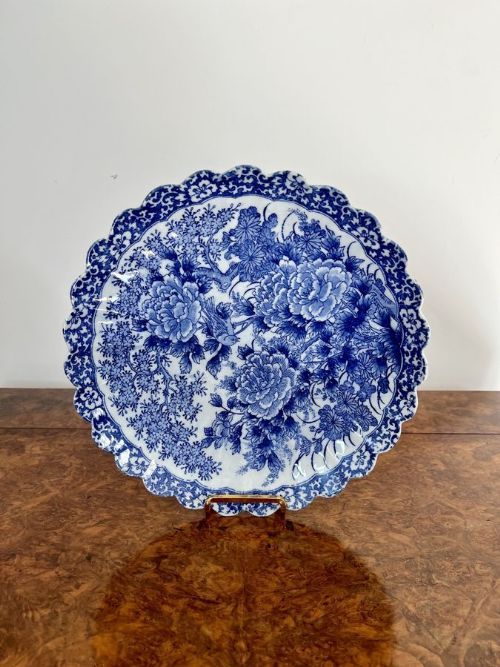
The selection also includes Chinese export wares, blue and white porcelain bowls from the Kangxi period, and Satsuma moriage dishes adorned with peacocks and peonies. European transferware such as Victorian pieces also appears among the listings, though East Asian porcelain forms the core of the category.
How they were made
Makers shaped these items primarily from porcelain and earthenware, applying cobalt underglaze, enamel, and glaze to the ceramic bodies. Artisans then hand painted intricate designs using gold leaf, gilt, and vibrant pigments to achieve the characteristic rich surface decoration.
Firing techniques allowed kilns to produce durable bodies capable of holding detailed multi-coloured motifs. Skilled hands executed the fine lines of Japanese Imari and Satsuma wares, as well as the cobalt blue scenes on Chinese export porcelain.
Materials recorded in current inventory include porcelain, earthenware, enamel, gold leaf, and cobalt underglaze.
What varies in quality
The sophistication of the hand painting determines the standing of an individual platter. Pieces displaying finely detailed figures, such as the Seven Lucky Gods or complex floral and bird motifs, demonstrate superior artistic execution compared to simpler transfer or repetitive patterns.
The weight, clarity of the glaze, and precision of the scalloped or square shaping also divide standard items from exceptional examples. A well-preserved surface with vibrant, intact gold leaf and enamel indicates a higher grade of production.
The Oriental Decorative Ceramic Platter Glossary
- Imari
- A style of Japanese porcelain decorated in underglaze blue and overglaze red, gold, and green. This tradition originated in the Hizen province and gained immense popularity in Europe.
- Charger
- A large decorative plate traditionally used for ceremonial purposes or as a base setting. In Asian ceramics, these wide vessels serve primarily to display intricate pictorial designs.
- Satsuma
- A type of Japanese earthenware featuring a crackled ivory glaze and elaborate polychrome and gilt decoration. These pieces often depict figures, landscapes, or flora.
- Cobalt Underglaze
- A blue pigment applied to the raw ceramic body before glazing and firing. This technique creates durable designs that resist fading over centuries of handling.
- Moriage
- A decorative technique in Japanese ceramics where slip is piped onto the surface to create raised, textured patterns. This method adds a tactile dimension to motifs like wisteria and peonies.
Oriental Decorative Ceramic Platter: Frequently Asked Questions
How were these oriental decorative ceramic platters used?
These large plates and chargers served primarily as decorative display items in homes rather than functional tableware. Owners placed them on tables, inside cabinets, or mounted them on walls to showcase their intricate hand-painted designs.
In both Asian and European interiors, they functioned as statements of taste and wealth. Their substantial size allowed the detailed scenes of birds, landscapes, and deities to be viewed easily from across a room.
How can I date an antique Meiji period charger?
The Meiji period spans from eighteen sixty-eight to nineteen twelve, coinciding with a surge in Japanese ceramic exports to the West. Listings from this era frequently exhibit high artistic ambition through detailed hand-painted motifs like the Seven Lucky Gods.
Comparing the style of the brushwork, the presence of specific kiln marks, and the type of glaze crackle helps narrow down the decade of production. Many pieces from this timeframe also reflect the artistic exchange between traditional Japanese techniques and Western decorative demands.
How should I display an antique charger safely?
Displaying a large plate or charger requires a sturdy, stable stand designed to support the significant weight of thick porcelain or earthenware. Ensure the placement avoids high-traffic zones where the piece might be easily brushed against or knocked.
Wall mounting requires professional hardware specifically rated for heavy ceramics to prevent accidental slips. Keeping the item away from direct sunlight also protects the delicate enamels and gold leaf from gradual fading.