


Oriental Decorative Bowl
An oriental decorative bowl brings centuries of intricate hand-painted motifs and rich metallic glazes straight to a table or cabinet.
Oriental Decorative Bowl
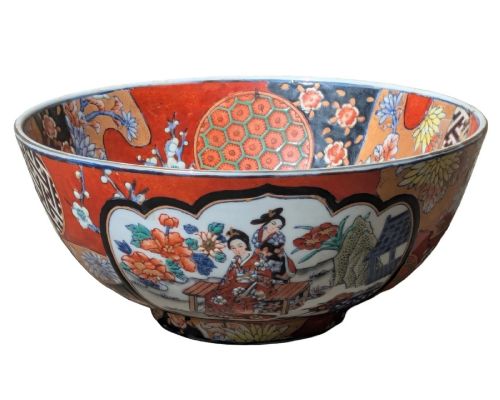
An oriental decorative bowl encompasses a wide array of vessels originating from China and Japan, spanning centuries of distinct artistic traditions. Buyers examining this category encounter everything from large punch bowls to smaller display dishes.
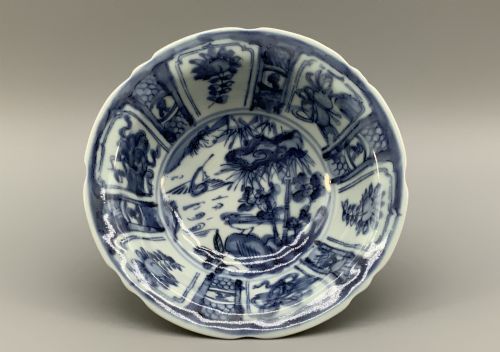
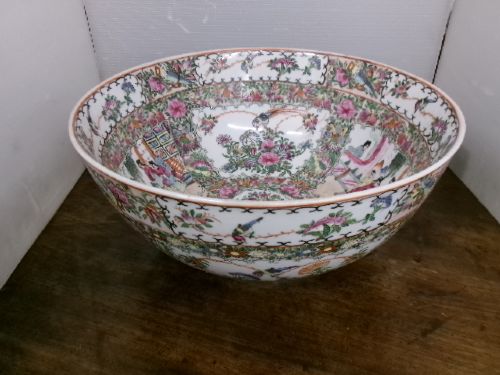
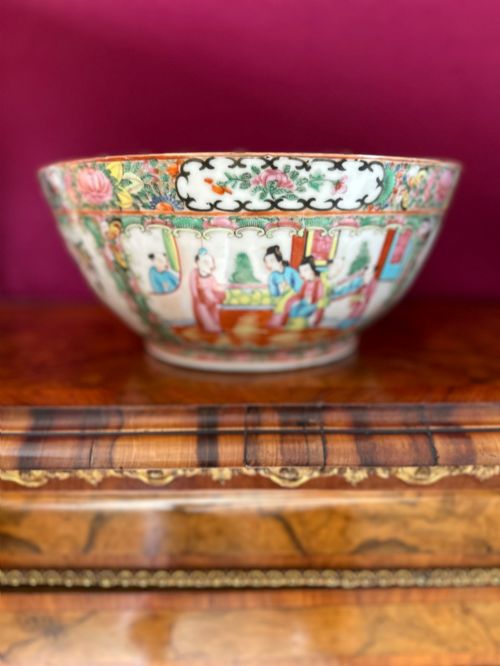
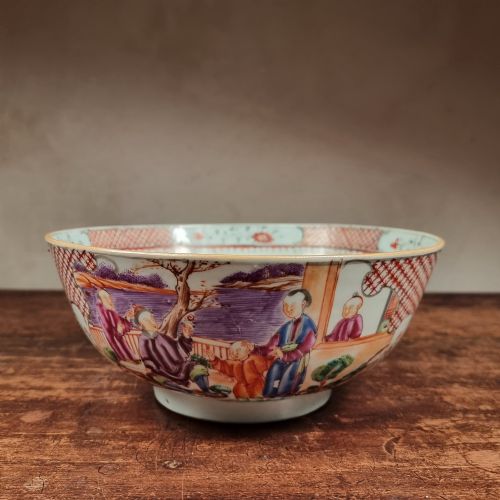
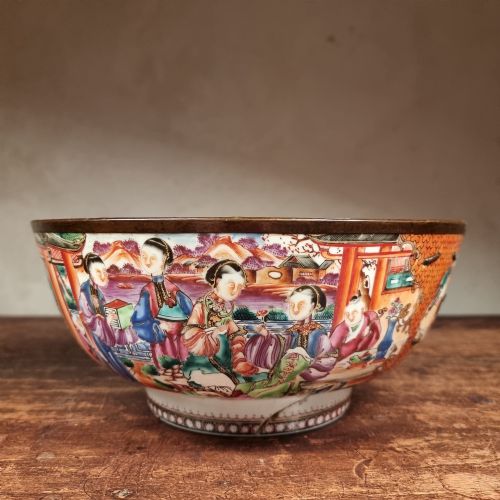
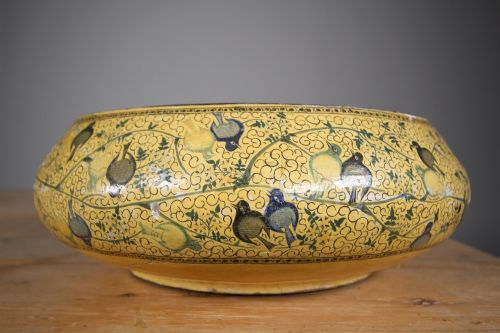
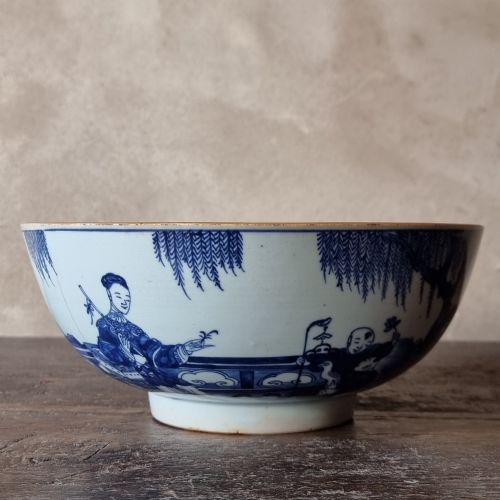
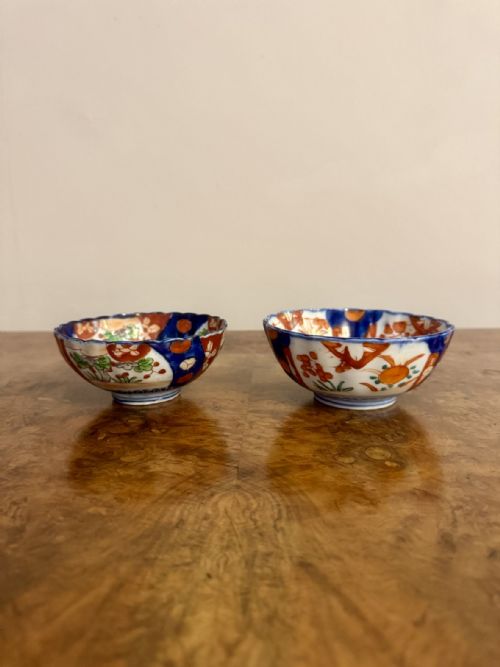
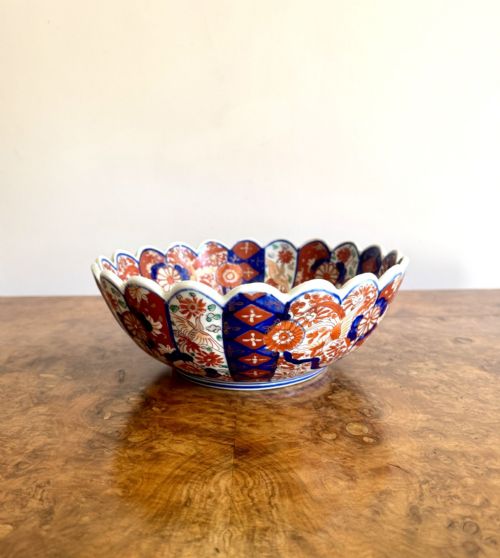
The pieces appearing most frequently range from nineteenth-century Japanese Imari porcelain to Chinese Canton and blue and white wares. Examples often display traditional motifs such as birds, foliage, and figural scenes.
Forms extend beyond standard vessels to include jardinières, chargers, and brush washers created from diverse regional workshops. Each item reflects the specific period aesthetic of its maker, whether from the Qing Dynasty or the Meiji period.
Materials and Techniques
Potters and artisans utilised high-fired porcelain and earthenware as the primary base materials for these bowls, applying detailed hand-painted mineral pigments and glazes. Cobalt blue and famille rose enamels frequently provide the distinctive coloration seen across the surfaces.
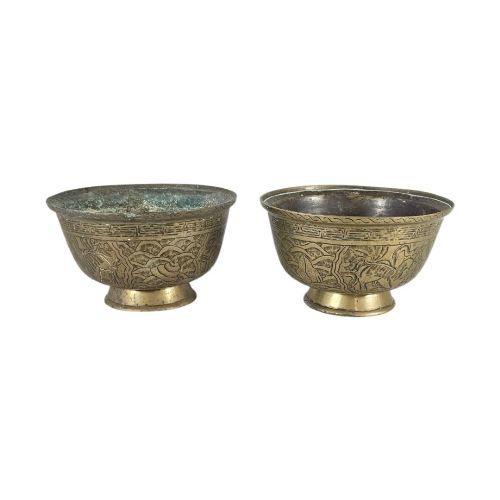
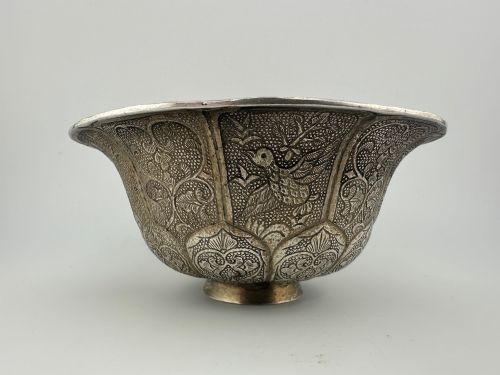
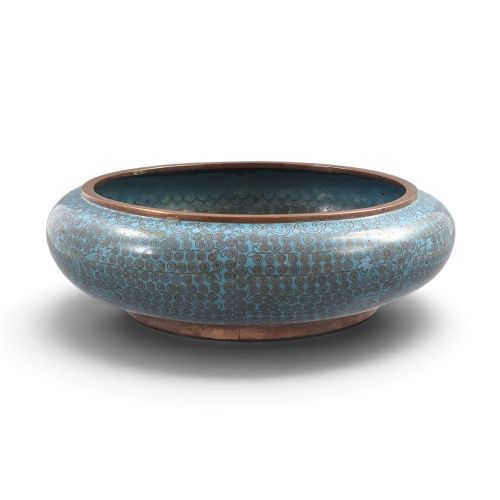
Metalworking techniques also appear in specific examples, incorporating cloisonné enamel, bronze, brass, copper, and white metal with applied gold leaf. Craftsmen formed intricate wirework cells for enamel designs or cast heavy metal vessels to create varied surface textures.
Oriental Decorative Bowl Retail Price Guide 2026
Typical asking prices for oriental decorative bowl among the pieces listed under this phrase on Sellingantiques today, from the lower quarter to the upper quarter. They describe what is for sale here now, not the wider market.
Listings feature pieces spanning the Qing Dynasty, Victorian era, and Meiji period, executed in porcelain, cloisonné enamel, and bronze.
Assessing Quality
Execution and precision of hand-painted brushwork separate standard production pieces from masterworks. Finer bowls demonstrate superior control in fine line work, balanced composition, and the application of rich gilding or enamel layers.
Signatures by renowned makers or specific regional kilns elevate the standing of an individual piece. The complexity of the form, such as scalloped edges or hexagonal shapes, also indicates the level of craftsmanship demanded during production.
Gyokkō·Kozan·Shizan·Ryuzan·Hododa
The Oriental Decorative Bowl Glossary
- Imari
- A style of Japanese porcelain featuring a distinctive palette of underglaze blue, iron red, and gold. Artisans produced these wares primarily for export, creating bold patterns often utilising floral and panel designs.
- Famille Rose
- A major palette of Chinese ceramic enamels introduced in the Qing Dynasty, distinguished by opaque pink or rose colours. This technique allowed for subtle gradations in shading on figures and floral arrangements.
- Cloisonné
- An enamelwork technique where metal wire is soldered onto a metal base to form compartments filled with enamel paste. Artisans then fired and polished the surface to achieve a smooth decorative finish.
- Jardinière
- A large ornamental pot or bowl designed to hold plants or flowers. These vessels frequently match the decorative schemes of table bowls while offering a more robust construction for interior display.
- Charger
- A large decorative plate or shallow bowl intended for display rather than dining. Makers often utilised the expansive surface area to showcase complex pictorial scenes and detailed border motifs.
Oriental Decorative Bowl: Frequently Asked Questions
How do I care for my bowl?
Dust porcelain and cloisonné surfaces gently with a dry, soft cloth to prevent scratching the delicate enamels or gilding. Avoid using chemical cleaners or immersing antique metal and ceramic pieces in water.
Display the bowl away from direct sunlight and areas subject to sudden temperature fluctuations. Use a stable stand or base if the vessel has an uneven foot ring.
Were these bowls used for dining?
Many large vessels, such as punch bowls and deep basins, served functional roles in domestic settings for mixing or holding liquids. Other forms functioned primarily as ornamental centrepieces or scholarly accessories.
Over time, the wear patterns on the interior glaze often reveal whether a piece held contents or remained strictly decorative. Today, collectors primarily preserve them as display objects.
How do I distinguish Chinese from Japanese pieces?
Chinese ceramics from periods like the Qing Dynasty frequently feature cobalt blue motifs, famille rose palettes, or detailed export designs. The brushwork and subject matter typically adhere to distinct regional artistic conventions.
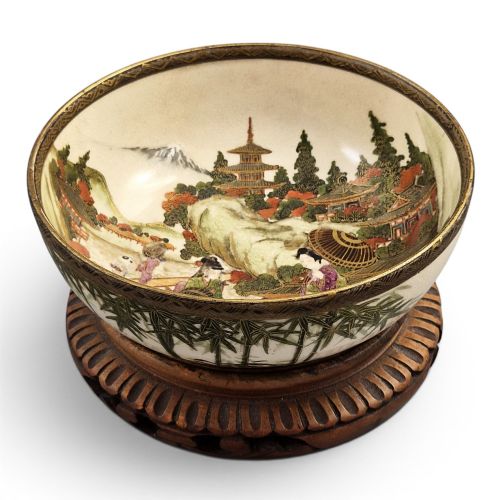
Japanese wares, particularly from the Meiji period, often incorporate distinct stylistic markers like Imari colour combinations, Satsuma earthenware crackle glazes, or specific artist signatures on the base.
What does a signature on the base indicate?
Signatures on Satsuma and cloisonné pieces generally denote the specific master, workshop, or studio responsible for the creation. These marks help identify regional production centres such as Kyoto or Yokohama.
Researching the specific characters or names provides context regarding the date of manufacture and the prestige of the maker. Unsigned pieces remain common, reflecting standard workshop production.