
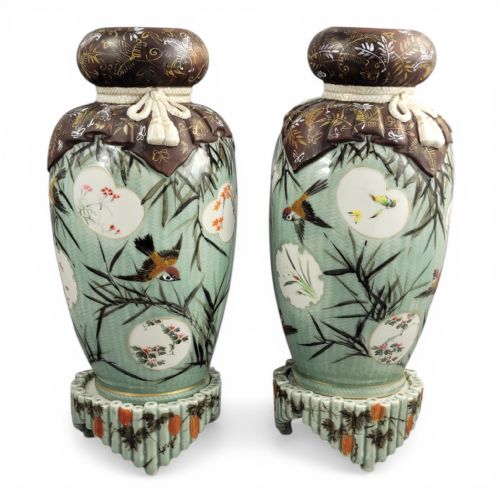


Oriental Ceramics Floor Urns
Oriental ceramics floor urns command attention in any room through scale, hand-painted detail, and centuries of tradition.
Oriental Ceramics Floor Urns
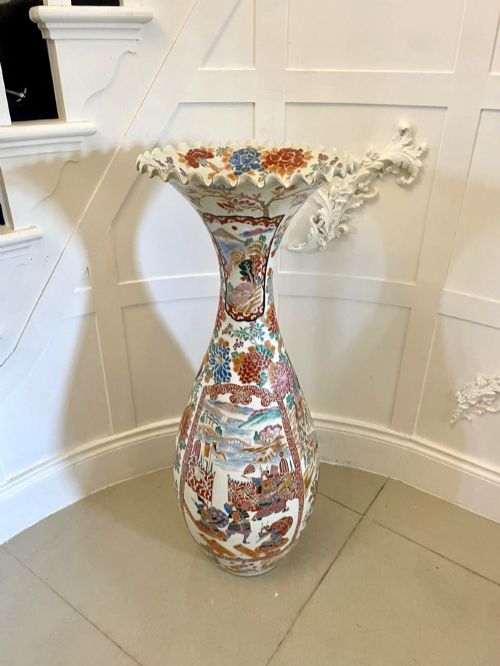
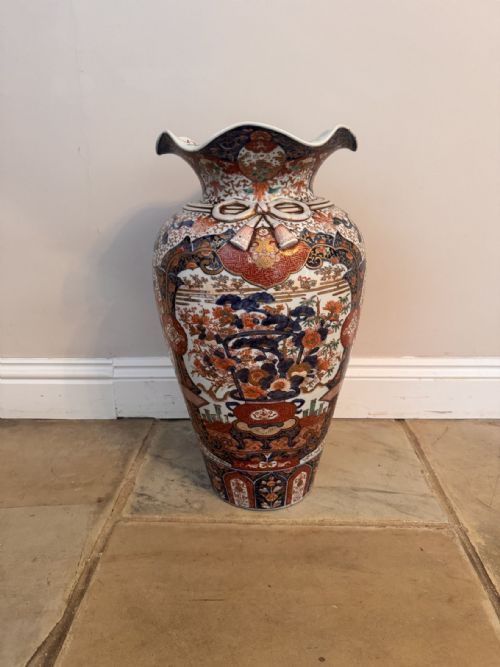
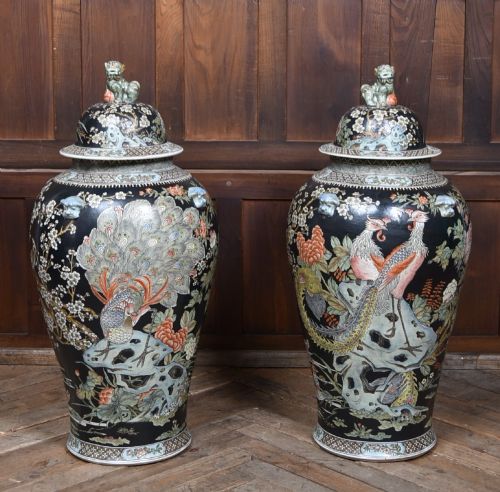
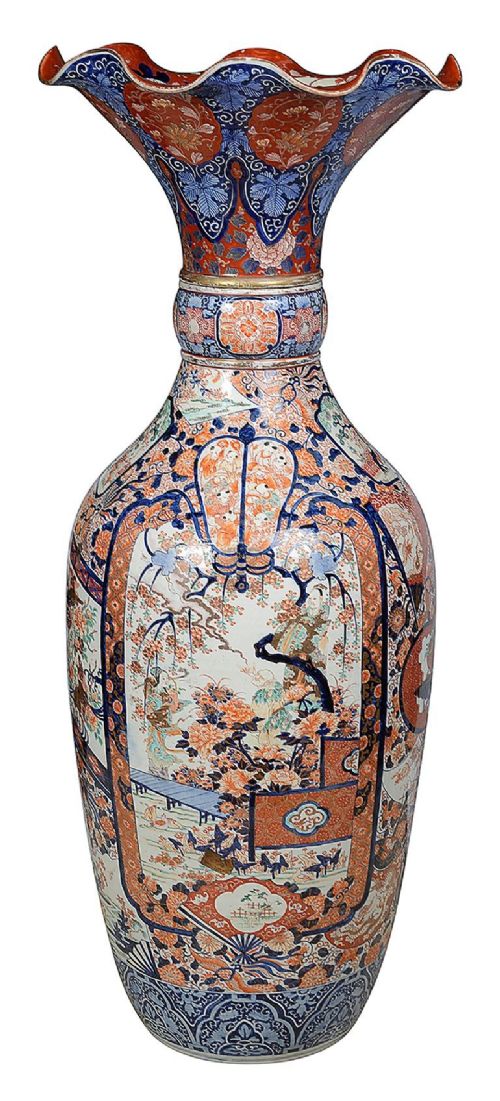
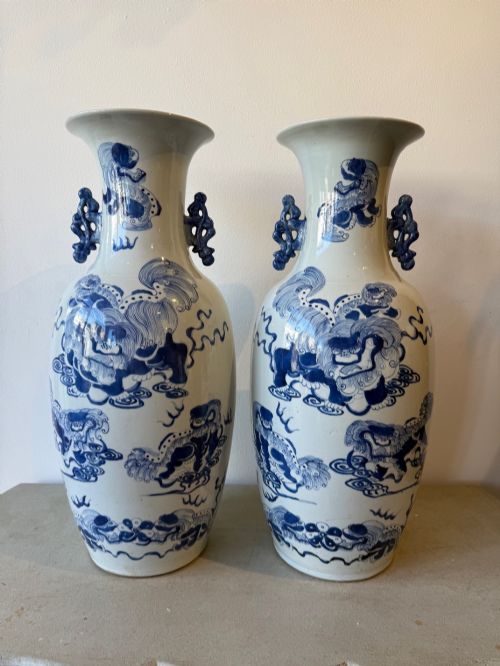
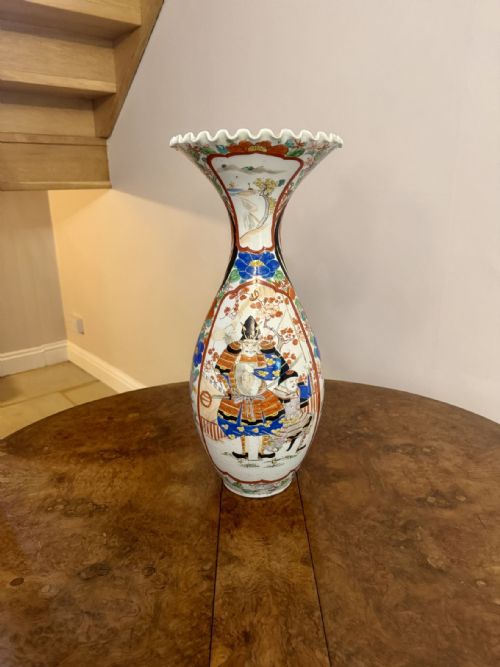
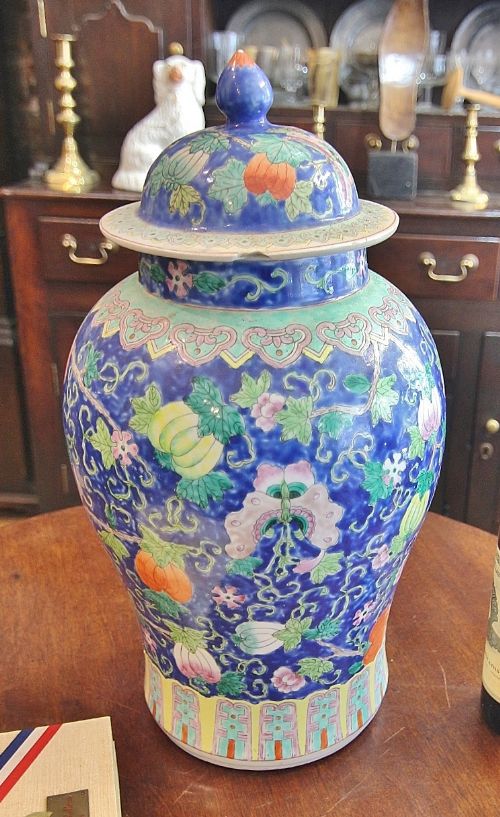
Oriental ceramics floor urns comprise large-scale vases and jars originating from Japanese and Chinese traditions, designed to stand directly on the floor or on matching porcelain stands. Pieces matching this description range from the nineteenth century into the twentieth century, taking the form of tall bulbous vessels, lidded urns, and palace floor jars.
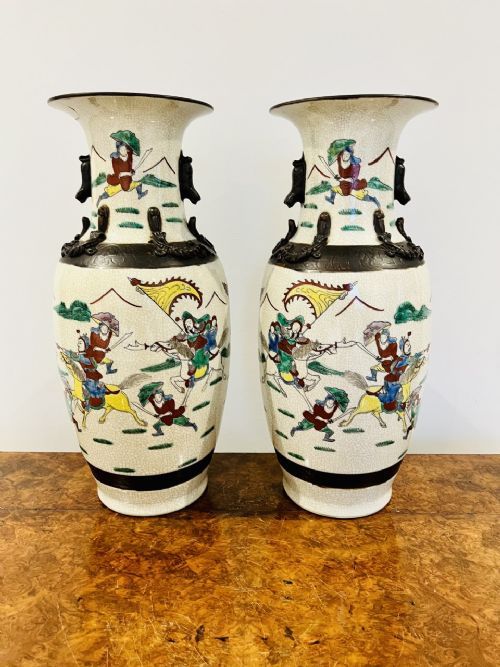
Japanese Imari and Satsuma wares dominate the selection alongside Chinese blue and white, Famille Rose, and Cantonese pieces. Buyers will frequently encounter monumental pairs alongside individual large vessels displaying extensive hand-painted decoration.
The periods represented span the Meiji period and Qing dynasty, capturing distinct aesthetic movements from the nineteenth and early twentieth centuries. These vessels serve as prominent decorative anchors within domestic interiors.
How They Were Made
Potters shaped these large ceramic and porcelain bodies by hand before applying intricate glaze work, enamel pigments, and sometimes gold leaf highlights. Firing vessels of this scale required precise kiln control to support heavy walls without distortion.
Surface ornamentation often combined hand-painted motifs with specialised additions such as cracked glazes, lacquer panels, or lacquer over black paint. Certain pieces incorporate matching original porcelain stands created specifically to support the primary vessel.
Listings feature porcelain, earthenware, enamel, gold leaf, and glaze materials across nineteenth-century and twentieth-century periods.
What Varies in Quality
The distinction between standard and exceptional pieces rests in the complexity and crispness of the hand-painted brushwork. Superior examples display dense, balanced compositions across large surfaces without congestion or muddy pigment blending.
Scale and ambition separate ordinary vessels from monumental works that required advanced throwing and firing capabilities. The inclusion of original matching stands or specialised elements like lacquer panels and gilt detailing elevates the standing of an individual piece.
Kato Sanhei·Kinkozan·Fukagawa
The Oriental Ceramics Floor Urns Glossary
- Imari
- A traditional style of Japanese export porcelain characterised by a palette of underglaze blue, iron red, gold, and supplementary colours. These wares were widely produced for international markets during the nineteenth century.
- Satsuma
- A type of Japanese earthenware featuring a crackled ivory glaze decorated with detailed enamels and gilt. Items from this tradition often depict figural scenes and natural motifs.
- Famille Rose
- A major palette of Chinese ceramic glazes distinguished by opaque pink or purple enamel colours introduced during the Qing dynasty. The style permits delicate tonal gradation in floral and figural subjects.
- Baluster
- A tall ceramic form shaped with a rounded lower body that tapers towards a narrower neck. This silhouette provides stability for large floor-standing vessels.
- Meiji Period
- The era of Japanese history spanning from 1868 to 1912, noted for expansive decorative arts production geared towards Western export. Work from this time frequently combines traditional motifs with ambitious scale.
Oriental Ceramics Floor Urns: Frequently Asked Questions
Where should I place a floor urn?
These large vessels suit open hallways, reception rooms, and corners that require substantial visual weight.
Keep them away from high-traffic pathways to protect the hand-painted surfaces from accidental impacts.
How do I clean my ceramic urn?
Dust the surface regularly with a soft, dry cloth to prevent particulate accumulation within the detailed glaze crevices.
Avoid liquid cleaners or abrasive materials that could damage the delicate enamel and gold leaf decorations.
Are these pieces waterproof?
Many antique ceramic and earthenware vessels were intended strictly for decorative display rather than holding water.
Utilising a separate internal liner is recommended if you intend to use them for fresh botanical arrangements.
How do I distinguish Satsuma from Imari?
Satsuma wares utilise an earthenware body with a characteristic ivory crackled glaze beneath colourful enamel and gilt decoration.
Imari pieces rely on a porcelain body decorated predominantly in underglaze blue, iron red, and gold.