






Oriental Ceramic Floor Vase
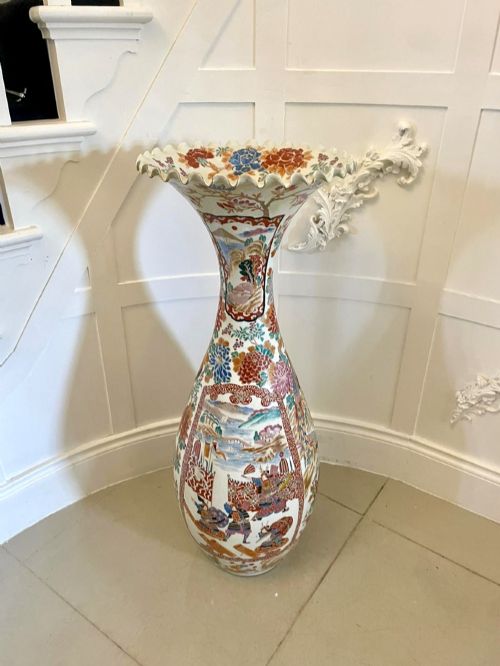
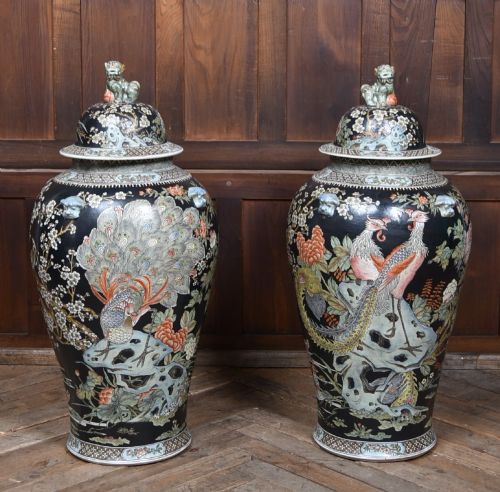
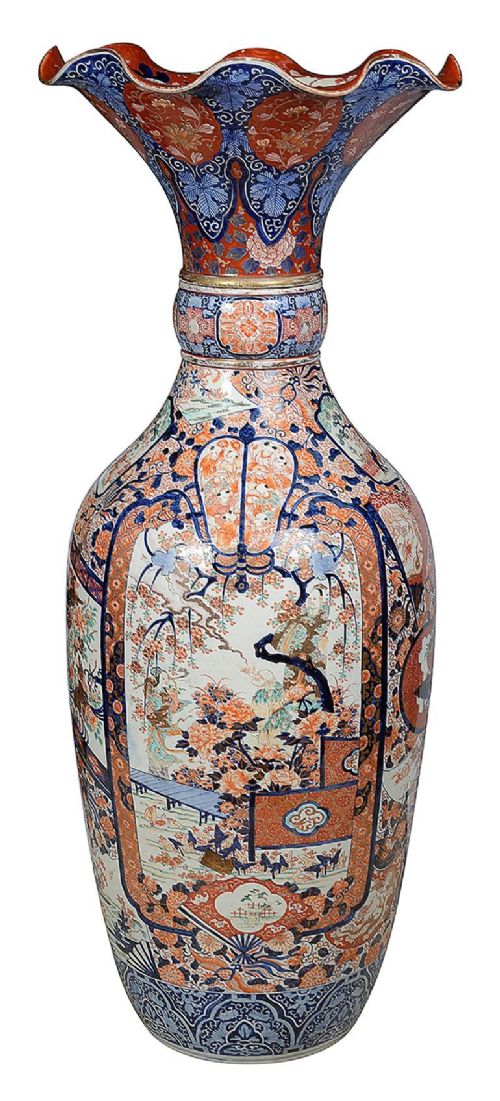
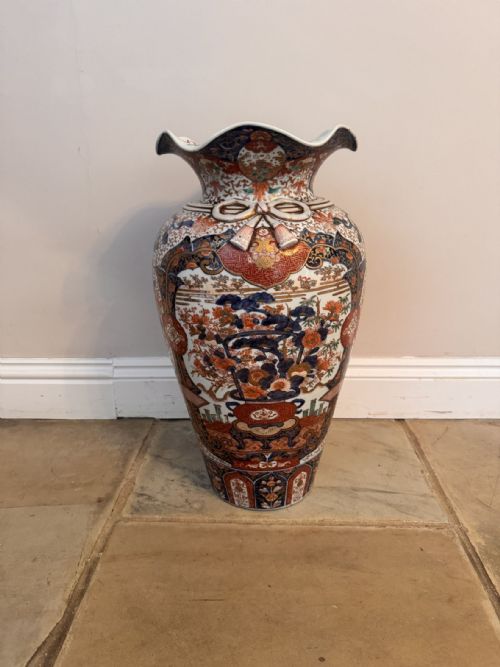
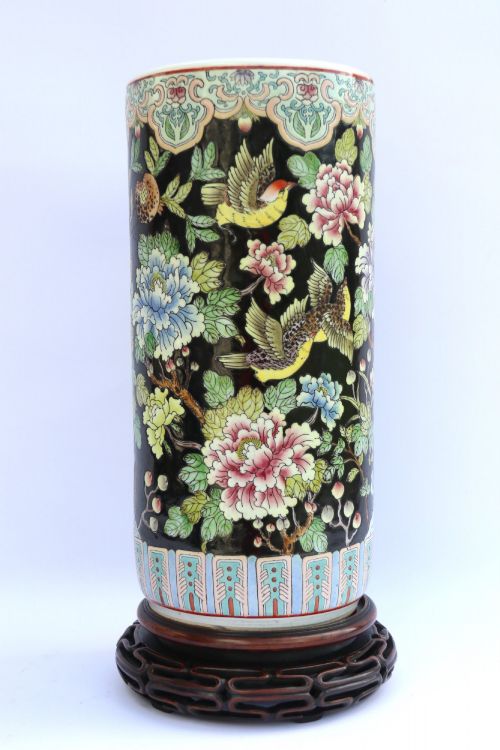
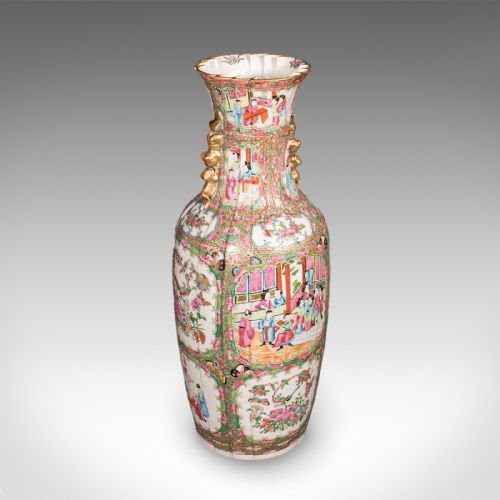
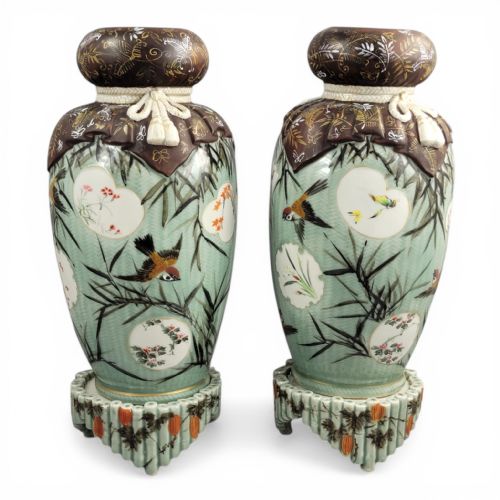
An oriental ceramic floor vase brings substantial scale and historic hand-painted detail into a room.
Oriental Ceramic Floor Vase
An oriental ceramic floor vase is a large scale vessel made for prominent placement in a room, often measuring well over a metre in height. When you search for this phrase, you encounter grand statement pieces originating from China and Japan during the nineteenth and early twentieth centuries.
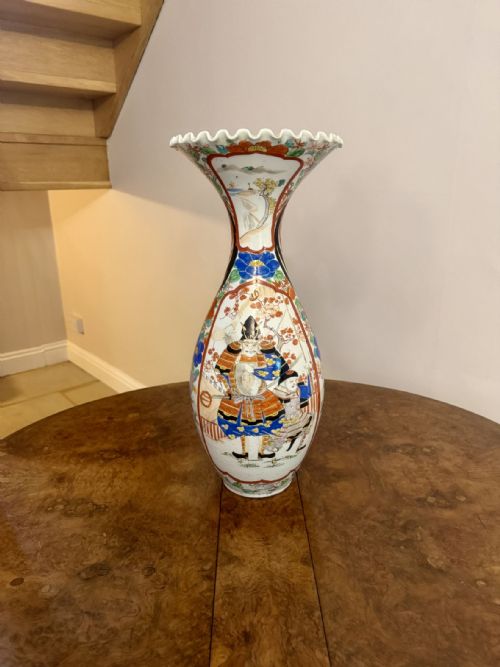
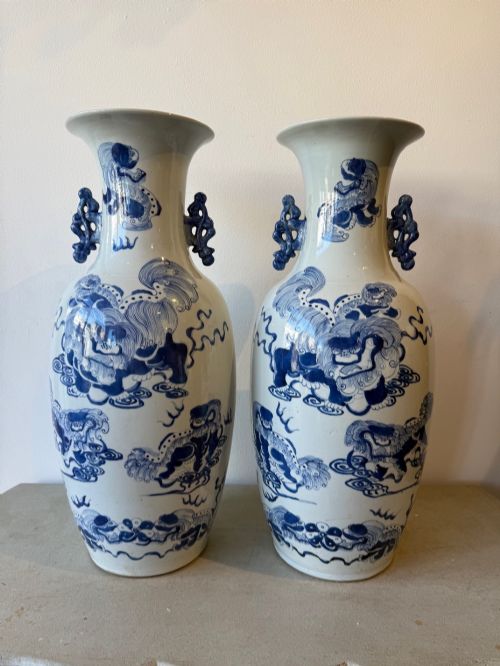
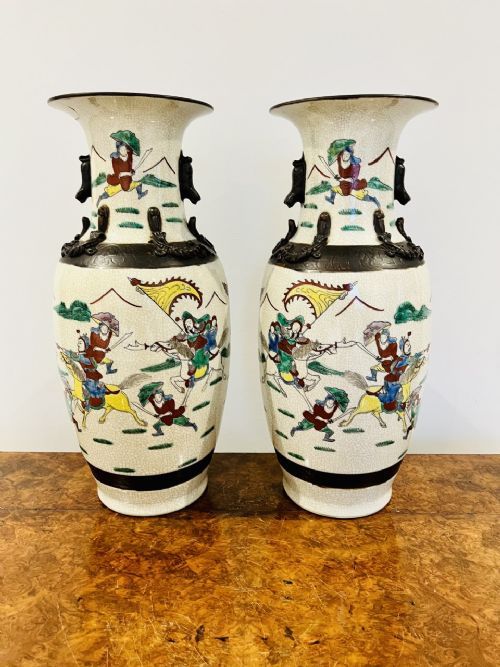
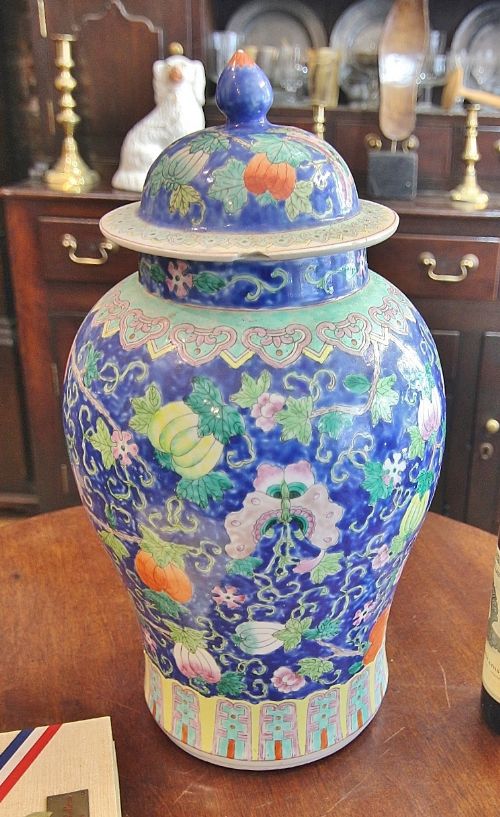
The selections available here lean heavily towards traditional forms such as palace jars, baluster shapes and floor standing vessels. These items encompass distinct aesthetic traditions including Japanese Imari, Satsuma ware and Chinese Famille Rose.
Many examples arrive accompanied by original elements like fitted hardwood stands or matching porcelain bases. These additions elevate the overall height and provide a stable footing for such heavy pieces.
How they were made
Potters shaped high-fired porcelain and earthenware bodies on large wheels or built them in sections to achieve monumental proportions. These thick walls required careful drying and firing to support the considerable weight of the vessel.
Artisans applied detailed hand-painted designs using mineral glazes, enamels, and occasional applications of gold leaf. Certain styles incorporated specialised finishes such as cracked glazes, lacquer panels, or geometric inset sections.
Oriental Ceramic Floor Vase Retail Price Guide 2026
Typical asking prices for oriental ceramic floor vase among the pieces listed under this phrase on Sellingantiques today, from the lower quarter to the upper quarter. They describe what is for sale here now, not the wider market.
Materials recorded on this page include enamel, porcelain, gold leaf, earthenware, wood, gilt, and glaze.
What varies in quality
The quality of an oriental ceramic floor vase rests upon the precision of the hand-painted brushwork and the complexity of the decorative scheme. Finer examples display meticulous control in multi-coloured enamel work and gilding, whereas simpler versions rely on heavier, less detailed motifs.
Proportion and stability also differentiate the tiers of production, as larger vessels require immense technical skill to prevent warping during kiln firing. Furthermore, the presence of signed studio work or specific maker attributions elevates the standing of an individual piece.
Kato Sanhei·Kinkozan·Fukagawa
The Oriental Ceramic Floor Vase Glossary
- Imari
- A style of Japanese porcelain decorated in underglaze blue, iron red, and gold. This palette creates a rich, patterned surface often found on large standing vessels.
- Famille Rose
- A major palette of Chinese ceramic enamel colours introduced in the Qing dynasty, dominated by opaque pink or rose tones. Artisans used these pigments to render detailed floral and figural scenes.
- Satsuma
- A type of earthenware from Japan with a pale, ivory-coloured cracked glaze. These surfaces are typically decorated with elaborate polychrome and gilt designs.
- Baluster
- A vertical vase shape characterised by a rounded body that tapers toward the base and swells near the lower portion. This classic silhouette provides excellent stability for floor placement.
- Crackle glaze
- A ceramic finish intentionally patterned with a network of microscopic fissures in the surface glaze. This technique adds subtle texture and depth to the vessel wall.
Oriental Ceramic Floor Vase: Frequently Asked Questions
Where should I place a floor vase?
These large vessels sit directly on the floor in entrance halls, spacious living rooms, or empty architectural corners. Their substantial height allows them to anchor an empty space without needing a table or pedestal.
Ensure the location protects the ceramic from accidental knocks by foot traffic or doors. Placing them away from direct sunlight also helps preserve the painted enamels and gold leaf over time.
How do I clean a ceramic floor vase?
Dust the surface gently with a soft, dry cloth or a feather duster to remove everyday accumulation. Avoid using harsh chemical cleaners, abrasive sponges, or excessive water on antique enamel and gilt surfaces.
If the interior requires cleaning, use a damp cloth on unglazed or glazed clay areas only where accessible. Take care around delicate rims and handles during maintenance.
Are these vases stable on floors?
Most pieces possess heavy, thick-walled ceramic bodies designed to remain secure under their own weight. Many also include original wooden or porcelain stands that widen the base for added stability.
In households with pets or children, position the vessel in a low-traffic corner where it cannot be easily brushed against. Consider felt pads beneath wooden stands to protect both the floor and the base.