




Oriental Ceramic Decor
Oriental ceramic decor brings together centuries of porcelain and pottery, offering rich palettes and traditional forms that anchor a room.

Oriental Ceramic Decor
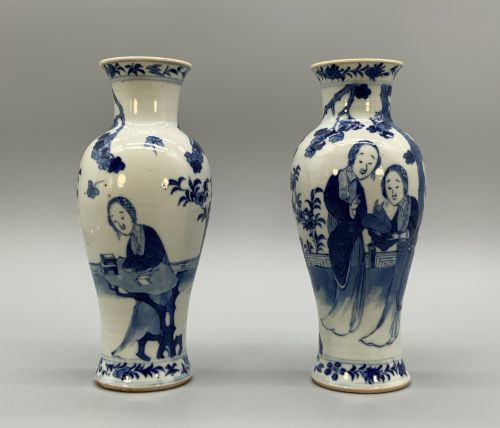
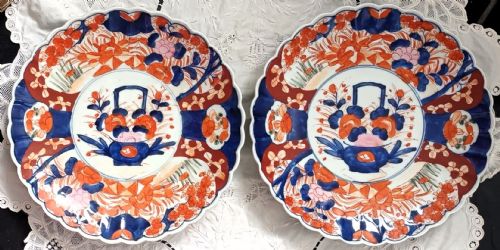
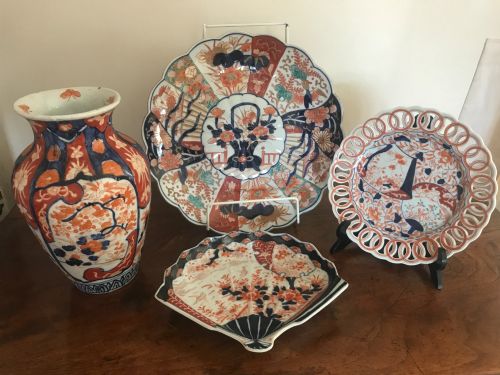
When buyers search for oriental ceramic decor, they find a diverse range of objects spanning the eighteenth, nineteenth, and early twentieth centuries. The selection on this page leans heavily towards Japanese Imari plates, bowls, and vases from the Meiji period, alongside Chinese export porcelain and earthenware figures.
Forms vary from large chargers and slender neck vases to decorative figures and incense holders. Pieces originate from traditional pottery centres in China and Japan, reflecting distinct regional styles and historical periods.
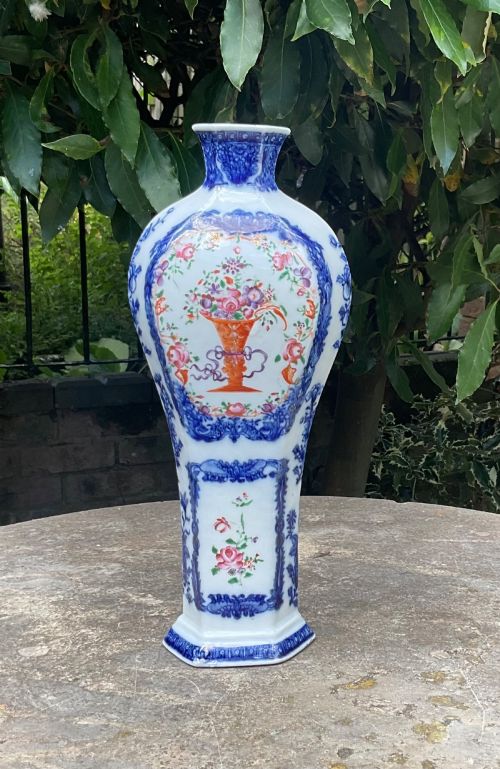
Buyers encounter items ranging from single decorative dishes to matched pairs and larger collections of small vases. Each period brings its own characteristic palette, from the cobalt blues and iron reds of Imari to the polychrome enamels of famille rose.
How oriental ceramic decor pieces were made
Potters shaped porcelain and earthenware by hand or on the wheel before applying lead glazes, enamel pigments, and occasionally gold leaf or gilt details. Japanese Imari and Chinese export wares relied on high-firing techniques to achieve durable, vitrified bodies capable of holding rich surface designs.
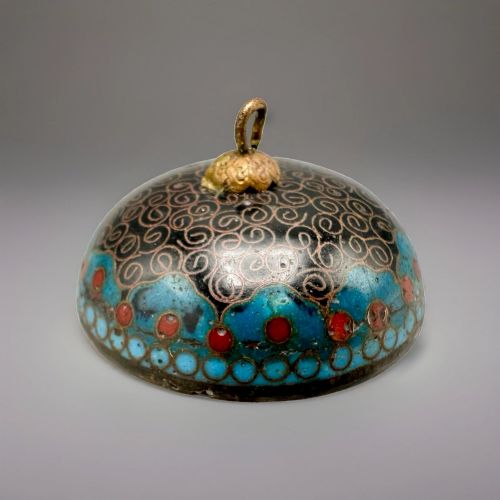
Surface decoration frequently combined hand-painted pigments with specialised overglaze enamels, as seen in Satsuma wares and famille rose pieces. Certain items incorporated supplementary finishes, such as lacquer applied over black paint on porcelain bases.
The selection includes Japanese Imari, Satsuma, and Kutani alongside Chinese Kangxi and Qianlong style porcelain.
What varies in quality in oriental ceramic decor
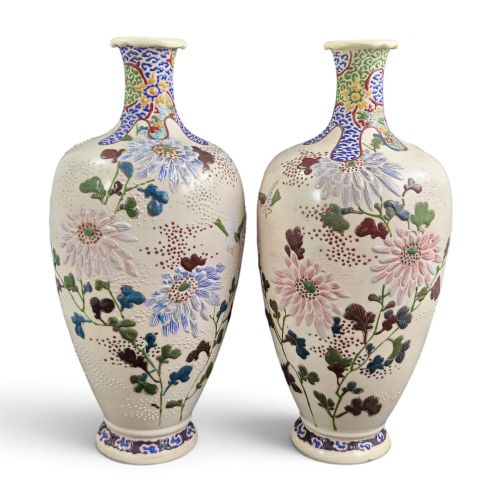
Quality rests in the crispness of the hand-painted brushwork, the evenness of the glaze, and the precision of the form. Finer pieces display confident, detailed execution in figures, birds, and botanical motifs without blurring or misaligned colour registers.
The sophistication of the palette and the depth of the gilding separate standard production wares from superior examples. Intricate modelling, such as hexagonal shaping or shell-moulded edges, also indicates higher craftsmanship.
Hakusan
The Oriental Ceramic Decor Glossary
- Imari
- A style of Japanese porcelain featuring a distinct palette of underglaze blue, iron red, and gilt highlights. These wares were widely produced for export during the Meiji period.
- Famille Rose
- A major palette of Chinese ceramic enamels introduced in the Qing dynasty, characterised by opaque pink or rose colours mixed from gold chloride.
- Satsuma
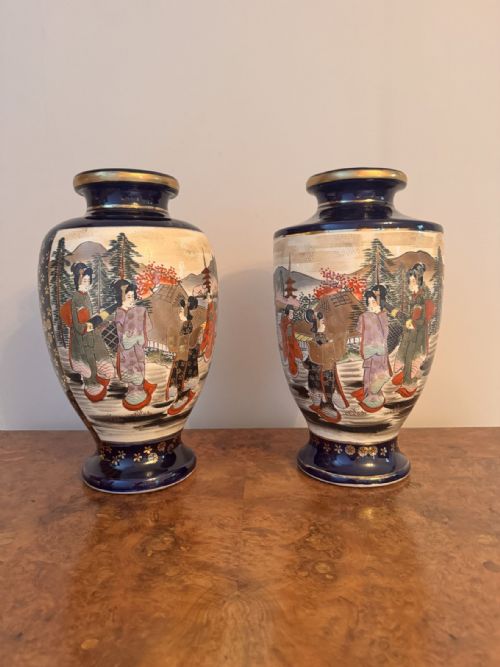
- A type of Japanese earthenware featuring a crackle ivory glaze decorated with polychrome enamels and gilding. Production flourished during the nineteenth century and the Meiji period.
- Sancai
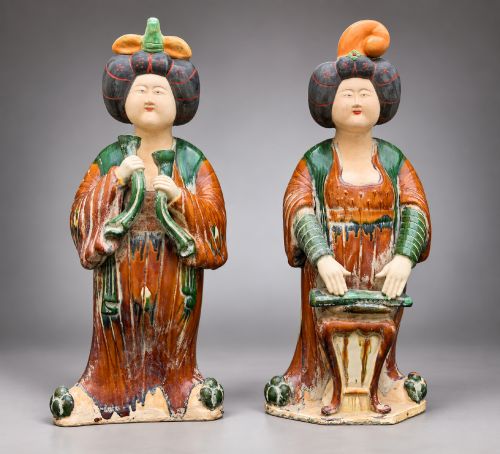
- A low-fired lead glaze technique using three colours, typically amber, green, and cream, famously utilised on Tang dynasty style pottery figures.
- Charger
- A large decorative plate or dish intended for display on a wall or sideboard rather than for practical dining use.
Oriental Ceramic Decor: Frequently Asked Questions
What is oriental ceramic decor?
Oriental ceramic decor encompasses antique porcelain, pottery, and earthenware vessels and figures originating from China and Japan. These pieces range from functional forms adapted for display to purely decorative chargers, vases, and statues.
Buyers select these items to introduce historic artistry and colour into interior spaces. The category bridges multiple dynasties, reigns, and decorative traditions.
How do I date Japanese Imari pieces?
Dating Japanese Imari relies on examining the clay body, the brightness of the cobalt blue, and the quality of the iron red and gold enamels. Pieces from the Meiji period often exhibit specific export marks and refined potting techniques.
Comparing the weight, foot ring finish, and painting style against established nineteenth-century examples helps confirm the production era.
How were Satsuma vases used?
Satsuma vases were created primarily as decorative objects for export and interior display rather than for holding water or flowers. Their intricate enamel scenes of figures, dragons, and gardens were meant to be admired up close.
In period interiors, these vases stood on mantelpieces, cabinets, or dedicated pedestals to showcase Japanese craftsmanship.
How do I care for antique porcelain?
Antique porcelain and earthenware require gentle handling and placement away from direct sunlight and sudden temperature fluctuations. Dusting with a soft, dry cloth is usually sufficient for routine maintenance.
Avoid using chemical cleaners or immersing items with delicate gold leaf, lacquer, or overglaze enamels in water.