



Traditional Arita Ware
Traditional arita ware brings Japanese porcelain mastery into your home, offering centuries of fired artistry and distinctive palettes.

Traditional Arita Ware
Traditional arita ware spans delicate bowls, decorative plates, and substantial vases shaped from fine porcelain. These pieces connect modern interiors directly to historic Japanese kilns through enduring forms.
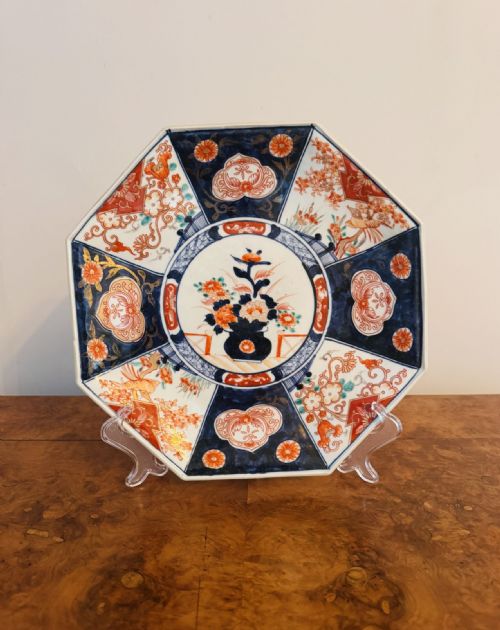
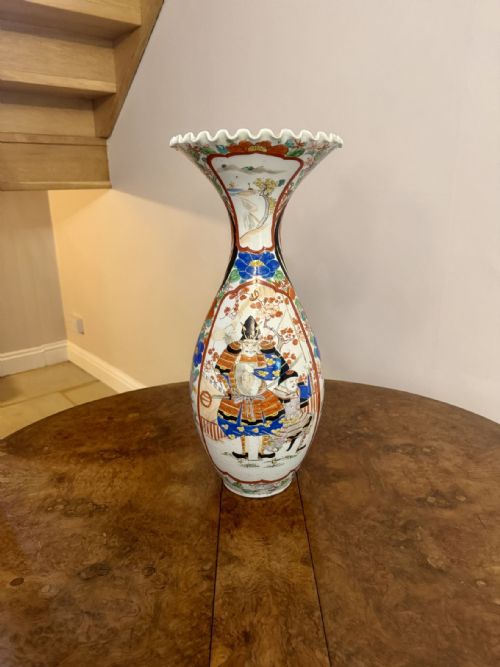
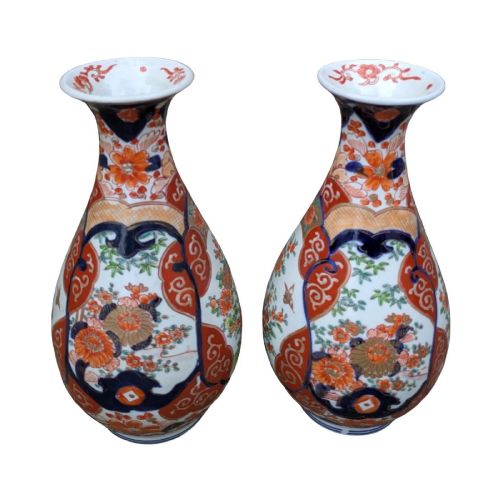
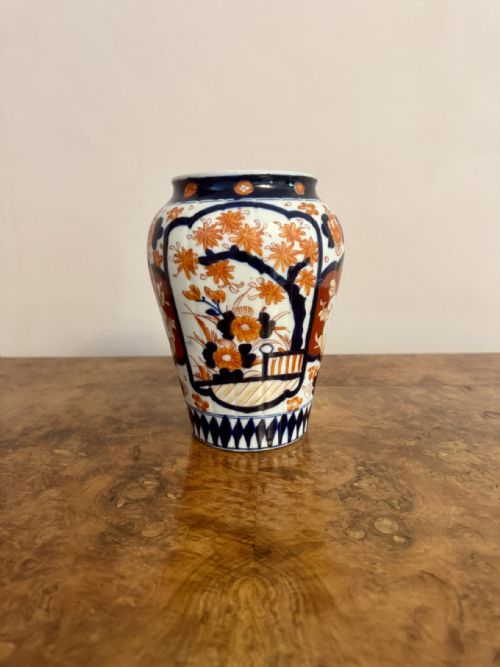
Most examples found here reflect the Japanese Imari style, originating during the Edo and Meiji periods. Buyers encounter plates and vases decorated in characteristic iron red and cobalt blue tones.
Earlier pieces from the late seventeenth century, such as Hizen aka-e dishes, represent the foundational output of these production centres. Later nineteenth-century items continue this decorative lineage with varied floral and geometric motifs.
Materials and Techniques
Potters shaped porcelain clay into vessels before applying cobalt blue underglaze and firing the pieces at high temperatures. Artisans then added enamel pigments and occasional gold leaf details during subsequent lower-temperature firings.
The application of gilt and enamel accents over the glaze created the rich, layered surface textures seen on Imari plates and vases. This multi-stage firing process secured the vibrant colours that define the ware.
The inventory records pieces incorporating enamel, glaze, and gold leaf, predominantly reflecting the Japanese Imari style.
Assessing Quality
The crispness of the underglaze cobalt painting and the precision of the enamel work distinguish superior examples from ordinary production. Finely balanced vessel proportions and cleanly finished bases indicate attentive studio craftsmanship.
The richness and stability of the applied gold leaf and iron red highlights reveal the skill involved in the final decorative stage. Weight, symmetry, and clarity of the porcelain body further separate standard items from exceptional pieces.
The Traditional Arita Ware Glossary
- Imari
- A style of Japanese porcelain featuring distinctive cobalt blue, iron red, and gilt decoration. It originated in Hizen province and gained immense popularity in Europe.
- Edo Period
- The era in Japanese history lasting from sixteen hundred and three to eighteen hundred and sixty-eight. Pieces from this time display early stylistic foundations.
- Meiji Period
- The period spanning from eighteen hundred and sixty-eight to nineteen hundred and twelve. Production during this time often catered to international export markets.
- Aka-e
- Red-painted wares produced in Hizen kilns. This technique uses iron red enamel as the dominant colour for intricate pictorial designs.
- Porcelain
- A ceramic material made by heating raw materials, generally including clay in the form of kaolin, in a kiln. It fires to a white, vitrified, and translucent body.
Traditional Arita Ware: Frequently Asked Questions
What is traditional arita ware?
Traditional arita ware is Japanese porcelain produced in Hizen province around the town of Arita. These pieces include vases, bowls, and plates decorated with underglaze blue and overglaze enamels.
The tradition evolved through the Edo and Meiji periods, adapting techniques that influenced ceramic production across the world.
How do I date these pieces?
Dating relies on stylistic clues, ceramic body characteristics, and historical context recorded in the specific item details. Edo period items show earlier forms, while Meiji pieces often reflect late nineteenth-century export standards.
Examining the glaze consistency and pigment application helps determine whether a piece belongs to the seventeenth century or the late nineteenth century.
How should I display them?
Vases and chargers suit prominent placement on stable surfaces where their painted details remain visible. Adequate lighting enhances the cobalt blue and iron red pigments.
Keeping pieces away from high-traffic edges prevents accidental impacts to delicate porcelain rims.