



Oriental Ceramic Centrepiece
An oriental ceramic centrepiece brings a striking focal point to a room, combining intricate hand-painted detail with the substantial presence of porcelain.

Oriental Ceramic Centrepiece
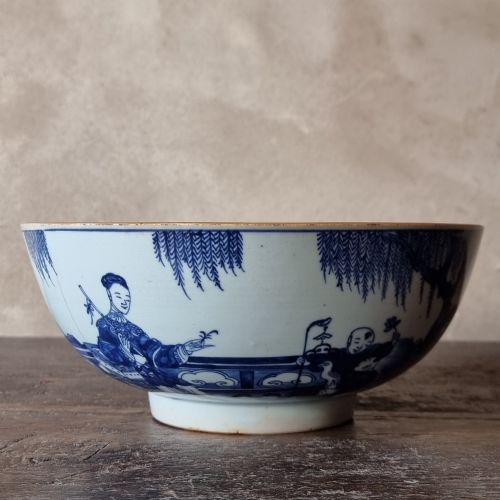
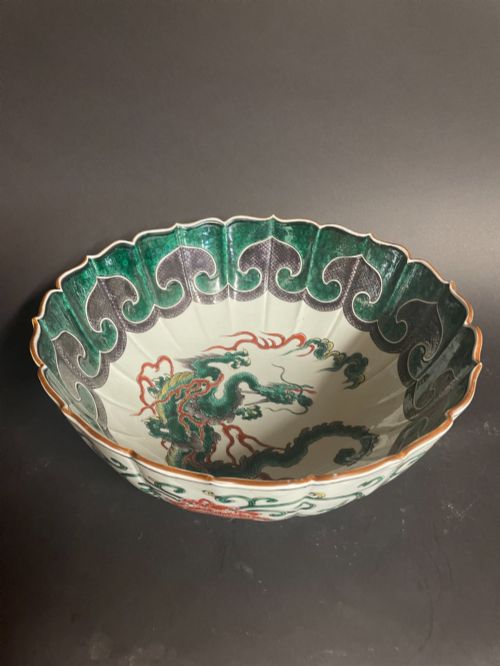
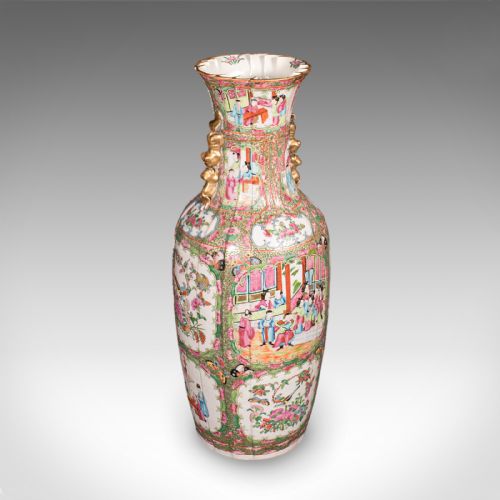
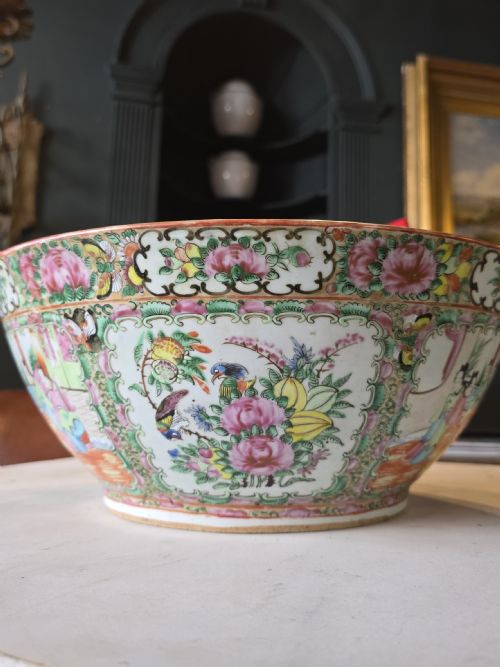
An oriental ceramic centrepiece is a large decorative vessel designed to command attention on a table or sideboard. These pieces primarily take the form of substantial punch bowls, decorative bowls, and vases originating from China and Japan.
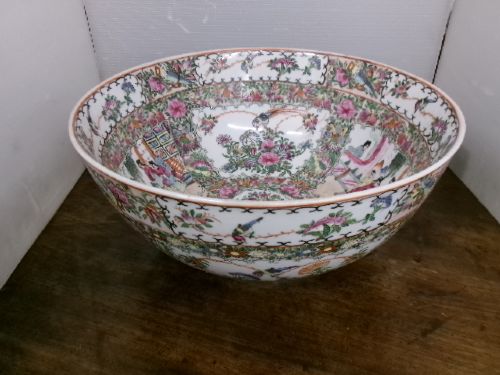
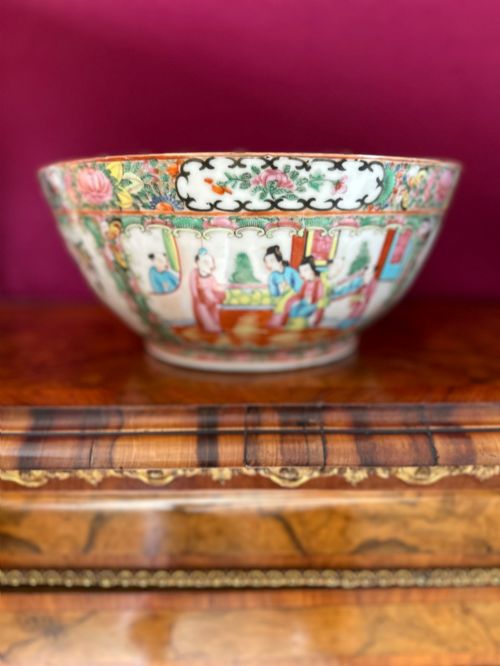
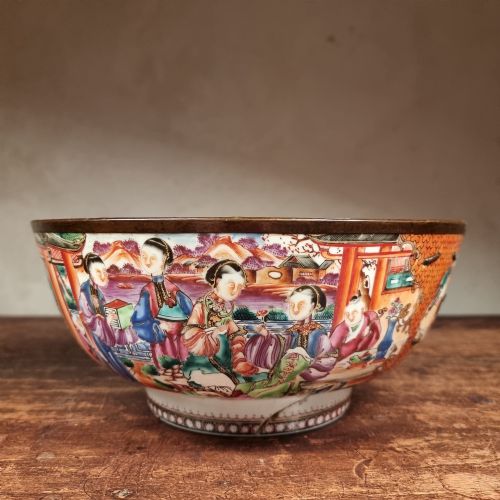
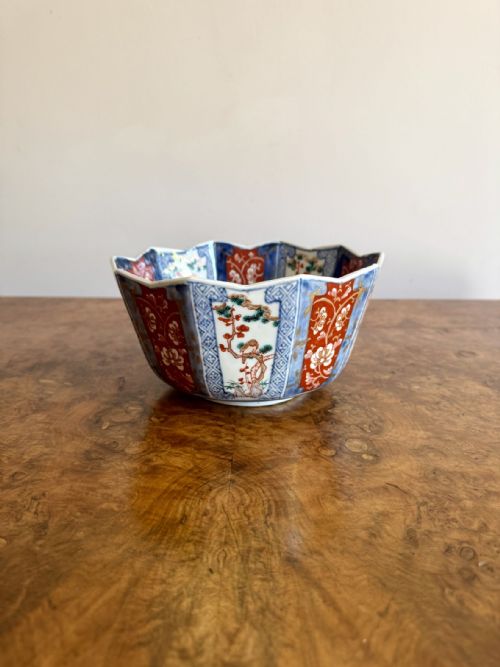
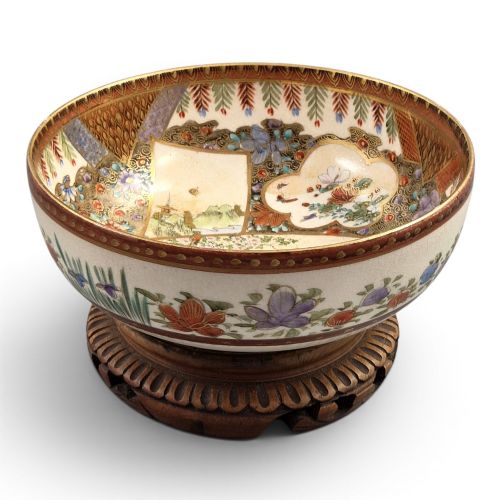
The versions most commonly found here date from the eighteenth century through to the early twentieth century, spanning the Qing Dynasty and the Meiji Period. They include Chinese Canton and Famille Rose wares alongside Japanese Imari and Satsuma ceramics.
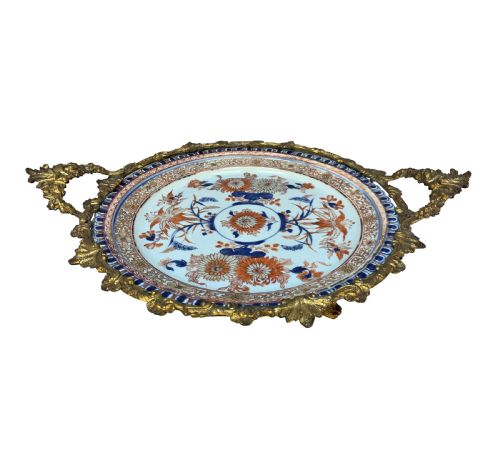
Forms range from deep punch bowls and decorative baskets to tall vases and plates fitted with ormolu mounts. Each piece serves as a primary display item intended to anchor the visual weight of a interior space.
Materials and construction
These items are constructed from ceramic bodies, predominantly porcelain and earthenware, shaped into bowls, dishes, and vases. Artisans applied cobalt underglaze, enamel paints, and occasionally gold leaf or gilt highlights to decorate the surfaces.
Many Japanese and Chinese vessels feature elaborate hand-painted motifs executed with fine brushes. Some eighteenth-century plates and bowls incorporate cast ormolu mounts to elevate their status for European drawing rooms.
Several bowls feature intricate millefleur patterns composed of countless tiny hand-painted blossoms, demanding extraordinary patience from the Victorian artisan.
Assessing quality and execution
Quality rests in the precision and density of the hand-painted decoration across the ceramic surface. Pieces featuring tightly controlled brushwork, vibrant enamels, and clear cobalt underglaze sit firmly at the upper end of the range.
The presence of artist signatures, such as those by Kozan or Ryuzan on Satsuma wares, distinguishes specific studio output from standard production. Heavier, well-balanced throwing and intact original ormolu mounts also indicate superior craftsmanship.
Kozan·Ryuzan
The Oriental Ceramic Centrepiece Glossary
- Imari
- A style of Japanese porcelain featuring a distinct palette of cobalt blue, iron red, and gold. It was produced in Arita and heavily exported to Europe.
- Famille Rose
- A major palette of Chinese ceramic enamels introduced in the Qing Dynasty, distinguished by its dominant opaque pink or rose colour.
- Ormolu
- Gilded bronze used for decorative mounts on ceramics and furniture. It provides structural framing and adds a distinct metallic contrast to the porcelain.
- Canton
- A style of Chinese export porcelain decorated in vibrant enamel colours, often depicting figures in domestic or garden settings.
- Satsuma
- Japanese earthenware pottery characterised by a fine crackle glaze and detailed polychrome enamel designs enhanced with gold.
Oriental Ceramic Centrepiece: Frequently Asked Questions
How are oriental ceramic centrepieces displayed?
These vessels suit placement in the centre of large dining tables, heavy sideboards, or open console tables where their scale can be appreciated from all angles.
Because of their decorative presence, they require sufficient space around them to function as standalone visual anchors within a room.
What is the difference between Imari and Canton wares?
Imari wares originate from Japan and rely on a strict palette of cobalt blue, iron red, and gilt highlights arranged in geometric and floral patterns.
Canton wares come from China and utilise the Famille Rose palette, focusing heavily on figurative scenes filled with people, birds, and detailed botanical borders.
How can I tell a nineteenth-century piece from an eighteenth-century one?
Eighteenth-century examples often display thinner, more resonant porcelain bodies and softer underglaze cobalt tones associated with earlier export periods.
Nineteenth-century items, including Victorian imports and Meiji pieces, frequently exhibit denser enamel application, heavier throwing, and brighter gilding.
Were these items made for export?
The vast majority of these bowls, vases, and punch bowls were produced specifically for the international export market, travelling from Asian kilns to European and Western homes.
Some pieces, such as those with French ormolu mounts, were adapted by European craftsmen upon arrival to match contemporary interior fashions.