




Oriental Carved Wine Table
These oriental carved wine table pieces bring distinctive Far Eastern and Indian craftsmanship into a room, offering rich surface detail and practical small-scale surfaces.
Oriental Carved Wine Table
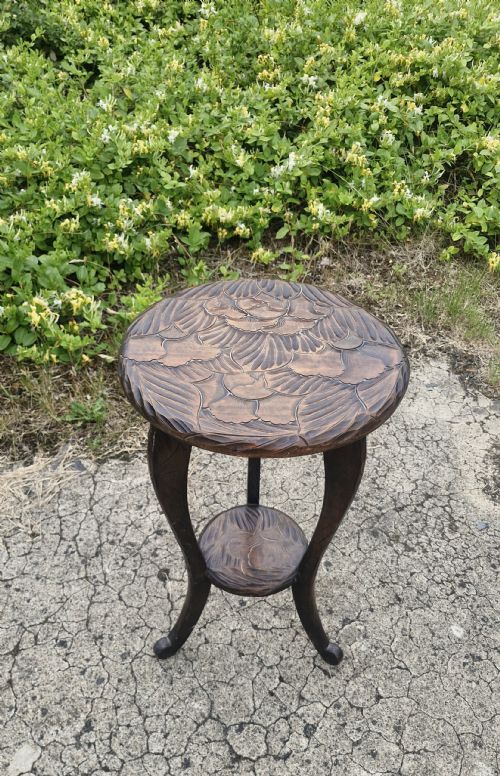
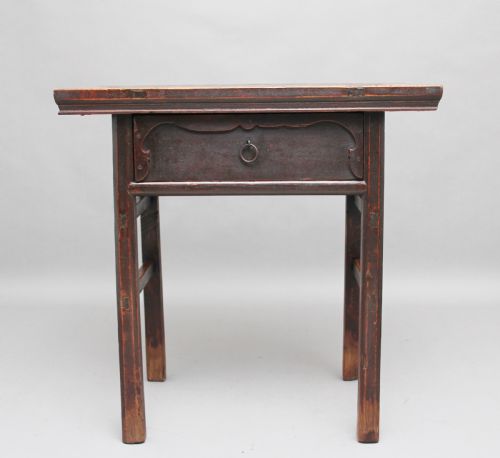
When you search for an oriental carved wine table, you encounter an array of small tables designed for occasional use, often featuring dense hand-carved ornamentation from various eastern traditions. These pieces include side tables, jardiniere stands, and tripod wine tables originating from locations such as China, Burma, India, and Japan.
The most common examples on this page date from the nineteenth century into the Edwardian period, often constructed from heavy timbers like teak, rosewood, hardwood, or elm. Many incorporate specific regional styles such as Anglo-Indian, Chinese Qing Dynasty, or Chinoiserie, serving as functional stands for lamps, plants, or drinks.
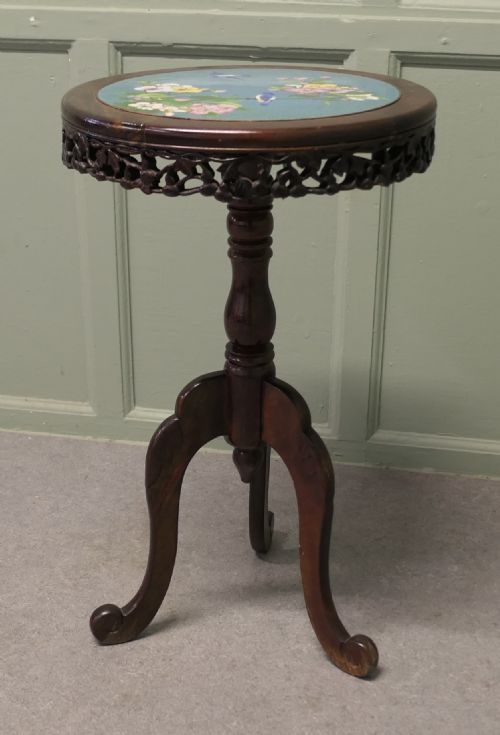
Makers and workshops across different Asian regions and British retailers produced these tables for export and domestic markets, resulting in diverse forms including octagonal tops, two-tier structures, and inset marble panels. Their primary appeal lies in the combination of deep relief carving and compact proportions that fit easily into contemporary interiors.
Materials and Construction
Makers utilised dense timbers such as teak, rosewood, padauk, and elm to provide a stable foundation capable of holding deep, intricate hand-carved motifs without splitting. These tropical and domestic hardwoods were selected for their grain and weight, ensuring the small tables remained sturdy despite heavy surface ornamentation.
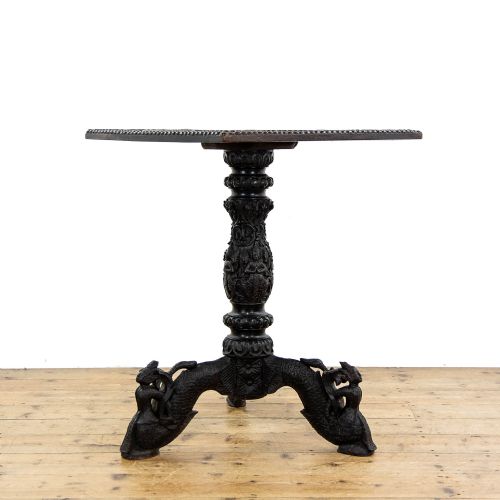
Surface decoration frequently combined traditional joinery with relief carving depicting dragons, flora, and fauna, occasionally complemented by inset materials like marble slabs or cloisonne enamel panels. Lacquer finishes and specialised joinery techniques completed the construction, anchoring tripod bases and pedestals securely to the table tops.
Several nineteenth-century tables manage to balance intricate dragons, birds, and flowers on three slender legs without losing their balance or tipping your tea.
Assessing Quality and Execution
Quality in these pieces rests primarily on the crispness and depth of the hand-carved details, where sharper, more expressive motifs distinguish superior work from softer, shallower cutting. The choice of materials also marks the tier of the piece, with dense heavy hardwoods like rosewood and padauk, or the inclusion of inset marble and cloisonne enamel, indicating higher production standards.
Structural integrity and the retention of original surfaces further separate examples, as well-preserved timber patination and stable tripod or pedestal joints reflect superior initial construction and careful subsequent preservation. Lesser examples may show hurried carving, replacement parts, or instability in the central column and leg joints.
Liberty s
The Oriental Carved Wine Table Glossary
- Cloisonne enamel
- A metalwork technique where thin wire creates compartments filled with vitreous enamel paste, often seen inset into table tops. This decorative method adds vibrant colour and intricate patterns to the surface.
- Tripod table
- A small freestanding table supported by three legs radiating from a central column or pedestal. This form allows the table to sit stably on uneven floors.
- Jardiniere stand
- A tall, slender pedestal or small table specifically designed to hold heavy plant pots or floral displays. They often feature reinforced tops to bear the weight of damp earth and ceramic vessels.
- Padauk
- A dense, durable tropical hardwood prized for its deep reddish-brown colour and strong grain. It provides an exceptionally stable base for fine carving.
- Chinoiserie
- European decorative style reflecting Chinese artistic influences, frequently applied to furniture with black lacquer and painted or gilt motifs. It represents western interpretation rather than direct Asian manufacture.
Oriental Carved Wine Table: Frequently Asked Questions
What were oriental carved wine tables used for originally?
These tables served as versatile stands in Victorian and Edwardian interiors, holding small decorative objects, lamps, or drinks. Their compact size allowed them to be moved easily around reception rooms.
Today, they function similarly in modern homes as bedside tables, plant stands, or occasional surfaces next to armchairs, bringing historic craftsmanship into everyday use.
How do I identify a nineteenth-century piece?
Nineteenth-century examples typically display heavy tropical hardwoods, traditional hand-cut joinery, and patination that develops over decades of handling. Examining the underside and the joints reveals the age of the timber and construction methods.
Later reproductions or Edwardian adaptations often feature lighter materials, machine-assisted carving, or finishes that lack the depth and wear associated with genuine nineteenth-century production.
Are marble-topped tables fragile?
The inset marble slabs are heavy and solid, fitted securely into recessed wooden frames designed to support their weight. While durable, the corners of the stone can chip if struck sharply.
Maintenance involves simple dusting and avoiding harsh chemical cleaners that might dull the polish of the marble or damage the surrounding wood.
How do I care for antique hardwood furniture?
Keep these tables away from direct heat sources and strong sunlight, which can dry out the timber and cause splitting in the carved surfaces. Regular dusting with a soft, dry cloth maintains the finish without needing heavy polishes.
Applying occasional specialist wax helps nourish hardwoods like teak and rosewood, preserving the rich patination built up over generations.