



Antique Dragon Table
When you search for an antique dragon table, you meet heavy rosewood low tables and carved hardwood side pieces ornamented with mythical beasts.
Antique Dragon Table
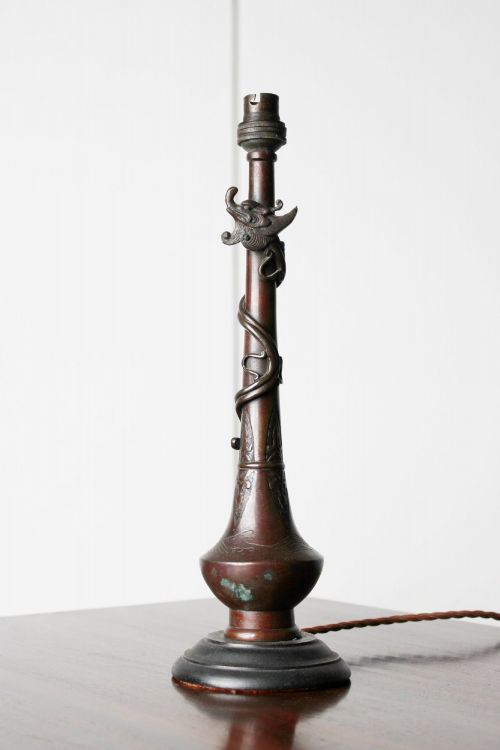
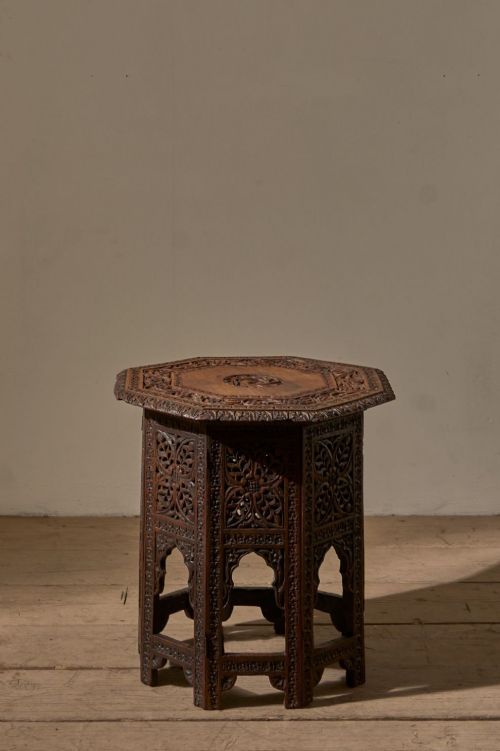
An antique dragon table brings carved timber and oriental motifs into a room through forms such as side tables, coffee tables, and low opium tables. The examples found here span the nineteenth century into the early twentieth century, taking shape through Chinese export workshops, Anglo-Indian cabinet makers, and Japanese Meiji period design.
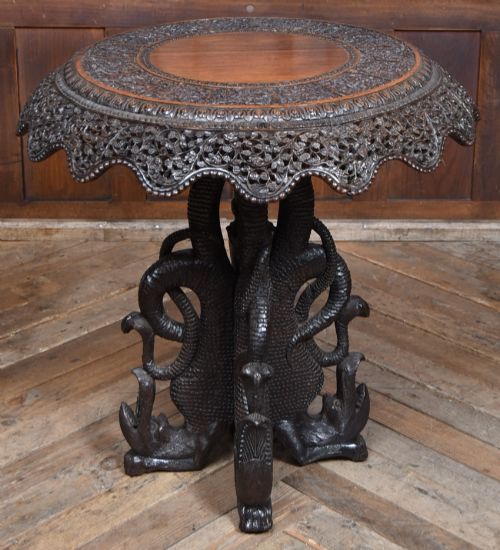
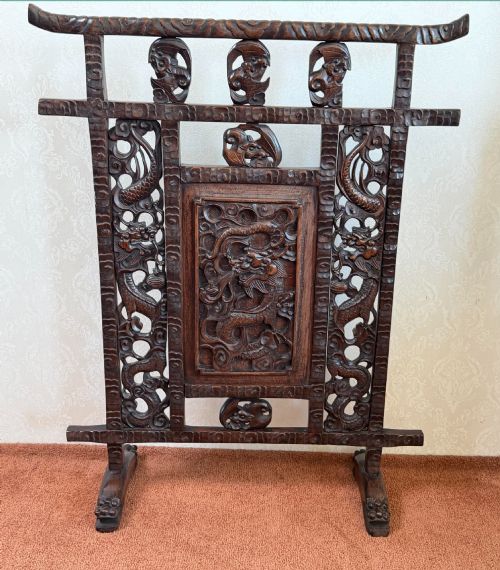
Buyers encounter solid rosewood, camphorwood, and ebonised hardwood frames decorated with intricate relief carving showing scaled dragon details. These tables function as centre tables, plant stands, and nests of tables, providing functional surfaces grounded in Far Eastern craftsmanship.
The selection ranges from low occasional surfaces to larger centre tables, often combining traditional Chinese Qing Dynasty styles with Victorian or Edwardian interior tastes. Each piece relies on dense tropical timbers and sculptural mounts to hold its presence in a room.
How they were made
Cabinet makers utilised dense exotic timbers including rosewood, padauk, camphorwood, and teak, which were selected for their weight and stability. These woods allowed artisans to carve deep, undercut relief details directly into the solid timber without relying on applied mouldings.
Joinery methods combined traditional mortise and tenon framing with pegged joints to support heavy tabletops and carved aprons. Surfaces were often polished to a dark, lustrous finish that highlighted the natural grain of the hardwood alongside hand-carved dragon motifs.
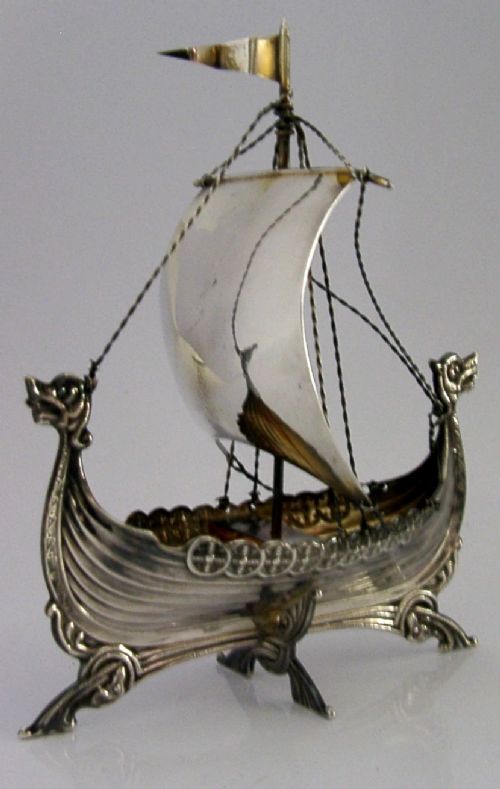
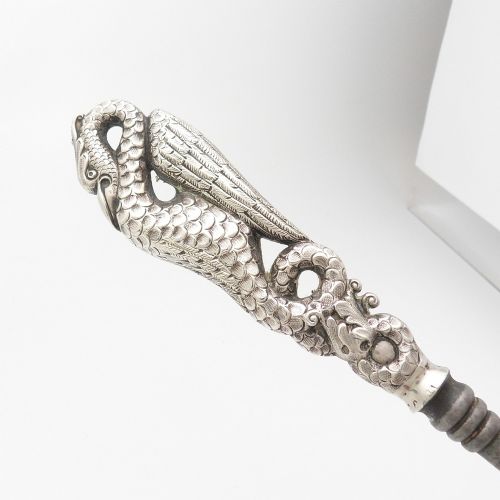
Several dragon tables share space with silver peppers shaped like mythical beasts and button hooks featuring hidden winged creatures.
What varies in quality
Material selection also dictates quality, with dense, heavy rosewood and padauk commanding greater presence than lighter utility woods. The structural integrity of the joints and the proportional balance of the carved apron further separate ordinary production from superior craftsmanship.
The Antique Dragon Table Glossary
- Rosewood
- A heavy, dense tropical timber prized for its dark grain and durability. It provides the solid foundation for many carved oriental tables.
- Padauk
- A reddish-brown hardwood sourced from tropical regions and utilised in Anglo-Indian furniture construction. It takes a high polish and resists shrinkage.
- Opium Table
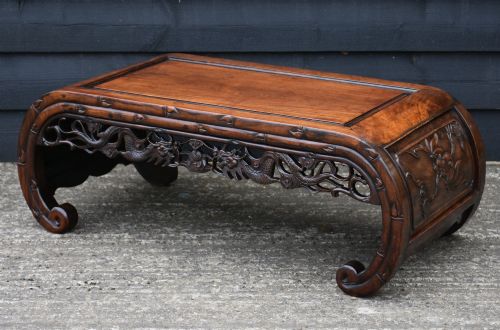
- A low, domestic table traditionally used in East Asia for serving tea or smoking. These low surfaces often feature elaborate dragon carvings along the frieze.
- Chinoiserie
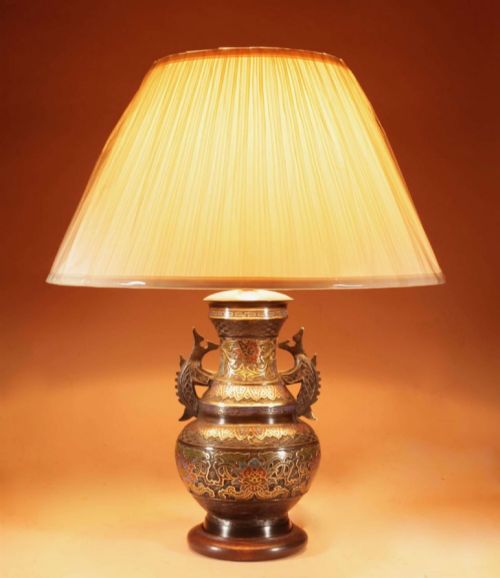
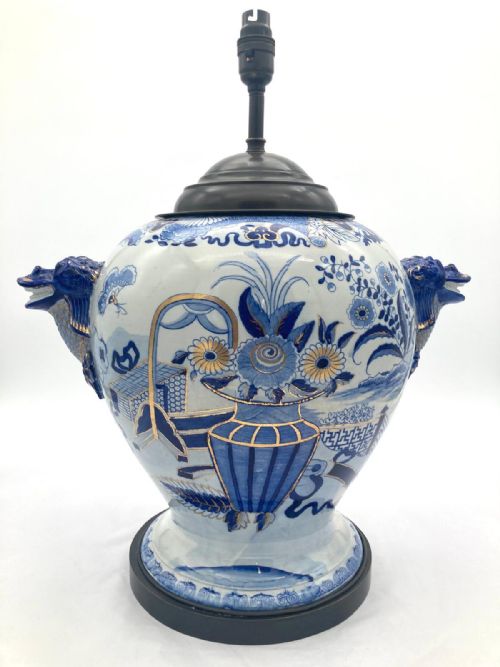
- A European artistic style reflecting Chinese aesthetic influences, popular during the eighteenth and nineteenth centuries. It appears frequently in decorative furniture and lamps.
- Meiji Period
- The era in Japanese history spanning from 1868 to 1912, marked by industrialisation and the production of intricate bronze and wood objects for export.
Antique Dragon Table: Frequently Asked Questions
What rooms suit an antique dragon table?
These tables work well as low coffee tables in sitting rooms or as accent side tables beside armchairs. Their dark wood tones and carved details anchor neutral spaces.
They pair comfortably with both traditional interiors and modern minimalist rooms, where the carved wood provides a strong focal point.
How do I care for antique hardwood?
Dust the timber regularly with a dry, soft cloth to prevent particulate accumulation in the carved crevices. Avoid placing the wood near direct heat sources or strong sunlight.
Apply a traditional beeswax polish sparingly to nourish the grain and maintain the natural lustre of the rosewood or padauk surface.
Are these tables solid wood?
The pieces listed here utilise solid tropical hardwoods such as rosewood, camphorwood, and teak throughout their frames and tabletops. This heavy construction supports the deep relief carving.
Solid timber construction allows the wood to withstand decades of daily domestic use while maintaining structural stability.
How do I distinguish regional styles?
Chinese export pieces often feature deep relief carving of dragons amongst clouds and waves on dense rosewood or camphorwood. Anglo-Indian furniture combines traditional British form with local padauk timber and Indian carving techniques.
Japanese Meiji period items incorporate distinct metalwork or lacquer elements alongside carved wooden frameworks.