
Oriental Carved Statue
Oriental carved statue selections span centuries of Asian craftsmanship, bringing traditional figures and deities into contemporary interiors.
Oriental Carved Statue
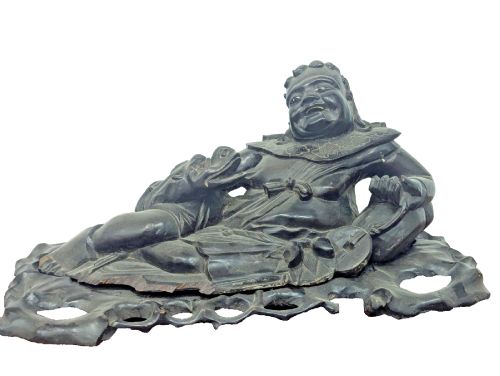
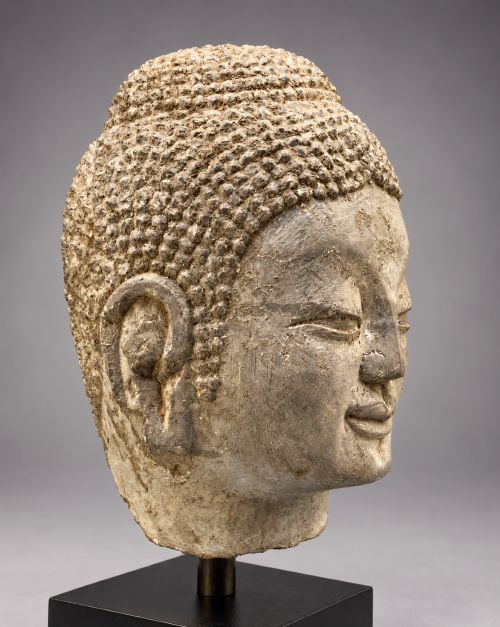
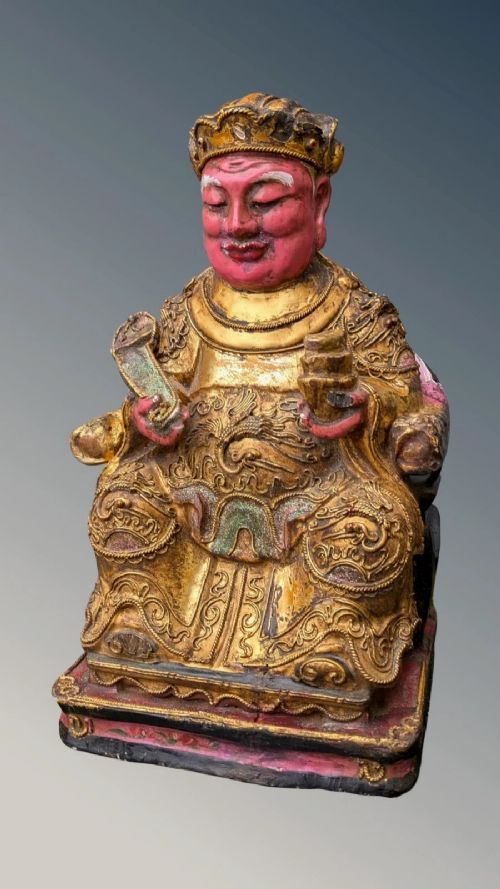
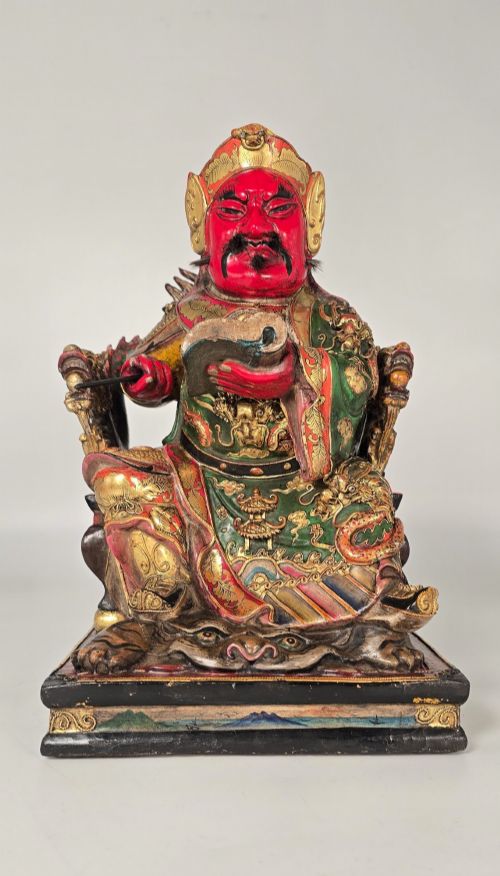
An oriental carved statue represents figures from Eastern traditions, including Buddhist deities, Daoist immortals, temple guardians, and figures from daily life. These works emerge from diverse cultural spheres across China, Japan, India, and Burma, capturing specific historical periods from the Ming dynasty to the Meiji period.
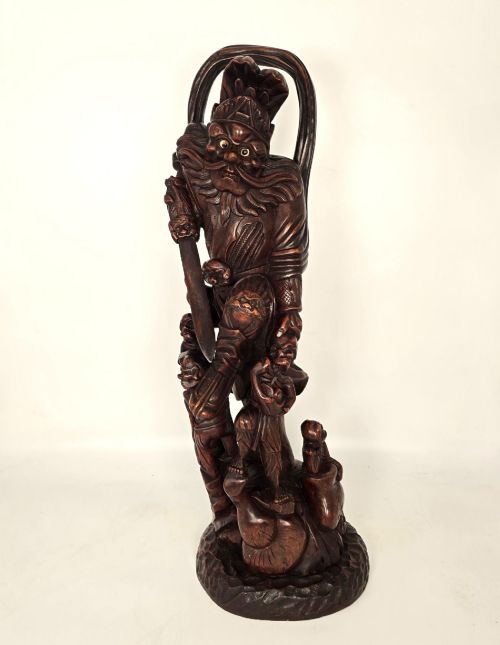
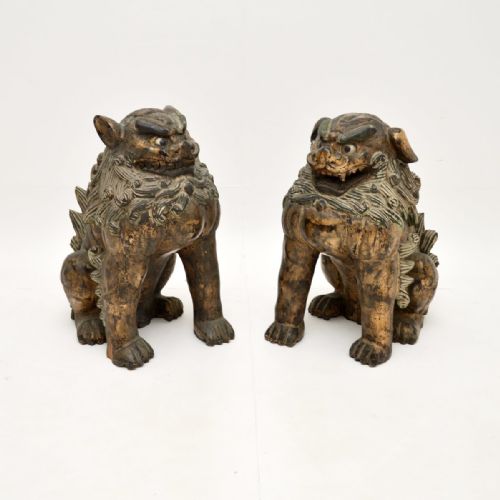
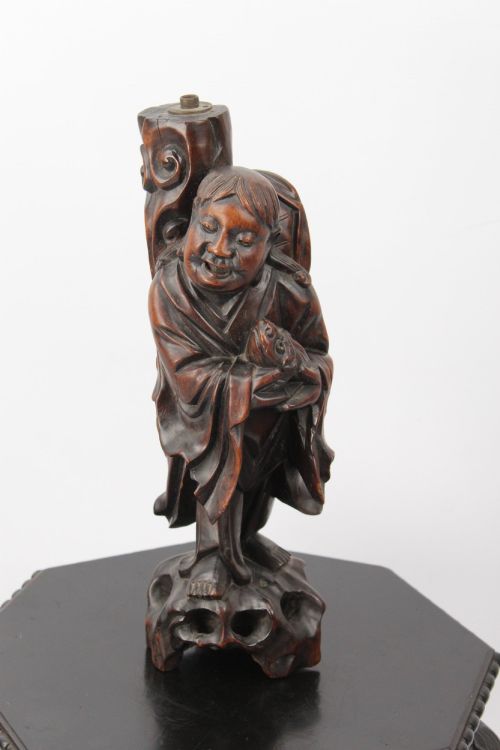
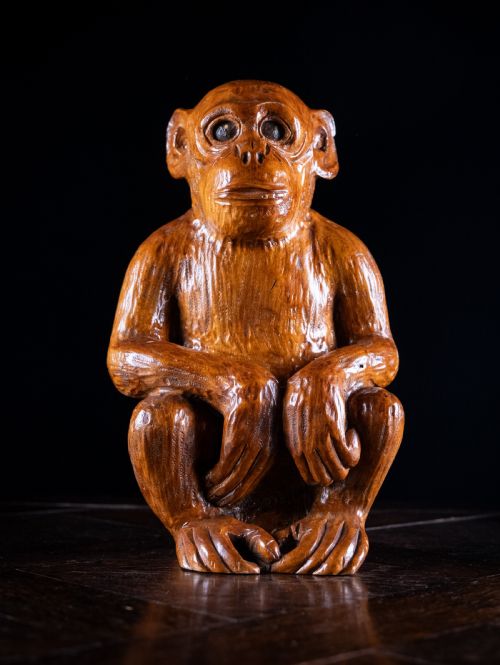
The most common examples on this page are carved hardwood sculptures and figures originating from nineteenth-century and early twentieth-century China. Buyers encounter everything from small boxwood foo dogs and scholars to monumental temple figures and animal groups.
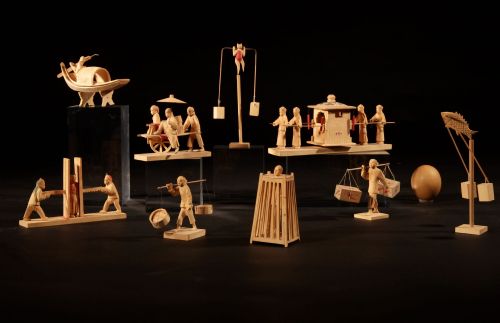
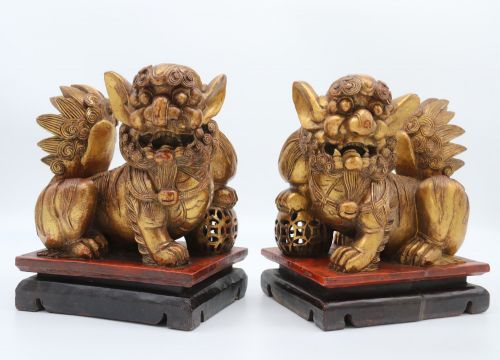
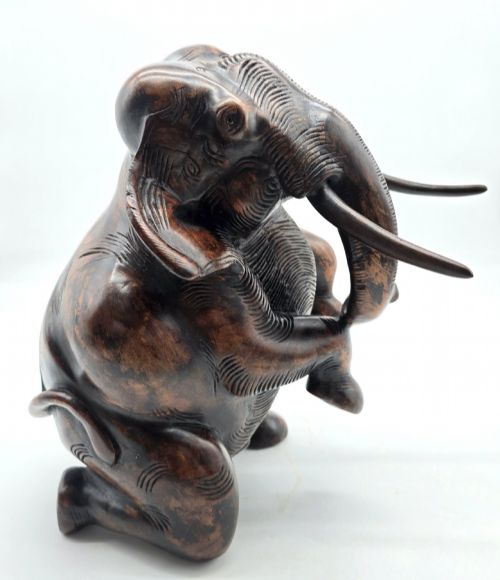
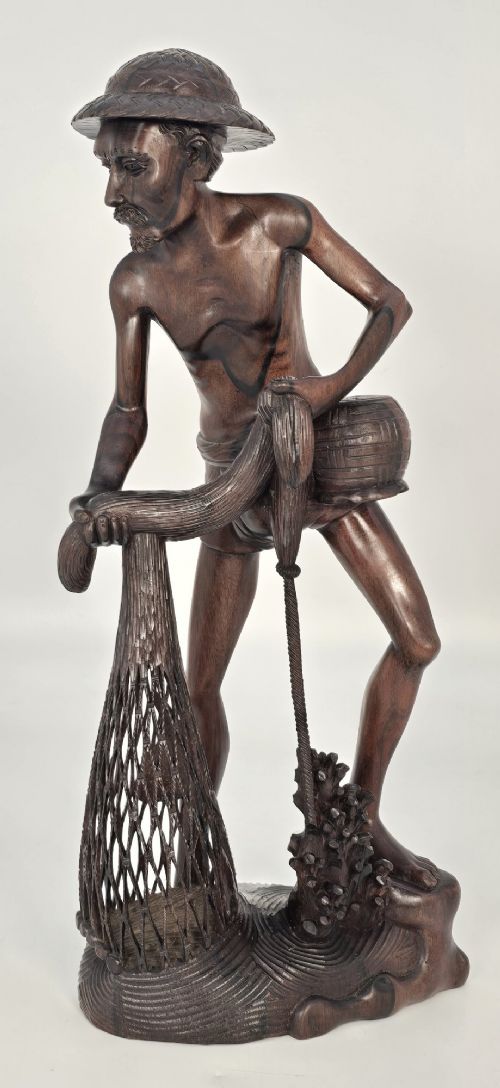
Forms range from single religious icons to pairs of temple guardians, elephants, and genre scenes showing fishermen or daily life. These pieces serve as both devotional objects and decorative sculptures within residential spaces.
Materials and carving techniques
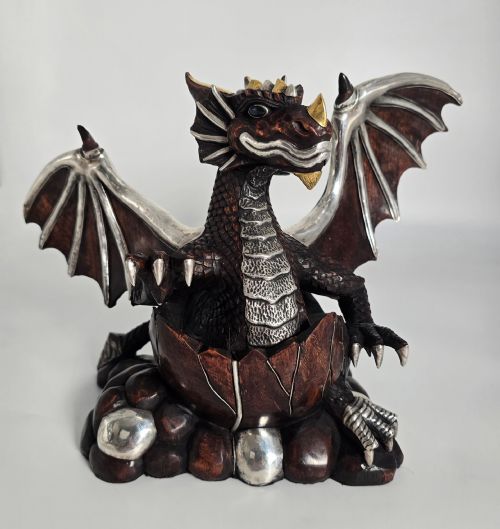
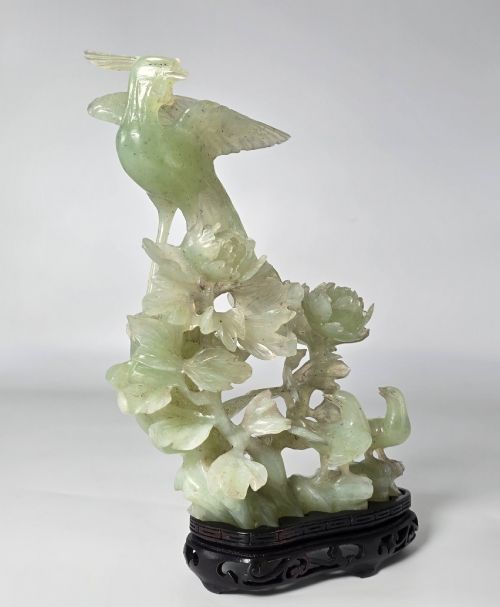
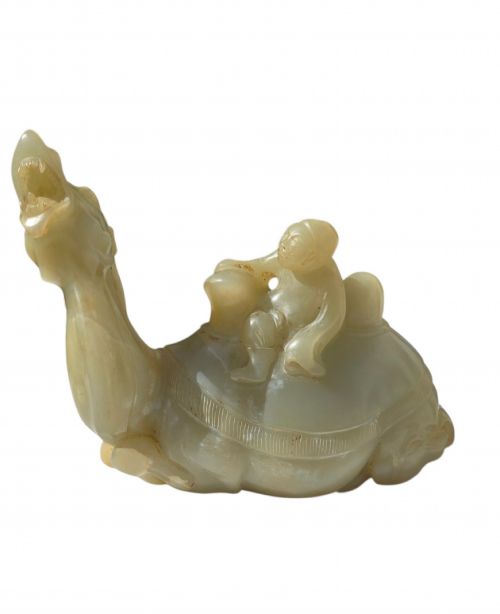
Carvers utilised dense regional timbers such as hardwood, boxwood, root wood, and hongmu, allowing for intricate detail and deep relief work. Artisans also worked with soapstone, jadeite, agate, and marble, shaping mineral masses into smooth figurative groups.
A wooden bear holding a fish waits patiently among the carvings, embodying the charm of Japanese folk art.
Distinguishing quality in carved works
The selection of the raw material dictates the potential of the finished piece, with unblemished hardwoods and flawless stone slabs commanding greater artistic success. Preserved original surfaces, such as intact gold leaf and early polychrome pigments, elevate the historical integrity of the object.
Haruyama Shunzan
The Oriental Carved Statue Glossary
- Okimono
- A Japanese decorative freestanding sculpture designed for display in an interior alcove. These pieces depict animals, humans, and legendary figures.
- Foo Dog
- A traditional Chinese guardian lion protecting sacred spaces. They appear in pairs outside temples and within domestic settings.
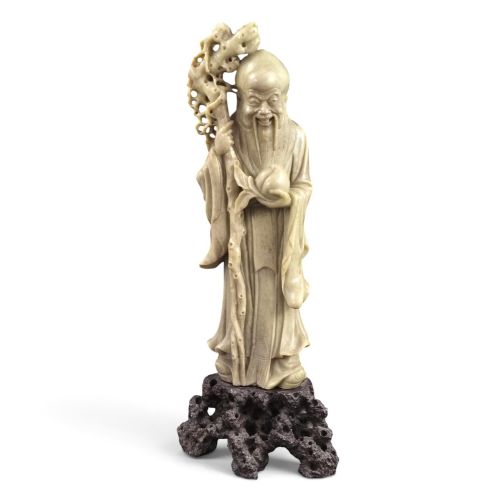
- Shoulao
- The Chinese Taoist god of longevity, typically depicted with a high forehead and a staff. He is a common subject in soapstone and wood carvings.
- Qing Dynasty
- The final imperial dynasty of China, lasting from the seventeenth to the early twentieth century. Objects from this period show refined decorative arts.
- Polychrome
- Decoration employing several colours applied to the surface of wood or stone. This technique brings realism to temple figures and deities.
Oriental Carved Statue: Frequently Asked Questions
Where were these statues originally placed?
Many of these figures stood within domestic shrines, scholar's desks, or temple interiors as objects of veneration or scholarly contemplation. Guardians protected entryways, while smaller animal carvings and deities occupied reception rooms.
Over time, collectors removed these pieces from their original architectural contexts to display them as freestanding works of art in European and American homes.
How do I identify the material of a carved statue?
Wooden pieces typically display natural grain patterns beneath lacquer or polish, whereas stone sculptures feel cold to the touch and exhibit crystalline structures. Hardwoods like hongmu feel exceptionally heavy for their size compared to softer utility woods.
Examining the base and unpolished undersides often reveals tool marks and the true nature of the medium, whether soapstone, jadeite, or carved root wood.
How should I care for antique wooden sculptures?
Keep wooden and lacquered statues away from direct sunlight and sudden changes in ambient temperature to prevent splitting. Dust gently with a dry, soft brush rather than using chemical polishes that can degrade historic lacquer and paint.
Maintaining stable humidity levels in the room preserves the integrity of the wood and any applied gold leaf or gesso layers.